Parotidectomy Surgery: Facial Nerve Risks and How Surgeons Protect It
Parotidectomy surgery is an operation to remove part or all of the parotid salivary gland, often to treat a tumor, cyst, or chronic gland problem. A central concern in this procedure is protecting the facial nerve, which runs through the gland and controls facial movement.
Overview: What Is Parotidectomy Surgery?
Parotidectomy surgery is the removal of part or all of the parotid gland, the largest of the salivary glands. These glands sit just in front of and below each ear and help produce saliva for chewing, swallowing, and oral health. Surgery may be recommended for a lump in the gland, a benign or malignant tumor, recurrent infection, certain cysts, or a blockage that does not improve with other treatment.
The operation may be called a superficial parotidectomy, partial parotidectomy, or total parotidectomy, depending on how much of the gland needs to be removed. The exact plan depends on where the abnormal area is located, how close it is to the facial nerve, and whether there is concern for cancer. In some people, nearby lymph nodes or surrounding tissue may also need assessment.
A major reason this surgery requires specialist expertise is the facial nerve. This nerve travels through the parotid gland and controls movement of the forehead, eyelids, cheeks, and mouth. Because of this close relationship, surgeons plan the operation carefully to remove the problem tissue while preserving facial function as much as possible.
Why the Facial Nerve Matters
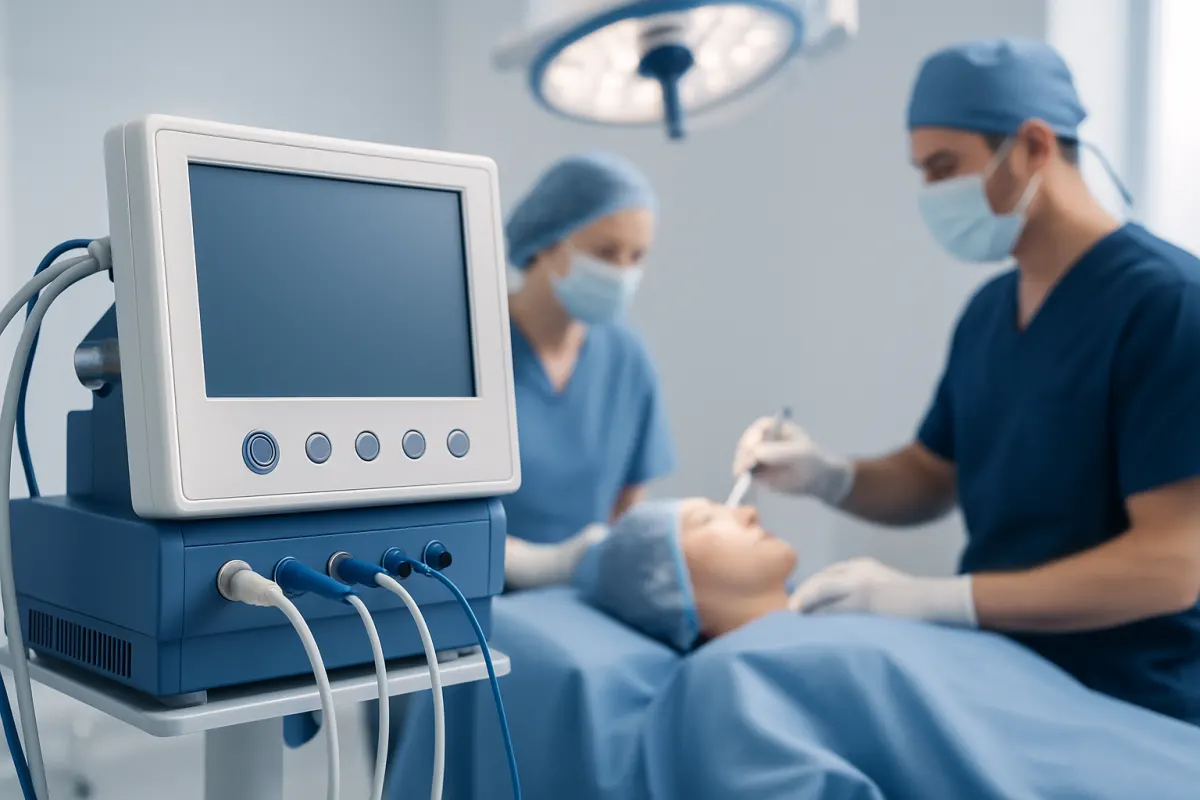
The facial nerve is responsible for facial expression, eye closure, smiling, lip movement, and part of tear and saliva control. As it passes through the parotid gland, it divides into branches. During parotidectomy surgery, the surgeon must identify and protect these branches while separating them from the gland tissue being removed.
If the nerve is stretched, bruised, irritated, or rarely cut during surgery, weakness can occur. This may affect raising the eyebrow, closing the eye, smiling evenly, or moving the lower lip. In many cases, when weakness occurs after surgery, it is temporary and improves as the nerve recovers over weeks to months.
The degree of risk depends on several factors, including the size and location of the growth, whether it involves deep parts of the gland, whether there is inflammation or scarring, and whether cancer is suspected. Operations for recurrent tumors or malignant tumors can be more complex because the normal tissue planes may be distorted or the nerve may be very close to diseased tissue.
Protecting the nerve does not mean the surgeon can always avoid all weakness, but it does mean every step is designed to reduce unnecessary injury. This is one reason parotid surgery is usually performed by experienced head and neck or ENT surgeons familiar with salivary gland anatomy and delicate nerve dissection.
When Parotidectomy May Be Needed
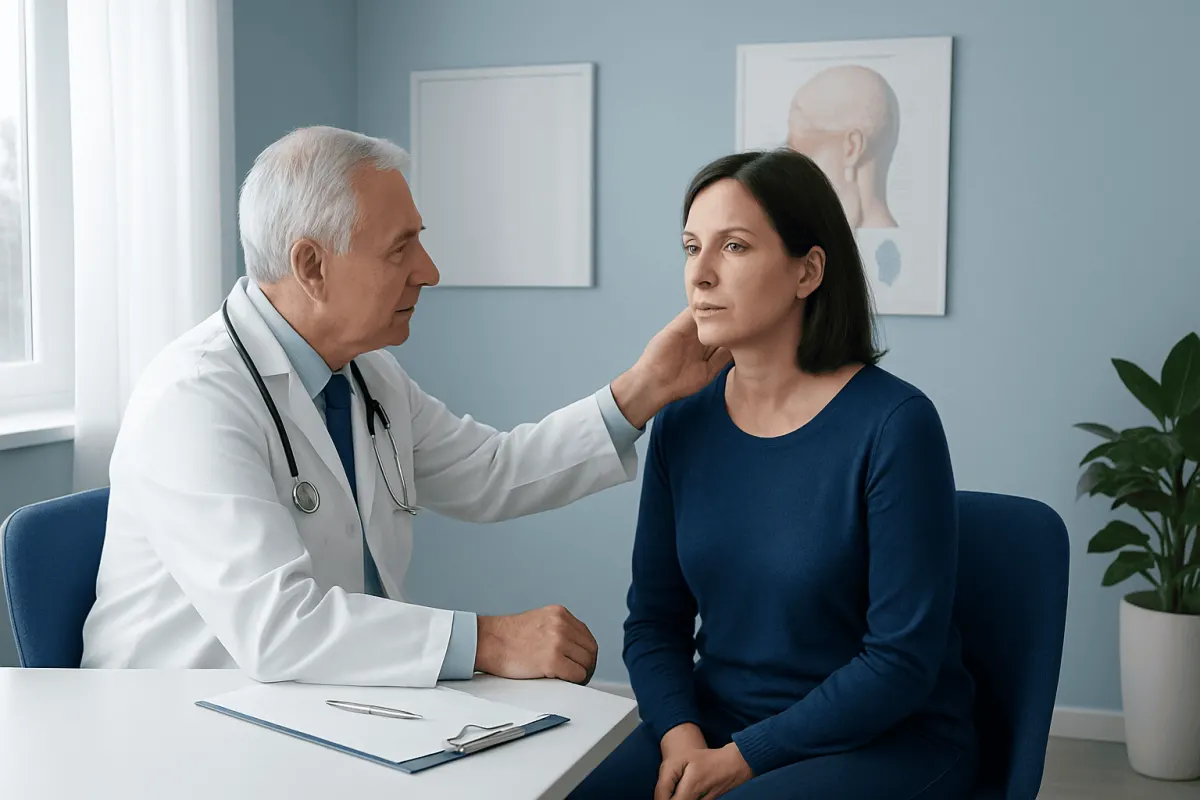
Many people are evaluated for parotidectomy because they notice a slow-growing lump near the jaw or in front of the ear. Most parotid tumors are benign, but they still need proper assessment because some can continue to grow, cause discomfort, or rarely transform over time. Doctors may also consider surgery when imaging or biopsy suggests a malignant tumor, or when there are symptoms such as pain, rapid enlargement, facial weakness, or enlarged lymph nodes.
Parotid surgery may also be used for chronic or recurrent gland conditions that do not respond to less invasive care. Examples include repeated infections, persistent cystic lesions, or obstruction related to stones or inflammation. In some cases, gland problems are linked to conditions such as salivary gland stones or sialadenitis, although not every patient with these conditions needs surgery.
Before recommending an operation, the care team usually reviews symptoms, medical history, imaging, and needle biopsy results if available. If surgery is the best next step, the procedure may be discussed as parotidectomy surgery with a focus on both effective treatment and facial nerve preservation.
How Surgeons Evaluate the Risk Before Surgery
Good facial nerve protection begins well before the operation. The surgeon first performs a careful examination of the lump and checks facial movement on both sides of the face. Any pre-existing weakness is important because it may suggest that a tumor is affecting the nerve already, especially if cancer is a concern.
Imaging tests such as ultrasound, MRI, or CT scans help define the size, depth, and exact location of the lesion. These tests show whether the abnormality is in the superficial part of the gland or deeper tissue closer to major nerve branches. They may also help identify suspicious features, nearby lymph nodes, or extension beyond the gland.
A fine-needle aspiration biopsy is often used to sample cells from the lump. This can help distinguish between benign and malignant processes and guide how extensive the operation should be. While biopsy is not perfect, it often provides helpful information that supports surgical planning.
Patients are also assessed for general surgical fitness, medicines that may increase bleeding risk, and factors that can affect healing. During counseling, the surgeon explains likely benefits, alternatives, expected recovery, and possible complications, including temporary or permanent facial weakness, numbness around the ear, saliva leakage, or Frey syndrome, which is sweating over the cheek during eating.
How Surgeons Protect the Facial Nerve During Parotidectomy
Facial nerve protection relies on anatomy, planning, magnified visualization, and gentle technique. The surgeon usually makes an incision placed around the ear and into a natural skin crease so the gland can be reached safely. Once the tissue is exposed, the surgeon identifies known anatomic landmarks that help locate the main trunk of the facial nerve and its branches.
Dissection is then performed carefully to separate the nerve from the portion of the gland being removed. Surgeons use fine instruments and work step by step, avoiding unnecessary traction, heat, or pressure on the nerve. In many cases, intraoperative nerve monitoring is used to provide additional information about nerve activity and help confirm branch identification during the procedure.
If a tumor lies very close to the nerve, the surgeon balances complete removal with preservation of function. For benign disease, the aim is often to remove the lesion with a margin of normal tissue while leaving the nerve intact. For malignant disease, if cancer directly invades the nerve, more extensive treatment may be necessary, and reconstruction options may be discussed when appropriate.
Specialist ENT teams may also coordinate care when related ear and skull base expertise is useful, such as in advanced neurotology or neuro-otology settings. The exact approach depends on the diagnosis and individual anatomy rather than a single standard technique for every patient.
Possible Risks, Recovery, and What to Expect After Surgery
Like any operation, parotidectomy surgery carries risks. The best-known concern is facial weakness, which may be temporary or permanent. Temporary weakness can result from handling, swelling, or stretching of the nerve and often improves gradually. Permanent weakness is less common, but the chance may be higher in more extensive surgery, recurrent disease, or cancer involving the nerve.
Other possible risks include bleeding, infection, fluid collection under the skin, numbness of the earlobe or nearby skin, saliva leakage, scarring, and Frey syndrome. A drain may be placed for a short time to reduce fluid buildup. Pain is usually manageable, and many patients can return home within a short period, depending on the extent of surgery and their general condition.
In the first days after surgery, the area may feel tight, swollen, or bruised. The team gives instructions about wound care, showering, activity, and follow-up visits. If facial weakness occurs, the doctor may advise eye protection measures, especially if the eyelid does not close fully, because keeping the eye moist and protected is important.
Pathology results from the removed tissue help determine whether any further treatment is needed. If cancer is found, the next steps may include additional imaging, discussion in a multidisciplinary tumor board, or treatments such as radiotherapy. For benign tumors, follow-up usually focuses on healing, facial function, and watching for recurrence.
Self-care, Follow-up, and When to See a Doctor
After surgery, self-care plays an important role in recovery. Patients are usually advised to keep the incision clean and dry as instructed, avoid strenuous activity until cleared, and take prescribed medicines as directed. Gentle movement of the face may be discussed at follow-up, but exercises should only be started if recommended by the surgical team.
It is important to contact a doctor promptly if there is increasing redness, fever, pus-like drainage, worsening swelling, severe pain, difficulty closing the eye, or sudden facial weakness. These symptoms do not always signal a serious problem, but they should be checked early. Any new lump, persistent pain, or recurrent swelling near the parotid area should also be reviewed.
Long-term follow-up depends on the original diagnosis. Benign conditions may need only periodic review, while malignant tumors usually require a more structured surveillance plan. People with other ENT concerns may also need separate evaluation, for example for hearing loss or other nearby head and neck conditions, although these are not directly caused by most parotid operations.
For patients seeking specialist care, Acıbadem Health Point’s multidisciplinary teams and JCI-accredited hospitals diagnose and treat parotid conditions for international patients. A qualified ENT or head and neck surgeon can explain whether surgery is necessary, how nerve protection will be approached, and what recovery is likely to involve.
Frequently asked questions
01What is the facial nerve risk in parotidectomy surgery?
The facial nerve runs through the parotid gland, so it can be affected during surgery. Temporary weakness is possible and may improve over time, while permanent weakness is less common but can occur in more complex cases.
02Do all parotid tumors require surgery?
Not every parotid lump is treated the same way, but many do need specialist evaluation and often surgery. This is because even benign tumors can grow, recur, or be difficult to distinguish from malignant tumors without proper assessment.
03How do surgeons protect the facial nerve during parotidectomy?
Surgeons use detailed knowledge of anatomy, preoperative imaging, careful dissection, and sometimes nerve monitoring during the operation. The goal is to identify the nerve early and handle surrounding tissue gently while removing the abnormal gland tissue.
04How long does it take to recover from parotidectomy surgery?
Early healing usually takes a few weeks, although the exact timeline depends on the extent of surgery and the person's general health. If temporary facial weakness occurs, recovery of nerve function may take longer and is often gradual.
05What symptoms should prompt medical attention after surgery?
Patients should contact a doctor if they develop fever, increasing redness, drainage, worsening swelling, severe pain, or trouble closing the eye. New or worsening facial weakness should also be assessed promptly.
06Can facial weakness after parotidectomy be permanent?
Yes, it can be permanent in some cases, but this is less common than temporary weakness. The risk depends on factors such as tumor size, tumor location, prior surgery, inflammation, and whether cancer involves the nerve.
This article is for general information only and is not a substitute for professional medical advice. Please consult a qualified doctor about your individual situation.
Oncology care in Turkey — second opinion and treatment plan
JCI-accredited · board-certified surgeons · reply within 24h
Add us as a Preferred Source to see more of our trusted health content across Google Search, AI Overviews and Discover.