

Paranoid: Meaning, Symptoms and Causes
- 8 min read
- Published November 29, 2026
Key Takeaways
- Paranoia can range from mild suspiciousness to distressing fixed beliefs that affect daily life.
- Stress, sleep loss, trauma, substance use, and several mental or medical conditions may contribute.
- Diagnosis focuses on understanding symptoms, timing, triggers, and overall health, not on a single test.
- Treatment may include therapy, medication, sleep support, substance-use care, and treatment of any underlying condition.
- Early professional help can reduce distress and improve safety, functioning, and recovery.
Paranoid meaning refers to a pattern of mistrust or fear that others may be trying to harm, deceive, or watch someone without clear evidence. While occasional suspicion can happen under stress, persistent paranoid thoughts deserve careful, compassionate evaluation.
Overview
The phrase paranoid meaning is usually used to describe a state in which a person feels unusually suspicious, guarded, or convinced that others have harmful intentions. In everyday language, people may say someone is “being paranoid” when they seem overly worried about being judged, followed, tricked, or targeted.
In health care, the term is used more carefully. Paranoia can be a passing reaction to stress, but it can also be part of a mental health condition, a substance-related problem, or a neurological or medical issue. The important question is not whether the feeling sounds reasonable to others, but whether it is persistent, distressing, and interfering with work, relationships, sleep, or safety.
For international patients, this concern may arise in unfamiliar surroundings, after a difficult travel experience, or during a major life change. A calm, structured assessment can help separate understandable caution from symptoms that need treatment, and it can also guide the next steps if follow-up care will continue after returning home.
Symptoms
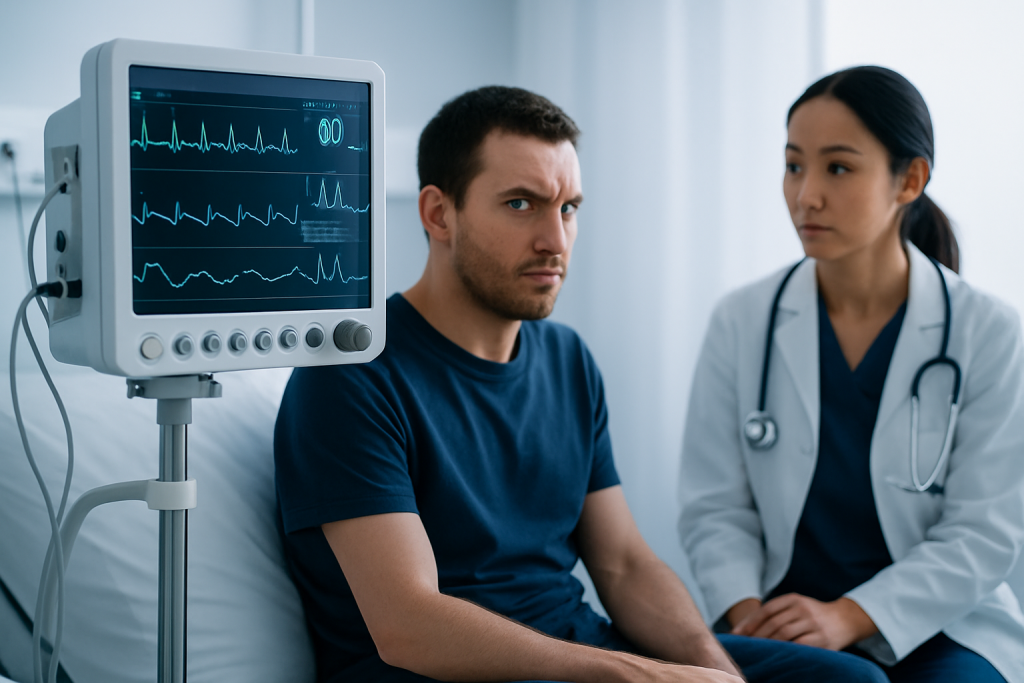
Paranoid thoughts can look different from one person to another. Some people become broadly suspicious of strangers or co-workers, while others focus on one specific fear, such as being watched, criticized, betrayed, or plotted against. The thoughts may feel convincing and hard to dismiss, even when there is little evidence supporting them.
Common signs may include:
- Frequent doubts about other people’s motives
- Feeling watched, talked about, or excluded
- Interpreting neutral comments as hostile
- Reluctance to trust family, friends, or clinicians
- Checking doors, messages, or surroundings repeatedly
- Withdrawing from social contact to feel safer
Sometimes paranoia is accompanied by anxiety, irritability, poor sleep, or difficulty concentrating. In more severe cases, a person may hold fixed false beliefs, hear or see things others do not, or behave in ways that place themselves or others at risk. These changes deserve prompt professional attention, especially if they appear suddenly or worsen quickly.
Causes & Risk Factors
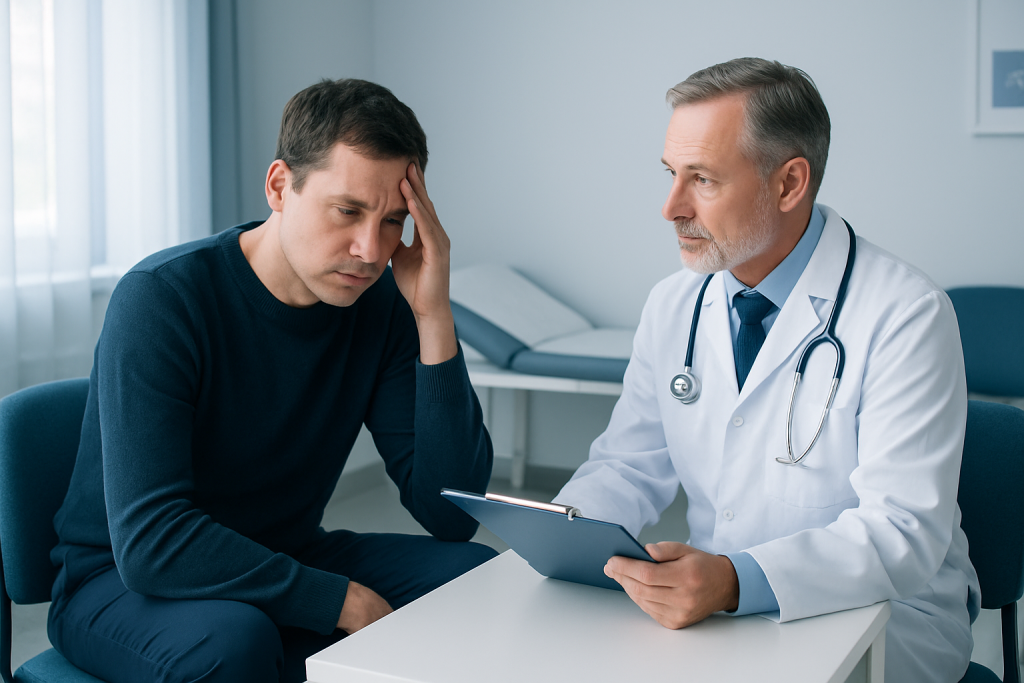
There is no single cause of paranoia. It can arise from a combination of stress, biology, life experiences, and other health conditions. A person under prolonged pressure may become more vigilant and misread ordinary events as threatening, particularly when sleep is poor or life feels uncertain.
Several factors may increase the chance of paranoid thinking:
- High stress, trauma, or abuse history
- Sleep deprivation or severe exhaustion
- Alcohol or recreational drug use, especially stimulants or cannabis in some people
- Mood disorders, anxiety disorders, or psychotic disorders
- Neurocognitive conditions or brain-related illness
- Medical problems that affect thinking, such as infections, thyroid disorders, or medication side effects
Family history and social isolation can also play a role, though they do not determine the outcome. In some people, paranoia appears during a crisis and improves when the underlying trigger is treated. In others, it is part of a longer-term condition that needs coordinated care.
Diagnosis
Evaluating paranoid thoughts begins with listening closely and building trust. Clinicians usually ask when the symptoms started, what the person believes is happening, whether there were any recent stressors or substance exposures, and how the thoughts are affecting daily life. They may also ask about sleep, mood, memory, and any hallucinations or disorganized thinking.
A careful medical and psychiatric history is essential because paranoia can be linked to conditions beyond mental illness. Depending on the situation, a clinician may recommend physical examination, blood tests, medication review, toxicology screening, or brain imaging to look for contributing causes. The goal is not to label the person quickly, but to understand the full picture safely and respectfully.
When someone is traveling for care, diagnosis may happen in stages. An initial assessment can guide immediate support, while follow-up planning helps ensure continuity after discharge or return home. Written summaries, medication lists, and a clear follow-up plan are especially useful when care crosses borders.
Treatment Options
Treatment depends on what is driving the paranoia and how intense the symptoms are. If a substance, medication, sleep problem, or medical illness is contributing, addressing that cause may reduce the paranoid thinking. When paranoia is part of a mental health condition, treatment often combines therapy, medication, and practical support.
Possible treatment approaches include:
- Psychotherapy: Approaches such as cognitive behavioral therapy may help a person test fears, reduce distress, and build coping skills.
- Medication: Clinicians may prescribe medicines when symptoms are severe, persistent, or part of a psychotic or mood disorder.
- Sleep and stress support: Improving rest, routine, and stress management can make symptoms easier to manage.
- Substance-use treatment: If alcohol or drugs are involved, reducing or stopping use is often important for recovery.
- Family or social support: Involving trusted relatives or caregivers may improve safety and adherence to care.
People should not stop prescribed treatment abruptly without medical advice, even if they feel better. If paranoia is causing agitation, fear, or inability to function, a clinician may recommend a higher level of care for observation and stabilization. Treatment plans are most effective when they are individualized and revised as symptoms change.
Prevention & Self-care
Not every episode of suspiciousness can be prevented, but several habits can reduce triggers and support stability. A consistent sleep schedule, regular meals, hydration, and limited alcohol or drug use can make the mind less vulnerable to stress-related misinterpretation. Predictable routines are especially helpful when someone is recovering after illness, travel, or major disruption.
Self-care strategies may include:
- Keeping a steady sleep routine
- Reducing stimulants and avoiding recreational drugs
- Practicing grounding techniques during spikes of anxiety
- Writing down situations that seem triggering to review later with a clinician
- Staying connected to trusted people rather than isolating completely
It can also help to avoid arguing forcefully about beliefs that feel real to the person. Calm, nonjudgmental conversations often work better than confrontation. If care is being coordinated internationally, having a simple plan for medication supply, emergency contacts, and follow-up appointments can reduce uncertainty and support recovery.
When to See a Doctor
Medical or psychiatric evaluation is advisable when suspiciousness is frequent, long-lasting, or interfering with everyday life. A doctor should also be contacted if the person is sleeping very little, becoming more isolated, using substances heavily, or seeming unable to distinguish fear from reality. Early assessment can prevent symptoms from escalating and can uncover treatable causes.
Urgent help is needed if paranoid thoughts are linked to self-harm, harm to others, severe agitation, confusion, hallucinations, or sudden behavioral change. These situations require prompt professional attention rather than waiting for symptoms to settle on their own.
If a person is seeking treatment abroad, a specialist team can help coordinate diagnosis, treatment, and safe return home with a follow-up plan. Acibadem Health Point’s multidisciplinary specialists and JCI-accredited hospitals support international patients who need assessment and treatment for this condition in a structured, respectful setting.
Living With Paranoia
Living with paranoia can be exhausting, especially when the mind stays on alert even in safe settings. Recovery is often easier when the person feels understood rather than challenged. Small, steady changes in sleep, routine, and support can make a meaningful difference over time.
Progress may come in steps. Some people notice fewer suspicious thoughts after a sleep reset, therapy sessions, medication adjustments, or treatment of an underlying illness. Others need longer-term follow-up to keep symptoms manageable and to rebuild confidence in relationships, work, and daily activities.
For patients who must manage care across countries, it is useful to leave with a clear plan for warning signs, medication continuity, and whom to contact if symptoms return. A well-organized handoff can be as important as the treatment itself.
Frequently asked questions
01What does paranoid meaning usually refer to?
It usually refers to a strong feeling of mistrust or fear that others may be trying to harm, deceive, or watch a person. In medical settings, the term may describe a symptom rather than a diagnosis. The key issue is whether the thoughts are persistent, distressing, and affecting life.
02Is paranoia always a sign of mental illness?
No. Paranoia can appear during stress, sleep loss, trauma, substance use, or a medical problem. When it is frequent, intense, or long-lasting, a clinician should evaluate it to look for an underlying cause.
03How do doctors check for paranoid thoughts?
They usually start with a careful conversation about symptoms, timing, stressors, sleep, substance use, and overall health. Depending on the situation, they may also recommend a physical exam, lab tests, or other studies to rule out medical causes.
04Can paranoia get better with treatment?
Yes, many people improve with the right combination of therapy, medication when appropriate, better sleep, and treatment of any underlying condition. The treatment plan depends on what is causing the symptoms and how severe they are.
05How should family members respond?
It helps to stay calm, listen without judgment, and avoid arguing directly about the belief. Encouraging professional evaluation is often more helpful than trying to force reassurance. If there is any risk of harm, urgent medical help is needed.
06When is paranoia an emergency?
It becomes urgent if there is danger of self-harm, harm to others, severe confusion, hallucinations, or a sudden major change in behavior. In those cases, immediate professional assessment is the safest step.
This article is for general information only and is not a substitute for professional medical advice. Please consult a qualified doctor about your individual situation.
Explore treatments in Turkey — costs, top hospitals & a free quote
JCI-accredited · board-certified surgeons · reply within 24h
Add us as a Preferred Source to see more of our trusted health content across Google Search, AI Overviews and Discover.



How can we help you today?
Meet an Acibadem specialist by secure video, before you travel.
Book a video visit