

Pan Retinal Photocoagulation Laser: Procedure, Benefits, Risks and Recovery

Key Takeaways
- Pan retinal photocoagulation laser, often called PRP, is used to slow or stop vision-threatening abnormal vessel growth in the retina.
- It does not usually restore vision already lost, but it can help preserve remaining sight and lower the risk of severe complications.
- The procedure is typically done in an eye clinic with numbing drops and may require more than one session.
- Temporary blurriness, light sensitivity, and mild discomfort are common after treatment.
- Good diabetes control, regular eye exams, and follow-up visits are important after laser treatment.
- People with sudden vision loss, flashes, a curtain-like shadow, or severe pain should seek urgent eye care.
Pan retinal photocoagulation laser is a retinal laser treatment used most often for proliferative diabetic retinopathy and other conditions with abnormal blood vessel growth in the eye. It helps protect vision by reducing the eye’s drive to form fragile new vessels, but it is usually part of a longer care plan that includes close follow-up and management of diabetes or other underlying disease.
Overview
Pan retinal photocoagulation laser is a treatment that uses focused laser spots on the peripheral retina to reduce the eye’s signal for growing abnormal blood vessels. It is most commonly used for proliferative diabetic retinopathy, a stage of diabetic eye disease in which fragile new vessels can bleed or cause scarring that threatens vision.
In practical terms, the treatment is meant to protect sight rather than sharpen it immediately. That distinction matters for patients making decisions about care, including those arranging treatment from another country: PRP is often a step in a larger plan that may also include retina follow-up, diabetes management, and sometimes additional procedures such as injections or surgery.
The word “photocoagulation” simply means using light energy to create tiny burns in targeted areas of the retina. Those treatment spots are placed carefully so the central, detail-seeing part of the retina is preserved as much as possible while the outer retina is used to lessen the eye’s demand for new vessel growth.
Symptoms and When It Is Considered
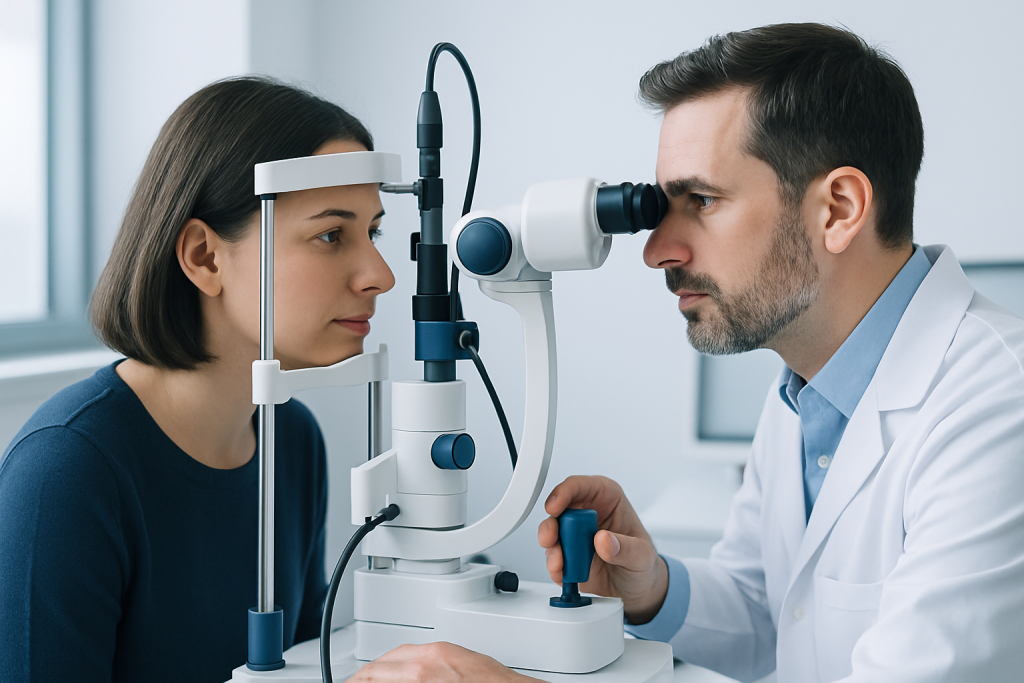
PRP is not usually chosen because a person feels a laser-related symptom. Instead, it is recommended after an eye examination shows retinal changes that can lead to bleeding, scar tissue, or traction on the retina. Many people with diabetic retinopathy notice no symptoms in the earlier stages, which is why routine dilated eye exams are so important.
When symptoms do appear, they may include blurred vision, floaters, dark spots, reduced contrast, or episodes of vision fluctuation. More urgent warning signs include a sudden shower of floaters, flashes of light, a curtain-like shadow, or a sudden drop in vision, all of which warrant prompt evaluation by an eye specialist.
Doctors may also consider PRP in some cases of retinal vein occlusion or other conditions where abnormal vessel growth is affecting the retina. The decision depends on the cause of the disease, the appearance of the retina, and whether the patient is likely to benefit from laser treatment now rather than later.
Causes and Risk Factors

Pan retinal photocoagulation laser is not a cause of eye disease; it is a response to retinal disease. The most common reason for needing it is proliferative diabetic retinopathy, which develops when long-term high blood sugar damages the retinal blood vessels and reduces oxygen delivery to the tissue.
Other factors that increase the likelihood of needing PRP include longer duration of diabetes, poor blood sugar control, high blood pressure, kidney disease, pregnancy in some patients with diabetic retinopathy, and delayed access to routine eye screening. Smoking and elevated cholesterol can also contribute to the progression of vascular disease in the retina.
For international patients, it can help to bring prior eye records, diabetes history, medication lists, and imaging results when seeking a second opinion or arranging treatment abroad. That background helps the retina team decide whether laser, injections, surgery, or a combination approach is most appropriate.
Diagnosis Before Treatment
Before PRP, an ophthalmologist or retina specialist performs a detailed eye examination with dilated pupils. This usually includes checking visual acuity, measuring eye pressure, and closely examining the retina for signs of abnormal vessel growth, bleeding, swelling, or scar tissue.
Imaging tests may be used to guide the decision. Fluorescein angiography can show areas of poor blood flow or leakage, and optical coherence tomography can help assess retinal swelling or macular involvement. Not every patient needs every test, but together they help the specialist understand how advanced the disease is.
The doctor also looks at the broader picture, including diabetes control, recent changes in vision, and whether the patient has had prior laser or injection treatment. This is important because PRP is often timed to prevent future problems rather than to treat an emergency that has already caused major damage.
Treatment Options and the Procedure
Pan retinal photocoagulation laser is usually performed in an outpatient setting. Numbing eye drops are placed first, and a contact lens may be used to steady the eye and focus the laser. The patient remains awake, and the procedure is generally completed while sitting at the laser machine.
The specialist applies many tiny laser burns to the peripheral retina over one or more sessions. Because the eye can become sensitive during treatment, the procedure may be divided into visits to improve comfort and reduce the chance of excessive inflammation. Patients may notice bright flashes of light and hear brief pauses while the doctor adjusts the laser pattern.
PRP is one treatment among several. In some situations, anti-VEGF injections are used before or alongside laser therapy, especially if macular swelling or active bleeding is present. If there is severe bleeding into the vitreous or traction from scar tissue, surgery such as vitrectomy may be discussed.
- Outpatient laser treatment with numbing drops
- One or more sessions depending on the eye’s condition
- Possible combination with injections or surgery
- Ongoing monitoring after treatment
Benefits and Limitations
The main benefit of pan retinal photocoagulation laser is that it can lower the risk of serious vision loss from proliferative diabetic retinopathy. By reducing the retina’s need for new blood vessel growth, the treatment helps prevent bleeding, scar formation, and retinal detachment in many patients.
Another practical benefit is that PRP has a long track record and is widely used by retina specialists. For patients traveling for care, this matters because it is a well-established treatment that can be planned in a structured way, with follow-up organized around healing and disease monitoring.
At the same time, PRP has limits. It does not usually reverse existing damage, and some people notice mild side effects such as reduced peripheral vision, dim night vision, or temporary blur. The goal is often to preserve useful vision and reduce the chance of more dangerous complications later.
Recovery, Self-care, and Follow-up
Recovery after PRP is usually straightforward, but the eyes may feel light-sensitive or mildly irritated for a short time. Vision can be blurry on the day of treatment, and some patients need a short period to adjust before returning to routine activities.
Doctors commonly advise resting the eyes after treatment, using prescribed drops if recommended, and avoiding driving until vision is clear and comfortable. If the patient has been treated in another country, arranging the follow-up schedule before traveling home is especially helpful, since the retina specialist may want to recheck the eye within a defined period and adjust the plan if needed.
Good self-care also includes managing the underlying condition. Stable blood sugar, blood pressure, and cholesterol support retinal health, while regular eye exams help detect whether the disease is quieting down or whether additional treatment is needed. A patient who has had PRP should keep all follow-up appointments even if the eye feels normal.
Risks, Side Effects, and When to See a Doctor
Most people tolerate PRP well, but like any eye procedure it can have side effects. Common short-term effects include discomfort, tearing, headache, blurred vision, and light sensitivity. Some patients notice a decrease in peripheral or night vision, which is why the treatment is carefully planned and tailored to the individual eye.
Less common but important complications can include retinal swelling, bleeding, inflammation, or a temporary increase in eye pressure. The specialist may discuss these risks before treatment, especially if the retina is already fragile or if the patient has had previous laser or injection therapy.
Urgent medical review is recommended if the patient experiences severe or worsening pain, sudden vision loss, new flashes, a large increase in floaters, or a dark curtain over part of the vision. These symptoms are not expected after routine recovery and should be assessed quickly by an eye doctor.
Frequently asked questions
01What is pan retinal photocoagulation laser used for?
It is mainly used to treat proliferative diabetic retinopathy, where abnormal blood vessels grow on the retina and can cause bleeding or scarring. In some cases, it is also used for other retinal diseases with similar vessel growth. The goal is to lower the risk of severe vision loss.
02Does PRP laser restore vision?
PRP usually does not bring back vision that has already been lost. Its main purpose is to protect remaining sight and reduce the chance of future complications. Some people may notice more stable vision after treatment, but results vary.
03Is the procedure painful?
Most patients feel pressure, bright flashes, or a stinging sensation rather than strong pain because numbing drops are used. If the eye is very sensitive, the doctor may split treatment into more than one session. Discomfort usually settles after the procedure.
04How long does recovery take after PRP?
Many people resume normal routines within a day or two, although blurred vision and light sensitivity can last longer. Recovery depends on how extensive the laser treatment was and whether there is active retinal disease. Follow-up visits are an important part of the recovery process.
05Will I need more treatment after PRP?
Possibly. Some patients need additional laser, injections, or surgery depending on how the retina responds. Ongoing eye checks are important because diabetic retinopathy can change over time.
06Can a patient travel after the procedure?
Many patients can travel after PRP once the eye is comfortable and the treating doctor agrees it is safe. It is wise to plan follow-up care before leaving, especially for international patients. Written instructions and a clear return plan can make the transition easier.
07Why is diabetes control still important after laser treatment?
Laser treats the eye, but it does not replace diabetes care. Good blood sugar, blood pressure, and cholesterol control help slow further retinal damage. Regular medical follow-up supports both eye health and overall health.
This article is for general information only and is not a substitute for professional medical advice. Please consult a qualified doctor about your individual situation.
Explore treatments in Turkey — costs, top hospitals & a free quote
JCI-accredited · board-certified surgeons · reply within 24h
Add us as a Preferred Source to see more of our trusted health content across Google Search, AI Overviews and Discover.


