Pain Underneath the Ribs: Causes, Relief and When to Worry

Key Takeaways
- Pain underneath the ribs may come from the stomach, gallbladder, intestines, muscles, lungs, or the rib cage itself.
- The side of the pain and the symptoms that come with it can help narrow down the cause.
- Some cases improve with rest, hydration, and gentle self-care, but persistent or severe pain deserves medical assessment.
- Emergency care is important if rib-area pain occurs with chest pressure, trouble breathing, fainting, vomiting blood, or a rigid abdomen.
- A doctor may use examination, blood tests, urine tests, or imaging to find the source of the pain.
Pain underneath the ribs is often linked to the digestive system, but it can also come from the muscles, lungs, gallbladder, or other nearby structures. The best next step depends on where the pain is, what it feels like, and whether it comes with warning signs such as fever, shortness of breath, vomiting, or chest discomfort.
Overview
Pain underneath the ribs is a symptom, not a diagnosis. It may feel sharp, dull, burning, tight, or cramp-like, and it can appear on the left, right, or both sides. In many people, the cause is relatively straightforward, such as indigestion, muscle strain, or trapped gas; in others, it can point to an issue in the gallbladder, stomach, pancreas, lungs, or kidneys.
The location matters. Pain under the right ribs more often raises questions about the gallbladder, liver, or right kidney, while pain under the left ribs may be related to the stomach, spleen, colon, or left-sided muscle strain. Pain in the center beneath the ribs often involves the upper digestive tract, though heart or lung conditions can sometimes be felt there as well.
For international patients deciding whether to travel for care, the practical question is not only “what is it?” but “how urgent is it?” Pain that is mild, brief, and tied to a clear trigger may be monitored at home for a short time. Pain that is severe, recurrent, unexplained, or linked to other symptoms should be evaluated by a qualified clinician.
Symptoms
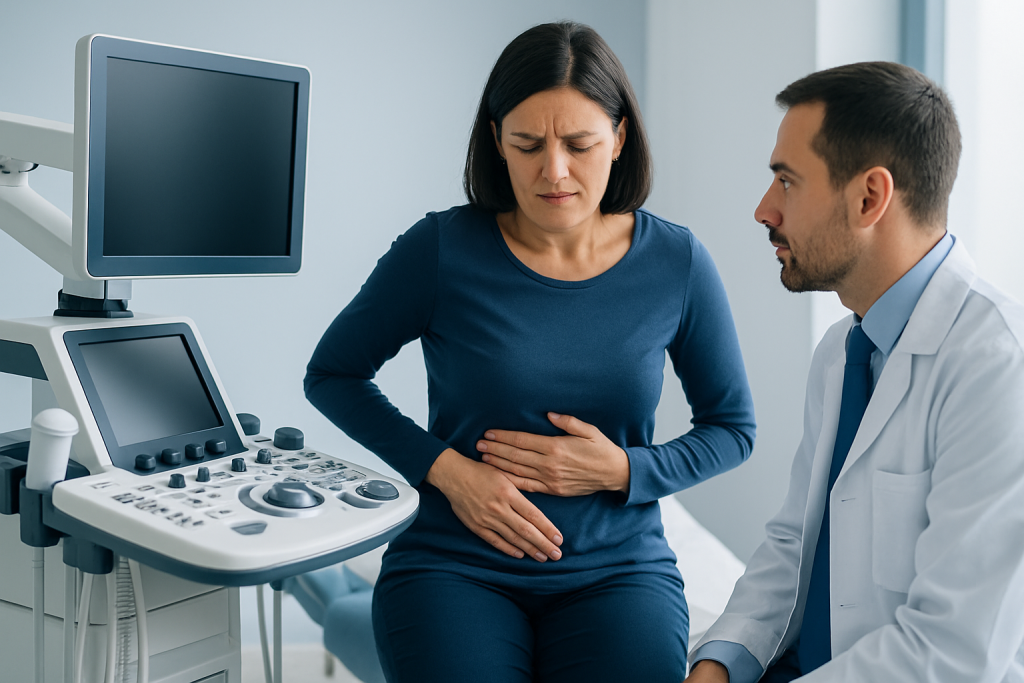
People describe pain underneath the ribs in very different ways. Some notice a steady ache after eating, while others feel stabbing discomfort when they breathe deeply, twist, cough, or lie down. The pattern can provide useful clues, but it does not confirm the cause on its own.
Digestive causes often come with bloating, nausea, heartburn, burping, a sour taste, constipation, diarrhea, or pain that changes after meals or bowel movements. Pain related to the gallbladder may be worse after fatty food and may spread to the back or right shoulder. Stomach irritation may feel like burning in the upper abdomen, especially when the stomach is empty.
Other symptoms deserve special attention because they may suggest a problem beyond the digestive tract:
- Shortness of breath or chest pressure
- Fever or chills
- Vomiting, especially repeated vomiting
- Yellowing of the skin or eyes
- Blood in vomit or black, tarry stools
- Pain after injury or a hard blow to the ribs
Muscle or rib-cage pain is often more noticeable with movement, pressing on the area, or taking a deep breath. By contrast, pain from organs may be less affected by touch and may come with broader symptoms such as digestive upset or fatigue.
Causes & Risk Factors

Because many structures sit close together beneath the ribs, pain can start in one system and be felt in another. Digestive causes are common, especially when the pain is linked to meals, bloating, nausea, or acid reflux. Gallbladder problems, gastritis, ulcers, constipation, and gas trapping are all possible explanations.
Musculoskeletal causes are also frequent. Strained abdominal or intercostal muscles, costochondritis, or irritation of the rib joints can cause localized pain that worsens with movement, lifting, coughing, or deep breathing. These issues are more likely after exercise, repetitive motion, awkward lifting, or an accidental bump to the area.
Risk factors vary by cause but may include:
- Large, fatty, or irregular meals
- Long-term use of certain pain relievers
- Heavy lifting, sports, or repetitive physical work
- Smoking, excess alcohol use, or known digestive disease
- Recent respiratory infection with coughing
- History of gallstones, ulcers, kidney stones, or injuries
Less commonly, pain underneath the ribs may come from the lungs, heart, spleen, or kidneys. That is why a careful history and examination matter: the same “rib pain” complaint can lead to very different diagnoses.
Diagnosis
Diagnosis begins with a conversation about where the pain is, how it started, what makes it better or worse, and whether there are associated symptoms. A clinician may ask about meals, bowel habits, recent strain or injury, fever, cough, medications, alcohol use, and any past digestive or gallbladder problems.
A physical examination helps determine whether the pain seems to come from the ribs and muscles or from the abdomen and internal organs. Gentle pressing on the area, checking breathing effort, and examining the abdomen can offer important clues. If the patient is traveling from another country, it is helpful to bring prior test results, medication lists, and imaging reports if available.
Depending on the suspected cause, tests may include:
- Blood tests to check inflammation, liver function, pancreatic enzymes, or infection
- Urine tests to look for kidney-related causes
- Ultrasound to assess the gallbladder, liver, or kidneys
- X-ray, CT, or other imaging when needed
- Sometimes endoscopy if stomach or ulcer symptoms are prominent
Testing is chosen selectively. Not every person with pain underneath the ribs needs a full scan; the goal is to match the investigation to the story the body is telling.
Treatment Options
Treatment depends entirely on the cause. For indigestion, gas, or mild stomach irritation, a doctor may recommend temporary dietary changes, hydration, and an acid-reducing or symptom-relieving approach. For gallbladder disease, treatment can range from observation in selected cases to surgical management if symptoms are recurrent or complications develop.
Muscle strain or rib-cage irritation often improves with rest, avoiding the triggering activity, and supportive self-care. If the pain is related to a cough or recent viral illness, managing the underlying cough and protecting the area from repeated strain may help. When an infection is present, treatment is directed at the specific diagnosis rather than the pain alone.
Self-treatment should stay conservative unless a clinician has identified the cause. In general, it is safer to avoid heavy meals, alcohol, and strenuous activity while the symptom is being assessed. Over-the-counter medicines may help some people, but they are not appropriate for everyone, especially if there is a history of ulcers, kidney disease, liver disease, or use of blood thinners.
For international patients, treatment planning may also include coordination of follow-up care after returning home. That can mean sharing test results clearly, explaining red-flag symptoms, and outlining what should prompt another medical review.
Prevention & Self-care
Not every cause of pain underneath the ribs is preventable, but some practical habits can reduce the chance of recurrence. Eating smaller meals, staying hydrated, and noticing whether fatty or very large meals trigger discomfort can be helpful when digestive causes are suspected. A symptom diary can make patterns easier to spot.
If the pain appears related to muscle strain, pacing physical activity, improving lifting technique, and warming up before exercise may reduce flare-ups. For people who cough often, controlling the cough and supporting the chest wall during episodes can sometimes ease strain. Good posture may also help when discomfort comes from the rib and upper back muscles.
Useful self-care measures often include:
- Resting from activities that clearly worsen the pain
- Choosing lighter meals if symptoms follow eating
- Drinking enough fluids, especially if constipation is present
- Using gentle heat for suspected muscular discomfort
- Seeking medical advice before starting new medicines
Self-care should never delay urgent evaluation when warning signs are present. The goal is to support comfort while the underlying cause is being clarified, not to mask an important problem.
When to See a Doctor
Medical evaluation is sensible if pain underneath the ribs lasts more than a few days, keeps returning, or interferes with eating, breathing, sleep, or activity. It is especially important if the pain is new, unexplained, or different from a person’s usual heartburn or muscle soreness.
Prompt care is needed when rib-area pain occurs with fever, vomiting, jaundice, chest pressure, shortness of breath, fainting, black stools, vomiting blood, or a hard, swollen abdomen. Pain after an injury also deserves attention, particularly if breathing is painful or the area is very tender.
If the cause is uncertain, seeing a doctor sooner rather than later can prevent unnecessary worry and help avoid delays in treatment. In Acibadem Health Point’s multidisciplinary setting, specialists and JCI-accredited hospitals work together to diagnose and treat this condition for international patients in a coordinated way.
Most importantly, persistent pain underneath the ribs should be taken seriously enough to assess, but not assumed to be dangerous. Many causes are treatable, and getting the right diagnosis is often the fastest route to relief.
Frequently asked questions
01Is pain underneath the ribs usually digestive?
It can be, but not always. Stomach, gallbladder, and bowel problems are common causes, yet muscle strain, rib irritation, lung issues, and sometimes kidney problems can feel similar.
02What does right-sided pain under the ribs suggest?
Right-sided pain is often checked for gallbladder, liver, or right kidney causes, especially if it is related to meals or comes with nausea or fever. A clinician uses symptoms and examination to narrow it down.
03What does left-sided pain under the ribs mean?
Left-sided pain may come from the stomach, colon, spleen, or the muscles and ribs on that side. If it is sharp with breathing or movement, a chest wall cause becomes more likely, but evaluation is still important if it persists.
04Can gas cause pain underneath the ribs?
Yes, trapped gas can create pressure or cramping that is felt under the ribs, especially after eating. If the pain is severe, recurrent, or comes with other symptoms, it should not be assumed to be gas without medical review.
05How can a person tell if the pain is muscular?
Muscular pain often worsens with twisting, lifting, pressing on the area, coughing, or taking a deep breath. It may also follow exercise, awkward movement, or a minor injury.
06When is pain underneath the ribs an emergency?
Emergency care is appropriate if the pain comes with trouble breathing, chest pressure, fainting, vomiting blood, black stools, a rigid abdomen, or severe pain after injury. These features may point to a more serious condition that needs immediate assessment.
This article is for general information only and is not a substitute for professional medical advice. Please consult a qualified doctor about your individual situation.
Persistent digestive symptoms? Get evaluated in Turkey
JCI-accredited · board-certified surgeons · reply within 24h
Add us as a Preferred Source to see more of our trusted health content across Google Search, AI Overviews and Discover.