Pain on the Left Side Ribs: Causes, Relief and When to Worry

Key Takeaways
- Pain on the left side ribs is often caused by muscle strain, posture-related irritation, or digestive issues, but it can also reflect heart, lung, or spleen problems.
- The exact location and quality of the pain — sharp, dull, burning, worse with movement, or linked to meals — can help narrow the cause.
- Seek urgent care if rib pain comes with chest pressure, trouble breathing, fainting, vomiting blood, black stools, or pain after a significant injury.
- Simple measures such as rest, heat or ice, and avoiding triggers may help mild cases, but persistent or unexplained pain should be assessed by a doctor.
- Diagnosis may involve a physical exam and, depending on the symptoms, tests such as blood work, imaging, or heart and lung evaluation.
Pain on the left side ribs can have many causes, from a pulled muscle or digestive irritation to problems that need urgent medical attention. The right next step depends on the pain pattern, any recent injury, and whether there are symptoms such as shortness of breath, fever, or upper abdominal discomfort.
Overview
Pain on the left side ribs is a symptom, not a diagnosis. It may start suddenly after lifting, twisting, coughing, or exercise, or it may appear more gradually as a burning, aching, or pressure-like discomfort that seems to sit under the ribs.
Because the left rib area covers muscles, the lower chest, upper abdomen, and organs such as the stomach, spleen, and part of the colon, the source is not always obvious. Some causes are minor and improve with self-care, while others need medical evaluation to protect breathing, digestion, or circulation.
For someone deciding whether to travel for care, it helps to think in terms of pattern: pain linked to movement often points to the chest wall, pain related to meals or bloating may suggest a digestive cause, and pain with shortness of breath, sweating, or lightheadedness deserves prompt attention. A careful history and exam usually provide the clearest path forward.
Symptoms
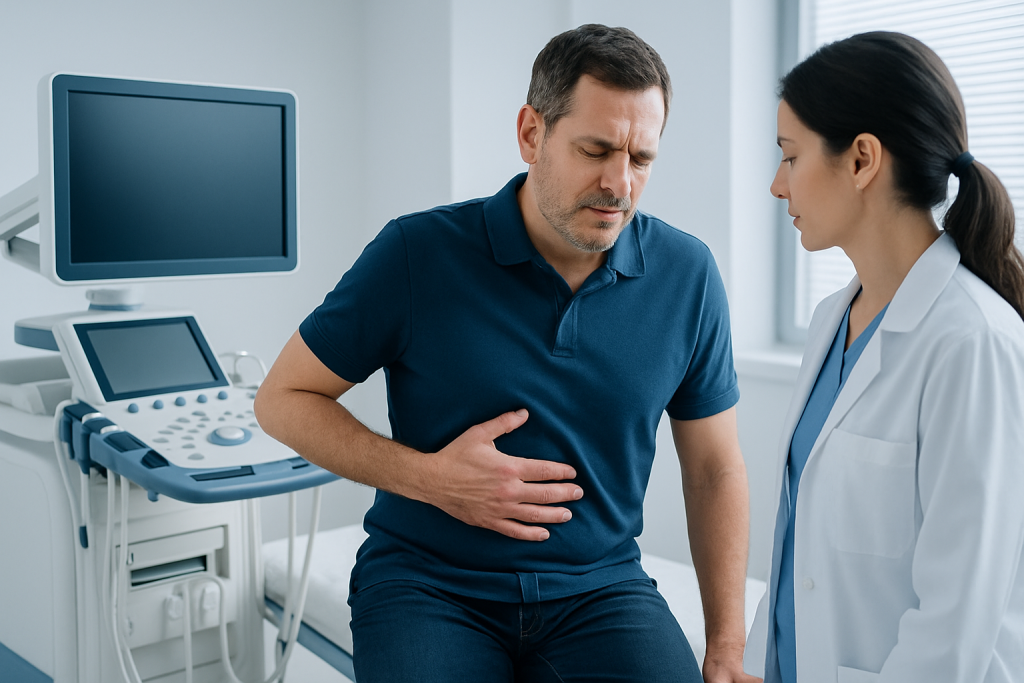
Left rib pain can feel different depending on what is causing it. Some people describe a sharp sting when they take a deep breath, cough, or turn the torso. Others notice a dull soreness that becomes more obvious when pressing on the area or lying on one side.
Digestive causes may bring a fuller set of symptoms, such as bloating, heartburn, nausea, burping, or pain that changes after eating. When the discomfort comes from the chest wall, it is often reproducible with touch or movement, while deeper internal pain may feel less localized and may come with other body-wide symptoms.
- Sharp pain with movement or breathing
- Localized tenderness when the ribs are pressed
- Burning or gnawing discomfort after meals
- Shortness of breath, cough, or fever
- Nausea, reflux, bloating, or abdominal pain
New pain after a fall, sports injury, or prolonged coughing spell should also be noted, especially if bruising or difficulty breathing appears. In international patients, keeping a simple symptom diary before the appointment can make a remote review or first consultation much more efficient.
Causes & Risk Factors

The most common explanation is a musculoskeletal issue. Intercostal muscle strain, inflammation where the ribs meet cartilage, or minor rib irritation can develop after exercise, heavy lifting, repetitive reaching, or even a strong cough. Poor posture and prolonged sitting may also make the rib cage and upper back feel tight and painful.
Digestive causes are also frequent in the left rib region. Gas trapped in the upper colon, acid reflux, gastritis, stomach ulcers, or inflammation of the pancreas can create upper abdominal discomfort that is felt beneath the left ribs. In some cases, an enlarged spleen, pleurisy, pneumonia, kidney stones, or a heart problem may cause pain in or near this area.
Risk is higher when a person has recently been injured, has a persistent cough, has a history of reflux or ulcer disease, or experiences pain during exercise or at rest together with other symptoms. Certain conditions, such as blood-clotting problems, infection, or inflammatory disorders, can also raise concern and should be reviewed by a clinician.
Diagnosis
Diagnosis begins with a detailed discussion of when the pain started, what makes it better or worse, and whether there was an injury, meal trigger, fever, cough, or breathing change. A doctor will usually examine the ribs, chest wall, lungs, heart, and upper abdomen to see whether the pain can be recreated by touch or movement.
Depending on the story, testing may be limited or more extensive. A chest X-ray, ECG, blood tests, ultrasound, or CT scan may be considered if a doctor needs to evaluate the heart, lungs, spleen, pancreas, or nearby structures. If digestive symptoms are prominent, evaluation for reflux, gastritis, or other gastrointestinal conditions may be appropriate.
For patients traveling from another country, bringing any prior imaging, medication list, allergy information, and a short timeline of symptoms can help the medical team avoid repeating unnecessary tests. The goal is not to order everything, but to choose the most relevant studies based on the pattern of pain and the presence of any warning signs.
Treatment Options
Treatment depends entirely on the cause. A muscle strain or rib irritation often improves with rest, gentle movement, heat or ice, and temporary avoidance of the activity that triggered it. A doctor may recommend pain relief strategies that are appropriate for the person’s health profile, especially if stomach irritation or kidney concerns are present.
When the source is digestive, treatment may focus on reducing reflux, calming stomach inflammation, treating constipation or gas, or addressing an ulcer or pancreatic problem if one is found. If infection, lung inflammation, or a spleen-related issue is involved, more specific medical treatment may be required. Heart-related chest pain should always be treated as urgent until a clinician rules it out.
Sometimes the most important treatment is identifying that the pain is coming from the chest wall rather than a deeper organ. That distinction can spare unnecessary worry and guide safer recovery. In more complex cases, multidisciplinary specialists and JCI-accredited hospitals, such as those at Acibadem Health Point, can evaluate and treat the condition for international patients in one coordinated pathway.
Prevention & Self-care
Not every cause of left rib pain can be prevented, but a few habits may reduce the likelihood of recurring discomfort. Paying attention to posture, using proper technique during lifting or exercise, and building core and upper-back strength can lower strain on the rib cage and surrounding muscles.
Digestive comfort can also matter. Eating smaller meals, limiting personal reflux triggers, staying hydrated, and avoiding prolonged lying down right after meals may help when symptoms are linked to the stomach or upper abdomen. If constipation or gas is a pattern, regular physical activity and dietary adjustments may be useful.
- Warm up before exercise and cool down afterward
- Use support when coughing fits or chest wall soreness are present
- Track whether symptoms follow certain foods, movement, or stress
- Sleep and sit in positions that do not compress the painful area
- Follow any prescribed treatment for reflux, ulcer disease, or other chronic conditions
For people recovering while staying in a hotel or short-term accommodation abroad, simple routines matter: keep medication schedules consistent, avoid overexertion, and allow time for rest between appointments. Small adjustments often make the recovery period smoother.
When to See a Doctor
A doctor should be consulted if the pain lasts more than a few days, keeps returning, or is interfering with breathing, sleep, eating, or daily activity. Medical review is also wise when the pain is unexplained, occurs without a clear muscle strain, or comes with digestive symptoms that do not settle.
Urgent care is appropriate if left rib pain occurs with chest pressure, shortness of breath, fainting, cold sweats, pain spreading to the arm or jaw, coughing up blood, black stools, vomiting blood, or a new high fever. Pain after a significant injury, especially if there is severe tenderness or trouble taking a full breath, should also be assessed promptly.
Because left-sided rib discomfort spans several body systems, it is better to let a clinician sort out the cause than to assume it is “just a muscle” or “just gas.” Early assessment can be especially helpful for travelers who need a clear diagnosis and a practical plan before returning home.
Frequently asked questions
01What is the most common cause of pain on the left side ribs?
Muscle strain or irritation of the chest wall is a very common cause, especially after lifting, twisting, coughing, or exercise. The pain is often worse with movement or when the area is pressed. Digestive issues such as gas or reflux can also cause discomfort in this region.
02How can someone tell if left rib pain is from the heart or the ribs?
Pain from the ribs is more likely to be reproducible with touch or body movement. Heart-related pain is more concerning when it feels like pressure or tightness and comes with shortness of breath, sweating, nausea, or pain spreading to the arm or jaw. Because symptoms can overlap, medical assessment is important if there is any doubt.
03Can gas cause pain under the left ribs?
Yes, trapped gas or bloating in the upper colon can create pressure or cramping under the left ribs. It often changes after passing gas, moving around, or having a bowel movement. If the discomfort is severe, persistent, or paired with fever or vomiting, it should be checked by a doctor.
04When is left rib pain an emergency?
It becomes urgent when it appears with breathing difficulty, chest pressure, fainting, sweating, coughing up blood, black stools, or vomiting blood. Severe pain after a fall, car accident, or other injury also needs prompt evaluation. In these situations, the cause may involve the lungs, heart, spleen, or internal bleeding.
05What tests might a doctor order for this symptom?
The test plan depends on the suspected cause. A clinician may use a physical exam, ECG, chest X-ray, blood tests, ultrasound, or CT scan if internal organs, the heart, or the lungs need to be checked.
06Can lifestyle changes help left rib pain?
Yes, if the cause is mild muscle strain or a digestive trigger, rest, posture changes, heat or ice, and avoiding provoking activities may help. Eating habits and reflux management can also reduce symptoms in some people. Persistent or unexplained pain still deserves medical review.
This article is for general information only and is not a substitute for professional medical advice. Please consult a qualified doctor about your individual situation.
Persistent digestive symptoms? Get evaluated in Turkey
JCI-accredited · board-certified surgeons · reply within 24h
Add us as a Preferred Source to see more of our trusted health content across Google Search, AI Overviews and Discover.