Pain in the Lower Back and Pelvis: Causes, Relief and When to Worry

Key Takeaways
- Pain in the lower back and pelvis can start in the spine, muscles, hips, sacroiliac joints, or pelvic organs.
- The exact location, whether the pain is one-sided or central, and what makes it better or worse can help narrow the cause.
- Many cases improve with rest, movement modification, heat, and guided exercises, but persistent or worsening pain needs medical assessment.
- Red-flag symptoms such as fever, unexplained weight loss, leg weakness, numbness, or bladder or bowel changes should be assessed promptly.
- Diagnosis may involve a physical exam and, when needed, urine tests, blood tests, imaging, or specialist referral.
- Traveling for care is possible, but follow-up plans should be clear before leaving home so recovery remains safe and coordinated.
Pain in the lower back and pelvis is a broad symptom, not a diagnosis. It can arise from muscles, joints, spine nerves, or pelvic organs, and the right next step depends on the pattern, timing, and any associated symptoms.
Overview
Pain in the lower back and pelvis is one of those symptoms that can feel vague at first and then become surprisingly disruptive. It may be felt across the lower spine, deep in the pelvis, into one hip, or around the groin, and it can come from something as simple as a strained muscle or as specific as a joint, nerve, urinary, digestive, or gynecologic problem.
For many people, the most useful first step is not trying to name the diagnosis immediately, but noticing the pattern. Is the pain sharp or dull, constant or occasional, centered or one-sided, related to movement, urination, bowel movements, periods, or pregnancy? Those details often guide the clinician more effectively than the word “back pain” alone.
This article explains the common causes of lower back and pelvic pain, how doctors sort through them, what home care may help, and which symptoms should not be ignored. It is written to support informed decisions, including for people who may be considering evaluation or treatment while traveling for medical care.
Symptoms
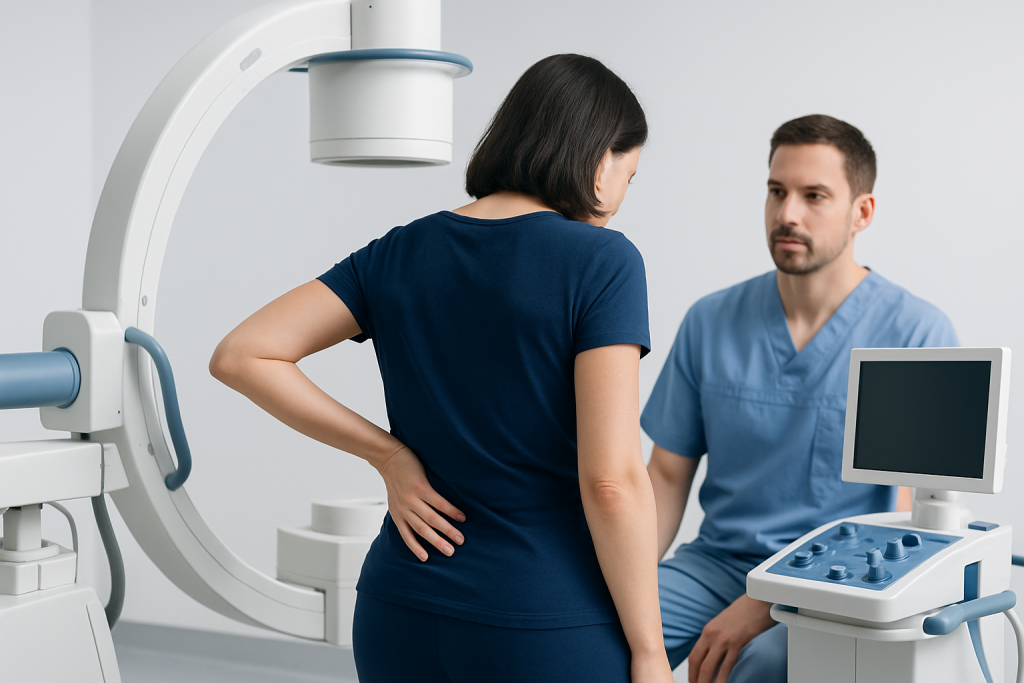
The symptom can present in many ways. Some people describe a deep ache across the beltline, others notice pain low in the pelvis that radiates to the lower back, and some feel both at once. The pain may worsen with standing, walking, bending, sitting for long periods, coughing, lifting, or certain movements of the hips.
Associated symptoms can offer important clues. Pain that spreads down the leg may suggest nerve involvement. Pain with fever, chills, nausea, urinary burning, vaginal bleeding, or blood in the urine can point to an internal cause rather than a simple strain. In women, the timing of symptoms in relation to the menstrual cycle can also be informative.
Common patterns include:
- Muscle strain: local soreness, stiffness, and pain that changes with position
- Sacroiliac or hip-related pain: pain near one side of the lower back, buttock, or pelvis
- Nerve-related pain: burning, shooting, tingling, or numbness
- Pelvic organ-related pain: pain with urination, bowel movements, sexual activity, or menstruation
Because the same person can have more than one cause at the same time, the symptom pattern is best interpreted as a clue, not a final answer.
Causes & Risk Factors
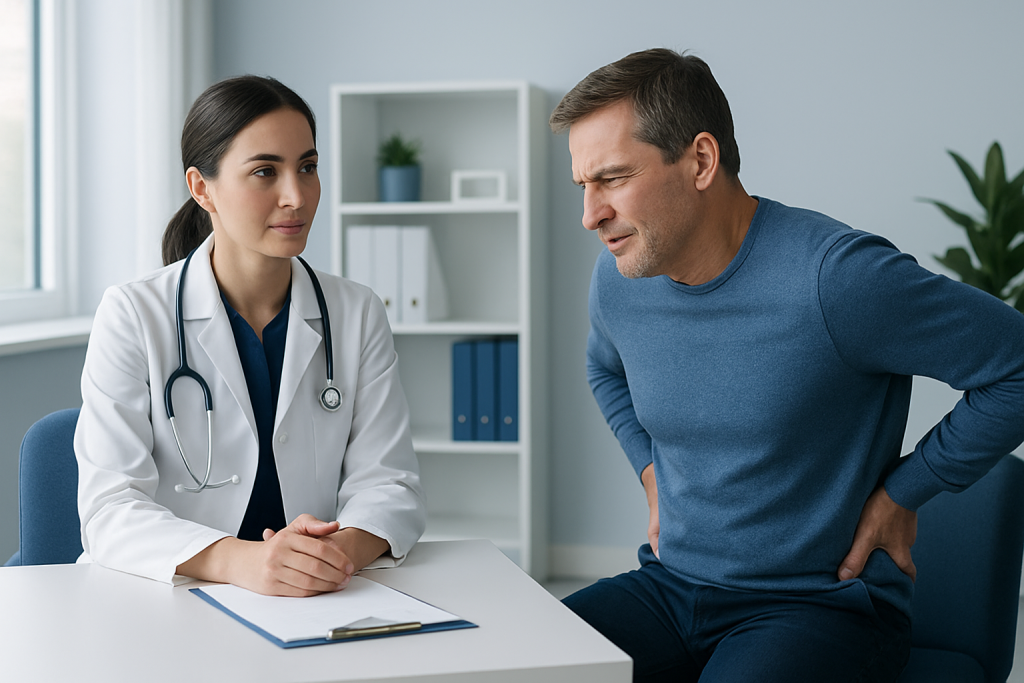
The most common causes are mechanical. These include muscle or ligament strain, poor lifting technique, prolonged sitting, overuse during exercise, disc problems in the spine, and irritation of the sacroiliac joints, which connect the spine to the pelvis. Hip problems can also be felt in the lower back or groin.
Other causes come from structures inside the pelvis. In women, possibilities include menstrual cramps, endometriosis, ovarian cysts, pelvic inflammatory disease, fibroids, pregnancy-related changes, and pain related to the pelvic floor muscles. In men, causes may include prostatitis or pain referred from the urinary tract. In both sexes, kidney stones, urinary infections, constipation, inflammatory bowel disease, and hernias can produce pain in this region.
Risk increases with heavy physical work, sudden increases in activity, weak core and pelvic muscles, obesity, smoking, poor sleep, stress, prior back injury, pregnancy, and certain inflammatory or degenerative conditions. Age also matters, but lower back and pelvic pain can affect adults at any stage of life.
Some causes are more likely when the pain is linked to one particular action or body system. For example, pain that worsens with urination may suggest a urinary problem, while pain that flares with movement or after a long drive may be more musculoskeletal. That distinction often helps clinicians choose the right tests without overtesting.
Diagnosis
Diagnosis usually begins with a careful history and physical examination. A clinician may ask exactly where the pain is felt, whether it travels, how long it has been present, what brings it on, and whether there are symptoms such as fever, urinary changes, bowel changes, numbness, or menstrual irregularity. The exam may include checking posture, range of motion, abdominal tenderness, pelvic tenderness, reflexes, and strength.
Not every person needs imaging. If the story sounds like a straightforward muscle strain and there are no warning signs, a doctor may recommend conservative care first. When the cause is unclear, or when symptoms suggest a more specific problem, tests can be added. These may include urine tests, pregnancy testing when relevant, blood tests for infection or inflammation, ultrasound, X-ray, CT, or MRI, depending on the suspected source.
Some people may need evaluation by more than one specialist. A woman with persistent pelvic pain may benefit from gynecology review, while nerve symptoms may call for orthopedic, neurology, or rehabilitation assessment. In international-patient settings, it is particularly helpful to arrive with prior test results, a medication list, and a short symptom timeline, so the team can avoid repeating work and move more efficiently toward the right diagnosis.
Treatment Options
Treatment depends on the cause, but the first goal is often to reduce irritation while preserving safe movement. For many musculoskeletal problems, this means short-term activity modification, gentle walking, heat or cold, and exercises that restore mobility and core support. Prolonged bed rest is usually not helpful and can slow recovery.
Doctors may recommend physical therapy or rehabilitation to improve strength, flexibility, posture, hip mechanics, and pelvic stability. If a nerve is involved, treatment may also focus on reducing inflammation and protecting function. If the pain comes from a urinary, digestive, gynecologic, or other internal condition, treatment is directed to that underlying problem rather than to the back alone.
Depending on the diagnosis, options may include:
- Guided exercise and stretching programs
- Heat or cold therapy
- Anti-inflammatory or pain-relieving medicines recommended by a doctor
- Pelvic floor therapy for muscle-related pelvic pain
- Targeted treatment for infections, stones, endometriosis, or other specific conditions
- In selected cases, injections or procedures for joint, nerve, or spine-related pain
For people who travel for medical care, planning matters. If treatment may involve follow-up visits, rehabilitation sessions, or test monitoring, the care team should explain what can be completed before returning home and what should be arranged locally afterward.
Prevention & Self-care
Many episodes of pain in the lower back and pelvis can be reduced by supporting the body’s everyday mechanics. A balanced routine that includes walking, gentle strength work, and mobility exercises is often more protective than avoiding movement altogether. Good lifting habits, ergonomic seating, and regular posture changes can also make a noticeable difference.
Self-care is most useful when it is steady rather than dramatic. People often do better with small adjustments: taking standing breaks during long sitting periods, using a supportive mattress if sleep aggravates symptoms, staying hydrated, and keeping bowel habits regular. If the pain seems related to pelvic floor tension, a clinician may recommend specific therapy rather than unsupervised strengthening.
Practical habits that may help include:
- Warm up before exercise and increase activity gradually
- Avoid twisting while lifting heavy objects
- Use a chair and desk setup that supports the lower back
- Keep track of triggers such as periods, certain foods, or bladder symptoms
- Follow exercise or rehabilitation plans consistently, even after pain eases
Self-care is not a substitute for diagnosis when symptoms are persistent, unusual, or severe, but it can be an important part of recovery and prevention once the cause is understood.
When to See a Doctor
Medical evaluation is important if the pain lasts more than a short period, keeps returning, or interferes with daily life. It is also sensible to seek assessment if the pain is getting worse instead of better, or if it is accompanied by symptoms that suggest an infection, nerve problem, or pelvic organ issue.
Prompt medical attention is especially important for back and pelvic pain with any of the following: fever, unexplained weight loss, severe abdominal pain, blood in the urine, new leg weakness, numbness around the groin or buttocks, loss of bladder or bowel control, fainting, or pain after major injury. These symptoms do not always indicate a serious condition, but they do deserve timely evaluation.
Women should seek care for severe pelvic pain, unusual bleeding, or pain with possible pregnancy. Men should not ignore pain with urinary symptoms, swelling, or testicular discomfort. If the pain is interfering with travel plans, work, sleep, or movement, that alone is reason enough to speak with a clinician and get a clear plan.
Acibadem Health Point’s multidisciplinary specialists and JCI-accredited hospitals diagnose and treat lower back and pelvic pain for international patients, with coordinated evaluation when several possible causes need to be sorted out.
Living With Ongoing Pain
When pain becomes recurrent, the focus shifts from short-term relief to better understanding the pattern and reducing flare-ups. This often means combining medical review, physical rehabilitation, posture and activity adjustments, and, when relevant, treatment of pelvic or abdominal conditions that keep feeding the pain cycle.
Keeping a symptom diary can be surprisingly helpful. A few notes about timing, triggers, menstrual cycle, bowel changes, urinary symptoms, and movement-related flare-ups can reveal a pattern that was hard to see from memory alone. That information can improve follow-up care, especially if consultations happen across different countries or health systems.
People recovering from a flare often benefit from a realistic plan rather than strict rules. The goal is usually to stay active within tolerance, protect sleep, return to exercise gradually, and know which symptoms mean the plan should be reassessed. With the right diagnosis, many causes of lower back and pelvic pain can be managed well.
Frequently asked questions
01What is the most common cause of pain in the lower back and pelvis?
Muscle strain and other mechanical causes are among the most common explanations, especially when the pain changes with movement or posture. However, pelvic organs, the urinary tract, the hips, and nerves can also be involved. The pattern of symptoms is often more informative than the pain location alone.
02Does pain in the lower back and pelvis always need imaging?
No. Many cases can be evaluated safely with a history and physical examination first, especially when the symptoms look mechanical and there are no warning signs. Imaging is more useful when the diagnosis is unclear, symptoms are persistent, or a more specific condition is suspected.
03What can be done at home for mild pain?
Gentle movement, short periods of rest from aggravating activities, heat or cold, and posture changes may help. Staying active within comfort is usually better than complete bed rest. If the pain is not improving or keeps returning, medical advice is appropriate.
04When should pelvic pain be treated as urgent?
Urgent assessment is important if there is fever, severe abdominal pain, blood in the urine, fainting, new weakness or numbness, or loss of bladder or bowel control. In women, severe pain with possible pregnancy or unusual bleeding also needs prompt care. These symptoms do not always mean a serious problem, but they should not be delayed.
05Can stress make lower back and pelvic pain worse?
Yes. Stress can increase muscle tension, change breathing patterns, and make pain feel more intense or persistent. It usually is not the only cause, but it can amplify symptoms and slow recovery if it is not addressed alongside the physical problem.
This article is for general information only and is not a substitute for professional medical advice. Please consult a qualified doctor about your individual situation.
Persistent digestive symptoms? Get evaluated in Turkey
JCI-accredited · board-certified surgeons · reply within 24h
Add us as a Preferred Source to see more of our trusted health content across Google Search, AI Overviews and Discover.