Pain in the 2nd Toe: Causes and Care Options
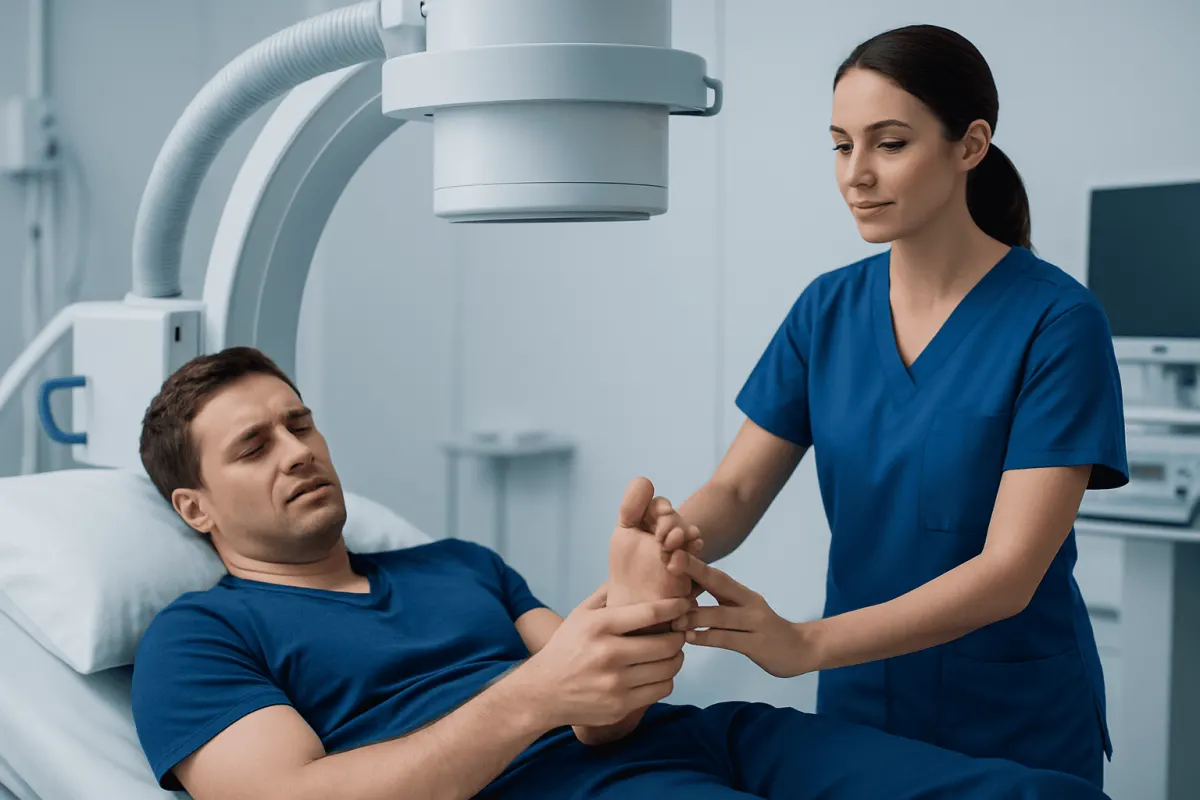
Pain in the 2nd toe is often related to footwear pressure, overuse, a minor injury, or changes in the joints and soft tissues of the forefoot. Persistent, worsening, swollen, numb, or suddenly severe pain should be assessed by a qualified healthcare professional.
Overview: What Can Cause Pain in the 2nd Toe?
Pain in the 2nd toe can have several causes, ranging from temporary pressure from shoes to inflammation, injury, arthritis, or nerve-related problems. The second toe and the joint at its base carry considerable load during walking and pushing off, so pain may develop after increased activity, standing, running, or wearing poorly fitting footwear.
The location and character of the discomfort are useful clues. Pain on top of the toe may relate to shoe pressure or a joint deformity, while pain beneath the base of the toe may arise from the ball of the foot. Sharp pain after an accident can suggest an injury, whereas gradual aching and stiffness may be linked to joint irritation or altered foot mechanics.
Many cases improve with simple measures, especially when the cause is pressure or overuse. However, a clinician should evaluate pain that persists, recurs, affects walking, or occurs with swelling, deformity, redness, numbness, or a wound. Identifying the underlying cause helps prevent the problem from becoming more limiting.
How 2nd Toe Pain May Feel
Second toe pain does not always feel the same. Some people notice a dull ache that is worse after walking, while others experience stabbing pain with each step. The discomfort may be centered in the toe, at the toe joint, between the toes, or under the ball of the foot near the base of the second toe.
Associated symptoms can include stiffness, tenderness to touch, swelling, bruising, a feeling of instability, tingling, or burning. A toe that gradually bends upward, downward, or sideways may rub against the shoe and develop a painful hard patch of skin. Calluses beneath the forefoot can also indicate that pressure is being placed unevenly on the area.
Symptoms may be more noticeable in narrow, high-heeled, or rigid shoes. They can also flare with running, jumping, climbing stairs, or prolonged standing. Pain that improves when shoes are removed or activity is reduced may point to mechanical pressure, although persistent symptoms still deserve attention.
Common Causes of Pain in the 2nd Toe
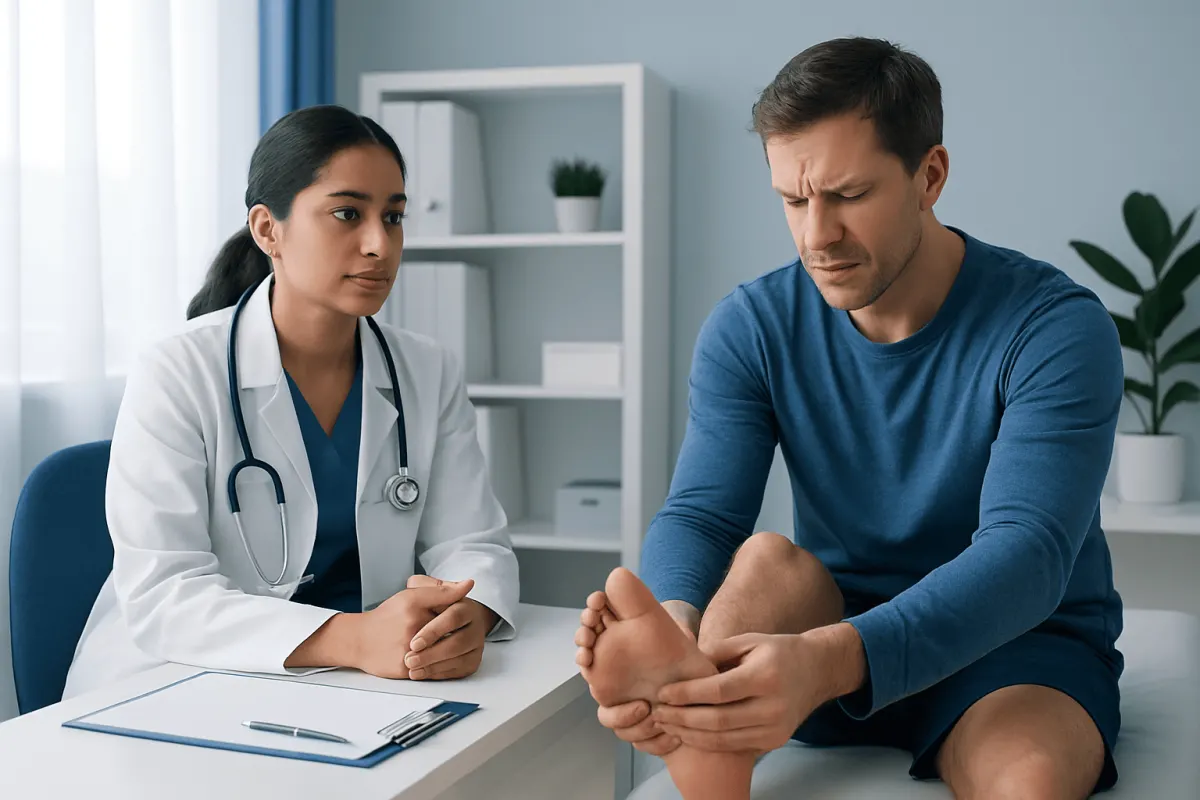
Pressure and repetitive strain are among the most common causes. Shoes with a narrow toe box can compress the toes, while shoes that are too short can repeatedly strike the front of the foot. Increased exercise, especially activities involving impact or fast changes of direction, can irritate tendons, joints, and soft tissues around the second toe.
A sprain, bruise, stress injury, or fracture can occur after stubbing the toe, dropping an object on the foot, twisting during sport, or suddenly increasing training. A stress fracture may cause gradually increasing pain that becomes worse with weight-bearing. Not every fracture causes obvious deformity, so continuing pain after an injury should not be ignored.
Inflammation around the joint at the base of the second toe, sometimes called capsulitis, can cause pain under the ball of the foot and a sense that the toe is lifting or drifting. Over time, instability can contribute to a hammer toe or crossover toe appearance. A hammer toe may become painful when the bent joint rubs against footwear or forms corns and calluses.
Other possible causes include osteoarthritis, inflammatory arthritis, gout, tendon inflammation, nerve compression, and skin conditions such as corns or blisters. Burning or tingling between the toes may suggest nerve irritation in the forefoot. People with diabetes may have reduced sensation, skin breakdown, infection, or circulation concerns that require particularly prompt assessment.
Risk Factors and Foot Mechanics
Foot shape and the way a person walks can influence pressure through the second toe. A longer second toe, a high arch, flat feet, a bunion affecting the big toe, or looseness in the toe joints can redistribute body weight toward the second metatarsal area. This may make pain beneath or around the second toe more likely.
Footwear plays an important role. High heels shift body weight forward, and narrow shoes crowd the toes together. Athletic shoes that are worn out or do not match the activity may offer insufficient support or cushioning. A proper fit includes enough room for the toes to move without rubbing against the front or sides of the shoe.
Risk can also increase with sudden training changes, jobs involving long periods of standing, previous foot injury, and conditions that affect joints or nerves. Older adults may develop changes in joint alignment over time, while people with diabetes need regular foot checks because minor injuries or pressure areas may be less noticeable.
How Doctors Diagnose the Cause
A healthcare professional will usually ask when the pain began, whether there was an injury, what activities worsen it, and whether there are symptoms such as swelling, numbness, redness, or fever. They may also ask about footwear, work or exercise routines, prior foot problems, diabetes, arthritis, and medications.
The examination may include looking at the foot while standing and walking, checking joint movement and alignment, and gently pressing specific areas to locate tenderness. The clinician may assess circulation, skin condition, sensation, and signs of nerve irritation. Shoes may be reviewed because wear patterns can reveal where pressure is occurring.
Imaging is not always necessary, but an X-ray may help identify a fracture, arthritis, alignment changes, or other bone abnormalities. If a stress injury, tendon problem, or soft-tissue condition is suspected but not visible on an X-ray, further imaging such as ultrasound or MRI may be considered. Blood tests may be appropriate when inflammatory arthritis, gout, or infection is a concern.
Treatment Options and Day-to-Day Care
Treatment depends on the cause. For mild pain related to overuse or shoe pressure, reducing aggravating activity for a short period, avoiding tight footwear, and choosing supportive shoes with a wider toe box may help. Cold packs wrapped in a cloth can ease discomfort and swelling after activity. The skin should not be exposed directly to ice.
Padding, toe separators, insoles, or orthotic devices may help redistribute pressure for some people. A clinician or podiatry professional can advise whether these options are suitable, especially if the toe is changing position. In certain cases, taping or a temporary stiff-soled shoe may be recommended to protect an irritated joint or injury while healing occurs.
Over-the-counter pain relief may be appropriate for some adults, but it should be used according to the product instructions and only when safe for the individual. People with kidney disease, stomach ulcers, heart disease, bleeding risks, pregnancy, or medication interactions should ask a doctor or pharmacist before using anti-inflammatory medicines.
If pain is due to a fracture, significant toe deformity, advanced arthritis, or persistent joint instability, specialist treatment may be needed. Care can include rehabilitation, customized orthotics, injections in selected circumstances, or surgery when conservative approaches do not provide adequate relief. Orthopedic and traumatology assessment can help determine the most appropriate plan.
Preventing Recurrence and Protecting Foot Health
Well-fitting footwear is one of the most practical ways to reduce recurrent second toe pain. Shoes should provide adequate length, width, and support, with room for the toes to spread naturally. For sport, footwear should be appropriate for the activity and replaced when cushioning or support has worn down.
Activity levels are best increased gradually, particularly after a break from exercise. Gentle calf, ankle, and foot strengthening exercises may support more balanced movement, but exercises should not be pushed through sharp pain. A physical therapist or foot specialist can recommend a program for people with repeated symptoms or known alignment issues.
Regularly checking the feet can help identify redness, blisters, corns, calluses, swelling, or changes in toe position early. This is especially important for people with diabetes or reduced sensation in the feet. Cutting nails straight across, keeping feet clean and dry, and avoiding self-treatment of painful corns with harsh chemical products can also reduce skin injury.
When to Seek Medical Care
Medical assessment is recommended when pain in the 2nd toe lasts more than a few days despite rest and footwear changes, repeatedly returns, or makes it difficult to walk normally. It is also sensible to seek care if the toe is becoming bent, drifting, or unstable, or if there is ongoing pain beneath the ball of the foot.
Prompt care is important after a significant injury, particularly if there is severe pain, visible deformity, marked swelling, bruising, inability to bear weight, or concern that the toe may be broken or dislocated. A clinician should also assess a puncture wound, an open wound, or a nail injury that is painful or bleeding.
Urgent medical attention is needed for a red, hot, rapidly swollen toe; fever; spreading redness; pus; a blue, pale, or cold toe; or sudden severe pain with loss of sensation. People with diabetes, poor circulation, immune suppression, or known neuropathy should contact a healthcare professional promptly for any new foot sore, swelling, color change, or unexplained pain.
Acıbadem Health Point’s multidisciplinary specialists and JCI-accredited hospitals can assess foot and toe symptoms and coordinate care for international patients when appropriate.
Frequently asked questions
01Why does my second toe hurt when I walk?
Pain when walking is commonly caused by pressure, repetitive loading, tight footwear, or inflammation around the joint at the base of the toe. A bruise, sprain, stress fracture, callus, or toe alignment problem can also hurt with each step. If walking pain persists or worsens, a clinician can identify the cause.
02Can a long second toe cause pain?
A second toe that is longer than the big toe can be exposed to more pressure at the front of a shoe and during push-off while walking. This does not always cause symptoms, but it may contribute to rubbing, nail irritation, or increased load under the ball of the foot. Shoes with sufficient length and a roomy toe box can be helpful.
03What does pain under the second toe mean?
Pain under the second toe often comes from the joint and soft tissues at the base of the toe in the ball of the foot. Common possibilities include overuse, joint capsule inflammation, calluses, altered foot mechanics, or a stress injury. An examination is useful if the pain is persistent, especially if the toe feels unstable or starts to lift.
04Is second toe pain a sign of arthritis?
Arthritis can cause pain, stiffness, swelling, and reduced movement in toe joints, but it is only one possible cause. Osteoarthritis, inflammatory arthritis, and gout can affect the forefoot, although shoe pressure and mechanical strain are often more common explanations. A doctor may use the symptom pattern, examination, imaging, and sometimes blood tests to clarify the diagnosis.
05Should I tape my second toe if it hurts?
Taping may provide temporary support for certain mild sprains or joint irritation, but it is not suitable for every cause of toe pain. Taping too tightly can affect circulation or irritate the skin, especially in people with diabetes or reduced sensation. It is best to ask a clinician or physiotherapist for guidance if pain is ongoing or there has been an injury.
06How long does second toe pain take to improve?
Mild pain caused by pressure or minor overuse may improve over days to a few weeks with rest, activity changes, and better-fitting shoes. Recovery can take longer when there is a stress fracture, significant inflammation, tendon injury, arthritis, or toe deformity. Pain that does not improve or continues to interfere with walking should be evaluated.
This article is for general information only and is not a substitute for professional medical advice. Please consult a qualified doctor about your individual situation.
Joint and spine care in Turkey — expert assessment & treatment
JCI-accredited · board-certified surgeons · reply within 24h
Add us as a Preferred Source to see more of our trusted health content across Google Search, AI Overviews and Discover.