Pain in Bum: Causes, Relief and When to Worry
Key Takeaways
- Pain in bum has many possible causes, including hemorrhoids, anal fissures, muscle strain, constipation, and nerve-related pain.
- The location and pattern of pain matter: pain during bowel movements, after sitting, or with swelling can point to different conditions.
- Home measures such as warm baths, gentle bowel habits, hydration, and avoiding prolonged sitting can ease mild symptoms.
- Seek medical advice if the pain is severe, persistent, associated with bleeding, fever, a lump, drainage, or changes in bowel habits.
- A clinician may need to examine the area or order tests to identify the cause and recommend targeted treatment.
Pain in the bum is a broad symptom, not a diagnosis. It can come from the skin, muscles, bowel, nerves, or the anal area, and the right treatment depends on the cause. Some cases improve with simple self-care, while others need medical assessment to rule out infection, inflammation, or a more serious problem.
Overview
“Pain in bum” is a common way people describe discomfort around the buttocks, anus, or lower pelvic area. It may feel sharp, burning, aching, throbbing, or pressure-like, and the meaning changes depending on exactly where the pain is felt. In many cases, the symptom is caused by something minor and treatable, but it is still worth paying attention to because the same complaint can come from several different body systems.
For some people, the pain is linked to bowel movements or constipation. For others, it appears after long hours of sitting, exercise, cycling, or straining. Pain can also arise from the skin, the muscles around the pelvis, the joints at the base of the spine, or the nerves that supply the area. Because the causes vary so much, the most useful first step is not to guess, but to notice the pattern.
International patients often ask whether they should travel for care or wait until they return home. Mild pain that improves quickly with simple measures can usually be monitored, but persistent pain, bleeding, fever, a lump, or difficulty passing stool or urine should be assessed without delay. A clear diagnosis usually leads to straightforward, targeted relief.
Symptoms
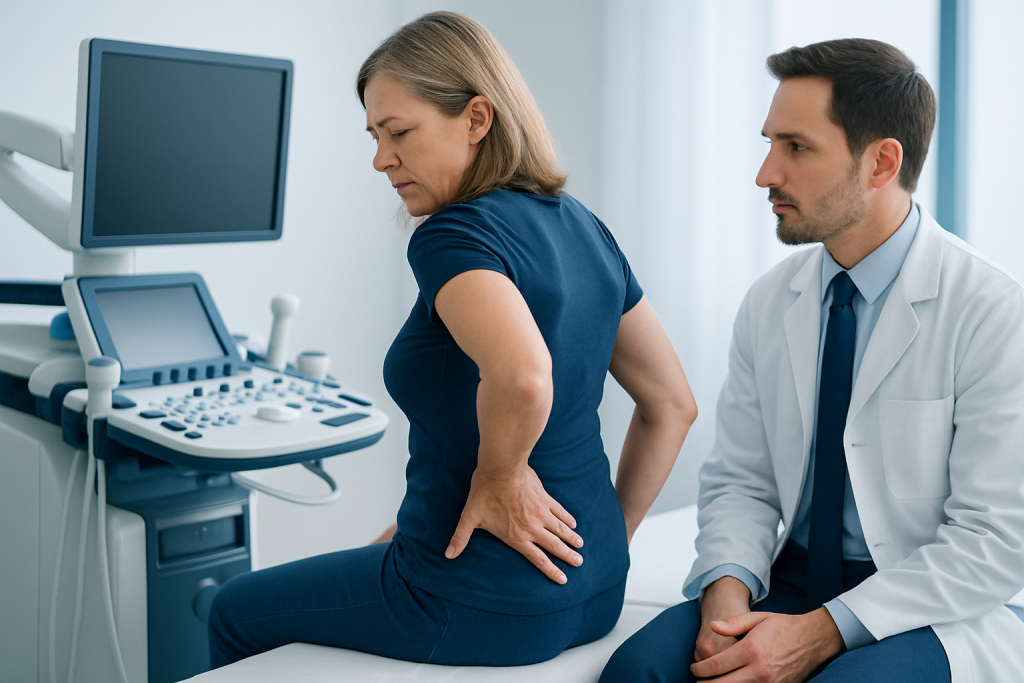
The sensation itself can be a clue. A tearing or stabbing pain during bowel movements often suggests an anal fissure, while itching, fullness, or soreness with a lump may point to hemorrhoids. A deep ache after sitting for a long time can be related to muscle tension, pressure on the coccyx, or irritation of nearby nerves.
Symptoms that travel beyond the anus or buttocks can also matter. Pain that spreads down one leg, is accompanied by numbness or tingling, or worsens with certain movements may have a spinal or nerve-related cause. Pain with fever, redness, swelling, or drainage raises concern for infection or an abscess and should be checked promptly.
- Pain during or after bowel movements
- Burning, itching, or rawness around the anus
- Swelling, a lump, or tenderness
- Bleeding on toilet paper or in the stool
- Pain when sitting, bending, or walking
- Fever, discharge, or increasing redness
It is also important to notice timing. Pain that comes and goes with constipation may have a different explanation from pain that is constant day and night. A careful symptom history helps a clinician narrow the possibilities quickly.
Causes & Risk Factors

One of the most common causes of pain in the bum is hemorrhoids, which are swollen veins in the lower rectum or around the anus. They can cause discomfort, itching, pressure, and sometimes bright red bleeding. Another frequent cause is an anal fissure, a small tear in the lining of the anus that can produce sharp pain, especially during bowel movements.
Constipation and straining often sit behind both of these problems. Hard stools can irritate the anal area and increase pressure on the tissues. Diarrhea can also cause soreness by repeatedly irritating the skin and anal canal. In some people, repeated sitting, cycling, heavy lifting, or pelvic floor muscle tension contributes to pain in the buttocks or around the tailbone.
Other possible causes include skin infections, abscesses, inflammatory bowel disease, coccyx injury, piriformis syndrome, sciatica, or less commonly nerve disorders and pelvic floor dysfunction. Risk tends to be higher in people with chronic constipation, a low-fiber diet, pregnancy, prolonged sitting, obesity, heavy physical strain, or a history of anal disease or surgery.
Because the symptom is broad, it helps to think in categories rather than one single explanation. Pain related to the bowel, the skin, the muscles, the spine, or the nerves may all be described in the same words, but they are managed differently.
Diagnosis
Diagnosis usually begins with a careful conversation about the pain: where it is located, when it started, what makes it better or worse, and whether there is bleeding, fever, bowel changes, or a lump. This history often gives the strongest clues. A clinician may also ask about constipation, recent travel, exercise, diet, and any past episodes.
A physical examination may include inspection of the anal area and, when appropriate, a gentle rectal examination. These steps can help identify hemorrhoids, fissures, swelling, tenderness, or signs of infection. If symptoms suggest a bowel condition, nerve problem, or deeper pelvic issue, additional tests may be needed.
Depending on the suspected cause, tests can include stool studies, blood tests, imaging, or endoscopic evaluation. People traveling from another country should bring any available records, medication lists, and prior imaging reports, because this can save time and help the care team avoid repeating tests unnecessarily.
The aim of diagnosis is not only to name the condition, but to separate common, self-limited causes from problems that need treatment. A focused evaluation usually brings clarity sooner than trying multiple remedies without knowing the reason for the pain.
Treatment Options
Treatment depends entirely on the cause. For hemorrhoids or fissures, the first approach often focuses on softening stools, reducing straining, and calming local irritation. Warm baths, gentle cleaning, and short periods of rest can make daily discomfort more manageable. When needed, a clinician may recommend topical or oral medicines, but the choice should be tailored to the diagnosis.
Constipation-related pain often improves when bowel habits are corrected. Adequate fluids, dietary fiber, regular movement, and a consistent toilet routine can reduce pressure on the anal area. If diarrhea is the trigger, the goal is usually to treat the underlying stomach or bowel issue and protect the skin from repeated irritation.
Muscle or nerve-related pain may call for a different plan. This can include posture changes, physical therapy, targeted exercises, pain-relief strategies, or treatment for back and pelvic floor conditions. If an abscess, infection, or inflammatory disease is present, more specific medical treatment is needed, and in some cases a procedure may be required.
For international patients, treatment planning often includes follow-up that can continue after returning home. That may involve written instructions, medication guidance, and clear warning signs for local medical review. A multidisciplinary team, such as the specialists at Acibadem Health Point and its JCI-accredited hospitals, can diagnose and treat this condition for international patients when a coordinated evaluation is helpful.
Prevention & Self-care
Many cases of bum pain improve when the area is given a break from strain. Avoid sitting for long uninterrupted periods if possible, and consider using a cushion if sitting worsens the discomfort. Gentle walking can help circulation and reduce muscle tension, especially when the pain is related to posture or sitting pressure.
Bowel habits make a major difference. Aim for stools that are soft and easy to pass, since straining can worsen fissures, hemorrhoids, and pelvic discomfort. A fiber-rich diet, enough water, and responding to the urge to use the toilet rather than delaying can all support this goal. Over-cleaning or using harsh products can irritate the skin, so mild cleansing is usually kinder.
Simple self-care measures that may help include:
- Warm baths or sitz baths for short periods
- Consistent hydration and a balanced, fiber-containing diet
- Avoiding prolonged straining on the toilet
- Keeping the area clean and dry
- Using movement breaks during long sitting or travel
These steps are useful for mild symptoms, but they should not replace medical review if the pain is severe or unusual. The purpose of self-care is to reduce irritation while the cause is being addressed, not to ignore ongoing symptoms.
When to See a Doctor
Medical advice should be sought if pain in the bum lasts more than a few days, keeps returning, or is affecting normal activities. It is especially important to be seen if there is rectal bleeding, a new lump, fever, discharge, significant swelling, or pain that is getting worse rather than better. These features can indicate a problem that needs treatment rather than watchful waiting.
Urgent assessment is also sensible if there is trouble passing stool or urine, severe pain after injury, numbness in the saddle area, weakness in the legs, or pain with unexplained weight loss. Those symptoms are not typical of simple irritation and deserve prompt evaluation. People with inflammatory bowel disease, immune suppression, or a history of colorectal disease should have a lower threshold for seeking care.
For travelers, the decision point is practical as well as medical: if the pain may interfere with a flight, a long drive, or the ability to sit comfortably, it is wise to arrange an evaluation before departure or soon after arrival. A timely diagnosis usually makes travel, recovery, and follow-up much easier to manage.
Frequently asked questions
01What is the most common cause of pain in the bum?
Common causes include hemorrhoids, anal fissures, constipation, and irritation from diarrhea or prolonged sitting. The most likely reason depends on whether the pain happens with bowel movements, after sitting, or with swelling and bleeding. A clinician can usually narrow it down with a brief history and examination.
02Is rectal pain always related to the bowel?
No. Pain in this area can come from the skin, muscles, tailbone, spine, nerves, or pelvic floor as well as the bowel. That is why the location, timing, and triggers of the pain matter so much.
03What can help relieve pain in the bum at home?
Warm baths, softening stools, drinking enough water, and avoiding straining are helpful for many mild cases. Taking sitting breaks and using gentle hygiene can also reduce irritation. If pain is severe or associated with bleeding or fever, home care is not enough.
04Should someone travel for treatment if the pain is mild?
Mild pain that improves quickly usually does not require travel specifically for treatment. However, persistent or unexplained symptoms are worth a medical review before a trip, especially if the person will be flying or sitting for long periods. A clear diagnosis helps plan the safest next step.
This article is for general information only and is not a substitute for professional medical advice. Please consult a qualified doctor about your individual situation.
Persistent digestive symptoms? Get evaluated in Turkey
JCI-accredited · board-certified surgeons · reply within 24h
Add us as a Preferred Source to see more of our trusted health content across Google Search, AI Overviews and Discover.