

Pain in Back Left Side Under Rib Cage: Causes, Relief and When to Worry

Key Takeaways
- Pain in the back left side under the rib cage may be musculoskeletal, digestive, urinary, or, less commonly, related to the spleen or pancreas.
- The pattern of pain matters: movement-related pain often suggests muscles or ribs, while pain with nausea, fever, urinary symptoms, or breathing changes may point elsewhere.
- Home relief may include rest, gentle movement, posture changes, and simple comfort measures, but worsening or lasting pain should be checked.
- Emergency care is important if pain is sudden and severe, follows an injury, or comes with chest pain, shortness of breath, fainting, or vomiting blood.
- A clinician may use an exam, urine tests, blood tests, and imaging to find the cause and guide treatment.
Pain in the back left side under the rib cage can come from muscles, the spine, the ribs, the stomach, the pancreas, the spleen, or the left kidney. Most causes are not serious, but sudden, severe, persistent, or unexplained pain deserves medical assessment.
Overview
When someone feels pain in back left side under rib cage, the first question is usually whether the cause is coming from a muscle, an organ, or something more urgent. The answer is not always obvious, because this area sits near the ribs, spine, left kidney, stomach, spleen, pancreas, and part of the colon.
Many cases turn out to be strain, irritation of the ribs, or posture-related discomfort. Others may be linked to indigestion, kidney issues, or inflammation in an abdominal organ. A careful description of when the pain started, what it feels like, and what makes it better or worse often gives the strongest clue.
For people deciding whether to seek care at home or while traveling, the most useful approach is to focus on the pattern of symptoms. Pain that is mild and improves with rest may be monitored briefly, but pain that is persistent, severe, or paired with fever, urinary changes, breathing symptoms, or nausea should be assessed by a doctor.
Symptoms and Pain Patterns
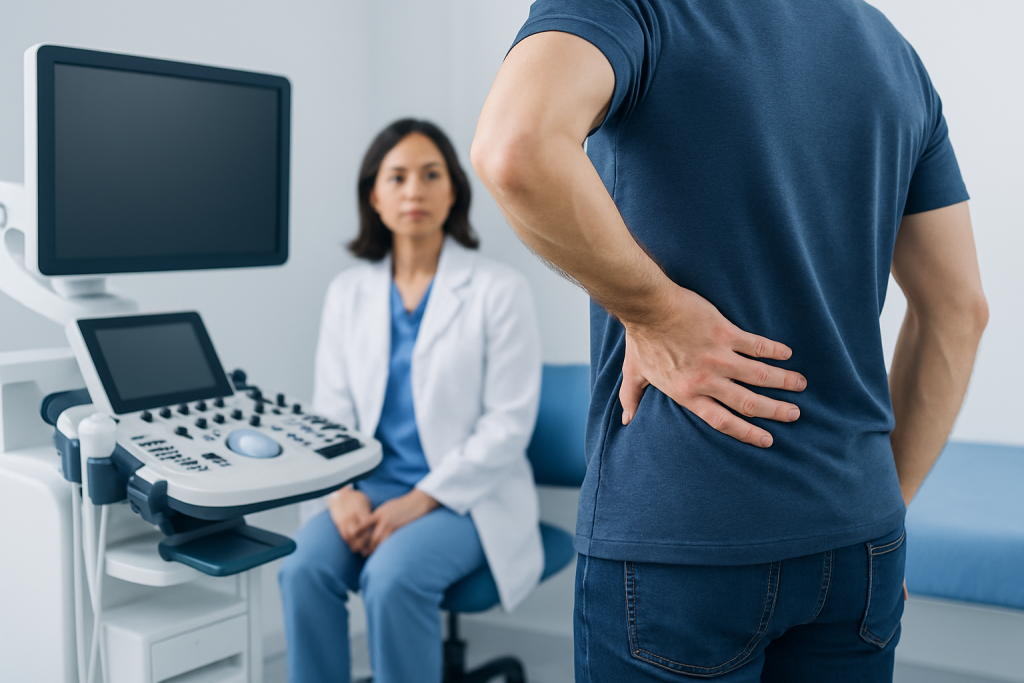
The same location can produce very different sensations. Some people describe a sharp stitch that appears with twisting, lifting, coughing, or a deep breath. Others feel a dull ache, pressure, burning, or a cramping discomfort that comes and goes. The quality of the pain often helps narrow the source.
Muscle or rib-related pain is often tender to touch and may worsen with movement or certain positions. Pain from the kidney may be felt deeper, sometimes with burning urination, frequent urination, or blood in the urine. Pain from the stomach or pancreas may be accompanied by nausea, bloating, loss of appetite, or pain that radiates toward the back.
- More suggestive of muscle or rib strain: pain after exercise, lifting, or awkward movement
- More suggestive of kidney involvement: flank pain, urinary symptoms, fever, or pain that comes in waves
- More suggestive of digestive causes: bloating, indigestion, nausea, or pain related to meals
- Needs prompt attention: severe sudden pain, injury, chest symptoms, or signs of infection
Causes and Risk Factors

One of the most common explanations is muscle strain in the back, shoulder, or lower ribs. Everyday actions such as lifting luggage, prolonged sitting, unusual exercise, or sleeping awkwardly can irritate the muscles and joints in this region. Pain from the thoracic spine or rib joints can also feel as though it is coming from under the rib cage.
Other common causes include digestive and urinary conditions. Gas, constipation, gastritis, reflux, kidney stones, and kidney infection can all create discomfort on the left side. Less commonly, problems involving the spleen or pancreas may cause left-sided upper abdominal or back pain. Because some causes overlap, symptoms alone do not always provide a certain answer.
Risk factors depend on the underlying problem. Recent physical strain, poor posture, dehydration, a history of kidney stones, frequent urinary infections, heavy alcohol use, gallbladder or pancreatic disease, and recent trauma can all increase the chance that pain in this area has a medical cause. In international patients, long flights, unfamiliar food patterns, disrupted sleep, and carrying heavy bags can also contribute to muscle pain or aggravate digestive symptoms.
Diagnosis
Doctors usually begin by asking where the pain is, when it started, whether it moves, and whether it changes with breathing, eating, urination, or movement. They may also ask about fever, recent injury, exercise, bowel habits, urinary changes, and any previous kidney, stomach, or spine problems. This history often points toward the most likely cause.
A physical examination can check for tenderness over the ribs, muscle spasm, abdominal discomfort, or pain in the flank area. Depending on the findings, the doctor may order a urine test to look for infection or blood, blood tests to check for inflammation or organ involvement, and imaging such as ultrasound, X-ray, or CT scan when needed.
For people seeking care while away from home, bringing a list of current medicines, allergies, prior surgeries, and previous scans can save time and reduce uncertainty. If the pain is ongoing, sharing a short timeline of symptoms and any triggers can help the medical team choose the most appropriate tests.
Treatment Options
Treatment depends entirely on the cause. When the problem is a muscle strain or minor rib irritation, care may include rest from aggravating activity, posture correction, gentle movement, and comfort measures. Some patients improve with heat or cold application, while others benefit from short-term supportive care recommended by a clinician.
If the pain is due to a kidney infection, kidney stone, ulcer, pancreatitis, or another internal condition, treatment targets the specific diagnosis. This may involve prescription medicines, fluids, monitoring, or in some cases a procedure. Because the underlying cause can vary widely, self-treatment should not replace medical assessment when symptoms are strong, persistent, or unusual.
People who are traveling for treatment often need a plan that fits recovery across borders. That can include clear instructions for medications, activity limits, follow-up testing, and signs that should prompt a return visit. Acibadem Health Point’s multidisciplinary specialists and JCI-accredited hospitals diagnose and treat this condition for international patients, with coordination designed to make evaluation and follow-up easier across the care journey.
Prevention and Self-care
Not every episode can be prevented, but several habits can reduce the chance of recurring pain. Good posture, regular stretching, sensible lifting technique, adequate hydration, and staying active can all help protect the back and rib muscles. For people who sit for long periods, changing position often is especially useful.
Digestive and urinary discomfort may be less likely when meals are balanced, alcohol is limited, and hydration is steady throughout the day. People with a history of kidney stones or infections should follow their doctor’s advice on prevention, which may include dietary adjustments or ongoing monitoring.
At home, short-term self-care should stay simple and safe. Rest the area if movement makes it worse, avoid heavy lifting, and note whether the pain changes with meals, urination, cough, or breathing. Keeping a symptom diary can be surprisingly helpful if the pain returns or medical evaluation becomes necessary later.
When to See a Doctor
Medical evaluation is appropriate if the pain lasts more than a few days, keeps returning, or interferes with normal activity. It is also wise to seek care if the discomfort is unexplained and does not clearly improve with rest or simple measures.
Prompt assessment is especially important when pain is severe, sudden, or accompanied by fever, vomiting, shortness of breath, chest pain, dizziness, blood in the urine, painful urination, black stools, fainting, or recent injury. These features do not always mean a serious problem, but they do deserve timely medical attention.
For travelers, it is better not to wait for a return flight if the pain is escalating or there are warning signs. A local clinician can help determine whether the issue is minor or needs urgent treatment, and can advise on whether it is safe to continue traveling or preferable to postpone the journey.
Living With Recurrent Left-Side Rib or Back Pain
When pain keeps coming back, the goal is not only to relieve the current episode but also to identify the trigger. Recurrent pain may reflect posture, a repeated strain, a chronic digestive problem, or a urinary issue that has not fully resolved. Pattern recognition over time is often the key to getting an accurate diagnosis.
People with repeated symptoms may benefit from follow-up with a primary care doctor, gastroenterologist, urologist, or spine specialist depending on the suspected source. The right specialist is usually chosen based on the associated symptoms rather than the location alone. That approach avoids unnecessary tests and helps patients get more focused advice.
Understanding the body’s signals can also make travel and recovery less stressful. A clear diagnosis, a written care plan, and instructions for when to seek help can make it easier to manage symptoms confidently, whether the person is at home or in another country.
Frequently asked questions
01What does pain in the back left side under the rib cage usually mean?
It often comes from a muscle strain, rib irritation, or another benign musculoskeletal issue. It can also come from the kidney, stomach, colon, spleen, or pancreas, so the associated symptoms matter.
02Can gas cause pain under the left rib cage in the back?
Yes, trapped gas or constipation can sometimes cause pressure or discomfort that is felt in the left upper abdomen or back. If the pain is severe, persistent, or paired with fever or vomiting, it should be checked by a doctor.
03How can a person tell if the pain is muscular or internal?
Pain that worsens with movement, twisting, pressing on the area, or certain positions is more often muscular. Pain with urinary symptoms, fever, nausea, meal-related discomfort, or pain that feels deep and constant may suggest an internal cause.
04Is left-sided back pain under the ribs ever an emergency?
Yes, especially if it starts suddenly, is very severe, follows an injury, or comes with shortness of breath, chest pain, fainting, vomiting blood, or blood in the urine. These symptoms need prompt medical evaluation.
05What tests might a doctor order for this pain?
Depending on the suspected cause, a doctor may request a physical exam, urine tests, blood tests, and imaging such as ultrasound, X-ray, or CT scan. The choice of test is based on the symptom pattern and examination findings.
06What can be done at home while waiting to be seen?
Gentle rest, avoiding heavy lifting, changing position, and using simple comfort measures may help if the pain appears mild and movement-related. If symptoms worsen or do not improve, medical assessment is the safer next step.
This article is for general information only and is not a substitute for professional medical advice. Please consult a qualified doctor about your individual situation.
Persistent digestive symptoms? Get evaluated in Turkey
JCI-accredited · board-certified surgeons · reply within 24h
Add us as a Preferred Source to see more of our trusted health content across Google Search, AI Overviews and Discover.


