Pain Beneath Ribs Left Side: Causes, Relief and When to Worry

Key Takeaways
- Pain beneath ribs left side often starts in the digestive tract, muscles, or chest wall, but several organs in that area can be involved.
- The pattern of pain, associated symptoms, and what triggers it help doctors narrow down the cause.
- Mild discomfort may improve with rest, hydration, posture changes, and gentle measures, but self-care should not delay evaluation if warning signs appear.
- Severe pain, trouble breathing, fever, vomiting, chest pressure, fainting, or blood in vomit or stool need urgent medical attention.
- International patients can usually expect a stepwise evaluation that may include examination, blood tests, and imaging to identify the source of the pain.
Pain beneath ribs left side can have many causes, from gas, reflux, and muscle strain to conditions involving the spleen, pancreas, kidneys, or lungs. Most causes are not dangerous, but certain symptoms call for prompt medical assessment.
Overview
Pain beneath ribs left side can feel sharp, dull, tight, burning, or cramping, and the cause is not always where the discomfort seems to be. In that area, the stomach, colon, spleen, tail of the pancreas, left kidney, lower lung, and the muscles and ribs of the chest wall can all contribute to pain.
For many people, the explanation is relatively straightforward, such as trapped gas, indigestion, constipation, or a strained muscle after lifting, coughing, or twisting. Still, because several different body systems overlap in the same space, a careful history and examination are often needed to tell a minor problem from one that deserves prompt treatment.
The most useful first question is not simply “where is the pain,” but “what else is happening with it.” Nausea, fever, shortness of breath, a recent injury, changes in bowel habits, or pain that spreads to the back or shoulder can all point the clinician toward a different source.
Symptoms That Help Narrow the Cause
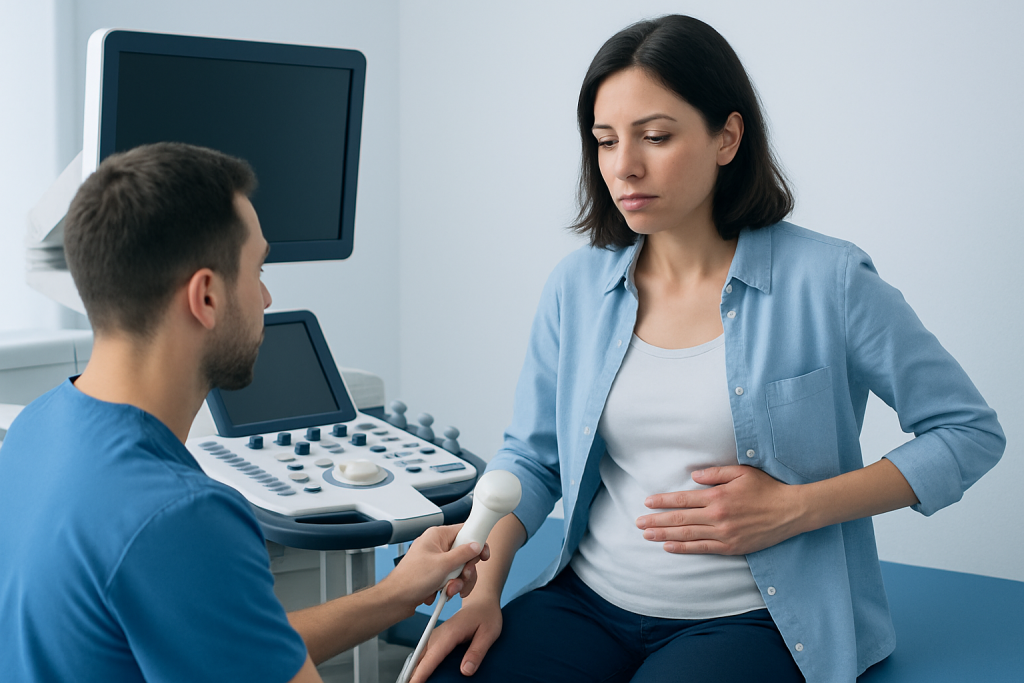
The same location can feel very different depending on the structure involved. Digestive pain often comes with bloating, belching, nausea, constipation, diarrhea, or relief after passing gas or a bowel movement. Muscle or rib pain is more likely to worsen with pressing on the area, deep breathing, coughing, turning, or certain movements.
Some patterns deserve special attention. A burning sensation after meals may suggest reflux or gastritis, while pain that moves to the back can be seen with pancreatic or kidney problems. Discomfort that follows an infection, such as a cold or bronchitis, may come from frequent coughing that strains the chest wall.
Associated symptoms help distinguish urgency. Chest pressure, sweating, faintness, severe breathlessness, persistent vomiting, black stools, vomiting blood, or sudden swelling after an injury are not typical “wait and see” symptoms and should be assessed quickly.
- More likely digestive: bloating, gas, nausea, reflux, bowel changes
- More likely muscular or rib-related: tenderness to touch, pain with movement or breathing
- More concerning: fever, shortness of breath, chest pain, vomiting, blood in stool, fainting
Causes & Risk Factors

Common causes of pain beneath ribs left side include gas, indigestion, constipation, gastritis, acid reflux, and irritable bowel syndrome. These problems can create pressure or cramping in the upper abdomen, and the discomfort may seem to sit under the ribs even when the issue begins lower in the digestive tract.
Muscle strain is another frequent explanation. Heavy lifting, exercise, repetitive twisting, prolonged poor posture, or a hard cough can irritate the muscles between the ribs or the chest wall. In these cases, the pain often changes with movement and may be easier to reproduce by pressing on the area.
Less common but important causes include an enlarged or injured spleen, inflammation of the pancreas, kidney stones or infection, pleurisy, pneumonia, and, in some cases, shingles before a rash appears. Risk increases with recent trauma, a known infection, heavy alcohol use, gallstone disease, bleeding disorders, kidney disease, or a history of abdominal surgery.
Age, medications, and travel history can also matter. For example, blood thinners may make internal bleeding more likely after a minor injury, while recent travel or delayed access to care can complicate the timing of evaluation and treatment.
How Doctors Diagnose It
Diagnosis usually begins with a detailed conversation about when the pain started, exactly where it is felt, what it feels like, and what makes it better or worse. A doctor will also ask about meals, bowel habits, coughing, fever, recent exercise, injuries, medication use, and any pain radiating to the back, shoulder, or chest.
A physical examination can provide valuable clues. Gentle pressure may reveal tenderness in the abdominal wall or ribs, while listening to the chest or examining the abdomen can point toward lung, bowel, or organ-related causes. If the pain is severe or unclear, blood tests and urine tests may be used to look for infection, inflammation, kidney problems, or pancreatitis.
Imaging is sometimes needed, especially if there is concern about the spleen, kidneys, pancreas, lungs, or a hidden injury. Depending on the situation, clinicians may recommend an abdominal ultrasound, CT scan, chest X-ray, or other studies. For international patients, this evaluation is often organized in a stepwise way so the most likely causes are checked first and unnecessary testing is avoided.
Treatment Options
Treatment depends entirely on the cause. Gas, constipation, and indigestion may improve with dietary adjustments, hydration, movement, and medications recommended by a clinician. Reflux or gastritis may be treated with acid-reducing medicine, while muscle strain often responds to rest, posture correction, gentle stretching, and avoiding activities that worsen the pain.
If an infection is identified, treatment may include antibiotics or other targeted therapy. Pancreatitis, kidney stones, spleen injury, or serious lung conditions require individualized care and sometimes hospital treatment. The key point is that pain relief should not replace diagnosis when the cause is uncertain, because masking the symptom alone can delay needed care.
For people traveling from another country, follow-up planning matters just as much as the initial treatment. A clear discharge plan, written medication instructions, and a realistic timeline for repeat testing can make recovery safer and more manageable once the patient returns home.
- Possible measures: rest, fluids, modified diet, posture changes
- Condition-specific care: acid suppression, antibiotics, stone management, or surgery when indicated
- Supportive care: pain control guided by a doctor, activity modification, and follow-up
Prevention & Self-care
Not every cause can be prevented, but some practical habits lower the chance of recurring discomfort. Eating smaller meals, avoiding known trigger foods, staying hydrated, and treating constipation early can reduce pressure and bloating under the ribs. Good posture and gradual return to exercise may also help if the pain is musculoskeletal.
It is sensible to pay attention to pattern rather than only intensity. If pain comes after certain meals, after long sitting periods, or after coughing or lifting, those clues can help a clinician identify the problem faster. Keeping a brief symptom log can be especially useful if the issue is intermittent.
Self-care should stay within safe limits. Overusing pain relievers, ignoring persistent symptoms, or trying to “push through” severe discomfort can make it harder to recognize a condition that needs proper evaluation. When in doubt, a medical review is the safer choice.
If the Pain Keeps Coming Back
Repeated episodes of pain beneath the left ribs are worth documenting even if each flare settles on its own. A pattern that appears after meals may point to digestive causes, while pain that follows activity or certain positions may suggest the chest wall, spine, or nerves. Recurrent episodes also deserve review if they are becoming more frequent, more intense, or associated with new symptoms.
In some people, ongoing discomfort is linked to more than one issue at once. For example, constipation and muscle strain can coexist, or reflux may be mistaken for chest wall pain. A clinician may need to reassess the history, repeat an examination, or order different tests if the first explanation does not fully fit.
When the story is not simple, the goal is not to guess but to sort the possibilities in a logical order. That approach usually brings faster relief and avoids unnecessary treatment.
Living With Uncertain Left-Sided Rib Pain
Unexplained pain can be frustrating, especially when it comes and goes. A practical way to cope is to note the timing, meal relation, movement triggers, and any associated digestive or respiratory symptoms. This information often shortens the path to diagnosis.
While waiting for evaluation, it is reasonable to use gentle measures such as rest, hydration, and avoiding activities that clearly aggravate the pain. However, if symptoms escalate or any warning sign appears, the plan should change from self-care to medical assessment without delay.
Clear answers usually come from matching the symptom pattern with targeted testing, not from guessing based on location alone. That is why persistent left-sided rib pain is best approached with calm attention rather than alarm.
Frequently asked questions
01What does pain beneath ribs left side usually mean?
It can come from the digestive tract, muscles, ribs, lungs, kidneys, spleen, or pancreas. Common causes include gas, constipation, reflux, and muscle strain, but the exact cause depends on the accompanying symptoms and the pattern of pain.
02Can gas cause pain under the left ribs?
Yes, gas is a common reason for discomfort in that area, especially if the pain improves after burping, passing gas, or having a bowel movement. Bloating and cramping often travel upward and can feel like they are sitting under the ribs.
03When is left rib pain an emergency?
It becomes urgent if it is sudden and severe or occurs with chest pressure, shortness of breath, fainting, fever, vomiting, black stools, blood in vomit or stool, or an injury. These symptoms need prompt medical assessment.
04How do doctors tell if the pain is from the stomach or the ribs?
Doctors look at what triggers the pain, whether it is tender to touch, and whether it changes with movement, breathing, or meals. They may also use blood tests, urine tests, or imaging to check the abdomen, chest, or nearby organs.
05Can stress cause pain beneath ribs left side?
Stress can worsen indigestion, acid reflux, bowel symptoms, and muscle tension, which may all be felt under the left ribs. Even so, persistent or severe pain should not be assumed to be stress-related without a proper medical review.
06What should someone do if the pain is mild but keeps coming back?
They should track when it happens, what seems to trigger it, and any related symptoms such as bloating, cough, or bowel changes. Recurrent pain should be discussed with a doctor, especially if it is becoming more frequent or is affecting daily life.
This article is for general information only and is not a substitute for professional medical advice. Please consult a qualified doctor about your individual situation.
Persistent digestive symptoms? Get evaluated in Turkey
JCI-accredited · board-certified surgeons · reply within 24h
Add us as a Preferred Source to see more of our trusted health content across Google Search, AI Overviews and Discover.