Ovarian PRP: What Is Known About This Fertility Procedure
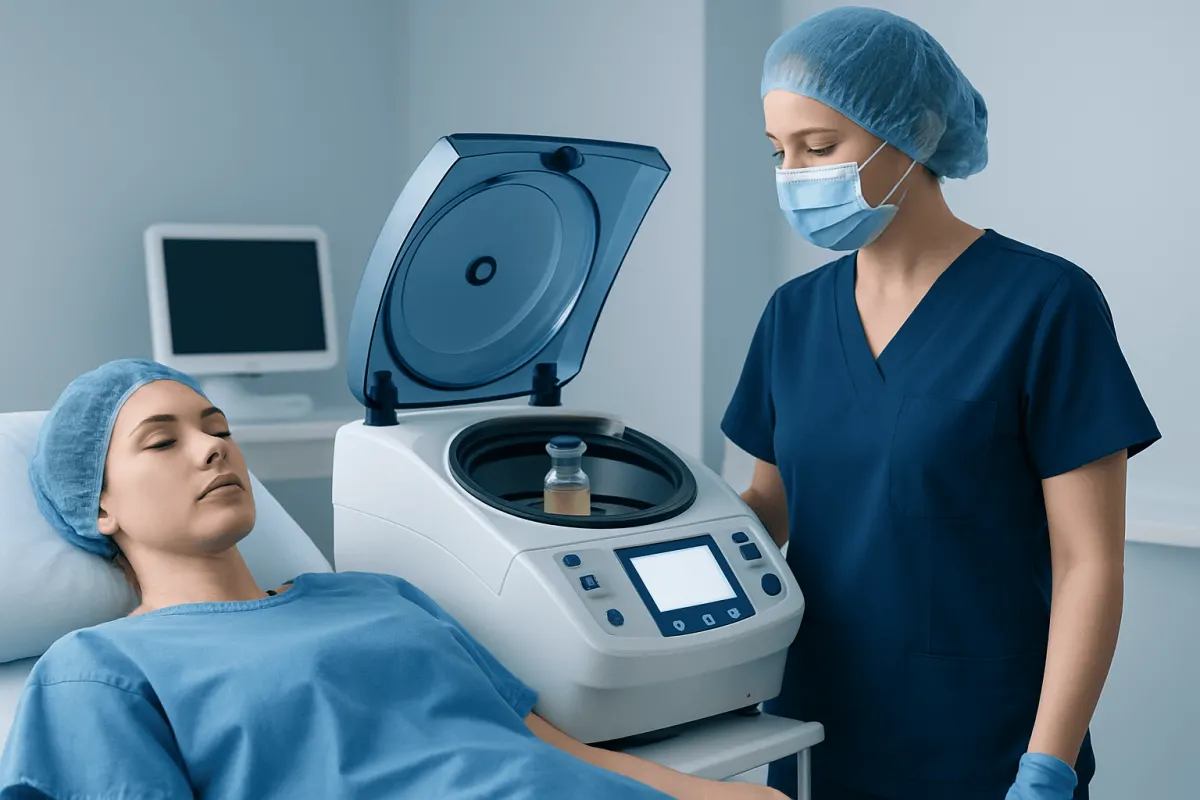
Ovarian PRP is a developing procedure in which concentrated platelets from a person’s own blood are injected into ovarian tissue, usually with the aim of supporting ovarian function or fertility treatment. Early research is promising for selected patients, but it is not yet an established treatment for infertility, low ovarian reserve, or menopause.
Overview: what is ovarian PRP?
Ovarian PRP, also called ovarian platelet-rich plasma treatment, is an emerging procedure intended to support ovarian activity in people with reduced ovarian reserve, age-related fertility concerns, or an inadequate response during fertility treatment. It uses platelet-rich plasma, a concentrated portion of the patient’s own blood that contains platelets and signaling proteins involved in tissue repair.
During the ovarian PRP process, a clinician collects a small blood sample, concentrates the platelets in a laboratory device, and injects the resulting plasma into one or both ovaries using ultrasound guidance. The procedure is sometimes described as “ovarian rejuvenation,” but that phrase can be misleading: there is no proven method to reverse ovarian aging or restore the original number of eggs.
Research is continuing, and some small studies have reported changes in ovarian hormone levels, antral follicle counts, or ovarian response in selected patients. However, these findings do not yet establish that ovarian PRP improves the chances of pregnancy or live birth. It should be discussed as an investigational option alongside established fertility care, including in vitro fertilization (IVF) treatment where appropriate.
How ovarian PRP may work
Platelets are blood components best known for helping form clots. They also release growth factors and other molecules involved in cell signaling, inflammation control, and tissue healing. PRP is made by spinning a blood sample in a centrifuge so that the platelet-containing portion can be separated and concentrated.
The proposed idea behind ovarian PRP is that these signaling molecules may influence the local ovarian environment, blood flow, or activity of remaining follicles. A follicle is a small fluid-filled structure in the ovary that contains an immature egg. This theory is biologically plausible, but the exact effects of PRP in ovarian tissue are not fully understood.
Importantly, PRP cannot create new eggs with proven reliability. People are born with a finite supply of eggs, and that supply normally declines over time. Any possible benefit would be expected to depend on individual factors, including age, baseline ovarian reserve, reproductive history, and the reason for infertility.
Who may be considered for ovarian PRP?
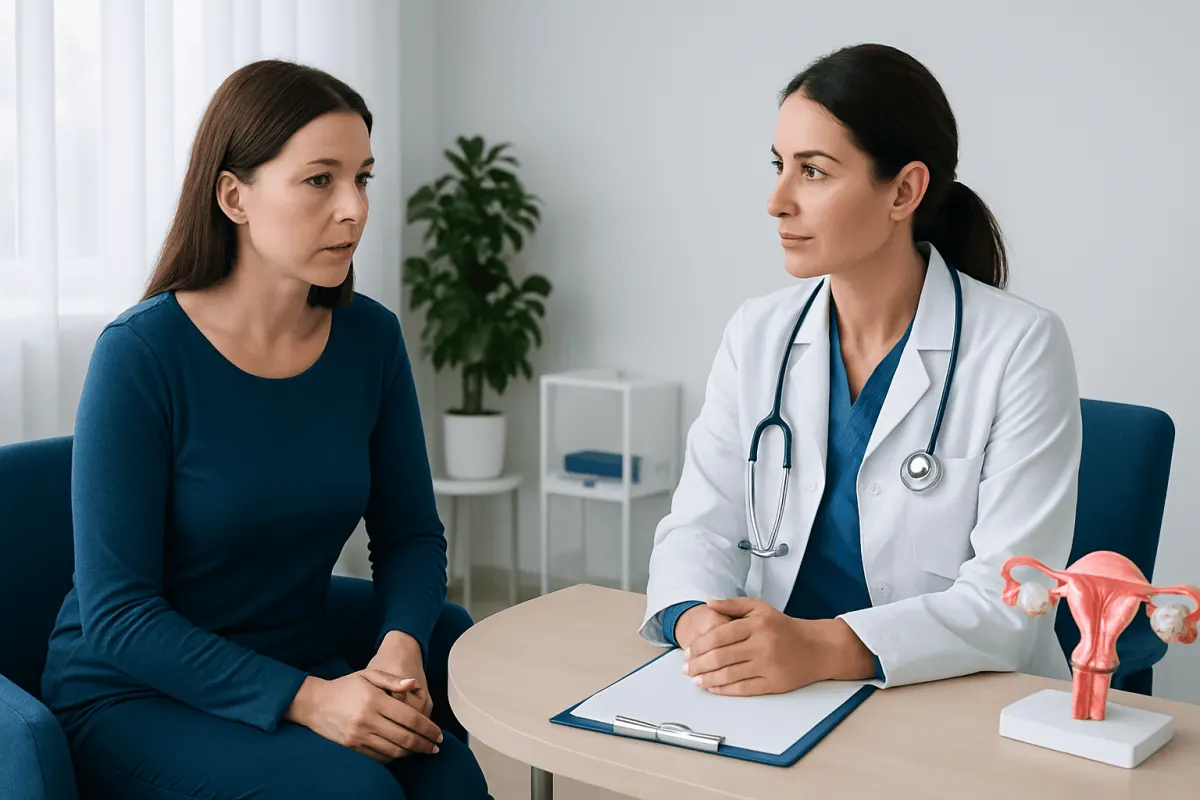
Ovarian PRP is sometimes considered by people with diminished ovarian reserve, low anti-Müllerian hormone (AMH) levels, fewer antral follicles on ultrasound, or a previous low response to ovarian stimulation for IVF. It may also be discussed with people approaching menopause or those with early ovarian insufficiency, although evidence in these groups remains especially uncertain.
A careful evaluation is essential before considering any procedure. This commonly includes a reproductive history, pelvic ultrasound, AMH and other hormone tests when clinically indicated, semen analysis for a male partner where relevant, and assessment of the uterus and fallopian tubes. Fertility difficulties may have more than one cause, so treatment planning should address the full picture.
Ovarian PRP may not be suitable for everyone. A clinician may advise against it in the presence of an untreated pelvic infection, certain bleeding disorders, severe anemia, a medical condition that makes sedation unsafe, or concerns about ovarian masses. People with a personal treatment plan for cancer or complex medical conditions should also obtain specialist guidance.
For patients with suspected reduced ovarian function, evaluation for primary ovarian insufficiency may be appropriate. This condition has broader health implications beyond fertility and should not be managed through PRP alone.
Ovarian PRP process: step by step
Before treatment, the fertility specialist explains the experimental nature of ovarian PRP, likely alternatives, possible risks, and the uncertainty around results. The patient may undergo pre-procedure tests based on their history and the clinic’s protocols. Instructions about eating, drinking, regular medicines, and arranging transportation depend on whether sedation or anesthesia is planned.
On the day of treatment, a blood sample is drawn from the arm. It is processed to create platelet-rich plasma. The patient is then positioned similarly to a transvaginal ultrasound examination. With ultrasound imaging to guide placement, a thin needle is passed through the vaginal wall into the ovary or ovaries, and the prepared PRP is injected into selected areas.
Because the injection route resembles egg retrieval, many clinics use intravenous sedation or short anesthesia for comfort. The procedure itself is generally brief, but the total visit may take several hours because of preparation, monitoring, and recovery from sedation.
Afterward, the fertility team may schedule follow-up blood tests and ultrasound scans over the following weeks or months. If the aim is pregnancy, further planning may include timed conception, ovarian stimulation, egg collection, or IVF. The appropriate next step depends on the patient’s ovarian response and overall fertility assessment.
Ovarian PRP recovery, discomfort, and safety
Ovarian PRP recovery is usually short. Many patients rest at home on the day of the procedure and return to light daily activities within one or two days, depending on how they feel and whether sedation was used. Mild lower abdominal cramping, pelvic pressure, light spotting, fatigue, or temporary bloating may occur.
How painful is ovarian PRP? Pain varies between individuals and depends partly on the anesthesia approach. During the injection, sedation or anesthesia is commonly used, so patients should not feel significant pain at that time. Afterward, most discomfort is mild to moderate and similar to cramping after egg retrieval, but some people may experience more noticeable pelvic soreness for a short time.
As with other procedures involving a needle near the ovaries, ovarian PRP risks include bleeding, infection, injury to nearby structures, anesthesia-related complications, and ovarian irritation. Serious complications are uncommon but possible. There is also a practical and emotional risk of pursuing an intervention that may not improve fertility outcomes.
Patients should follow their clinician’s aftercare instructions, avoid strenuous activity if advised, and use only pain-relief medicines approved by their care team. It is sensible to ask about medication restrictions before the procedure, particularly if taking blood thinners, anti-inflammatory medicines, or supplements that affect bleeding.
Results, research, and realistic expectations
What are the signs that PRP is working? Possible observations after ovarian PRP may include changes in AMH, follicle-stimulating hormone (FSH), estradiol levels, menstrual patterns, antral follicle count, or response to fertility medication. However, none of these measures alone proves that PRP has improved egg quality, embryo quality, pregnancy chances, or the likelihood of a live birth.
Will I see results after one PRP session? Some patients may have follow-up findings within a few months, as follicles develop over time. Others may have no measurable change after one session. There is no agreed standard for the number of sessions, the preparation method, injection technique, timing, or the best way to measure response, which makes results difficult to compare across clinics.
Ovarian PRP research includes small observational studies and early clinical investigations, but stronger randomized trials with live-birth outcomes are needed. Reported ovarian PRP success rates should therefore be interpreted cautiously. A clinic’s pregnancy figures may reflect patient age, diagnosis, IVF protocols, embryo testing, donor eggs, and other factors rather than the effect of PRP alone.
Is ovarian PRP worth it? The answer is personal and should be based on the patient’s diagnosis, goals, tolerance for uncertainty, available alternatives, and clinician’s advice. For some, participation in a properly governed clinical study may be a reasonable way to consider an emerging option. For others, established treatments or fertility preservation strategies may offer a clearer evidence base.
Making an informed fertility plan
Patients considering ovarian PRP can benefit from a consultation with a reproductive endocrinology and infertility specialist. Useful questions include what evidence supports treatment for their specific situation, how the clinic defines a response, what follow-up will be used, what alternatives are available, and whether the procedure is offered within a research protocol or routine clinical practice.
Evidence-based fertility options may include lifestyle optimization, treatment of ovulation disorders, surgery for selected anatomical conditions, ovarian stimulation with IVF, use of previously frozen eggs or embryos, donor eggs, or donor embryos. The most suitable option depends on medical history, age, partner factors, ovarian reserve, and personal priorities.
General health also matters before pregnancy. Maintaining a balanced diet, avoiding smoking and recreational drugs, limiting alcohol, managing chronic conditions, reviewing medicines, and taking folic acid when trying to conceive can support preconception health. These measures cannot replace fertility treatment but can contribute to safer pregnancy planning.
Acıbadem Health Point’s multidisciplinary fertility specialists and JCI-accredited hospitals assess fertility concerns and discuss appropriate diagnostic and treatment pathways for international patients.
When to seek medical care
Contact the treating clinic promptly after ovarian PRP if pelvic pain is increasing rather than improving, if bleeding is heavier than expected, or if there is persistent nausea, vomiting, or difficulty passing urine. The clinical team can assess whether symptoms are part of normal recovery or need further evaluation.
Seek urgent medical care for severe abdominal or pelvic pain, heavy vaginal bleeding, fever or chills, fainting, shortness of breath, chest pain, or signs of an allergic or anesthesia-related reaction. Although these symptoms are not expected in routine recovery, they require timely assessment.
Anyone who has irregular periods, absent periods, difficulty conceiving, recurrent pregnancy loss, or symptoms that may suggest hormonal changes should arrange a medical review. Early assessment can identify treatable causes and help patients consider all appropriate fertility options before choosing an emerging intervention.
Frequently asked questions
01What is ovarian PRP used for?
Ovarian PRP is mainly being explored for people with diminished ovarian reserve, low response to fertility medication, or age-related fertility concerns. It is intended to influence the ovarian environment, but it is not a proven way to restore egg supply or reverse menopause. A fertility specialist can explain whether it is relevant to an individual situation.
02How long does ovarian PRP recovery take?
Most people can resume light activities within one or two days, although recovery can vary depending on sedation, the injection procedure, and individual comfort. Mild cramps, spotting, or bloating may occur briefly. The treating team should be contacted if symptoms are severe, persistent, or worsening.
03How painful is ovarian PRP?
The injection is often performed with sedation or anesthesia, so significant pain during the procedure is usually minimized. Mild to moderate cramping or pelvic tenderness can occur afterward, similar to discomfort after egg retrieval. Pain that is severe or increasing should be assessed promptly.
04What are the signs that ovarian PRP is working?
Follow-up tests may show changes in hormone levels, menstrual activity, follicle count, or response to ovarian stimulation. These changes do not by themselves confirm a fertility benefit or predict a live birth. Pregnancy and live-birth outcomes remain the most meaningful measures, and evidence is still limited.
05Is ovarian PRP worth it?
Whether ovarian PRP is worthwhile depends on a person’s fertility diagnosis, age, priorities, available alternatives, and comfort with uncertain results. It remains an emerging treatment with limited high-quality evidence. A detailed discussion with a reproductive fertility specialist is important before proceeding.
06Will I see results after one PRP session?
Some patients may have changes on ultrasound or blood tests over the next few months, while others may not have a measurable response. There is no standardized number of sessions or confirmed timeline for results. One treatment does not guarantee improved fertility, pregnancy, or live birth.
This article is for general information only and is not a substitute for professional medical advice. Please consult a qualified doctor about your individual situation.
Hair transplant in Turkey — costs, graft counts & a free assessment
JCI-accredited · board-certified surgeons · reply within 24h
Add us as a Preferred Source to see more of our trusted health content across Google Search, AI Overviews and Discover.