

Osteopathy vs Chiro: Key Differences Explained

Key Takeaways
- Osteopathy and chiropractic care both use manual techniques, but they are not the same.
- The best option depends on the person’s symptoms, health history, and treatment goals.
- Both approaches may be used for back, neck, and joint discomfort when appropriate.
- A careful diagnosis is important before starting any hands-on treatment.
- People with severe pain, numbness, weakness, or trauma should seek medical evaluation first.
Osteopathy vs chiro is a common comparison because both approaches may focus on musculoskeletal pain, posture, and movement. While they can overlap in some hands-on techniques, they differ in training, philosophy, and how they assess and treat the body.
Overview
When people compare osteopathy vs chiro, they are usually trying to answer a practical question: which one is more suitable for their pain, stiffness, or mobility problem? The short answer is that both approaches use manual, hands-on care, but they are based on different professional traditions and may assess the body in different ways.
Osteopathy is commonly associated with looking at how the body’s structure and function influence one another. Chiropractic care is often centered on the spine and nervous system, with an emphasis on spinal alignment and joint motion. In real-life practice, both may include soft tissue techniques, stretching, joint mobilization, exercise advice, and posture guidance, depending on the practitioner’s training and the person’s needs.
For an international patient deciding where to seek care, the most important issue is not choosing a label first. It is making sure the clinician is properly licensed, that the cause of symptoms has been assessed, and that the treatment plan matches the diagnosis. A thoughtful evaluation matters more than the name on the door.
Symptoms and Conditions They May Address

People often consider osteopathy or chiropractic care for symptoms that involve the muscles, joints, or spine. Common reasons include low back pain, neck stiffness, shoulder discomfort, limited range of motion, tension related to posture, and some types of headaches that are linked to neck or muscle strain.
Some patients seek care after long periods of desk work, lifting strain, sports overuse, or travel-related stiffness. Others are looking for support while recovering from an episode of mechanical back pain or mild joint restriction. In these situations, manual therapy may be part of a broader plan that also includes movement, rest, and gradual return to activity.
These approaches are not meant to explain or treat every cause of pain. Joint swelling, fever, unexplained weight loss, major trauma, bone infection, nerve compression, and inflammatory diseases need medical assessment. A hands-on appointment should never replace a proper diagnosis when symptoms suggest something more serious.
- Mechanical low back pain
- Neck and shoulder stiffness
- Posture-related aches
- Reduced mobility after strain or overuse
- Some tension-type headache patterns
Causes and Risk Factors
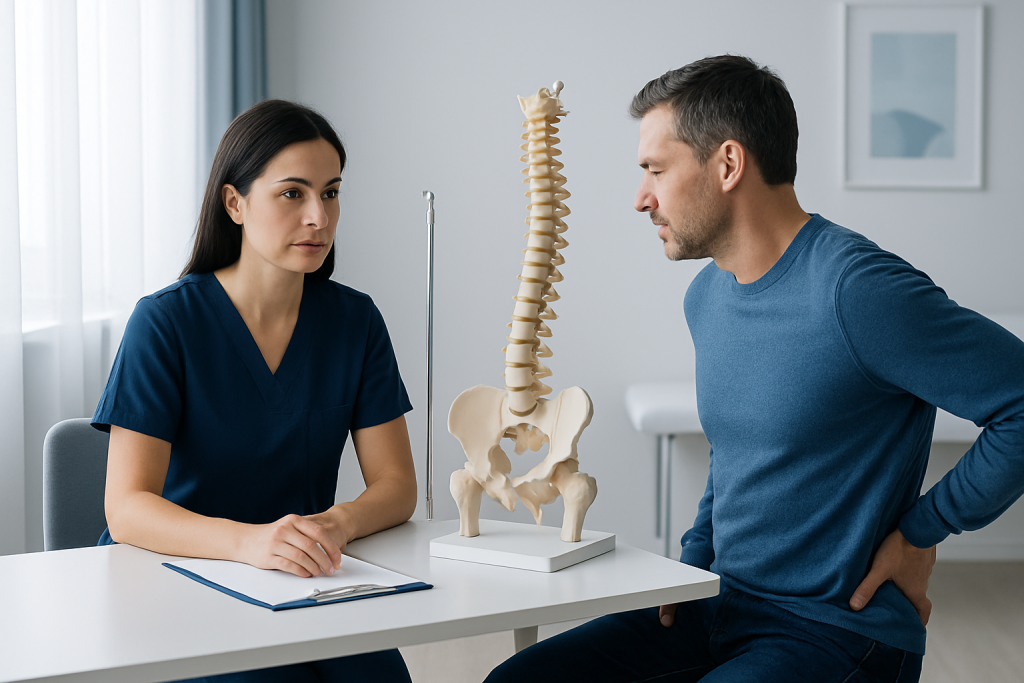
The reasons people turn to osteopathy or chiropractic care are often linked to lifestyle and movement patterns rather than a single injury. Prolonged sitting, repetitive work, poor lifting mechanics, reduced physical conditioning, and stress-related muscle tension can all contribute to persistent discomfort.
Age-related wear and tear, previous injuries, and sedentary habits may also make joints feel less flexible or more sensitive. For some patients, pain is triggered by travel, carrying luggage, sleeping in unfamiliar beds, or long hours in transit. These are common experiences for international patients, and they can make musculoskeletal symptoms more noticeable.
Risk factors do not determine who “should” receive one treatment over another, but they help clinicians decide whether manual care is appropriate. A careful history can reveal whether symptoms are likely to respond to conservative care or whether imaging, medication, or referral is needed first.
Diagnosis: How Practitioners Assess the Problem
A good manual-therapy consultation starts with a history, not with a quick adjustment. The clinician should ask where the pain is, when it started, what makes it better or worse, and whether there are warning signs such as numbness, weakness, fever, night pain, or recent injury.
Physical examination usually includes posture assessment, joint movement checks, muscle testing, and tests that help rule out nerve involvement or other conditions. Depending on the findings, the practitioner may recommend imaging or a medical referral before treatment begins.
This step is especially important for people traveling for care. Someone arriving from another country may have incomplete records or a prior diagnosis that needs confirmation. Sharing previous scans, medication lists, and past treatment notes can help the clinician choose a safer and more personalized plan.
Treatment Options: Osteopathy vs Chiro
Although the two fields overlap, their focus is not identical. Osteopathic care often takes a broader view of how posture, breathing, muscle tension, and movement patterns interact. Treatment may include soft tissue work, mobilization, stretching, advice on exercise, and in some settings more structural manual methods.
Chiropractic care commonly places greater emphasis on spinal and joint manipulation, especially when symptoms are thought to be linked to restricted joint motion. Many chiropractors also use non-manual methods such as exercise instruction, ergonomic advice, and rehabilitation strategies. In both professions, the exact treatment depends on local regulations, the practitioner’s training, and the patient’s diagnosis.
Neither approach is automatically better for everyone. A person with uncomplicated neck stiffness might do well with either, while someone with nerve symptoms, osteoporosis, blood-clot risk, or recent trauma may need a different plan. The safest choice is individualized care delivered by a qualified professional who explains the expected benefits and possible risks before treatment.
- Soft tissue techniques
- Joint mobilization or manipulation in selected cases
- Stretching and movement advice
- Posture and ergonomics guidance
- Home exercises and follow-up care
Prevention and Self-care
For many people, the most useful long-term progress comes from combining professional care with daily habits that support the spine and joints. Regular movement, even in small amounts, can help reduce stiffness and maintain function. Breaking up long sitting periods and varying posture during the day often makes a noticeable difference.
Simple self-care can also include heat or ice when appropriate, paced return to activity, hydration, and sleep that allows the body to recover. Gentle strengthening of the core, hips, back, and shoulder muscles may help reduce repeat episodes of strain. An exercise plan should be gradual and tailored to the person’s condition, not copied from a generic routine.
For travelers and medical tourists, prevention has a practical side. Comfortable footwear, luggage planning, staying active during long flights, and allowing time for rest after treatment can support recovery. If a clinician provides home exercises, the patient should make sure they are clearly explained before leaving.
When to See a Doctor
Anyone with back, neck, or joint pain that is severe, persistent, or getting worse should have a medical evaluation. The same applies if pain follows a fall, car accident, sports impact, or any event that could have caused fracture or nerve injury.
Urgent assessment is important when symptoms include numbness, weakness, loss of bladder or bowel control, fever, unexplained weight loss, night pain that does not ease, or pain with significant swelling or deformity. These features are not typical of simple mechanical pain and should not be managed as routine stiffness.
For people considering osteopathy or chiropractic care, it is wise to speak with a licensed physician or relevant specialist first when there is doubt about the cause. In an international care setting, coordinated review can help ensure that manual therapy is used only when it is appropriate and safe. Acibadem Health Point’s multidisciplinary specialists and JCI-accredited hospitals can help diagnose and treat musculoskeletal conditions for international patients in a coordinated way.
Choosing Between Osteopathy and Chiropractic Care
The better question is often not “which one is stronger?” but “which one fits the diagnosis, the practitioner, and the person’s preferences?” Some patients feel more comfortable with an approach that emphasizes whole-body balance and gentle techniques, while others prefer a spine-focused plan with more direct manipulation when appropriate.
When comparing providers, patients should ask about training, licensing, experience with their specific complaint, and how the clinician decides whether treatment is safe. It is also reasonable to ask what happens if symptoms do not improve, whether exercise guidance is included, and how follow-up is handled after returning home.
A clear explanation, informed consent, and realistic expectations are signs of good care in either profession. The goal is not to “fix” the body with one session, but to reduce pain, improve movement, and support recovery in a way that makes sense for the person’s condition.
Frequently asked questions
01What is the main difference between osteopathy and chiropractic care?
Both use hands-on techniques, but osteopathy usually takes a broader view of the body’s movement and structure, while chiropractic care often focuses more on the spine and joint motion. In practice, there can be overlap, so the practitioner’s training and assessment matter as much as the title.
02Is osteopathy vs chiro better for back pain?
Neither is automatically better for everyone. The best option depends on the cause of the back pain, the person’s medical history, and the clinician’s experience with that specific problem.
03Can both help with neck pain?
Yes, they may help some types of mechanical neck pain, especially when stiffness or posture play a role. Neck pain with numbness, weakness, fever, or injury should be assessed by a doctor before manual treatment is considered.
04Are osteopaths and chiropractors doctors?
That depends on the country and the professional pathway. Some may hold doctoral-level qualifications in their field, but that is not the same as being a medical doctor, so patients should always check licensing and scope of practice.
05Is spinal manipulation safe?
It can be appropriate for selected patients, but it is not suitable for everyone. A careful assessment is important to reduce risk, especially if there is osteoporosis, recent trauma, nerve symptoms, or other medical concerns.
06Should a patient see a doctor before trying either treatment?
It is a good idea when symptoms are new, severe, recurring, or unusual. Medical review is especially important if there are warning signs such as weakness, numbness, fever, or significant trauma.
This article is for general information only and is not a substitute for professional medical advice. Please consult a qualified doctor about your individual situation.
Joint and spine care in Turkey — expert assessment & treatment
JCI-accredited · board-certified surgeons · reply within 24h
Add us as a Preferred Source to see more of our trusted health content across Google Search, AI Overviews and Discover.


