When an Osteochondroma Needs Surgery and When Watching Is Enough
You feel a hard bump near your knee, shoulder, or hip. It doesn’t hurt. Does it have to come out? Very often, the answer is no.
Many of these benign bone growths cause no symptoms at all, so treatment is often simply observation. Surgery comes into the picture when an osteochondroma is painful, affects movement, compresses nearby structures, causes deformity, or has features that need closer assessment.
Osteochondroma Treatment: What It Involves
In practice, treatment means one of two things: keeping an eye on a painless, stable growth, or removing it when it causes symptoms or complications. An osteochondroma is a noncancerous bone growth with a cartilage covering, and it usually turns up near the ends of long bones — around the knee, shoulder, or hip. Most appear in childhood or adolescence and stop growing once the skeleton matures.
Doctors base treatment on the person’s symptoms, age, imaging findings, and the lesion’s location. A growth that is found incidentally and does not interfere with daily activity may only need periodic clinical reviews and imaging. When removal is appropriate, the operation is designed to excise the prominence along with its cartilage cap, which helps reduce the chance of the growth returning.
Osteochondromas may occur as a single lesion or as part of hereditary multiple osteochondromas, an inherited condition involving several growths. People with multiple lesions may need more regular follow-up because deformity, movement limitations, and pressure on surrounding structures can be more likely.
How Osteochondroma Treatment Works
Watching is not doing nothing — it is active management. During follow-up, an orthopedic specialist asks about pain, changes in function, and new swelling, and may compare X-rays over time. Simple measures such as adapting activities, physiotherapy-guided movement work, and Knee Pain Relief: Causes and Treatment" class="ahp-ilk">pain relief recommended by a clinician may help some people manage mild symptoms while the growth is monitored.
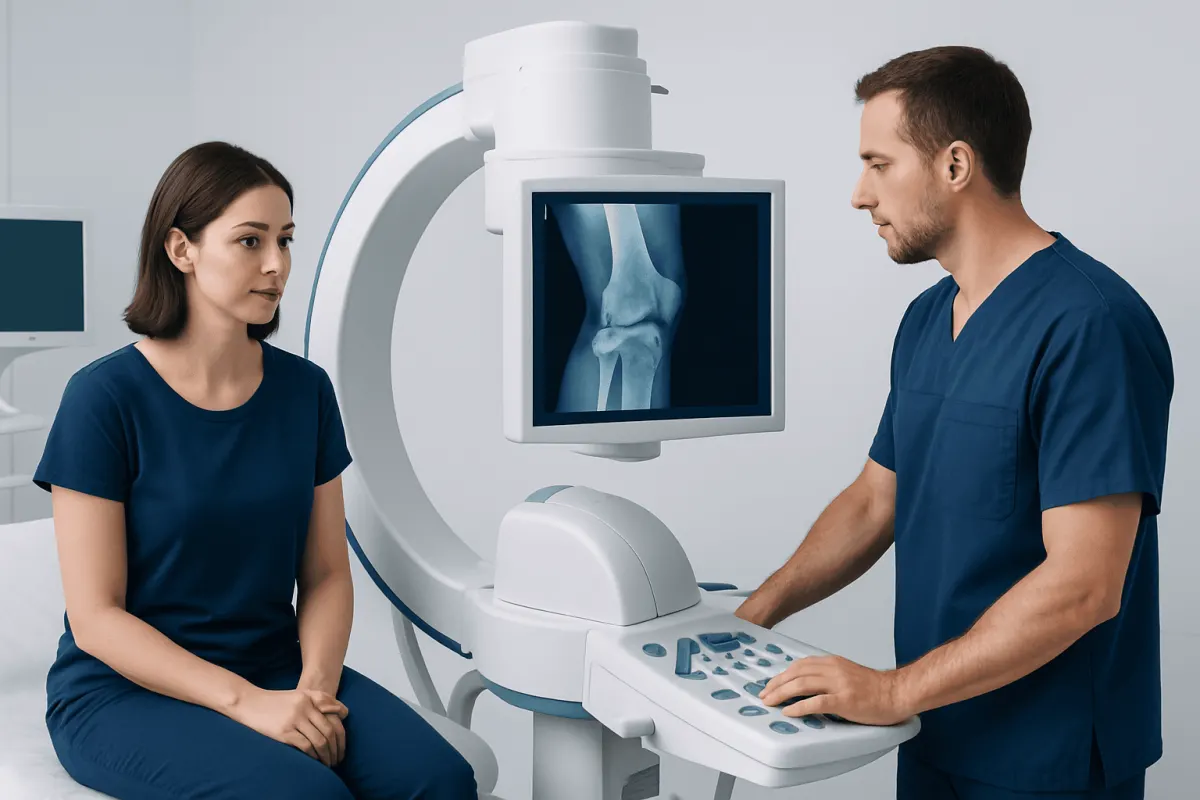
Osteochondroma surgery, also called excision or resection, removes the bony outgrowth from its base. The surgeon plans the approach using X-rays and, when needed, magnetic resonance imaging (MRI) or computed tomography (CT). These scans can show the cartilage cap and clarify the growth’s relationship to tendons, joints, nerves, and blood vessels.
In many cases, the procedure is performed under general anesthesia. The surgeon makes an incision over the affected area, carefully exposes the lesion, removes it, and smooths the remaining bone if necessary. Tissue may be sent for laboratory examination, particularly if imaging or symptoms raise a question about the diagnosis.
When a lesion is close to a joint, major nerve, blood vessel, or growth plate, planning may involve orthopedic oncology, pediatric orthopedics, radiology, rehabilitation, and other relevant specialties. The goal isn’t just to take away a lump you can see. It’s to protect how the limb works and disturb as little healthy tissue as possible.
Who May Need Osteochondroma Surgery?
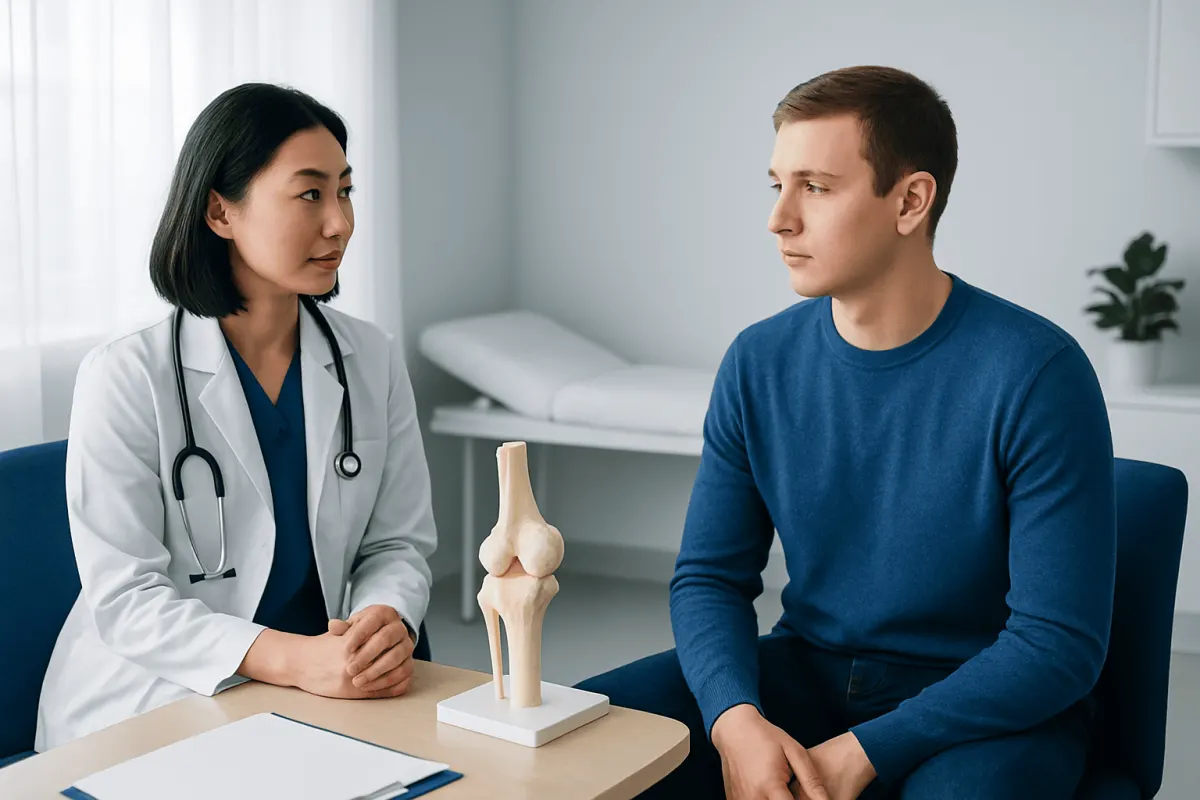
Not every osteochondroma needs surgery. Removal is commonly considered when pain persists or recurs, movement is restricted, repeated friction causes inflammation of a nearby bursa, or the growth affects normal bone alignment. Surgery may also be advised if the lesion compresses a nerve or blood vessel, causes weakness or numbness, or interferes with walking, sports, work, or everyday activities.
A doctor may recommend further assessment when an osteochondroma becomes painful or appears to enlarge after skeletal maturity. These changes do not automatically mean cancer, but they should be evaluated because, rarely, the cartilage cap can undergo malignant change. MRI can be particularly useful for assessing the cartilage cap and soft tissues around the lesion.
Children and adolescents require individualized decisions because their bones are still growing. In some situations, a surgeon may recommend waiting if symptoms are mild and the lesion is unlikely to cause harm. In others, earlier surgery is helpful to relieve pressure, improve joint movement, or prevent progressive deformity.
- Persistent pain that is clearly related to the growth
- Restricted joint movement or tendon snapping over the lesion
- Numbness, tingling, weakness, or circulation-related symptoms
- Bone deformity, unequal limb length, or functional limitation
- Concerning change in size, pain pattern, or imaging appearance
What Happens Before, During and After the Procedure?
Before surgery, the care team reviews medical history, medications, allergies, and any previous imaging. The person may have updated X-rays, MRI, or CT scans to map the lesion accurately. Preoperative instructions include guidance about eating and drinking before anesthesia, medicines that may need adjustment, and arranging support at home after discharge.
During the procedure, the surgeon chooses an incision and technique based on the lesion’s site and depth. Some smaller, accessible osteochondromas can be removed through a relatively limited incision. More complex lesions, especially those near the pelvis, spine, hip, or important nerves and vessels, may require a larger or more specialized approach.
After removal, the wound is closed and covered with a dressing. Depending on the operation, the person may go home the same day or stay in hospital briefly for monitoring, pain control, and mobility support. Crutches, a sling, or a brace may be used temporarily if the surgical site needs protection.
Follow-up appointments allow the surgeon to review wound healing, discuss pathology if tissue was tested, and guide a safe return to movement and activity. Physiotherapy may be recommended to restore range of motion, strength, balance, and confidence with daily activities.
How long does osteochondroma surgery take to heal?
There is no single answer here — healing time varies a lot. A small, uncomplicated lesion in a non-weight-bearing area may allow a return to light daily activities within a few weeks, while surgery involving the leg, hip, pelvis, shoulder, or a joint may require a longer period of protected movement and rehabilitation.
The skin incision often heals within a few weeks, but deeper tissues and bone need longer to recover. Return to strenuous work, running, contact sports, or heavy lifting should be decided with the surgeon, as doing too much too soon can increase pain, swelling, or the risk of injury.
Recovery can also be affected by age, general health, the size and position of the growth, and whether another procedure is required to correct deformity or stabilize bone. Following wound-care instructions, attending follow-up visits, and completing prescribed rehabilitation can support a smoother recovery.
Benefits, Risks and Expected Results
The main potential benefit of surgery is relief of symptoms caused directly by the osteochondroma. Many people have less pain and improved movement after an appropriately selected procedure. Removal can also prevent ongoing irritation of tendons or muscles and relieve pressure on nearby nerves or blood vessels.
Like all operations, excision has possible risks. These include bleeding, infection, wound healing problems, blood clots, stiffness, persistent pain, and reactions to anesthesia. The risk of nerve, blood vessel, tendon, or joint injury depends partly on the lesion’s location. The surgeon explains the likely benefits and specific risks in the context of each individual case.
Recurrence after complete removal is uncommon, particularly after skeletal maturity. Still, don’t brush off new symptoms — particularly if you have hereditary multiple osteochondromas, since other lesions can start causing trouble over time. Ongoing follow-up is tailored to the diagnosis and clinical findings.
At Acıbadem Health Point, specialists from several fields work together in JCI-accredited hospitals to assess and treat bone conditions, including osteochondroma, for international patients. Each care plan is built around your imaging, symptoms, function, and surgical needs.
What does osteochondroma pain feel like?
Many osteochondromas do not hurt at all. When pain occurs, it may feel like a localized ache, tenderness over a hard bump, pressure during movement, or discomfort after repeated activity. Symptoms may become more noticeable when a tendon, muscle, or bursa rubs over the growth.
The character of pain depends on location. A lesion near a joint may cause stiffness, catching, reduced range of motion, or pain with bending and straightening. Pressure on a nerve can cause tingling, numbness, burning sensations, or weakness farther down the limb, while pressure on a blood vessel may cause swelling, color changes, or circulation symptoms.
New persistent pain, pain at rest or at night, or pain associated with apparent growth after maturity deserves medical review. These symptoms often have noncancerous explanations, but imaging and examination can identify whether treatment or closer monitoring is needed.
What is the prognosis after osteochondroma treatment? Is osteochondroma serious?
The prognosis after osteochondroma treatment is generally favorable. Most solitary osteochondromas are benign, and people with painless, stable lesions can often live normally without surgery. When symptoms make removal necessary, complete excision commonly provides lasting relief and the lesion usually does not return.
Osteochondroma is therefore usually not serious, but its impact depends on where it develops and what structures it affects. A lesion can become clinically important if it limits joint movement, alters growth, causes deformity, fractures, or presses on nerves or blood vessels. Multiple osteochondromas can create additional orthopedic challenges and may require long-term specialist follow-up.
Malignant transformation is uncommon, particularly for a single osteochondroma. Still, a new or changing pain pattern, growth after skeletal maturity, or a change seen on imaging should be assessed promptly. A timely specialist evaluation helps distinguish routine symptoms from findings that require more investigation.
When to Seek Medical Care
Get a new hard lump near a bone or joint checked, especially if it hurts, seems to be growing, or is holding you back. An orthopedic clinician can examine the area and determine whether X-rays or other imaging is appropriate. Early assessment can also help identify other causes of bone or joint pain.
More urgent medical advice is appropriate for severe or rapidly worsening pain, sudden inability to use a limb, new weakness, progressive numbness, marked swelling, a cold or pale limb, or signs of infection after surgery such as fever, spreading redness, drainage, or increasing wound pain. These symptoms need timely evaluation.
People with known hereditary multiple osteochondromas benefit from regular specialist follow-up, especially during growth and when new symptoms develop. A qualified clinician can provide individualized advice about activity, imaging, surgery, and rehabilitation.
Frequently asked questions
01Can an osteochondroma go away without treatment?
Osteochondromas generally do not disappear on their own. However, many remain stable and do not cause symptoms, so they may not need active treatment. A doctor may recommend observation with follow-up rather than surgery.
02Is surgery the only osteochondroma treatment?
No. Observation is appropriate for many painless, stable osteochondromas. Surgery is usually reserved for growths that cause pain, restrict function, create deformity, compress nearby structures, or show concerning changes.
03How long does osteochondroma surgery take to heal?
The timeline depends on the lesion's location, size, and the complexity of surgery. Light activities may be possible within weeks for some people, while full recovery and return to demanding activity can take longer. The operating surgeon provides the safest personalized timeline.
04What does osteochondroma pain feel like?
Pain can be an ache, tenderness, pressure, or discomfort with movement and activity. It may also cause stiffness, tendon snapping, or nerve-related tingling and numbness if the lesion presses on nearby tissues. New or persistent pain should be assessed by a doctor.
05What is the prognosis after osteochondroma treatment?
The outlook is usually very good. Most lesions are benign, and complete surgical removal often relieves symptoms with a low chance of recurrence after skeletal maturity. Follow-up may be more important for people with multiple hereditary osteochondromas.
06Is osteochondroma serious?
Most osteochondromas are not serious and do not require surgery. They can become important when they cause pain, deformity, limited movement, nerve or blood vessel pressure, or changing symptoms. Medical review is especially important if a growth enlarges or becomes painful after skeletal maturity.
This article is for general information only and is not a substitute for professional medical advice. Please consult a qualified doctor about your individual situation.
Joint and spine care in Turkey — expert assessment & treatment
JCI-accredited · board-certified surgeons · reply within 24h
Add us as a Preferred Source to see more of our trusted health content across Google Search, AI Overviews and Discover.