Orthopedic Second Opinion: When a Different Surgeon Changes the Treatment Map

Key Takeaways
- A second opinion can confirm a diagnosis or reveal a different cause of pain.
- It is often helpful before major surgery, especially when treatment choices are not straightforward.
- A fresh review of imaging, exam findings, and daily symptoms can change the care plan.
- Patients can seek a second opinion without offending their first surgeon.
- Good preparation improves the value of the consultation, especially for international patients.
An orthopedic second opinion can help a patient understand whether surgery is truly needed, whether another treatment may work, and what recovery might look like. It is especially useful when symptoms are complex, imaging findings do not match the pain, or major treatment decisions are on the table.
Overview
An orthopedic second opinion is a focused review by another bone, joint, spine, or sports medicine specialist. It is not a sign of distrust; it is a practical step when a treatment plan carries real consequences, such as surgery, prolonged immobilization, or a long recovery away from home.
Many people ask for a second opinion when they hear words like “fusion,” “replacement,” “reconstruction,” or “operation” and want to be certain the plan fits their symptoms, lifestyle, work, travel, and long-term goals. In orthopedic care, the best decision is often not the fastest one, but the one that matches the cause of pain and the patient’s daily function.
A different surgeon may see the same MRI, X-ray, or exam findings and reach a different conclusion about timing, procedure choice, or whether surgery is needed at all. In some cases, that new perspective confirms the first recommendation; in others, it opens the door to physical therapy, injections, bracing, medication, lifestyle changes, or watchful waiting.
For international patients, a second opinion can also be a useful planning step before traveling for treatment. It can help narrow options, reduce uncertainty, and make follow-up care more organized once the patient returns home.
Symptoms and situations that often prompt a second opinion
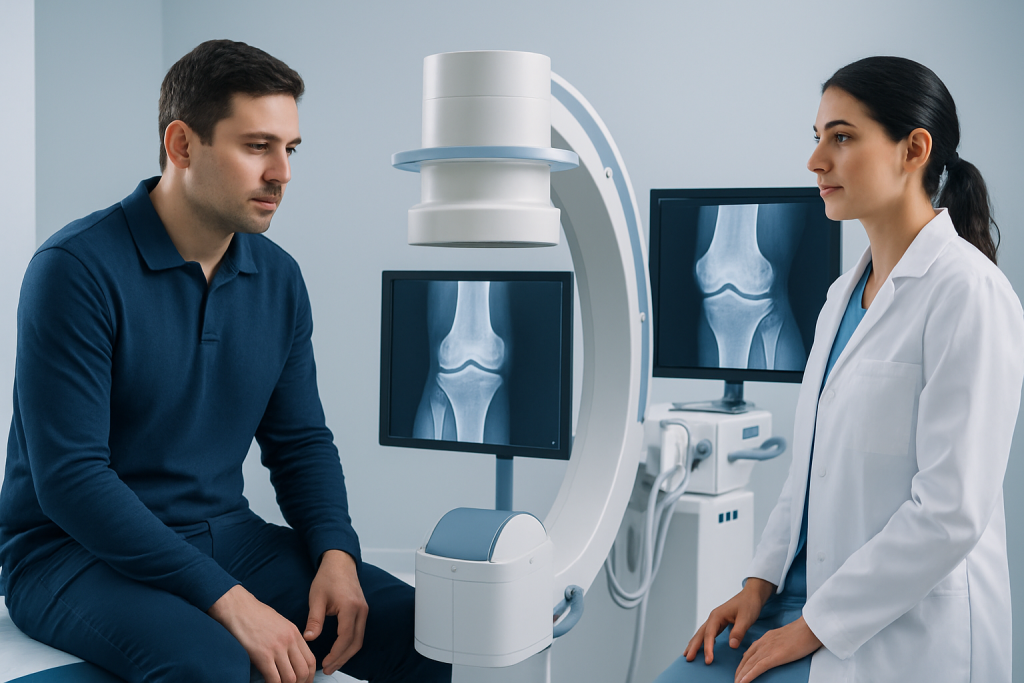
People usually seek a second opinion because something about the plan does not feel fully settled. The pain may be severe, but the explanation may still seem unclear. Or the diagnosis may sound serious, yet the patient is unsure whether surgery is the only path forward.
Common reasons include persistent knee pain, shoulder weakness, Arthritis: Symptoms, Causes, and Treatment Options" class="ahp-ilk">hip arthritis, back pain with leg symptoms, Orthopedist" class="ahp-ilk">sports injuries that are not improving, fractures that are healing slowly, or a recommendation for spinal surgery. A second opinion is also reasonable when symptoms are affecting sleep, walking, work, driving, or the ability to care for family members.
- The diagnosis is uncertain or based mainly on imaging rather than a clear clinical picture.
- Non-surgical treatment has not been fully discussed.
- Two doctors have given different explanations for the same problem.
- The proposed procedure is major, irreversible, or likely to require a long recovery.
- The patient has other health conditions that may affect healing or anesthesia.
- The decision feels time-sensitive, but not urgent enough to remove the chance for review.
Sometimes the trigger is not a dramatic symptom but a practical concern: a patient may need to know whether they can travel, work remotely, or return to exercise after treatment. These details matter because orthopedic decisions often shape weeks or months of daily life.
Why the first and second opinions may differ

Orthopedic problems can be straightforward, but many are influenced by more than one structure. Pain in the same area may come from cartilage, tendon, muscle, nerve, joint lining, alignment, or referred pain from the spine. When the source is not obvious, experienced surgeons may reasonably weigh the evidence differently.
One surgeon may place more emphasis on imaging, while another may focus on exam findings, movement patterns, and how the symptoms behave during daily activities. A scan may show wear and tear, but that does not always mean the abnormality is the main reason for pain. Likewise, a normal-looking image does not always rule out a meaningful problem.
Different training backgrounds can also shape recommendations. Some specialists lean toward preserving the natural joint whenever possible, while others may be more comfortable recommending surgery earlier when the anatomy suggests a mechanical problem. Neither approach is automatically right or wrong; the key is whether the explanation is complete and individualized.
For the patient, the value of the second opinion is not just agreement or disagreement. It is clarity. A good consult should explain why a treatment is recommended, what alternatives exist, what happens if the patient waits, and what the expected recovery looks like in realistic terms.
How the diagnosis is rechecked
A strong second opinion begins with a careful review of the story behind the pain. The specialist will usually ask when the symptoms started, what worsens them, what improves them, which treatments have already been tried, and how the condition affects mobility and independence. That history often reveals details that imaging alone cannot show.
The doctor will typically review prior records, operation notes if surgery has already been done, medication lists, and images such as X-rays, MRI scans, CT scans, or bone scans. If the studies are old, incomplete, or taken at a time when symptoms were different, the specialist may recommend repeating them or adding new tests.
A physical examination remains central. Gait, range of motion, strength, swelling, tenderness, stability, nerve symptoms, and functional movements can help distinguish joint disease from tendon injury, spine-related pain, or inflammation. In some cases, the second-opinion visit may also involve comparing the patient’s daily limitations with what the images actually show.
Sometimes the reassessment leads to a different diagnosis altogether. A shoulder problem may be coming from the neck; knee pain may be aggravated by hip alignment; back pain may include a nerve issue that changes the treatment path. This is where a second opinion can be genuinely transformative, because the next step follows the correct cause rather than the first impression.
Treatment options that may change after a second opinion
An orthopedic second opinion can confirm that surgery is appropriate, but it can also reveal that the timing, type, or urgency of treatment should be reconsidered. The revised plan may be smaller than expected, broader than expected, or entirely non-surgical.
For some patients, the best option is still an operation, but a different one. For example, a surgeon may recommend repairing rather than replacing a structure, adjusting the approach, or treating one part of a problem before another. For others, the second opinion may support a course of rehabilitation, activity modification, weight management, bracing, injection therapy, or pain control before any procedure is considered.
When surgery is proposed, the consultation should also address recovery logistics. Patients traveling from another country need to know how long they may need to stay, whether physical therapy will be required, when flying is safe to discuss, and what warning signs would require urgent medical attention after discharge. The plan should be realistic, not rushed.
Helpful questions to ask during a second opinion include:
- What is the exact diagnosis, and what else could it be?
- What non-surgical options are still worth trying?
- If surgery is recommended, why is this procedure preferred?
- What would happen if treatment is delayed for a few weeks or months?
- How long is recovery likely to affect walking, work, driving, or travel?
Benefits and limits of seeking another view
The main benefit of a second opinion is confidence. A patient who understands the reasoning behind a plan is more likely to follow through, recover well, and notice problems early if they arise. A second opinion can also prevent unnecessary surgery or help avoid the frustration of choosing a treatment that does not fit the real source of pain.
That said, a second opinion is not a promise of a simpler answer. Some conditions are genuinely complex, and even excellent specialists may differ on the best path. In those cases, the goal is not to find the most reassuring voice but the most accurate and practical plan.
There are also limits to what a second opinion can do if records are incomplete or the patient cannot be examined thoroughly. Bringing prior imaging, procedure reports, therapy notes, and a clear timeline of symptoms makes the visit far more useful. The more organized the information, the easier it is for the new specialist to compare options fairly.
For international patients, this step can be especially valuable because it reduces the risk of traveling for a procedure that might later prove unnecessary or not ideal. It also helps build a pathway for follow-up care after returning home, which is often just as important as the treatment itself.
How to prepare for the consultation
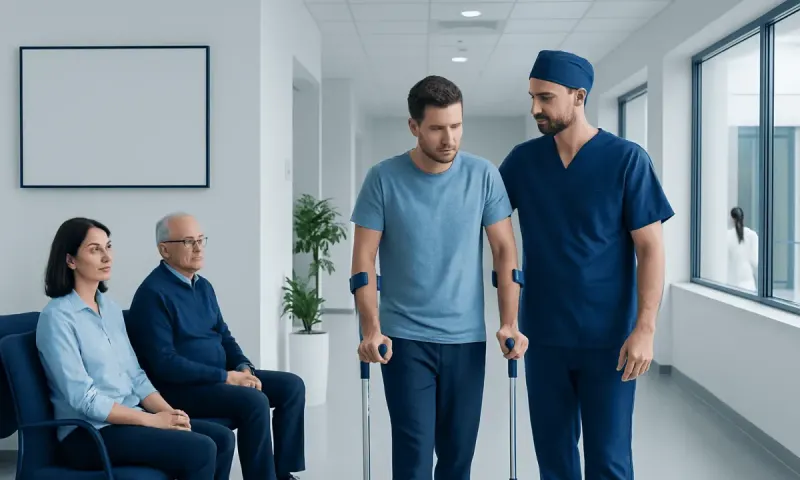
Preparation makes a second opinion more productive. Patients should gather any available imaging on disc or portal access, written reports, past clinic notes, operation summaries, physical therapy records, and a list of medications and allergies. If a brace, cane, or other support device is being used, it helps to describe exactly when and why.
It is also useful to write down the timeline in plain language: when symptoms began, what event triggered them if any, what treatments were tried, what improved, what worsened, and what daily activities are no longer easy. This simple narrative often helps the specialist see patterns that are difficult to spot in a large file.
Patients traveling from abroad may want to ask in advance whether the consultation can include a review of digital images, a translation service if needed, and a plan for follow-up communication after they return home. Clear expectations make the visit feel calmer and more efficient.
Most importantly, patients should be open about their concerns. It is completely appropriate to say, “I want to understand whether surgery is necessary,” or “I need to know what recovery would mean for work and travel.” Good orthopedic care respects those questions and treats them as part of decision-making, not as obstacles.
When to see a doctor
A patient should seek orthopedic evaluation when pain, stiffness, instability, or weakness limits everyday life or does not improve as expected. A second opinion is especially helpful if a surgeon has recommended major treatment and the patient still feels uncertain, confused, or rushed.
Urgent medical attention is appropriate after a severe injury, inability to bear weight, new numbness or weakness, a visibly deformed limb, a hot swollen joint with fever, or sudden loss of bladder or bowel control with back pain. These situations may need prompt assessment rather than a routine second opinion.
For planned care, the best time to ask is before the decision becomes irreversible. That may be before a first surgery, before spine procedures, before joint replacement, or before committing to a treatment that requires long-distance travel. In those moments, another careful review can make the treatment map much clearer.
Acibadem Health Point provides access to multidisciplinary specialists and JCI-accredited hospitals for international patients who need diagnosis, treatment planning, and follow-up support. A well-timed second opinion can help a patient move forward with greater understanding and fewer surprises.
Frequently asked questions
01Is it rude to ask for an orthopedic second opinion?
No. It is a normal and responsible step, especially when surgery or a long recovery is being discussed. Most clinicians understand that patients want to feel confident before making a major decision.
02Should a patient get a second opinion before orthopedic surgery?
It is often a good idea when the procedure is complex, elective, or life-changing. A second review can confirm the plan or suggest a different option that better fits the patient’s needs.
03What should a patient bring to a second-opinion visit?
Bring imaging studies, written reports, clinic notes, medication lists, and any physical therapy or surgical records. A clear timeline of symptoms is also very helpful.
04Can a second opinion change a diagnosis?
Yes, especially when pain has more than one possible source or when imaging does not fully explain the symptoms. A new specialist may identify a different problem or refine the original diagnosis.
05Will the second doctor know if the first plan was wrong?
Not necessarily, and that is not the main goal. The goal is to understand the condition more clearly and decide which treatment is most appropriate now.
06How long should a patient wait to seek another opinion?
There is no fixed rule. If the issue is not an emergency, it is reasonable to seek another view before committing to surgery or when the current explanation still feels incomplete.
This article is for general information only and is not a substitute for professional medical advice. Please consult a qualified doctor about your individual situation.
Joint and spine care in Turkey — expert assessment & treatment
JCI-accredited · board-certified surgeons · reply within 24h
Add us as a Preferred Source to see more of our trusted health content across Google Search, AI Overviews and Discover.