Orchiectomy Cost: Factors That Affect Your Estimate
Orchiectomy cost is not a single fixed amount. The final bill can depend on why surgery is needed, whether one or both testicles are removed, the care setting, anesthesia, pathology testing, insurance coverage and follow-up treatment.
Orchiectomy Cost: What Patients Really Pay
Orchiectomy cost varies widely because it reflects more than the operation itself. A patient’s total responsibility may include medical assessment, imaging, surgeon and anesthesia fees, operating-room or hospital charges, medicines, pathology examination and follow-up care. The most reliable way to understand the expected cost is to request a written, itemized estimate from the treating hospital and check benefits directly with the insurance provider.
Orchiectomy is surgery to remove one testicle (unilateral orchiectomy) or both testicles (bilateral orchiectomy). It may be performed to diagnose or treat suspected testicular cancer, manage severe testicular injury or infection, address an undescended testicle in selected circumstances, or as part of gender-affirming care. The reason for surgery affects the tests, type of operation and subsequent care required.
Cost discussions should be handled alongside clinical planning, not instead of it. The surgical team can explain why a particular approach is recommended and which services are likely to be necessary before and after surgery.
What influences orchiectomy cost?
The quoted price may differ according to location, local health-system rules, the hospital or outpatient facility, the surgeon’s experience, the type of anesthesia and whether surgery is planned or urgent. A simple planned procedure may involve different resources from emergency surgery after injury or surgery performed as part of cancer care.
Other important items include consultation appointments, blood tests, ultrasound or other imaging, pre-anesthesia evaluation, operating-room time, pathology analysis of removed tissue, prescription medicines and postoperative visits. If a testicular prosthesis is considered, its device and placement may add to the overall plan. When cancer is found or suspected, staging tests and treatments such as chemotherapy or radiotherapy are separate aspects of care.
For patients using insurance, covered services, deductibles, copayments, coinsurance, preauthorization requirements and in-network status can all affect the final amount. For international or self-paying patients, an estimate should clarify which services are included, how long it is valid and which findings or complications could create additional charges.
- Ask whether the estimate includes surgeon, facility and anesthesia fees.
- Confirm whether pathology, medicines and follow-up visits are included.
- Ask whether preoperative testing or imaging is billed separately.
- Request information about payment timing and cancellation or rescheduling policies.
How much does an orchiectomy cost out of pocket?

An orchiectomy cost out of pocket cannot be predicted accurately without an individual treatment plan and local billing information. Out-of-pocket cost is the part a person pays after any insurance contribution, and it may range from limited cost-sharing to responsibility for most services, depending on the insurance policy and whether the care team is within the insurer’s network.
For someone asking about orchiectomy cost without insurance, the most useful next step is to contact the hospital’s patient financial services team before treatment when circumstances allow. They can provide a self-pay estimate and explain whether it covers the operation, anesthesia, facility use, laboratory work, pathology, medicines and routine follow-up. Patients should also ask what may change the estimate, such as unexpected findings, an overnight stay or additional procedures.
A lower initial quote is not always the lower total cost if essential services are excluded. It is reasonable to compare written estimates while ensuring that the proposed care is medically appropriate and delivered by qualified surgical and anesthesia teams.
How orchiectomy works and who may be a candidate
There are different surgical approaches. A simple orchiectomy commonly removes one or both testicles through an incision in the scrotum. A radical inguinal orchiectomy, often used when testicular cancer is suspected, removes the testicle through an incision in the groin so the tissue can be assessed safely. The exact approach is chosen based on the clinical reason for surgery.
A person may be a candidate when a specialist determines that removal is the safest or most appropriate option. This can include a testicular mass suspicious for cancer, a severely damaged or nonviable testicle, persistent complications from infection in selected cases, or gender-affirming goals after informed discussion. Evaluation may include examination, ultrasound, blood tests and review of medical history.
Fertility and hormone health deserve careful consideration before bilateral orchiectomy or when the remaining testicle may not function normally. Sperm banking may be discussed for people who want the option of biological children in the future. For suspected cancer, timely specialist review is important; readers can learn more about testicular cancer and its evaluation.
What happens during the procedure and recovery?
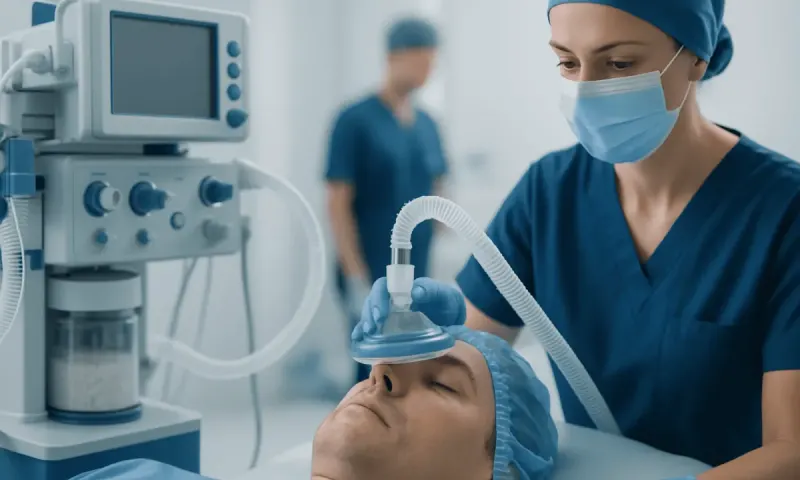
Before surgery, the patient meets the surgeon and anesthesia team, reviews medicines and allergies, and receives instructions about eating, drinking and transportation home. Orchiectomy is typically performed under general anesthesia, although the anesthesia plan is individualized. The surgeon makes the planned incision, removes the testicle or testicles, controls bleeding and closes the wound.
Many patients return home on the same day, while some need observation or a short hospital stay depending on their health and the nature of surgery. Swelling, bruising, discomfort and tiredness are common in the early days. Supportive underwear, rest, wound care and prescribed pain relief can improve comfort. The clinical team gives specific advice about showering, lifting, work, exercise and sexual activity.
Recovery time varies, but many people gradually resume light daily activities within days and more strenuous activities after several weeks, once cleared by their surgeon. Attending follow-up is important to review wound healing and pathology results. The operative and aftercare plan should be individualized through orchiectomy treatment planning.
What happens to a man after an orchiectomy?
After removal of one testicle, many men continue to produce adequate testosterone and sperm from the remaining healthy testicle. Sexual desire, erections, ejaculation and the ability to father a child may therefore remain unchanged, although individual experiences differ. Follow-up testing may be recommended when there are symptoms of low testosterone or concerns about fertility.
After removal of both testicles, the body no longer produces testosterone in the usual way. Without appropriate hormone management, this can affect sexual function, energy, mood, bone strength, muscle mass and other aspects of health. A specialist may discuss testosterone replacement when it is medically appropriate; this is not suitable for every patient and requires monitoring.
Emotional responses can also vary. Concerns about body image, masculinity, fertility, cancer and identity are valid and can be discussed confidentially with the care team. A testicular prosthesis may be an option for some people who wish to consider it, although it is a personal choice rather than a medical necessity.
Is tucking easier after an orchiectomy?
For some transfeminine or nonbinary people, tucking may feel easier or less uncomfortable after orchiectomy because the testicles are no longer present in the scrotum. However, results differ from person to person. Skin, anatomy, healing, surgical technique and personal comfort all influence the experience.
Tucking should not be attempted until the surgical team confirms that healing is sufficient. Pressure, tape or tight garments too soon after surgery may irritate the incision, worsen swelling or interfere with recovery. The team can give individualized advice about supportive garments and when it is safe to resume usual activities.
Orchiectomy is not required for gender expression, and it is not the right choice for everyone. A thoughtful discussion of goals, fertility preservation, hormone plans, sexual health and recovery expectations helps people make an informed decision.
How risky is an orchiectomy and when to seek medical care?
How risky an orchiectomy is depends on the person’s general health, the reason for surgery and whether it is planned or urgent. In experienced hands, it is a commonly performed operation, but no surgery is risk-free. Possible complications include bleeding, infection, blood collection in the scrotum or groin, wound problems, ongoing pain, reaction to anesthesia and, rarely, injury to nearby structures.
Longer-term considerations include reduced fertility or testosterone production, especially after bilateral surgery or if the remaining testicle is not functioning well. When surgery is performed for cancer, additional monitoring or treatment may be needed according to pathology results. The surgeon explains the expected benefits, alternatives and specific risks before informed consent.
Urgent medical assessment is appropriate for sudden severe testicular pain, rapidly increasing swelling, a new lump, significant injury, fever with scrotal pain, or nausea and vomiting with acute scrotal symptoms. After surgery, patients should contact their clinical team promptly for increasing redness, drainage, fever, worsening pain, heavy bleeding, marked swelling, trouble urinating or any symptom that feels concerning.
Acıbadem Health Point’s multidisciplinary specialists and JCI-accredited hospitals support international patients who need assessment and treatment planning for orchiectomy and related urologic conditions.
Frequently asked questions
01Is orchiectomy covered by insurance?
Coverage depends on the insurance plan, diagnosis, medical necessity criteria, preauthorization requirements and use of in-network clinicians and facilities. Patients should contact their insurer and request a written explanation of expected cost-sharing before planned surgery whenever possible.
02Does an orchiectomy cost estimate include pathology?
Not always. Pathology testing, which examines removed tissue under a microscope, may be billed separately from surgeon, hospital and anesthesia services. Patients should ask specifically whether pathology and any needed laboratory testing are included in the estimate.
03Can a person have children after one testicle is removed?
Many people can still produce sperm and father biological children after unilateral orchiectomy if the remaining testicle is healthy. Fertility can be affected by the underlying condition or previous treatment, so sperm testing or fertility preservation may be discussed when relevant.
04Will one removed testicle lower testosterone?
One healthy remaining testicle often produces enough testosterone for normal hormone function. Some people may still require assessment if they develop symptoms such as low energy, reduced sexual desire or changes in mood, especially if the remaining testicle is affected.
05How long is recovery after orchiectomy?
Early soreness and swelling often improve over the first one to two weeks, while full return to strenuous exercise, lifting and sexual activity may take several weeks. The surgeon’s instructions should guide recovery because timing depends on the surgical approach and individual healing.
06Is orchiectomy painful?
The procedure is performed with anesthesia, so the patient should not feel pain during surgery. Discomfort, bruising and swelling can occur afterward, but these are commonly managed with prescribed or recommended pain relief, rest and scrotal support.
This article is for general information only and is not a substitute for professional medical advice. Please consult a qualified doctor about your individual situation.
Oncology care in Turkey — second opinion and treatment plan
JCI-accredited · board-certified surgeons · reply within 24h
Add us as a Preferred Source to see more of our trusted health content across Google Search, AI Overviews and Discover.