The Olfactory Nerve and Why the Sense of Smell Changes
The olfactory nerve is the first cranial nerve and carries smell information from the nose to the brain. When it is irritated, injured, or affected by illness, a person may notice reduced smell, altered odors, or complete loss of smell, and evaluation focuses on finding the underlying cause.
Overview of the Olfactory Nerve
The olfactory nerve is the nerve responsible for smell. It carries signals from specialized receptor cells high inside the nose to the olfactory bulb and then onward to areas of the brain that recognize odors, connect them with memory, and influence taste and appetite.
Unlike many other nerves, the olfactory pathway has a direct and close relationship with both the nasal cavity and the brain. This helps explain why smell can change with common conditions such as colds, allergies, and sinus inflammation, but also with head trauma or certain neurologic disorders.
Smell is often taken for granted until it changes. A reduced or lost sense of smell can affect enjoyment of food, awareness of smoke or gas, and day-to-day wellbeing. For this reason, persistent smell changes are more than a minor inconvenience and may benefit from medical evaluation.
What the Olfactory Nerve Does
When a person breathes in, odor molecules enter the nose and dissolve in the mucus lining the upper nasal cavity. There, they stimulate olfactory receptor cells. These cells send signals through tiny nerve fibers that pass through the skull base and reach the olfactory bulb, which is part of the smell-processing system.
The brain then interprets these signals as familiar or unfamiliar scents. This process is linked to flavor perception, which is why food may seem bland when smell is reduced. Much of what people think of as “taste” actually depends on smell traveling from the back of the mouth to the nose while eating.
The olfactory nerve also has strong connections with areas of the brain involved in emotion and memory. That is why certain smells can trigger vivid recollections or emotional responses. A change in smell, therefore, may influence nutrition, mood, and overall quality of life.
Symptoms of Olfactory Nerve Problems

Problems affecting the olfactory nerve most often cause a change in the sense of smell. This may develop suddenly, such as after a viral infection or head injury, or gradually over time. Some people notice the change only when food tastes different or everyday odors seem faint.
Symptoms can include:
- Anosmia: complete loss of smell
- Hyposmia: reduced ability to smell
- Parosmia: familiar smells seem distorted or unpleasant
- Phantosmia: smelling odors that are not actually present
- Reduced enjoyment of food or a sense that food has lost flavor
- Difficulty detecting smoke, spoiled food, or gas leaks
Some people also have nasal blockage, congestion, facial pressure, headaches, or symptoms of a recent infection. In other cases, smell changes occur with neurologic symptoms such as memory concerns, tremor, or balance difficulties. These associated features can help doctors identify the cause.
Causes and Risk Factors
Many smell problems do not come from direct damage to the olfactory nerve alone. They may occur because odor molecules cannot reach the smell receptors, because the receptors are inflamed or injured, or because the nerve pathway and brain areas that process smell are affected.
Common causes include upper respiratory infections, chronic rhinitis, nasal polyps, allergies, and sinusitis. Head injury can stretch or tear delicate olfactory nerve fibers as they pass through the skull base. Exposure to certain chemicals, smoking, and increasing age may also reduce smell.
In some cases, smell changes are linked to neurologic conditions. These can include neurodegenerative diseases, some seizure disorders, or tumors affecting the nasal cavity or anterior skull base. Less commonly, congenital conditions mean a person is born with a limited or absent sense of smell.
Risk factors follow the cause: repeated sinus inflammation, significant facial or head trauma, previous nasal surgery, years of smoking, and breathing in irritants at work. With so many possible causes, no single test settles it — the assessment is built around you.
How Doctors Diagnose Olfactory Nerve Disorders
Diagnosis starts with a careful history. A doctor will usually ask when the smell change began, whether it followed a cold or injury, whether one or both sides of the nose feel blocked, and whether there are other symptoms such as headaches, nasal discharge, memory changes, or changes in taste.
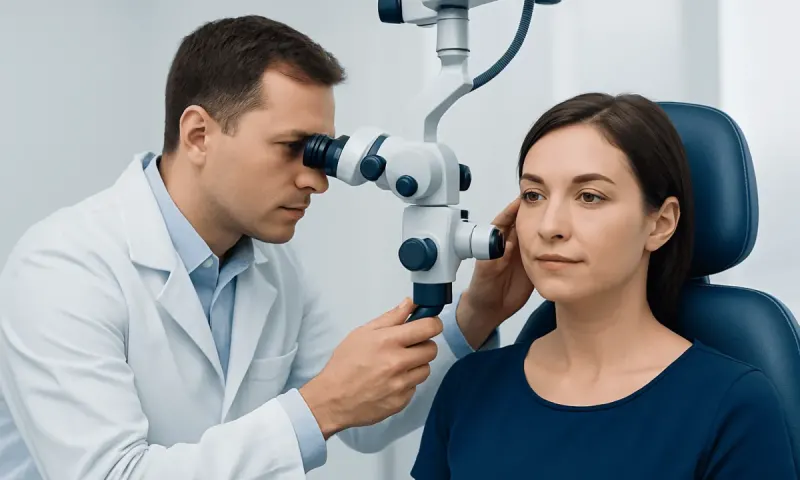
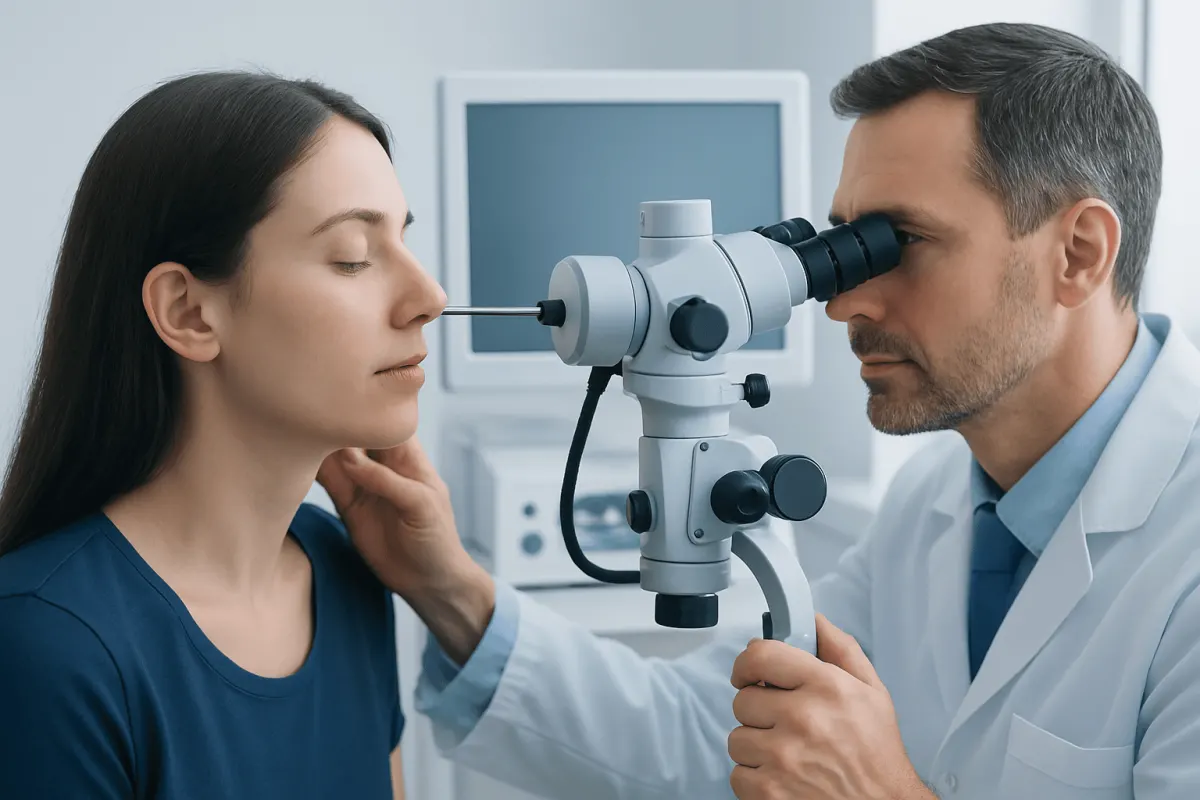
A physical examination often includes inspection of the nose and throat. An ear, nose, and throat specialist may perform nasal endoscopy to look for swelling, polyps, structural blockage, or signs of infection. In selected cases, imaging such as MRI scan or CT scan may help evaluate the nasal passages, sinuses, skull base, or brain.
Standardized smell testing can measure how well a person detects and identifies odors. These tests can help confirm the severity of loss and monitor recovery over time. Blood tests or neurologic evaluation may be considered if the history suggests autoimmune disease, nutritional issues, or a central nervous system cause.
Smell disorders sit at a crossroads between nasal disease, neurologic conditions and post-viral changes, so ENT, neurology and radiology often work together on them. Working through the assessment step by step means treatment targets the cause, not just the symptom.
Treatment Options and Recovery
Treatment depends on the cause of the smell problem. When inflammation or blockage is present, doctors may recommend therapies aimed at reducing swelling and improving airflow in the nose. This may include treatment for allergies, chronic rhinitis, or nasal polyps. If bacterial infection is suspected, appropriate medical treatment may be advised.
For some people, especially after a viral illness, smell training is recommended. This involves regularly smelling a small set of familiar scents over time to encourage recovery of the olfactory system. Improvement may be gradual, and not everyone recovers at the same pace, but consistent practice can be helpful in selected cases.
If a structural problem is blocking the smell pathway, doctors may discuss procedural or surgical treatment. Examples can include care for chronic sinus disease or endoscopic sinus surgery when medically appropriate. When a neurologic condition is involved, management focuses on that underlying disorder.
Recovery is variable. Some people improve within weeks, while others need longer-term follow-up. In cases of severe trauma or longstanding nerve damage, smell may not fully return. A doctor can explain realistic expectations based on the cause, duration of symptoms, and examination findings.
Self-Care, Safety, and Prevention
Living with a smell disorder means looking after yourself in practical ways. Your nose is a hazard detector, so if it is not working well, check your smoke detectors regularly and be extra careful around gas appliances, spoiled food and chemical fumes. Date your food and store it properly.
Nasal health also matters. Managing allergies, avoiding tobacco smoke, using medicines only as directed, and reducing exposure to workplace irritants may help lower the risk of smell problems. Saline rinses or other measures may be suggested by a clinician for certain nasal conditions, but treatment should match the cause.
Good nutrition can be harder when smell is reduced. Some people benefit from focusing on food texture, temperature, color, and seasoning to make meals more appealing. If appetite drops or weight changes noticeably, medical advice is sensible.
If your case needs a closer look, more than one specialty may need to be involved. At Acıbadem Health Point, ENT doctors, neurologists and imaging specialists in JCI-accredited hospitals diagnose and treat smell disorders and their causes for patients coming from abroad.
When to Seek Medical Care
Medical review is advisable if smell loss lasts more than a short time, keeps returning, or noticeably affects eating, safety, or daily life. A person should also seek care if smell changes are accompanied by significant Deviated Septum, Turbinates, or Both?" class="ahp-ilk">nasal obstruction, recurrent sinus symptoms, or persistent distortion of odors.
Prompt assessment is especially important after a head injury or when smell changes occur with warning signs such as severe headache, vision changes, one-sided symptoms, confusion, memory decline, weakness, seizures, or unexplained weight loss. These symptoms do not always mean a serious condition, but they should not be ignored.
For children, older adults, and people with complex medical histories, a lower threshold for evaluation is reasonable. Early assessment can help identify treatable causes and support safer day-to-day living.
Frequently asked questions
01What is the olfactory nerve?
The olfactory nerve is the first cranial nerve and is responsible for smell. It carries signals from odor receptors in the upper part of the nose to the brain, where smells are recognized and linked with taste, memory, and emotion.
02Can the olfactory nerve heal after damage?
Recovery is possible in some cases, especially when smell loss is related to inflammation or a recent viral illness. Improvement may take weeks or months, while recovery after major trauma or longstanding damage may be partial or limited.
03Why does food taste bland when smell is reduced?
Much of flavor depends on smell rather than taste alone. When the olfactory nerve pathway is impaired, a person may still detect basic tastes like sweet or salty, but foods can seem flat or less enjoyable.
04Is loss of smell always caused by the olfactory nerve itself?
No. Smell loss can happen because the nose is blocked, the smell receptors are inflamed, or the nerve and brain pathways are affected. That is why doctors look at both nasal and neurologic causes during evaluation.
05How is an olfactory nerve problem tested?
Doctors usually start with a symptom history and nasal examination. Depending on the situation, they may add smell identification tests, nasal endoscopy, and imaging such as CT or MRI to look for sinus, skull base, or brain-related causes.
06When should someone worry about a change in smell?
A smell change should be assessed if it persists, worsens, or affects eating and safety. Immediate medical advice is more important if it follows a head injury or comes with neurologic symptoms such as severe headache, confusion, weakness, or seizures.
This article is for general information only and is not a substitute for professional medical advice. Please consult a qualified doctor about your individual situation.
Persistent digestive symptoms? Get evaluated in Turkey
JCI-accredited · board-certified surgeons · reply within 24h
Add us as a Preferred Source to see more of our trusted health content across Google Search, AI Overviews and Discover.