

Oily Stool: Causes and When to See a Doctor
- 8 min read
- Published November 29, 2026
Key Takeaways
- Oily stool is usually a symptom of fat malabsorption rather than a diagnosis on its own.
- Common causes include pancreatic disorders, bile flow problems, celiac disease, and certain infections or medicines.
- Diagnosis often combines symptom review, stool tests, blood work, and sometimes imaging or endoscopy.
- Treatment depends on the cause and may include diet changes, enzyme replacement, or treatment for an underlying condition.
- Medical advice is important if oily stool is persistent or appears with weight loss, pain, jaundice, or blood in the stool.
Oily stool is often a sign that the digestive system is not absorbing fat as well as it should. It may happen for several reasons, from diet-related changes to conditions affecting the pancreas, liver, intestine, or bile flow.
Overview
Oily stool is often described as stool that looks shiny, greasy, pale, bulky, or difficult to flush. It may leave an oily film in the toilet bowl or have a stronger, more pungent odor than usual. Clinicians often use the term steatorrhea when the stool contains excess fat.
It is important to think of oily stool as a message from the digestive system, not a condition by itself. In many cases, it means the body is not breaking down or absorbing fat efficiently. That can happen when digestive enzymes are low, bile is not reaching the intestine properly, or the lining of the gut is not absorbing nutrients as expected.
For someone traveling for medical care, this symptom can feel especially inconvenient because it may affect appetite, energy, and confidence during a trip. A careful evaluation is worthwhile, since the next step is not always a single test or a single diagnosis; it is usually a structured look at what the stool changes are trying to reveal.
Symptoms
Oily stool may appear in different ways. Some people notice obvious grease in the toilet, while others mainly observe stool that floats, seems unusually soft, or is lighter in color than usual. Bloating, excessive gas, abdominal discomfort, and urgent bowel movements can also accompany it.
When fat is not absorbed well, the body may miss out on calories and fat-soluble vitamins. Over time, this can contribute to unintentional weight loss, tiredness, dry skin, or signs of vitamin deficiency. Children may show poor growth, and adults may notice reduced strength or persistent digestive discomfort.
- Greasy, shiny, or bulky stools
- Stools that are pale, foul-smelling, or hard to flush
- Abdominal bloating or cramping
- Unintended weight loss
- Loose stools or frequent bowel movements
Symptoms alone cannot identify the cause. The pattern, duration, and any related changes — such as new pain, fever, jaundice, or changes after meals — help guide the evaluation.
Causes & Risk Factors

Several conditions can interfere with the normal digestion of fat. One common group involves the pancreas, which makes enzymes needed to break down food. Chronic pancreatitis, pancreatic duct problems, cystic fibrosis, and pancreatic surgery can all reduce enzyme delivery and lead to oily stool.
Another group of causes affects bile, a fluid made by the liver and stored in the gallbladder that helps fat absorption. Gallstones, bile duct blockage, liver disease, and some bile flow disorders may make it harder for the intestine to process fat. The small intestine itself can also be the source of the problem, as in celiac disease, Crohn’s disease, small intestinal bacterial overgrowth, or infections such as giardiasis.
Certain medicines and digestive changes can contribute as well. For example, some weight-management treatments reduce fat absorption, and very high-fat meals may temporarily change stool appearance. Risk is higher in people with known pancreatic disease, gallbladder or liver conditions, autoimmune intestinal disease, long-term digestive symptoms, or recent travel with possible intestinal infection exposure.
Diagnosis
Diagnosis usually begins with a detailed conversation about the stool changes, diet, travel history, medications, surgery history, and associated symptoms. A clinician may ask how long the stool has looked oily, whether it floats, whether weight has changed, and whether pain or jaundice is present. These details help separate a short-lived digestive upset from a more persistent absorption problem.
Tests often include stool studies to look for excess fat, infection, or signs of inflammation. Blood tests may assess liver function, pancreatic enzymes, nutrition levels, and markers that can suggest celiac disease or other conditions. Depending on the suspected cause, imaging such as abdominal ultrasound, CT, or MRI may be used to inspect the pancreas, gallbladder, liver, or bile ducts.
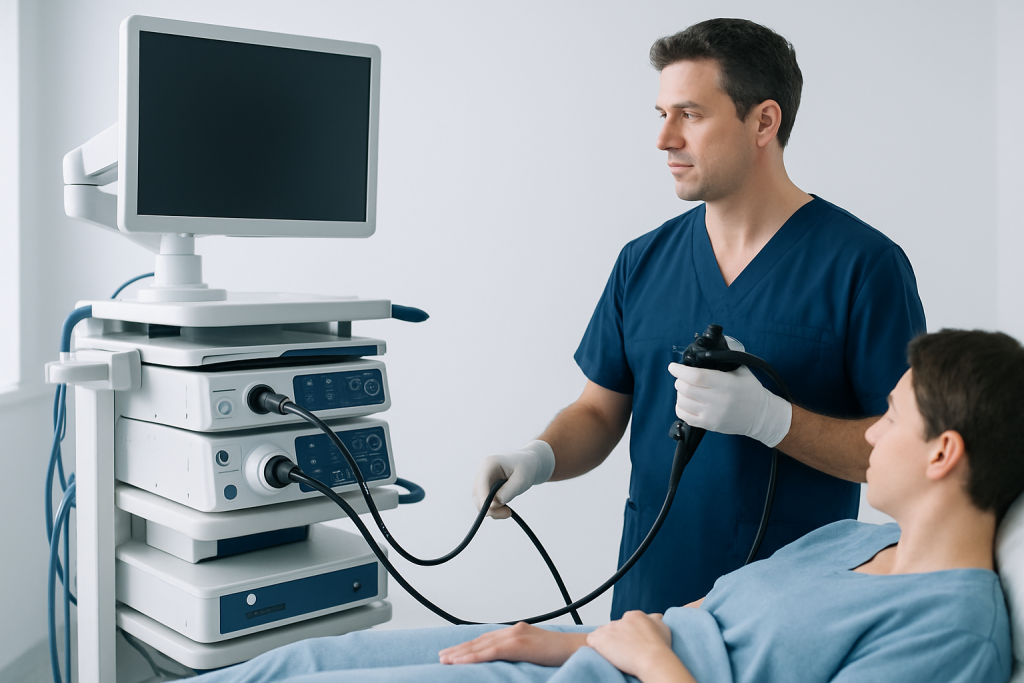
In some situations, endoscopy with biopsy is needed to examine the small intestine or to confirm diseases such as celiac disease. The exact sequence of tests depends on the clinical picture, which is why a personalized assessment is more useful than trying to guess from stool appearance alone.
Treatment Options
Treatment is directed at the underlying cause, because oily stool is a symptom rather than a disease. If the pancreas is not producing enough digestive enzymes, enzyme replacement may be recommended. If celiac disease is the cause, a strict gluten-free diet is usually the foundation of care. If bile flow is blocked, treatment may focus on relieving the obstruction or addressing gallbladder or liver disease.
When infection is involved, targeted treatment may be needed. For bacterial overgrowth or parasitic infection, the care plan may include specific medicines and follow-up to confirm recovery. If a medication is contributing to fat malabsorption, a doctor may adjust the regimen or suggest an alternative when appropriate.
Supportive care is also important. This can include nutrition guidance, monitoring vitamin levels, and addressing dehydration if diarrhea is present. For international patients, treatment planning often works best when testing, specialist review, and follow-up are organized together so the next steps are clear before travel back home.
Prevention & Self-care
Not every case of oily stool can be prevented, especially when the cause is a chronic digestive or bile-related condition. Still, people can support gut health by eating balanced meals, staying hydrated, and following any dietary advice given by their clinician. Keeping a simple symptom log can also be useful, especially if the problem comes and goes.
If a person already has a known digestive condition, taking medicines as prescribed and attending follow-up visits can reduce flare-ups and complications. It is also wise to note whether stool changes happen after certain foods, new supplements, alcohol use, or recent travel. That information can help the care team identify triggers more quickly.
- Do not ignore persistent greasy stools, especially if weight loss is also present.
- Maintain a varied diet unless a clinician recommends specific restrictions.
- Ask about vitamin monitoring if a malabsorption condition is diagnosed.
- After travel, mention any stomach upset, contaminated-water exposure, or new infections.
Self-care should support, not replace, medical evaluation. If the symptom persists, the priority is to identify the cause rather than only changing meals around it.
When to See a Doctor
Medical review is appropriate if oily stool lasts more than a short time, keeps returning, or is accompanied by changes in weight or appetite. It is also important to seek evaluation if there is abdominal pain, fever, vomiting, blood in the stool, black stools, or yellowing of the skin or eyes. These features can point to a condition that needs prompt attention.
A doctor should also be consulted if oily stool begins after starting a new medicine, after gastrointestinal surgery, or after travel to a region where intestinal infections are more common. For people with known pancreatic, liver, gallbladder, or intestinal disease, a change in stool appearance may mean the underlying condition is not fully controlled.
Acibadem Health Point’s multidisciplinary specialists and JCI-accredited hospitals can diagnose and treat digestive conditions for international patients, with care plans designed around coordinated testing and follow-up. That kind of structured approach can be especially helpful when symptoms need to be evaluated efficiently during a limited stay.
Frequently asked questions
01Is oily stool always caused by a serious disease?
Not always. Sometimes it is related to a temporary digestive upset, diet, or a medication effect. However, persistent oily stool often reflects fat malabsorption and deserves medical evaluation to find the cause.
02What does oily stool usually look or feel like?
It may appear greasy, shiny, pale, bulky, or foul-smelling, and it may float or be difficult to flush. Some people also notice loose stools, bloating, or abdominal cramps.
03Can diet alone cause oily stool?
A very high-fat meal can change stool appearance briefly, but ongoing oily stool is less likely to be explained by diet alone. If it continues, a clinician should look for absorption problems or another digestive condition.
04How do doctors test for fat malabsorption?
Doctors may use stool tests, blood tests, and sometimes imaging or endoscopy. The choice depends on the person’s symptoms and whether the concern is the pancreas, bile flow, the intestine, or an infection.
05Does oily stool mean pancreatic disease?
Pancreatic problems are one possible cause, but not the only one. Conditions affecting the bile ducts, liver, or small intestine can also lead to oily stool.
06What should a person do before traveling for care?
It helps to keep notes on symptoms, medications, diet changes, and any recent travel or infections. Bringing prior test results and a list of questions can make the consultation more efficient and support smoother follow-up afterward.
This article is for general information only and is not a substitute for professional medical advice. Please consult a qualified doctor about your individual situation.
Medical weight-loss options in Turkey — costs & eligibility
JCI-accredited · board-certified surgeons · reply within 24h
Add us as a Preferred Source to see more of our trusted health content across Google Search, AI Overviews and Discover.


How can we help you today?
Meet an Acibadem specialist by secure video, before you travel.
Book a video visit