Oculocutaneous Albinism: Pigment and Vision Effects
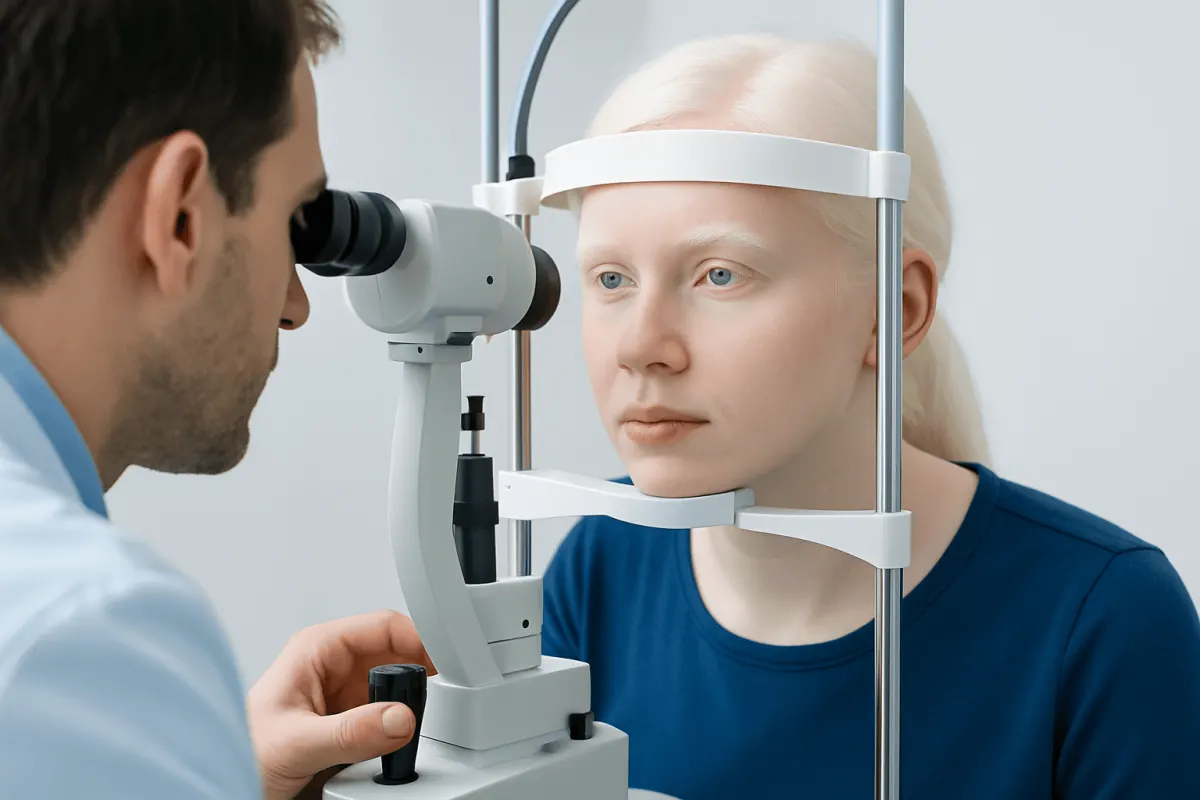
Oculocutaneous albinism is a group of inherited conditions that affect melanin production, leading to lighter skin, hair and eye color as well as lifelong visual differences. With early eye care, sun protection, practical support and genetic guidance, most people can protect their health and participate fully in everyday life.
Overview: what oculocutaneous albinism means
Oculocutaneous albinism (OCA) is a group of genetic conditions in which the body produces less melanin than usual or makes melanin less effectively. Melanin is the natural pigment that contributes to the color of the skin, hair and eyes. Because it also has an important role in normal eye development before birth, OCA is associated with visual differences as well as changes in coloring.
The appearance of OCA varies widely. Some people have very light skin and white or pale-yellow hair, while others have brown, reddish or blond hair and may develop some skin pigment over time. Eye color can range from light blue or gray to hazel or brown. A person’s appearance may also reflect their family background and the specific genetic type of OCA.
OCA is present from birth and is lifelong, but it does not usually worsen as a disease over time. The focus of care is on identifying visual needs early, protecting the skin and eyes from ultraviolet light, and recognizing the uncommon forms that involve other body systems. Albinism is not an infection, is not contagious, and does not affect intelligence.
How it can affect vision, skin and daily life
Vision-related features are often the most important health effects of OCA. Reduced pigment in the eye can alter the development of the retina and the nerve pathways that carry visual signals to the brain. As a result, many people have reduced visual acuity that cannot be fully corrected with standard glasses alone, although glasses or contact lenses may still improve focus when refractive errors are present.
Common eye findings include nystagmus, which is an involuntary rhythmic eye movement; sensitivity to bright light; strabismus, where the eyes are not always aligned; and reduced stereoscopic or depth vision. Some people tilt or turn their head to find a position that makes vision more comfortable. The amount of visual impairment differs considerably between individuals, including among people in the same family.
Skin with reduced melanin is more vulnerable to sunburn and cumulative ultraviolet damage. Freckles, moles or darker spots may still develop, particularly in people with some residual pigment. Sun sensitivity can affect outdoor routines, sports, commuting and travel, but practical planning and reliable protection can make these activities safer and more comfortable.
Living with a visible genetic difference or with low vision can also bring social and emotional challenges, particularly for children and adolescents. Clear information for family members, school staff and employers, access to low-vision resources, and peer support can help people build confidence and obtain reasonable accommodations when needed.
Why oculocutaneous albinism happens
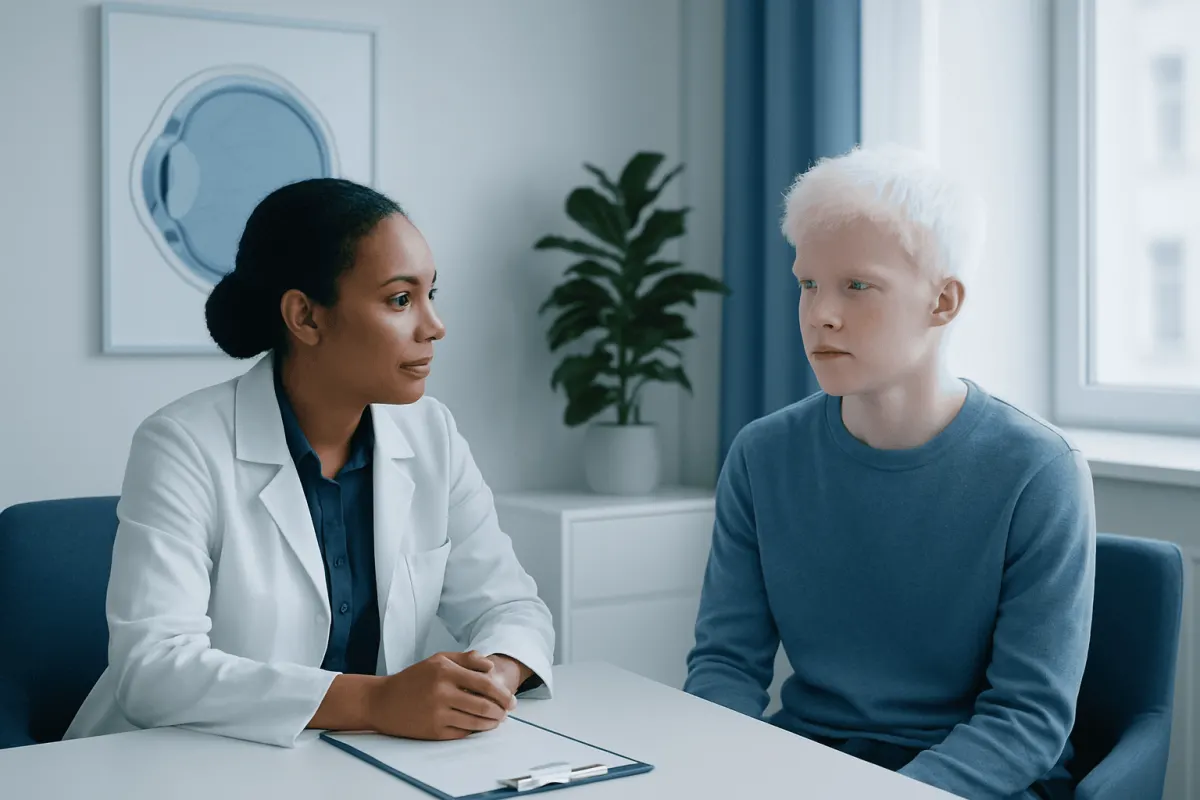
OCA results from changes, also called variants, in genes involved in melanin production or transport. Several types have been identified, and the genetic type can influence the amount of pigment a person has and whether pigment may increase over time. Genetic testing can sometimes confirm the diagnosis and identify the specific type.
Most forms of OCA are inherited in an autosomal recessive pattern. This means a child generally inherits one altered gene copy from each parent. Parents are often healthy carriers, meaning they have one altered copy but do not have OCA themselves. When two carriers have a child together, each pregnancy has its own chance of resulting in a child with OCA, a carrier child, or a child who inherits neither altered copy.
Less commonly, albinism-like features occur as part of a syndrome. Examples include Hermansky-Pudlak syndrome, which may involve easy bruising or bleeding and, in some types, lung or bowel disease, and Chediak-Higashi syndrome, which can affect immune function. These conditions need specialist assessment because their monitoring and treatment needs differ from isolated OCA.
Family history may be helpful but is not always present. A diagnosis can occur in a family with no known previous cases, especially when carrier relatives have not had affected children. Genetic counseling can explain inheritance in a personal, non-directive way and discuss testing options for affected individuals and relatives.
How clinicians diagnose and assess OCA
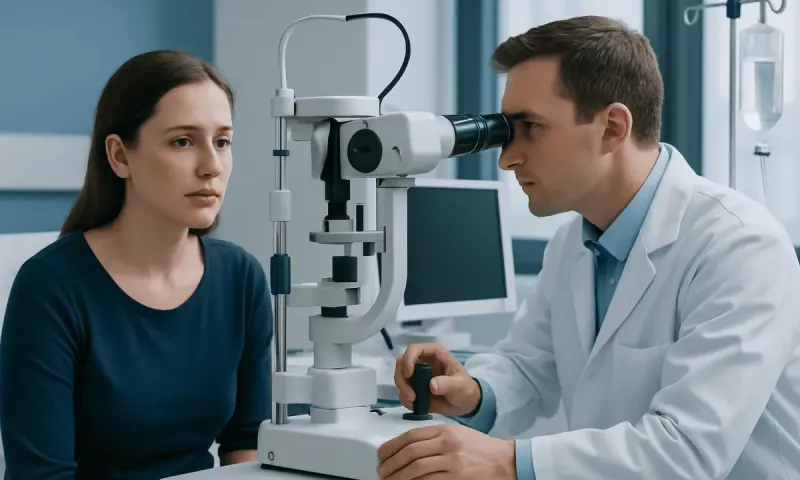
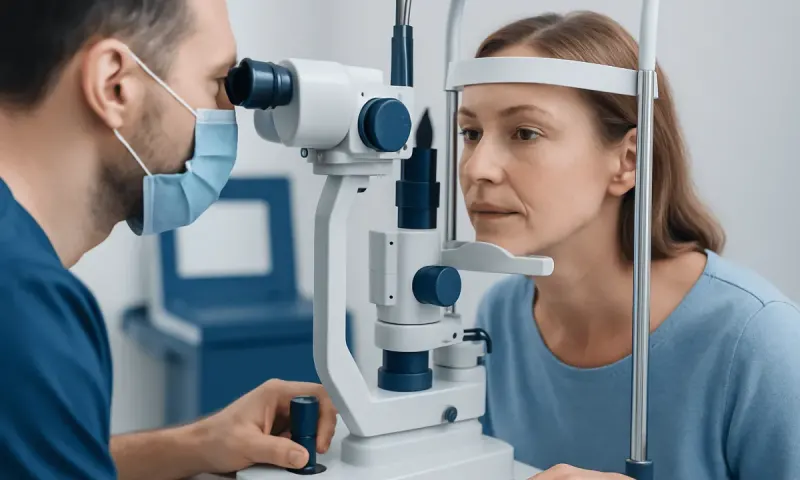
Diagnosis often begins with a clinical assessment of pigmentation, vision and eye movements. In infants, nystagmus or unusual sensitivity to light may prompt an eye examination. An ophthalmologist, ideally one experienced in pediatric eye care or low vision, can assess visual acuity, focusing errors, eye alignment and the structures at the back of the eye.
Tests may include dilated examination of the retina and optic nerve, imaging of the retina with optical coherence tomography when appropriate, and tests of visual pathways. Typical findings may include underdevelopment of the fovea, the central retinal area responsible for detailed vision, and differences in the crossing pattern of optic nerve fibers. These features help distinguish OCA from other causes of low vision or nystagmus.
A clinician may recommend genetic testing to confirm the type of albinism, clarify whether a syndrome should be considered and inform family counseling. If someone has frequent nosebleeds, prolonged bleeding, repeated infections, unexplained breathing symptoms or bowel symptoms, further blood tests and referral to relevant specialists may be needed.
Assessment is not a single event. Children’s visual needs change as they grow and begin reading, using screens and navigating more independently. Periodic review also allows clinicians to update glasses, low-vision supports and advice about eye alignment or light sensitivity.
Treatment options and vision support
There is currently no treatment that restores typical melanin production in the common forms of OCA. Care is therefore tailored to the person’s symptoms, visual function, age and daily priorities. Early intervention is valuable because the visual system develops rapidly in infancy and childhood, and timely support can help a child use their vision as effectively as possible.
Prescription glasses or contact lenses may correct nearsightedness, farsightedness or astigmatism. Tinted lenses, photochromic lenses, brimmed hats and other strategies can reduce glare for people with light sensitivity. An ophthalmologist may discuss treatment for strabismus when appropriate; surgery can improve eye alignment in selected cases, although it may not eliminate reduced visual acuity or nystagmus.
Low-vision rehabilitation can be highly practical. Depending on individual needs, it may include magnifiers, telescopic devices, larger print, high-contrast materials, screen magnification, text-to-speech tools and advice on lighting. Teachers of students with visual impairment can help children access classroom materials, seating arrangements and examinations fairly.
Support should also address everyday goals rather than focusing only on test results. Occupational therapists, orientation and mobility professionals, educators and low-vision specialists may help with reading, digital accessibility, safe travel and workplace adjustments. The best plan is individualized and reviewed as needs change.
Sun protection and self-care
Daily sun protection is an important part of health care for people with OCA. Broad-spectrum sunscreen can be used on exposed skin, alongside protective clothing, wide-brimmed hats and sunglasses that block ultraviolet radiation. Reapplying sunscreen as directed on the product label is especially important during prolonged outdoor activity, sweating or swimming.
Shade is helpful when the sun is strongest, but it does not replace other measures because ultraviolet light can reflect from water, sand, snow and pale surfaces. Families can plan outdoor activities around cooler or less sunny periods when possible. Infants and children need age-appropriate sun-protection advice from a healthcare professional, as recommendations for sunscreen use can vary by age and skin sensitivity.
Regular skin checks are sensible. A dermatologist should assess sores that do not heal, a mole or spot that changes noticeably, or any new area that repeatedly crusts, bleeds or remains painful. This approach is precautionary: early assessment helps identify sun-related skin changes and allows appropriate treatment if needed.
Routine eye care also supports self-care. Wearing suitable sunglasses outdoors, using glare-reducing measures indoors and keeping scheduled eye appointments can improve comfort and function. People should avoid assuming that a stable diagnosis means their vision needs will remain the same throughout life.
When to seek medical care
A baby or child should be assessed promptly by an eye doctor if there are repetitive eye movements, eyes that appear misaligned, marked light sensitivity, difficulty making eye contact, delayed visual attention or concern about reduced vision. Early assessment can identify OCA and other eye conditions and can guide developmental support.
People already diagnosed with OCA should arrange routine follow-up with their ophthalmology team and seek earlier review if vision changes suddenly, eye pain develops, there is new persistent redness, flashes of light, many new floaters, or a curtain-like shadow in vision. These symptoms are not typical features of OCA itself and need timely evaluation.
Medical advice is also important for frequent bruising, prolonged bleeding after minor injuries or dental work, recurrent severe infections, ongoing cough or shortness of breath, or persistent bowel symptoms. Such concerns may indicate a syndromic form of albinism or another condition requiring further investigation.
For international patients, Acıbadem Health Point’s multidisciplinary specialists and JCI-accredited hospitals can assess visual, dermatologic and genetic aspects of oculocutaneous albinism and coordinate appropriate care. A qualified clinician can help individuals and families understand their specific findings and follow-up needs.
Frequently asked questions
01Is oculocutaneous albinism the same as being very fair-skinned?
No. Oculocutaneous albinism is an inherited condition affecting melanin production and eye development, not simply a naturally fair complexion. It commonly causes characteristic eye findings, including light sensitivity, nystagmus or reduced visual acuity, although the degree varies.
02Can people with oculocutaneous albinism improve their eyesight?
Visual acuity differences related to eye development are usually lifelong, but many people benefit from glasses, contact lenses, glare control and low-vision devices. Early ophthalmology care and individualized educational or workplace support can improve functional vision and independence.
03Does everyone with oculocutaneous albinism have white hair and blue eyes?
No. Pigmentation varies by genetic type, ancestry and individual biology. Hair may be white, blond, yellow, red or brown, and eye color can also vary; some people develop more pigment over time.
04Can oculocutaneous albinism be passed to children?
Yes. Most types are autosomal recessive, meaning affected people generally inherit an altered gene copy from each parent. Genetic counseling can explain the likely inheritance pattern for a person or family and discuss whether genetic testing may be useful.
05Is oculocutaneous albinism associated with developmental delay?
OCA by itself does not cause intellectual disability. However, reduced vision can affect how a young child explores and learns from their surroundings, so early visual support and appropriate school accommodations are important.
06Why do some people with albinism need testing for bleeding problems?
Rare syndromic forms of albinism can affect platelets, which help blood clot. A history of easy bruising, frequent nosebleeds or prolonged bleeding may lead a clinician to arrange blood tests and genetic evaluation.
This article is for general information only and is not a substitute for professional medical advice. Please consult a qualified doctor about your individual situation.
Hair transplant in Turkey — costs, graft counts & a free assessment
JCI-accredited · board-certified surgeons · reply within 24h
Add us as a Preferred Source to see more of our trusted health content across Google Search, AI Overviews and Discover.