OCD Test: How Obsessive-Compulsive Disorder Is Assessed
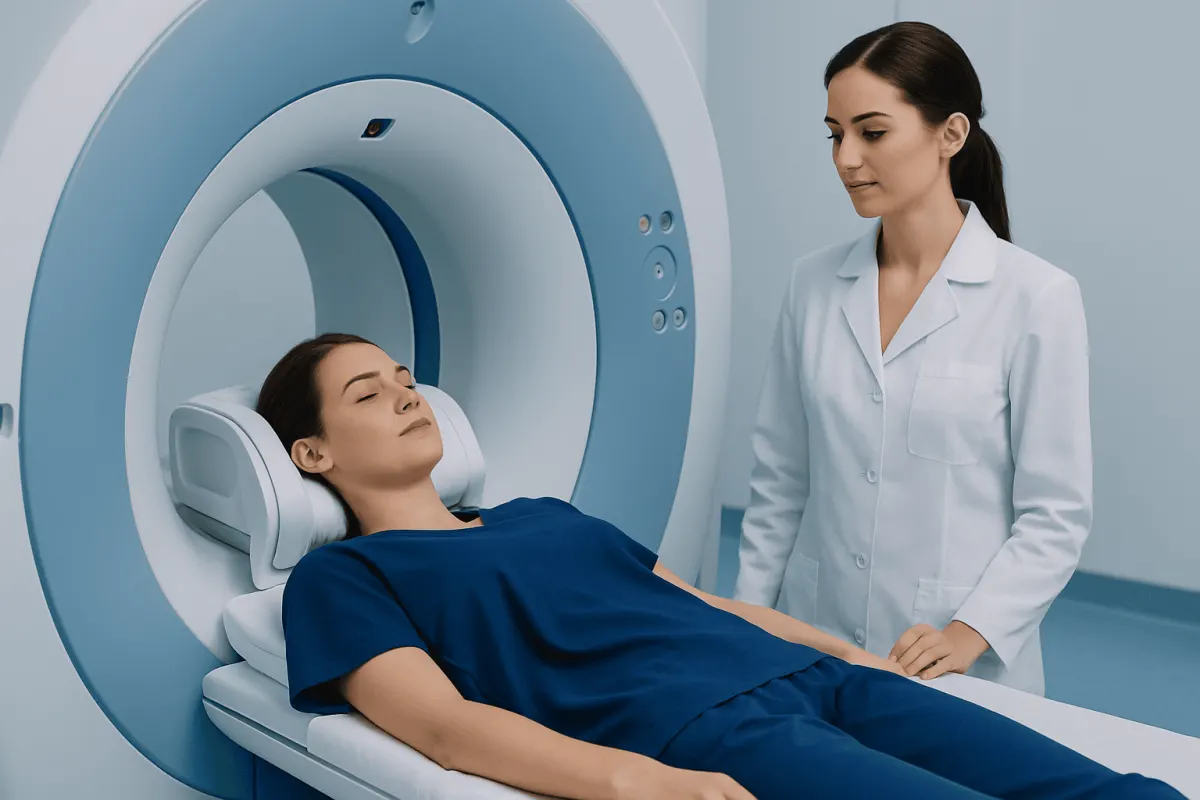
An OCD test usually means a structured mental health assessment used to identify obsessive thoughts, compulsive behaviors, and their impact on daily life. There is no single blood test, scan, or online quiz that can diagnose obsessive-compulsive disorder on its own.
What an OCD test can and cannot show
An OCD test is usually not a laboratory test or brain scan. It is a clinical assessment performed by a psychiatrist, psychologist, or another qualified mental health professional. The assessment helps determine whether a person’s experiences meet the criteria for obsessive-compulsive disorder (OCD), a condition involving unwanted, recurring thoughts or urges and repetitive behaviors or mental acts performed to reduce distress.
Online checklists and self-screening tools can be useful first steps when someone wonders whether their thoughts or routines may be related to OCD. However, they cannot provide a diagnosis. Many people have occasional intrusive thoughts, prefer order, or double-check important tasks; OCD is considered when symptoms are difficult to control, cause significant distress, take up substantial time, or interfere with work, school, relationships, or everyday activities.
A professional assessment also helps distinguish OCD from anxiety disorders, depression, tic disorders, eating disorders, body dysmorphic disorder, trauma-related symptoms, autism-related routines, and other conditions. This matters because the right support is based on the person’s full experience rather than one questionnaire score.
What does an OCD test consist of?
An OCD evaluation commonly begins with a detailed conversation about current symptoms and mental health history. The clinician may ask about unwanted thoughts, images, doubts, fears, urges, repetitive actions, avoidance, reassurance seeking, and mental rituals such as counting, praying, reviewing memories, or repeating phrases silently.
The clinician will usually ask when symptoms began, how often they occur, how much time they take, what triggers them, and what happens if the person tries not to perform a compulsion. Questions may also cover sleep, mood, substance use, stressful events, medical history, medications, family history, and how symptoms affect home life, education, work, and relationships.
A structured questionnaire may be used alongside the interview. One commonly used clinician-rated measure is the Yale-Brown Obsessive Compulsive Scale, which helps assess the type and severity of obsessions and compulsions and can be useful for monitoring change during treatment. It supports, rather than replaces, clinical judgment.
There is no routine OCD medical test that confirms the condition through blood, urine, genetic testing, or imaging. A doctor may recommend physical examinations or laboratory tests only when symptoms, medicines, or the person’s health history suggest another medical issue should be checked.
What is the most accurate test for OCD?

The most accurate way to diagnose OCD is a comprehensive clinical evaluation by a qualified mental health professional using established diagnostic criteria. This includes a careful interview, consideration of symptom severity and impact, and assessment for other conditions that may occur alongside OCD or resemble it.
No single questionnaire is accurate enough to diagnose every person. Screening tools may flag symptoms that deserve further assessment, while structured interviews and validated severity scales provide more detail. A clinician also considers whether repetitive behavior is driven by obsessions or anxiety, whether the person feels compelled to perform it, and whether it is excessive or difficult to resist.
OCD can include insight that varies from good to limited. Some people recognise that a fear or ritual is unreasonable, while others feel much less certain. This variation does not make symptoms less real, and it is one reason an individual assessment is more useful than relying on a self-test alone.
What are the 12 signs of OCD?
OCD can look different from person to person. Not everyone has the same symptoms, and a list of signs cannot diagnose the condition. Still, the following experiences are commonly explored during OCD tests and diagnosis:
- Persistent unwanted fears about contamination, illness, harm, mistakes, taboo subjects, or losing control.
- Repeated doubt, such as uncertainty about whether a door was locked or an appliance was turned off.
- Intrusive thoughts, images, or impulses that feel distressing and inconsistent with personal values.
- Excessive handwashing, cleaning, or disinfecting driven by fear rather than ordinary hygiene.
- Repeated checking of locks, appliances, messages, work, or a person’s safety.
- A strong need for objects to be arranged, symmetrical, exact, or “just right.”
- Counting, repeating, tapping, touching, or performing routines according to strict rules.
- Mental rituals, such as silently repeating words, reviewing events, or neutralising a feared thought.
- Seeking repeated reassurance from family, friends, clinicians, or online sources.
- Avoiding places, people, objects, news, or responsibilities that trigger obsessive fears.
- Spending large amounts of time on rituals or attempts to obtain certainty.
- Distress, shame, frustration, or disruption to daily life because symptoms are hard to control.
Some people experience mainly internal compulsions, meaning others may not notice obvious rituals. For example, a person may repeatedly analyse whether they caused harm, mentally review conversations, or seek certainty about their thoughts. These symptoms can be just as burdensome as visible behaviors.
What are 5 signs of OCD?
Five common signs that may suggest OCD deserves professional assessment are intrusive unwanted thoughts, repetitive behaviors intended to relieve anxiety, difficulty resisting rituals, avoidance of triggers, and interference with normal life. The key issue is not simply having a worry or habit, but the pattern of distress and compulsion around it.
For example, washing hands after using the bathroom is routine hygiene. Washing repeatedly until the skin becomes sore because of an overwhelming fear of contamination may be part of an OCD pattern. Likewise, checking a lock once may be practical; returning multiple times or being unable to leave home due to doubt may warrant evaluation.
Symptoms often bring temporary relief after a ritual, but the relief may not last. This can create a cycle in which obsessive fears return and compulsions become increasingly time-consuming. Professional care can help interrupt this cycle in a respectful, structured way.
How OCD diagnosis is made
Clinicians diagnose OCD by considering whether obsessions, compulsions, or both are present and whether they are time-consuming or cause clinically significant distress or impairment. Obsessions are recurrent thoughts, urges, or images that are unwanted and distressing. Compulsions are repetitive behaviors or mental acts a person feels driven to perform, often to reduce anxiety or prevent a feared outcome.
The assessment also considers whether symptoms are better explained by a substance, medication effect, medical condition, or another mental health condition. For example, concerns about appearance, food, health, trauma, or social judgment may involve repetitive thoughts and behaviors but may require a different diagnostic approach.
A compulsive medical exam may also occur in people who repeatedly seek tests, appointments, or reassurance because of health fears. This can be associated with OCD, health anxiety, or another concern. A clinician can explore the pattern sensitively and help identify the most appropriate support.
OCD is a treatable mental health condition. Receiving an assessment does not label a person’s character or values; it is a practical step toward understanding symptoms and choosing care that fits their needs.
Treatment after an OCD assessment
When OCD is diagnosed, treatment is tailored to symptom severity, personal preferences, age, other health conditions, and access to support. A leading psychological treatment is cognitive behavioral therapy, particularly exposure and response prevention (ERP). With guidance from a trained therapist, ERP helps a person gradually face feared situations or thoughts while learning not to carry out the usual compulsion.
Medication may also be recommended for some people, especially when symptoms are moderate to severe, therapy is not fully available, or OCD occurs with depression or another anxiety disorder. A psychiatrist or prescribing doctor can discuss expected benefits, possible side effects, and follow-up. Medication changes should not be made without medical advice.
Family involvement can be helpful when loved ones are regularly drawn into reassurance, checking, or rituals. Education can help relatives support treatment without unintentionally reinforcing compulsions. For many people, combined therapy and medication is considered when symptoms are more persistent or disabling.
Acıbadem Health Point’s multidisciplinary specialists and JCI-accredited hospitals assess and treat OCD for international patients, with care plans developed around the individual’s symptoms and wider health needs.
When to seek medical care
It is appropriate to seek medical or mental health care when unwanted thoughts or repetitive behaviors are causing distress, taking significant time, affecting sleep, limiting daily activities, or placing strain on relationships. An appointment can also be helpful when a person repeatedly seeks reassurance or medical testing but remains unable to feel settled by normal results.
Urgent help is important if someone feels at immediate risk of harming themselves or another person, cannot stay safe, or is experiencing a mental health crisis. They should contact local emergency services, a crisis service, or go to the nearest emergency department. Intrusive thoughts can be frightening, but having an unwanted thought does not mean a person will act on it; prompt professional support is still important when safety feels uncertain.
Before an appointment, it may help to note examples of worries and rituals, when they occur, how long they last, and how they affect everyday life. This information can make an OCD medical screening conversation more complete, but no one needs to prepare perfectly in order to ask for help.
Frequently asked questions
01Can an online OCD test diagnose OCD?
No. Online OCD tests can help a person recognise symptoms that may need attention, but they cannot diagnose OCD. A diagnosis requires a clinical assessment that considers symptoms, distress, daily functioning, and other possible explanations.
02Is there a blood test or brain scan for OCD?
There is no blood test, genetic test, or brain scan that routinely diagnoses OCD. Tests may be ordered for other reasons if a clinician needs to assess a physical health concern, medication effect, or another condition.
03How long does an OCD assessment take?
The length varies depending on the person’s symptoms and history. An initial appointment may include a detailed interview and questionnaires, while additional visits may be needed to clarify the diagnosis and discuss treatment.
04Do intrusive thoughts always mean OCD?
No. Many people experience unwanted or upsetting thoughts from time to time. OCD is more likely when thoughts are persistent, highly distressing, lead to compulsions or avoidance, and interfere with everyday life.
05Can someone have OCD without visible rituals?
Yes. Some compulsions are mainly mental, such as counting, reviewing memories, repeating phrases silently, or trying to neutralise a thought. A person may also seek reassurance or avoid triggers without having obvious physical rituals.
06Should a person stop compulsions on their own?
Trying to resist compulsions can feel very difficult and may temporarily increase anxiety. A qualified therapist can guide exposure and response prevention in a gradual, safe, and personalised way, which is usually more effective than attempting abrupt changes alone.
This article is for general information only and is not a substitute for professional medical advice. Please consult a qualified doctor about your individual situation.
Explore treatments in Turkey — costs, top hospitals & a free quote
JCI-accredited · board-certified surgeons · reply within 24h
Add us as a Preferred Source to see more of our trusted health content across Google Search, AI Overviews and Discover.