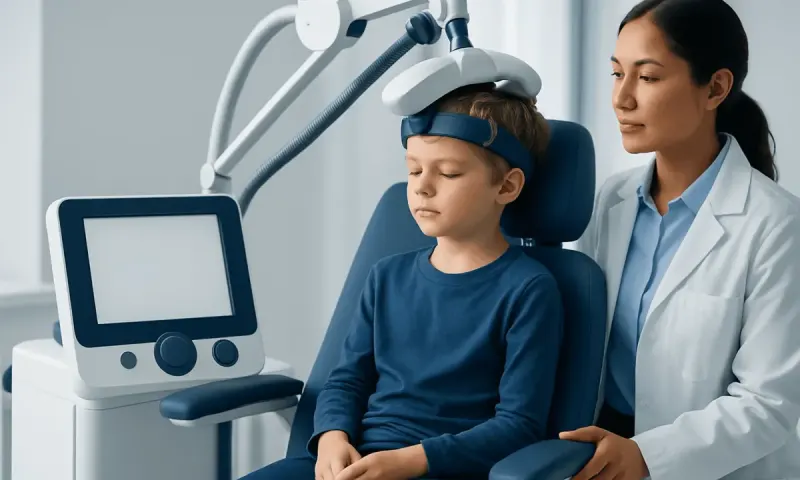
Treating OCD in Children With ERP Therapy and Medication
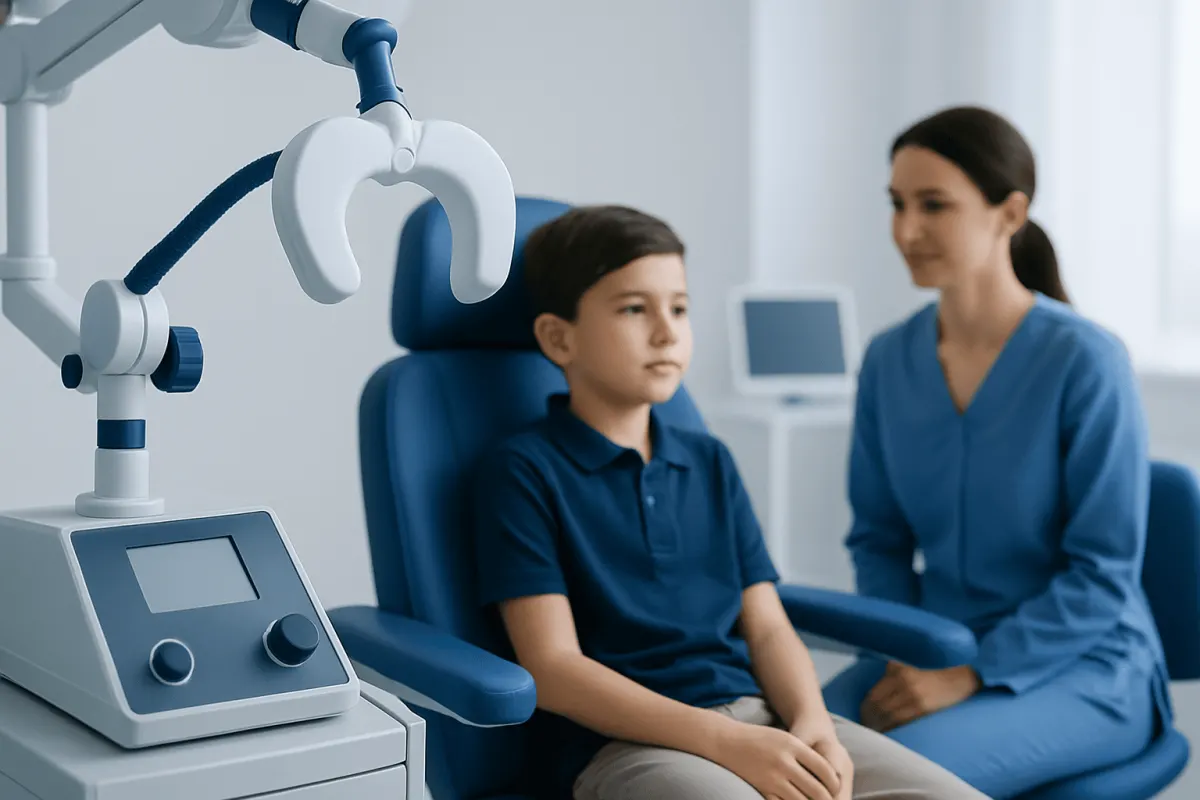
Your child washes their hands until the skin cracks, or asks you the same question twenty times before bed. You reassure them, and it helps — for about a minute. Then it starts again.
Treatment for OCD in children most often uses cognitive behavioral therapy with exposure and response prevention (ERP), supported by parents or caregivers and sometimes combined with medication. With an individualized plan and regular follow-up, many children learn to manage obsessive thoughts and compulsive behaviors more effectively.
Overview: How OCD Pediatric Treatment Works
Obsessive-compulsive disorder (OCD) is a mental health condition in which a child experiences recurring, unwanted thoughts, images, or urges (obsessions) and feels driven to carry out repeated behaviors or mental rituals (compulsions). These rituals may briefly reduce anxiety, but they can strengthen the OCD cycle over time. Ocd pediatric treatment aims to interrupt this cycle and help the child return to school, family, friendships, sleep, and everyday activities.
The main evidence-based treatment is cognitive behavioral therapy (CBT) that includes exposure and response prevention (ERP). In ERP, a trained clinician helps the child gradually approach situations that trigger OCD fears while learning not to perform the usual ritual. The process is planned, supportive, and paced for the child; it does not involve forcing a child into frightening situations.
For some children, treatment also includes a selective serotonin reuptake inhibitor (SSRI), prescribed and monitored by a qualified clinician. Care is individualized according to symptom severity, age, developmental needs, other health conditions, family circumstances, and the child’s response to therapy.
How Is OCD Typically Treated in Children?
Children with OCD are usually treated with CBT that includes ERP, delivered by a mental health professional with experience in pediatric OCD. Therapy teaches the child to recognize OCD patterns, understand how compulsions keep anxiety going, and practice more helpful responses. Sessions may be individual, family-based, or include parent coaching.
ERP commonly begins with a list of feared situations, triggers, or rituals arranged from easier to harder. For example, a child who repeatedly seeks reassurance may practice waiting before asking a question, with encouragement to tolerate the temporary uncertainty. The therapist and child review what happened, celebrate effort, and adjust the next practice step.
Medication may be added when OCD causes significant impairment, symptoms are moderate to severe, access to specialized therapy is limited, or progress with therapy alone is insufficient. Medication should be part of a broader care plan rather than a replacement for ERP whenever ERP is available. A pediatric psychiatrist, child and adolescent psychiatrist, or pediatrician with relevant experience can discuss expected benefits, side effects, and monitoring.
Children may also need support for related concerns such as anxiety, depression, attention difficulties, tic disorders, school avoidance, or sleep problems. Coordinated care among mental health clinicians, pediatricians, schools, and families can make treatment more practical and consistent.
Who May Benefit and How a Treatment Plan Is Chosen

A child may benefit from specialist assessment when obsessions or compulsions are time-consuming, upsetting, difficult to control, or interfere with daily life. OCD can look different across children. Some repeatedly wash, check, arrange, confess, seek reassurance, avoid feared places, or repeat actions until they feel “just right.” Others have mostly internal rituals, such as silently repeating phrases or reviewing events in their mind.
Plenty of children have preferences, routines and worries — that is not OCD. In OCD, the behavior is generally driven by distress or fear and becomes difficult to stop, even when the child recognizes that it is excessive or does not want to do it. Young children may not be able to explain their thoughts clearly, so what you notice as a parent matters a great deal.
Clinicians consider whether symptoms fit OCD and whether another condition could be contributing. Sudden or marked changes in behavior, eating, mood, movements, or functioning deserve careful medical and mental health evaluation. The assessment also identifies strengths, family supports, school needs, and practical barriers that may shape the care plan.
Assessment and Step-by-Step Therapy Process
Assessment typically starts with a detailed conversation with the child and parent or caregiver. The clinician asks about symptoms, triggers, rituals, avoidance, emotional wellbeing, family history, school functioning, medical history, and any previous treatment. Standardized questionnaires may help measure symptom severity and track change over time.
After assessment, the clinician explains the OCD cycle in age-appropriate language. Children are often encouraged to view OCD as a problem separate from themselves, which can reduce shame and make it easier to work as a team against symptoms. Parents learn how well-intended reassurance or participation in rituals can accidentally maintain OCD.
During ERP, the therapist and child build an exposure plan, sometimes called a fear ladder. The child starts with manageable challenges and practices staying with the discomfort without completing the compulsion, while using coping skills learned in therapy. Between-session practice is usually an important part of progress, and parents are guided on how to support it calmly.
Progress reviews help the team refine the plan. If medication is prescribed, the clinician schedules follow-up visits to assess symptom changes, functioning, adherence, and possible side effects. The goal is not to eliminate every uncomfortable thought, but to help the child respond to thoughts and uncertainty without being controlled by rituals.
Benefits, Risks, and Recovery Timeline
What treatment is really aiming at is a child who can get on with their day. As OCD becomes less dominant, a child may spend less time on rituals, participate more fully at school and home, sleep better, and feel more confident coping with uncertainty. Improvement often occurs gradually over weeks to months, rather than immediately after the first sessions.
ERP can temporarily bring up anxiety because it involves practicing new responses to feared triggers. This discomfort is expected and is closely managed by the therapist. Exposures should be collaborative, developmentally appropriate, and never involve dangerous activities, genuine contamination risks, or actions that conflict with the child’s safety or values.
Medication can be helpful for some children, but it may cause side effects and needs regular monitoring. Families should discuss new or worsening agitation, mood changes, sleep changes, physical symptoms, or thoughts of self-harm promptly with the prescribing clinician. Medication should not be stopped suddenly without medical guidance.
After the more intensive phase of therapy, children often benefit from maintenance sessions or a relapse-prevention plan. This usually includes recognizing early warning signs, continuing occasional ERP practice, and knowing when to contact the treatment team. Setbacks can happen during stress, but they do not mean treatment has failed.
Does Pediatric OCD Go Away?
Pediatric OCD may improve substantially with effective treatment, and some children have long periods with few or no symptoms. However, OCD can also be a long-term condition with symptoms that change in intensity over time. Early recognition and appropriate treatment can reduce its impact and help children develop skills they can continue using as they grow.
Try to measure recovery by how your child is functioning and how confident they feel, not by whether every intrusive thought has vanished. Most people experience unwanted thoughts at times; treatment teaches children that thoughts do not have to lead to fear-driven actions. A child who learns ERP skills can use them again if symptoms return during stressful periods.
Keep follow-up going through big changes — a new school, a house move, illness in the family, the teenage years. Families should avoid blaming the child for symptoms, as OCD is not caused by poor behavior, a lack of willpower, or parenting mistakes.
What Is the Success Rate of OCD Therapy?
There is no single success rate that applies to every child because treatment outcomes depend on symptom severity, access to specialized ERP, co-occurring conditions, family participation, and the consistency of practice between sessions. Research supports CBT with ERP as an effective first-line treatment for many children and adolescents with OCD.
Success can mean different things: fewer rituals, less distress, better school attendance, greater independence, or improved family routines. Some children respond well to therapy alone, while others benefit from combined therapy and medication. If the first approach is not helping enough, clinicians can reassess the diagnosis, treatment intensity, family accommodation, and co-existing conditions.
Families can support the best possible outcome by attending planned appointments, practicing agreed strategies, communicating honestly about difficulties, and seeking a clinician experienced in pediatric OCD. Progress is not always linear, and needing additional support is common and manageable.
Can Kids Grow Out of Childhood OCD? When to Seek Medical Care
Waiting for a child to grow out of OCD is not a plan. While symptoms may lessen for some children, untreated OCD can continue, shift in form, or interfere with development and family life. Seeking assessment gives the child access to strategies that can reduce distress now and build resilience for the future.
Parents or caregivers should arrange a medical or mental health appointment if repetitive worries or rituals are taking substantial time, causing distress, leading to avoidance, disrupting school or sleep, or creating conflict at home. It is also appropriate to seek advice when a child repeatedly asks for reassurance, cannot complete routines without rituals, or withdraws from activities they previously enjoyed.
Urgent help is needed if a child talks about self-harm or suicide, appears unable to stay safe, has severe changes in behavior or mood, or cannot meet basic needs such as eating, drinking, or sleeping. Local emergency services, an emergency department, or a crisis service can provide immediate support in these situations.
At Acıbadem Health Point, our multidisciplinary specialists and JCI-accredited hospitals assess and treat OCD and related mental health needs for international patients, and we build the care plan around your child and your family.
Frequently asked questions
01How long does OCD treatment take for a child?
The length of treatment varies with symptom severity, the child’s needs, and how regularly therapy skills are practiced. Many children begin to notice changes over a course of structured therapy, while ongoing or booster sessions may help maintain progress. The treating clinician can give a more individualized estimate after assessment.
02Do parents participate in pediatric OCD therapy?
Parents or caregivers are commonly involved, especially for younger children. They may learn how to respond to reassurance seeking and rituals without accidentally reinforcing OCD. Family participation is supportive, not about assigning blame.
03Is ERP therapy safe for children?
When provided by a qualified clinician, ERP is structured and designed to be safe and age-appropriate. Exposures are planned collaboratively and begin with manageable steps. The child is supported throughout and is not asked to face actual danger.
04Will medication be necessary for childhood OCD?
Not every child needs medication. CBT with ERP is often the starting treatment, while medication may be considered for more severe symptoms or if therapy alone is not providing enough improvement. A qualified prescriber should discuss benefits, risks, and follow-up monitoring with the family.
05Can school support a child with OCD?
Yes. With family consent, the treatment team may suggest practical school supports, such as predictable routines, time for appointments, or a plan for managing symptoms without reinforcing rituals. Support should help the child participate in school rather than increase avoidance.
06What should parents avoid doing when a child has OCD?
Parents should try not to repeatedly provide reassurance, complete rituals for the child, or change family life around OCD whenever possible. These responses are understandable but can unintentionally strengthen symptoms. A therapist can help families reduce accommodation gradually and compassionately.
This article is for general information only and is not a substitute for professional medical advice. Please consult a qualified doctor about your individual situation.
Explore treatments in Turkey — costs, top hospitals & a free quote
JCI-accredited · board-certified surgeons · reply within 24h
Add us as a Preferred Source to see more of our trusted health content across Google Search, AI Overviews and Discover.