

Nuchal Translucency Scan: Purpose, Results and Risks
- 9 min read
- Published November 28, 2026
Key Takeaways
- Nuchal translucency is measured by ultrasound during a specific window in early pregnancy.
- An increased measurement can raise the chance of certain genetic or structural conditions, but it does not confirm a diagnosis.
- The result is often interpreted together with maternal age, blood tests, and other ultrasound findings.
- A normal result is reassuring, but it does not rule out every pregnancy-related condition.
- If the measurement is higher than expected, a doctor may suggest further screening or diagnostic testing.
Nuchal translucency is a routine first-trimester ultrasound measurement that helps estimate the chance of certain chromosomal and structural conditions. It is a screening test, not a diagnosis, and results are usually discussed alongside other prenatal findings to guide next steps.
Overview
Nuchal translucency, often shortened to NT, is the small fluid-filled space at the back of a baby’s neck that can be seen on ultrasound in the first trimester. Measuring this space is part of an early pregnancy screening assessment, usually performed when the fetus is large enough for a clear image and before the pregnancy has reached the second trimester.
The purpose of the measurement is to estimate the chance of certain conditions, including some chromosomal differences and a few structural concerns, especially involving the heart. It is important to keep the result in context: NT is not a diagnosis on its own. It is one piece of information that helps the pregnancy care team decide whether more testing would be useful.
For many families, this scan is one of the first detailed looks at the baby. In an international-patient setting, it may also be the first time the pregnancy plan is reviewed across language, travel, and follow-up needs, so clear explanations matter as much as the image itself.
What the Scan Can Show
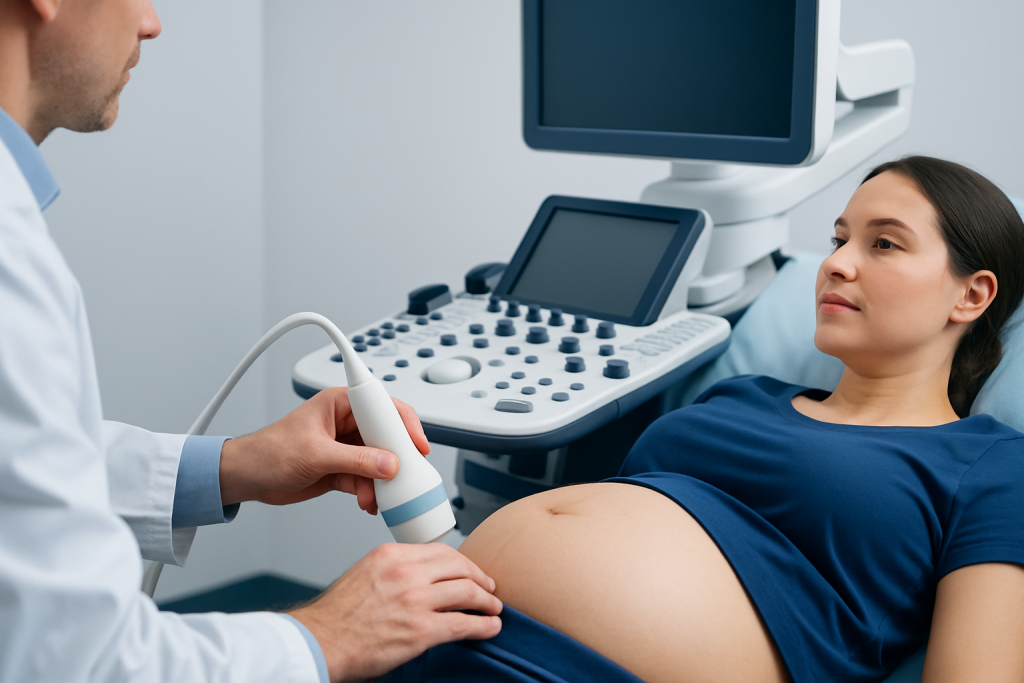
NT is not measured because it “finds a problem” in every pregnancy. Instead, it helps refine the likelihood of specific conditions. A thicker-than-expected NT can be associated with an increased chance of chromosomal conditions such as Down syndrome, Edwards syndrome, or Turner syndrome, as well as certain heart or lymphatic system issues.
At the same time, many babies with an increased measurement are ultimately born healthy. Likewise, a normal NT measurement is reassuring, but it cannot exclude every genetic syndrome or every structural difference. The scan should therefore be understood as a screening tool that adds detail to the overall picture rather than as a pass-or-fail test.
NT screening may be part of a broader first-trimester assessment that includes maternal blood tests, the baby’s gestational age, and other ultrasound markers. When these pieces are combined, the care team can provide a more individualized estimate of risk than any single number could offer.
How the Measurement Is Taken
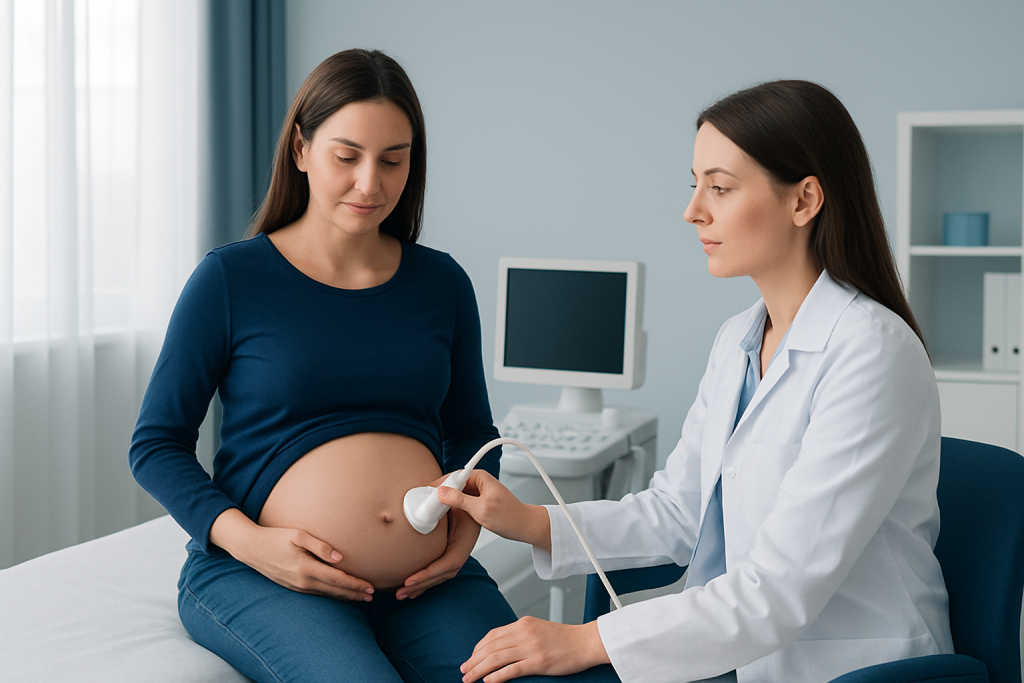
The scan is usually done with ultrasound, sometimes transabdominally and sometimes transvaginally if a clearer view is needed. The sonographer measures the fluid space at the back of the fetal neck while the baby is in a position that allows an accurate image. Precision matters, because small differences in angle or fetal posture can affect the reading.
Timing is important. NT is generally measured during a narrow first-trimester window, when the fetus is large enough for assessment but before the tissue at the back of the neck changes in a way that makes the measurement less useful. For this reason, appointments are scheduled carefully, and if the baby is not positioned well, the scan may need to be repeated.
Patients are often surprised by how ordinary the process feels: there may be a detailed ultrasound, a short wait while the image is reviewed, and then a discussion of what the number means in the context of the whole pregnancy. When care is being coordinated from another country, it helps to confirm the appointment timing in advance so that the scan is completed within the recommended window.
Causes & Risk Factors
An increased NT measurement does not have one single cause. It may reflect differences in fetal development, temporary fluid accumulation, or a condition affecting the chromosomes, heart, or lymphatic system. In some pregnancies, no specific cause is ever identified, and the baby is born healthy.
Risk is not determined by NT alone. Maternal age, previous pregnancy history, family history of genetic conditions, blood test results, and other ultrasound findings all influence how the result is interpreted. A pregnancy can have an increased NT measurement even when none of the usual risk factors are present.
It is also worth noting that the scan is influenced by practical factors: the quality of the image, the fetus’s position, and the operator’s experience. This is one reason NT screening is best performed in centers that are familiar with first-trimester fetal assessment and can discuss the result clearly and calmly.
Diagnosis and Next Steps
NT is part of screening, not final diagnosis. If the measurement is within the expected range, the clinician may simply continue with routine prenatal care or recommend other scheduled screening tests. If the measurement is above the expected range, the next step is usually a discussion about what additional information would be most helpful.
Depending on the overall picture, a doctor may recommend another ultrasound, a combined first-trimester screening approach, noninvasive prenatal testing, or diagnostic procedures such as chorionic villus sampling or amniocentesis. These tests are chosen based on how much certainty is needed and how far along the pregnancy is.
Families should feel comfortable asking what the result means in practical terms: What is the actual level of concern? What are the possible explanations? Which follow-up test adds information without unnecessary delay? These questions are especially important for patients traveling for care, since planning and timing can affect which tests are possible before returning home.
Treatment Options
There is no treatment for the NT measurement itself, because it is a screening finding rather than a condition. Management depends entirely on what the screening suggests and whether a follow-up test identifies a specific issue. If a genetic condition is confirmed, the care plan is individualized to the diagnosis and the pregnancy stage.
When a structural concern is suspected, especially involving the heart, the care team may arrange a detailed anatomy scan or a fetal echocardiogram at the appropriate time. If results are normal on follow-up, no treatment may be needed beyond continued prenatal monitoring.
The most helpful “treatment” early on is often good counseling. Parents benefit from having the result explained in plain language, with a clear plan for what happens next and which findings would change that plan. This reduces uncertainty and helps decisions feel more manageable.
Prevention & Self-care
Nuchal translucency itself cannot be prevented, because it is not a disease or a lifestyle-related problem. What can be improved is the quality of prenatal care around it: timely ultrasound scheduling, reliable communication, and access to experienced fetal imaging.
During early pregnancy, general self-care still matters. Keeping prenatal appointments, following the clinician’s guidance on supplements and routine testing, staying hydrated, and seeking care for symptoms such as bleeding or severe pain are all part of safe pregnancy management. Patients who are traveling should bring previous records, ultrasound dates, and blood test results to avoid delays in interpreting the scan.
Emotional self-care matters too. Waiting for screening results can be stressful, and uncertainty often feels greater when the pregnancy care pathway is being organized from abroad. It can help to write down questions before the appointment, ask for a copy of the report, and confirm how follow-up will happen after the visit.
When to See a Doctor
A clinician should review NT results as soon as they are available, especially if the measurement is increased or if other ultrasound findings are present. The goal is not to create alarm, but to make sure the pregnancy has the right next step at the right time.
Medical advice is also important if the patient has a family history of chromosomal conditions, a previous pregnancy affected by a genetic disorder, or if the current scan was incomplete and needs to be repeated. If a diagnostic test is being considered, the risks, benefits, and timing should be discussed carefully with the care team.
Acibadem Health Point’s multidisciplinary specialists and JCI-accredited hospitals diagnose and treat this condition for Myomectomy Recovery for International Patients: The Usual Travel Timeline" class="ahp-ilk">international patients, with coordinated support for imaging, counseling, and follow-up. Whether care is sought locally or across borders, the key is a clear plan and a doctor who can explain the result in context.
Frequently asked questions
01What does nuchal translucency measure?
It measures the small fluid space at the back of a baby’s neck during early pregnancy ultrasound. The measurement helps estimate the chance of certain chromosomal or structural conditions. It does not diagnose a specific problem by itself.
02Is a high nuchal translucency always a sign of a problem?
No. A higher-than-expected measurement can increase the chance of a condition, but many pregnancies with increased NT still have healthy outcomes. The result needs to be interpreted together with other screening information.
03When is the nuchal translucency scan done?
It is usually done in the first trimester during a specific time window when the fetus is large enough to measure accurately. If the timing is off or the baby is not positioned well, the scan may need to be repeated.
04Can nuchal translucency tell the baby’s sex?
No, that is not its purpose. The scan is focused on screening markers and pregnancy assessment, not sex determination. Any information about sex would come from a different test or scan, if available and appropriate.
05What happens if the NT result is normal?
A normal result is reassuring, but it does not rule out every condition. The doctor may still recommend routine prenatal screening or later ultrasound checks as part of standard care.
06Should patients travel for more testing after an abnormal result?
That depends on what the first result shows and how far along the pregnancy is. A doctor can help decide whether further screening or a diagnostic test should be done locally or at a center with fetal medicine expertise.
This article is for general information only and is not a substitute for professional medical advice. Please consult a qualified doctor about your individual situation.
Explore treatments in Turkey — costs, top hospitals & a free quote
JCI-accredited · board-certified surgeons · reply within 24h
Add us as a Preferred Source to see more of our trusted health content across Google Search, AI Overviews and Discover.


How can we help you today?
Meet an Acibadem specialist by secure video, before you travel.
Book a video visit