Nose Plastic Surgery Price: What Affects the Cost?
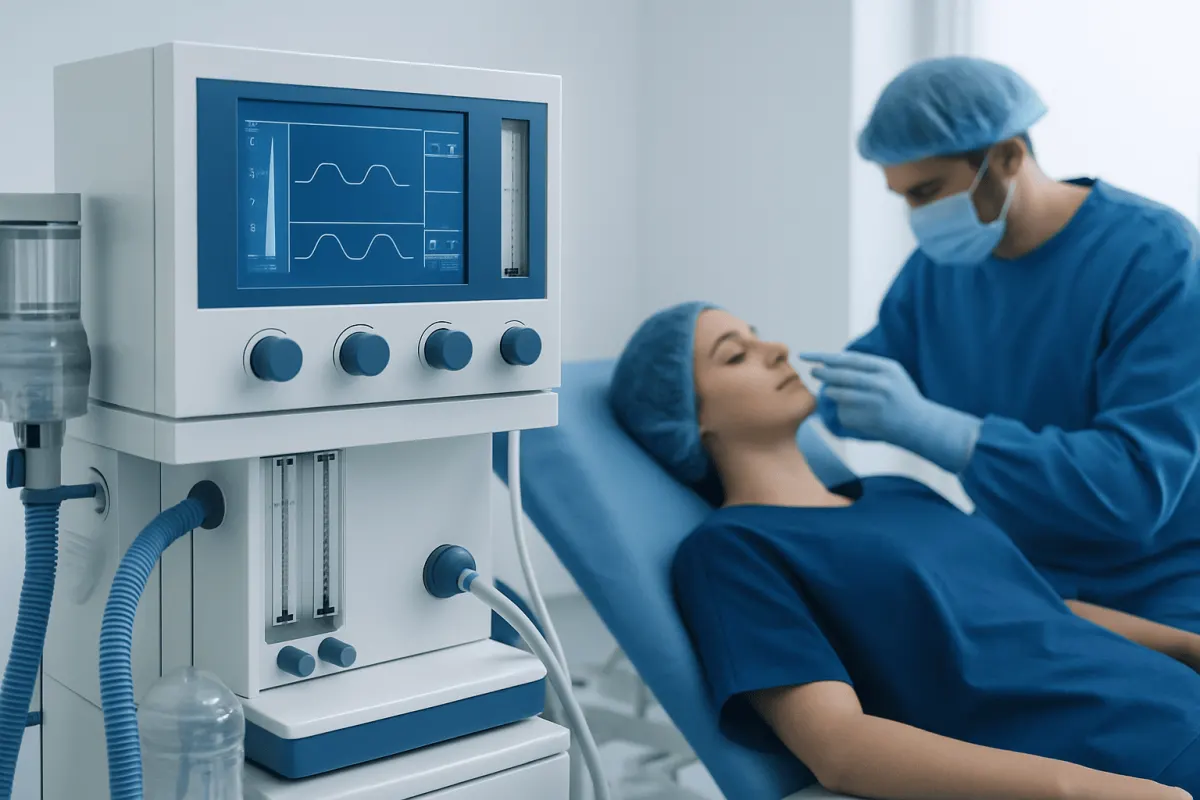
Nose plastic surgery price is not a single fixed amount: it reflects the type of rhinoplasty needed, the surgical team, facility and anesthesia services, location, and follow-up care. A written, individualized treatment plan helps patients understand what is included and plan safely without choosing care on price alone.
Overview: what determines nose plastic surgery price?
Nose plastic surgery price varies because rhinoplasty is highly individualized. The total plan may include the surgeon’s professional fee, anesthesia, operating room or hospital charges, preoperative tests, medicines, nasal splints or dressings, and scheduled follow-up appointments. Whether the procedure is a first operation, a revision, or combined with surgery to improve breathing can also change the resources required.
Rather than relying on an advertised starting figure, patients benefit from requesting a written estimate that explains what is and is not included. It is also important to ask how unplanned care, additional tests, travel, accommodation, or a possible future revision would be handled. A lower quote may not represent the same level of surgical planning, safety standards, anesthesia care, or postoperative support.
Cosmetic rhinoplasty is commonly self-funded. When surgery is performed to treat a documented functional problem, such as significant obstruction related to a deviated septum, insurance coverage may be possible in some health systems, subject to policy rules and clinical assessment. Coverage for breathing treatment does not automatically include cosmetic reshaping.
How rhinoplasty works and who may be a candidate
Rhinoplasty changes the outer shape, internal structure, or both. A surgeon may adjust bone, cartilage, skin-soft tissue balance, the nasal tip, nostrils, bridge, or septum. Functional techniques may be used at the same time to support airflow. The aim is not to create a standard nose, but to develop a result that suits the person’s facial features, anatomy, breathing needs, and goals.
Suitable candidates are generally in good overall health, do not smoke or are able to stop nicotine use as advised, and have realistic expectations. Facial growth should be sufficiently complete before elective cosmetic surgery; the appropriate timing is assessed individually, particularly for younger patients. A consultation should cover medical conditions, medications and supplements, previous nasal injury or surgery, allergies, breathing symptoms, and any history of bleeding or wound-healing problems.
Photographs and, when needed, internal nasal examination help the surgeon plan safely. Computer imaging may help communication, but it is a planning tool rather than a promise of an exact outcome. Patients who feel pressured to proceed, are seeking perfection, or are experiencing significant distress about appearance may benefit from more discussion and support before making a decision.
The procedure: what happens step by step

Before surgery, the team reviews the plan, obtains informed consent, and gives instructions about eating, drinking, medicines, supplements, smoking, and arranging transport home. Rhinoplasty is usually performed under anesthesia in an operating theatre. Depending on the planned changes, the surgeon may use a closed approach with incisions inside the nostrils or an open approach with a small incision across the tissue between the nostrils.
The surgeon carefully reshapes or repositions cartilage and bone while preserving or improving structural support. Cartilage grafts may be needed, especially when the tip requires support, the nose has been injured, or a previous operation has reduced available cartilage. If breathing is affected, work on the septum or internal nasal valves may be included. The skin and soft tissues are then redraped, and the incisions are closed.
A splint is commonly placed on the outside of the nose for early protection. Internal supports may be used in selected cases. Patients usually return home the same day when clinically appropriate, with clear instructions for pain relief, wound care, activity restrictions, and follow-up. Patients considering surgery can learn more about rhinoplasty treatment and surgical planning during a specialist consultation.
Recovery timeline, expected benefits and possible risks
In the first week, swelling, congestion, mild discomfort, and bruising around the eyes are common. The external splint is often removed at an early follow-up visit, although timing differs by procedure and surgeon. Many people feel comfortable returning to desk-based work or social activities after about one to two weeks, while bruising and visible swelling continue to settle.
Strenuous exercise, contact sports, heavy lifting, and any activity that could injure the nose should be avoided until the surgeon says it is safe. The nose may feel stiff or numb for a period. Breathing can temporarily seem worse as swelling resolves. Final definition, especially at the tip, develops slowly; meaningful refinement can continue for a year and sometimes longer.
Potential benefits include a nose shape that feels more balanced with the face, correction of injury-related changes, and improved nasal airflow when functional concerns are addressed. Risks include bleeding, infection, scarring, persistent swelling, numbness, asymmetry, changes in smell, nasal obstruction, dissatisfaction with appearance, anesthesia-related complications, and the possibility of revision surgery. Careful assessment reduces risk but cannot eliminate it.
Why is nose surgery so expensive?
Nose surgery requires detailed preoperative analysis, technical precision, anesthesia care, a properly equipped operating setting, trained nursing staff, and structured postoperative follow-up. The nose is both a central facial feature and a breathing structure, so aesthetic changes must be balanced with support for normal function. These clinical requirements are important contributors to the overall treatment plan.
Complexity also matters. Correcting a crooked nose after injury, rebuilding weakened support, addressing significant breathing obstruction, or performing a revision after an earlier operation may take longer and may require graft material. The surgeon’s training and experience, the facility’s accreditation standards, and the local cost of healthcare services can also affect the estimate.
Patients should be cautious about comparing quotes without comparing what they cover. A useful estimate identifies the planned procedure, anesthesia, facility services, routine follow-up, and expected ancillary expenses. Choosing a surgeon based only on cost can overlook factors that influence safety, communication, and the likelihood of an appropriately planned result.
How do most people afford nose jobs?
Many people pay for elective cosmetic rhinoplasty with personal savings, a structured payment plan offered through a healthcare provider, or financing arranged through a reputable lender. The appropriate option depends on an individual’s financial circumstances, local regulations, and the terms of any agreement. Patients should review interest, fees, repayment dates, and cancellation policies carefully before committing.
If nasal surgery is recommended for a medical reason, patients can ask their insurer or national health service whether assessment, documentation, prior authorization, or referral is required. They should also clarify which elements may be covered. A functional component may be eligible under certain plans while cosmetic refinements remain self-funded.
It is sensible to plan for the full course of care rather than only the operation day. This includes time away from work, transport, postoperative medicines, possible accommodation for patients travelling, and follow-up visits. Patients should never feel rushed into borrowing or booking surgery before they understand the medical plan and financial responsibilities.
What is the hardest nose to fix?
There is no single “hardest” nose, because difficulty depends on the individual anatomy and the goals of surgery. In general, revision rhinoplasty can be among the most challenging procedures. Previous surgery may leave scar tissue, altered landmarks, weakened cartilage support, or limited cartilage available for reconstruction.
Noses affected by major trauma, severe asymmetry, skin conditions, congenital differences, or substantial airway collapse can also require complex planning. Thick skin, very thin skin, or a nose that has healed unpredictably after a prior operation may make subtle refinements less predictable. The surgeon may need to prioritize stable breathing and structural support over very small cosmetic changes.
A specialist should explain which goals are realistic, whether cartilage grafting may be needed, and why a staged approach is occasionally safer than trying to correct every feature at once. For revision procedures, it is particularly important to allow enough time for healing from the earlier operation before deciding on further surgery.
What happens 20 years after rhinoplasty? When to seek medical care
Twenty years after rhinoplasty, the nose continues to age along with the rest of the face. Skin elasticity, cartilage shape, gravity, weight changes, injury, and normal facial aging can all influence appearance and breathing over time. A well-supported surgical result may remain stable for many years, but no operation stops natural aging or guarantees that future nasal concerns will not develop.
Some people later notice changes such as tip drooping, asymmetry, congestion, or reduced airflow. These symptoms do not necessarily mean surgery has failed; they warrant assessment because allergies, sinus conditions, trauma, or age-related changes may also contribute. A revision is not automatically required and should be considered only after a careful examination and discussion of benefits and limitations.
Patients should contact their surgical team promptly after an operation if they have heavy or persistent bleeding, fever, worsening rather than improving pain or swelling, pus-like drainage, breathing difficulty, vision changes, or signs of an allergic reaction. Anyone with a new nasal injury, ongoing obstruction, repeated nosebleeds, or concerns about an old rhinoplasty should arrange a medical review. Acıbadem Health Point’s multidisciplinary specialists and JCI-accredited hospitals assess and treat rhinoplasty concerns for international patients.
Frequently asked questions
01Is nose plastic surgery price the same as the surgeon’s fee?
No. The surgeon’s fee is only one possible part of the total cost. A complete estimate may also include anesthesia, operating facility charges, tests, postoperative supplies, medicines, and follow-up care.
02Does health insurance pay for rhinoplasty?
Insurance may contribute when surgery is medically necessary to treat a documented functional problem, depending on the policy and local health system. Cosmetic changes are usually not covered, and patients should confirm requirements directly with their insurer before treatment.
03How long should someone wait before judging rhinoplasty results?
Early swelling improves over the first weeks, but the nose can continue to refine for a year or longer. The tip often takes the longest to settle. Follow-up appointments allow the surgeon to monitor healing and address concerns appropriately.
04Can rhinoplasty improve breathing as well as appearance?
It can, when functional problems such as septal deviation or weak nasal valve support are assessed and treated during surgery. Cosmetic reshaping alone does not always improve breathing, so symptoms should be discussed clearly before the procedure.
05Is revision rhinoplasty more difficult than first-time surgery?
It often can be more complex because prior surgery may create scar tissue or reduce structural support. It may also require cartilage grafts from another area. A thorough assessment is needed to determine whether revision is appropriate and what result is realistic.
06How can patients compare rhinoplasty estimates safely?
They should compare written plans rather than a single headline number. Useful questions include who will provide anesthesia, where the surgery will take place, what follow-up is included, whether tests and medication are covered, and what happens if additional care is needed.
This article is for general information only and is not a substitute for professional medical advice. Please consult a qualified doctor about your individual situation.
Explore treatments in Turkey — costs, top hospitals & a free quote
JCI-accredited · board-certified surgeons · reply within 24h
Add us as a Preferred Source to see more of our trusted health content across Google Search, AI Overviews and Discover.