Nose Lift Cost: What a Written Estimate Includes
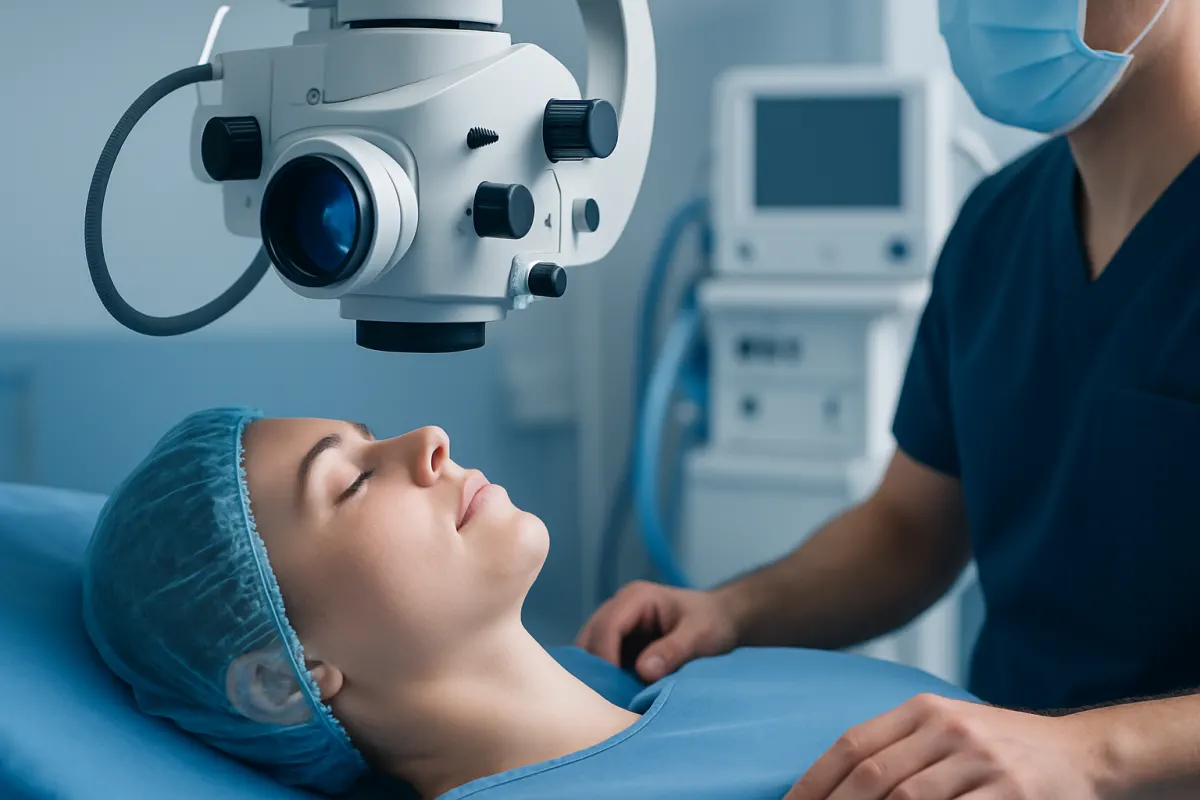
Nose lift cost is not one fixed amount: it reflects the type and complexity of surgery, the surgical team, anesthesia, facility use, geographic location and follow-up care. A safe decision starts with an individualized consultation and a clear written estimate that explains what is and is not included.
Nose Lift Cost: What Does It Include?
Nose lift cost varies because there is no single standard procedure or universal price. In everyday language, a “nose lift” often means rhinoplasty, an operation that reshapes the external nose. It may be performed for cosmetic reasons, to improve breathing, or for both goals at the same time. The final estimate depends on the individual anatomy, the surgical plan and where treatment takes place.
A comprehensive quote may include the surgeon’s professional fee, anesthesia, operating-room or hospital charges, pre-operative assessment, laboratory tests when needed, medicines, dressings and scheduled follow-up appointments. Some services may be quoted separately, so patients should ask for an itemized written estimate and clarify whether potential additional care, such as revision surgery or treatment of an unexpected problem, is included.
Cosmetic rhinoplasty is generally paid for by the patient. When surgery is recommended to address a documented functional concern, such as a deviated septum causing nasal obstruction, coverage rules may differ by insurer and country. Patients should confirm eligibility, authorization requirements and out-of-pocket responsibilities directly with their insurer before arranging surgery.
Cost is an important practical consideration, but it should not be the only one. Experience with the planned procedure, communication, realistic surgical planning, anesthesia safety and an accredited care setting all contribute to informed decision-making. Rhinoplasty treatment begins with a consultation that matches the procedure to the person’s goals and nasal function.
How Rhinoplasty Works and Who May Be a Candidate
Rhinoplasty changes the shape, size or proportions of the nose by adjusting bone, cartilage, skin and, when appropriate, internal structures that influence airflow. A surgeon may reduce a hump, refine the nasal tip, straighten a crooked nose, change nostril shape or rebuild areas affected by injury, previous surgery or congenital differences. Functional work may include septal surgery when a bent septum contributes to breathing difficulty.
In an open approach, a small incision is made across the skin between the nostrils, allowing the surgeon to lift the skin and directly view the underlying framework. In a closed approach, incisions are placed inside the nostrils. The best approach depends on the changes required, the nasal anatomy and whether the operation is a first procedure or revision surgery.
Appropriate candidates are generally in good overall health, do not smoke or are willing to stop nicotine use as instructed, and have realistic expectations. Nasal growth should be largely complete before elective reshaping surgery; the right timing for adolescents is assessed individually with a parent or guardian involved where appropriate. A consultation should also consider allergies, sinus symptoms, prior trauma, previous nasal operations, medical conditions and medicines or supplements that may affect surgery.
People seeking subtle refinement, major reconstruction or improved airflow may all have different needs. A surgeon should explain what can reasonably be changed and what may be limited by skin thickness, facial proportions, healing patterns or scar tissue. It can be helpful to discuss related nasal concerns such as a deviated septum if blocked breathing is part of the reason for seeking care.
What Happens Before, During and After the Procedure

Planning begins with a medical history, physical examination of the outer and inner nose, facial assessment and a discussion of priorities. Standardized photographs are commonly used for surgical planning and later comparison. Digital image simulation may help communication in some practices, but it is not a guarantee of a particular result.
Before surgery, patients may be asked to have selected tests, avoid certain medicines or supplements that can increase bleeding risk, arrange transportation home and prepare for rest. They should disclose all prescription medicines, over-the-counter products, allergies, smoking or vaping, and any history of unusual scarring, bleeding or anesthesia problems. The treating team gives individualized instructions on what to stop or continue.
Rhinoplasty is usually performed under anesthesia in an operating room or appropriately equipped surgical facility. The surgeon makes planned incisions, reshapes or repositions cartilage and bone, and may use grafts from the patient’s own tissue when added support is needed. Internal splints, packing or an external splint may be used depending on the technique. The operation’s duration varies with complexity.
After observation in recovery, many patients go home the same day with a responsible adult. Follow-up visits allow the team to remove or assess splints, check healing and answer questions. Instructions typically address pain control, wound care, sleeping position, activity limits and signs that require prompt medical advice.
Recovery Timeline, Benefits and Possible Risks
Bruising and swelling around the nose and eyes are common early after rhinoplasty. Many people feel ready to return to desk-based work, school or usual public activities after around one to two weeks, although visible swelling can remain. The external splint, if used, is often removed during an early follow-up visit. Timelines differ according to the procedure and individual healing.
Strenuous exercise, contact sports, heavy lifting and situations that could bump the nose are restricted for a period set by the surgeon. Patients are commonly advised to avoid blowing the nose initially and to use sun protection because healing skin may be more vulnerable to discoloration. The nasal tip and bridge can continue to refine gradually, and the final result may not be apparent for many months.
Potential benefits include better harmony between nasal features and the rest of the face, correction of visible asymmetry caused by trauma, and improved airflow when internal obstruction is treated. Outcomes are individual, and surgery cannot create perfect symmetry or guarantee that a person will feel differently about every aspect of their appearance.
Like any operation, rhinoplasty carries risks. These include bleeding, infection, scarring, persistent swelling, numbness, changes in smell, breathing difficulty, asymmetry, dissatisfaction with the appearance, anesthesia-related complications and the possibility of further treatment or revision surgery. Careful assessment, following aftercare advice and attending follow-up visits help support safe recovery, though they cannot eliminate all risks.
How Are People Affording Nose Jobs?
People use different approaches to plan for elective nose surgery. These may include personal savings, setting a realistic budget over time, or discussing payment plans offered through a clinic or an independent financing provider. The availability, terms and eligibility for financing vary by country and provider, and patients should review interest, fees, repayment schedules and cancellation policies carefully before signing an agreement.
For procedures with a functional medical indication, some patients explore insurance coverage. Coverage is not automatic simply because a procedure includes septal work or breathing symptoms. Insurers may require documentation of symptoms, examination findings, prior non-surgical treatment or preauthorization, and may cover only medically necessary portions of care.
It is sensible to compare like-for-like estimates rather than relying on an advertised starting price. Patients can ask whether the estimate includes surgeon fees, anesthesia, facility costs, pre-operative tests, medication, splints, follow-up visits and any travel or time-away-from-work expenses. A very low price may not reflect the full cost of care or the level of follow-up required.
Patients should avoid feeling pressured by limited-time offers or making decisions based on financing alone. A consultation should leave adequate time to consider the proposed plan, check professional credentials and understand the expected recovery. The safest choice is one that balances affordability with appropriate medical standards and clear continuity of care.
How Long Does a Nose Lift Last?
Surgical rhinoplasty is intended to produce long-lasting structural changes. Once healing is complete, changes made to bone and cartilage usually remain, although the nose continues to age naturally along with the rest of the face. Skin quality, scar formation, injury, weight changes and normal tissue aging can affect the appearance over time.
The result is not immediate. Early swelling can make the nose look wider, less defined or uneven, particularly around the tip. Much of the swelling improves over the first weeks and months, but subtle changes may continue for up to a year or longer, especially after complex or revision procedures.
Some people need an additional procedure if healing, scar tissue, persistent obstruction or an unanticipated contour issue affects the outcome. Revision rhinoplasty is usually considered only after adequate healing unless there is a reason for earlier intervention. It is often more technically complex than a first operation and requires detailed assessment.
Non-surgical nasal contouring with injectable filler has a different timeframe. It does not reduce nasal size or correct internal breathing problems, and its effects are temporary. Because injections in and around the nose carry a rare but serious risk of blocking blood vessels, they should be performed only by an experienced, appropriately qualified medical professional who can manage complications promptly.
How Painful Is Nose Plastic Surgery?
Most people describe rhinoplasty recovery as pressure, congestion, tenderness and discomfort rather than severe pain. The experience varies with the extent of surgery, whether nasal bones are adjusted, the use of internal splints or packing, and the individual’s pain sensitivity. The surgical team provides an individualized plan for comfort and recovery.
Discomfort is often most noticeable during the first few days, when swelling and nasal blockage can make sleeping and breathing through the nose less comfortable. Keeping the head elevated, using cool compresses around—not directly on—the nose when advised, resting and taking prescribed or recommended medication as directed can help. Patients should not take additional medicines or herbal products without checking with their care team, as some can raise bleeding risk.
It is important to distinguish expected discomfort from warning signs. Worsening pain that is not controlled by the recommended plan, rapidly increasing swelling, persistent heavy bleeding, fever or vision changes should be reported urgently. Patients should use the contact instructions supplied by their surgical team rather than waiting for a routine appointment.
Open discussion before surgery can reduce uncertainty. Patients can ask what sensations are typical, how congestion is managed, which pain-relief options are appropriate for them and when they can resume normal routines. Individual instructions take priority over general online guidance.
What Is the Cheapest State to Get a Nose Job in?
There is no reliable “cheapest state” for a nose job that can guide a safe medical decision. Fees vary within the same state and may differ substantially according to the surgeon’s training and experience, case complexity, anesthesia arrangements, facility accreditation, local operating costs and what is included in the estimate. Prices can also change over time.
Traveling for surgery may appear to lower the initial fee, but it adds costs and practical considerations. These can include transportation, accommodation, time away from work, local support during early recovery and the ability to attend follow-up appointments. It may be harder to access the original surgeon quickly if a concern develops after returning home.
Instead of seeking the lowest location-based price, patients can evaluate the total care pathway. Questions worth asking include whether the surgeon is appropriately credentialed, where the procedure will be performed, who provides anesthesia, what follow-up is included and how urgent concerns are managed. Written estimates make meaningful comparison easier.
For international patients, care coordination and clear follow-up planning are particularly important. Acıbadem Health Point’s multidisciplinary specialists and JCI-accredited hospitals diagnose and treat nasal conditions and provide rhinoplasty care for international patients, with planning tailored to the individual clinical situation.
When to Seek Medical Care
Anyone considering a nose lift should arrange a consultation with a qualified plastic surgeon, facial plastic surgeon or ear, nose and throat specialist who performs rhinoplasty. Medical assessment is especially important when the person has persistent nasal blockage, recurrent sinus symptoms, previous nasal trauma, a history of surgery, or concerns about sleep and breathing. These symptoms may need evaluation beyond cosmetic planning.
After rhinoplasty, patients should seek urgent medical advice for heavy or ongoing bleeding, difficulty breathing that is new or severe, fever, worsening redness or swelling, severe pain that is not responding to the prescribed plan, fainting, chest pain, a rash or signs of an allergic reaction. Sudden visual symptoms require emergency assessment.
Emotional readiness also matters. A person who feels pressured by another individual, is seeking surgery during an acute emotional crisis, or expects surgery to solve broader relationship or self-esteem difficulties may benefit from pausing and discussing concerns with a trusted clinician or mental health professional. A careful consultation supports decisions based on informed, personal goals.
Patients should keep all planned follow-up appointments, even when recovery seems straightforward. The care team can monitor healing, address questions about swelling and activity, and advise when it is safe to return to exercise, glasses wear or other regular activities.
Frequently asked questions
01What does nose lift cost usually cover?
A nose lift estimate may include the surgeon’s fee, anesthesia, operating-room or hospital charges, pre-operative assessment and planned follow-up care. Medication, tests, garments, travel and treatment for unexpected issues may be separate, so patients should request an itemized written estimate.
02Is a nose lift the same as rhinoplasty?
The term “nose lift” is not a formal medical diagnosis or a single standardized operation. It commonly refers to rhinoplasty, which reshapes the nose, but it can sometimes be used for non-surgical contouring procedures. A consultation clarifies which approach, if any, is appropriate.
03Can insurance pay for rhinoplasty?
Cosmetic rhinoplasty is usually not covered by insurance. If surgery is medically necessary to improve documented nasal obstruction or repair trauma, some portions may be eligible depending on the policy and local rules. Patients should confirm requirements with their insurer before treatment.
04How are people affording nose jobs?
People may use savings, carefully reviewed payment plans or, where applicable, insurance benefits for medically necessary functional treatment. It is important to understand the full cost, including financing charges, follow-up care, travel and time away from work. A low initial quote may not include every part of care.
05How long does a nose lift last?
The structural changes from surgical rhinoplasty are generally long-lasting, although the nose continues to age naturally. The appearance develops gradually as swelling resolves, and final refinement may take a year or longer. Non-surgical filler-based contouring is temporary and has different risks and limitations.
06How painful is nose plastic surgery?
Many patients experience pressure, congestion, tenderness and swelling rather than severe pain, especially in the first several days. Comfort needs vary by person and procedure, and the surgical team will provide individualized guidance. Severe or worsening pain, heavy bleeding, fever or vision changes should be reported urgently.
07What is the cheapest state to get a nose job in?
There is no dependable single cheapest state because fees vary by surgeon, facility, anesthesia, complexity and what the estimate includes. Choosing care solely on price can overlook safety, credentials and follow-up needs. Comparing complete written estimates and care arrangements is more useful than comparing locations alone.
This article is for general information only and is not a substitute for professional medical advice. Please consult a qualified doctor about your individual situation.
Explore treatments in Turkey — costs, top hospitals & a free quote
JCI-accredited · board-certified surgeons · reply within 24h
Add us as a Preferred Source to see more of our trusted health content across Google Search, AI Overviews and Discover.