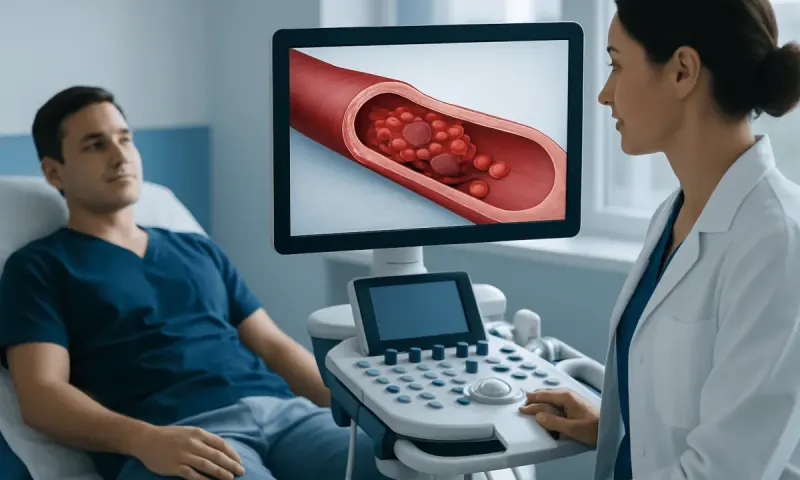
What a Normal Platelet Count Is and Why Results Vary

You get your blood test back, run your eye down the page, and one line is flagged: platelets. Slightly low, or slightly high. It is a normal reaction to worry — but a single number rarely tells the whole story.
For most adults, a normal platelet count is about 150,000 to 450,000 platelets per microliter of blood. What matters just as much is the rest of the picture: your symptoms, the other values on the same blood test, your medical history, and sometimes simply repeating the test.
Overview: what a normal platelet count means
In adults, a normal platelet count usually sits somewhere around 150,000 to 450,000 platelets per microliter of blood. Platelets themselves are tiny cell fragments made in your bone marrow, and their main job is to stop bleeding by forming plugs where a blood vessel has been injured.
Here is the point I make most often in clinic: a platelet count is only one part of the picture. A result a little above or below the usual range does not always mean disease. Laboratories may use slightly different reference ranges, and doctors also consider age, pregnancy status, recent infections, medications, and whether the result is new or longstanding.
Platelet counts are usually measured as part of a complete blood count, often called a CBC. This common blood test also checks red blood cells, white blood cells, and hemoglobin. Looking at these values together can help a doctor understand whether a platelet change is isolated or part of a broader blood or medical condition.
Why platelets matter in the body
Platelets do the heavy lifting in hemostasis, the body’s process for stopping bleeding. When a blood vessel is damaged, platelets quickly gather at the site, stick together, and help start a clot. They also release signals that attract more platelets and activate clotting proteins.
When platelet levels are too low, the body may have more difficulty controlling bleeding. This can lead to easy bruising, nosebleeds, gum bleeding, pinpoint red or purple spots on the skin called petechiae, or heavier menstrual bleeding. In more severe cases, internal bleeding can occur.
When platelet levels are too high, the concern is different. Some people may have no symptoms at all, while others may face a higher risk of abnormal clotting, depending on the cause and the degree of elevation. Platelets touch many body systems, so an abnormal result deserves careful follow-up rather than guesswork.
What can affect a platelet count

Platelet counts can change for many reasons, and not all of them reflect a serious disorder. A low platelet count, called thrombocytopenia, may happen when the body makes too few platelets, destroys them too quickly, or traps them in an enlarged spleen. Viral infections, certain medications, autoimmune conditions, liver disease, alcohol use, and some bone marrow disorders are examples of possible causes.
A high platelet count, called thrombocytosis, can also have different explanations. Many cases are reactive, meaning they happen in response to another issue such as infection, inflammation, iron deficiency, surgery, or recovery after blood loss. Less commonly, a high count is linked to a bone marrow condition in which the body produces too many platelets.
Pregnancy, recent hospitalization, chronic illnesses, cancer treatment, and nutritional deficiencies can also influence platelet numbers. Sometimes the reported count is misleading because platelets clump in the sample tube, which can falsely lower the result. For this reason, doctors may repeat the test or request a blood smear before drawing conclusions.
When platelet changes are linked to an underlying blood condition, further evaluation may be needed. Related problems can include anemia or, more rarely, disorders such as leukemia, especially when other blood cell counts are also abnormal.
Symptoms linked to low or high platelet counts
Many people with a mildly abnormal platelet count have no symptoms and learn about it from routine blood work. When symptoms do occur, they often depend on whether the platelet count is low, high, or changing quickly. The severity of symptoms does not always match the number alone.
Low platelet counts may cause:
- Easy or unexplained bruising
- Frequent nosebleeds
- Bleeding gums
- Tiny red or purple spots on the skin
- Heavy menstrual bleeding
- Bleeding that lasts longer than expected after cuts or dental work
High platelet counts often cause no clear symptoms. In some cases, people may report headaches, dizziness, burning or tingling in the hands or feet, or symptoms related to clotting or circulation problems. Because these symptoms can have many causes, they should not be used to self-diagnose a platelet disorder.
If you also have severe fatigue, fever, night sweats, weight loss, swollen lymph nodes, or infections that keep coming back, something more than a platelet issue may be going on. That combination deserves a full medical evaluation.
How doctors interpret platelet test results
A platelet result is interpreted in context, not in isolation. Doctors usually start by reviewing the exact number, whether it is mildly or markedly abnormal, and whether it has changed over time. A previous normal result can be helpful, especially if the new value appeared during a recent illness or after starting a medication.
Next, the doctor often looks at the rest of the CBC. Changes in hemoglobin or white blood cells may suggest infection, inflammation, nutritional deficiency, blood loss, bone marrow problems, or other medical conditions. A peripheral blood smear may also be used to examine the shape and appearance of blood cells under a microscope and to rule out platelet clumping.
Depending on the situation, additional tests may include iron studies, vitamin B12 or folate levels, liver function tests, kidney tests, inflammation markers, viral testing, or clotting studies. In selected cases, imaging or a bone marrow evaluation may be recommended. If there are concerns about the blood-forming system itself, specialists may use more advanced assessments through hematology services.
A few simple questions at your appointment go a long way: How far from normal is my platelet count? Is this likely temporary? Do I need a repeat test? Could my symptoms or medications explain it? Asking these usually makes the result clearer and the worry smaller.
Treatment options and what happens next
Treatment depends on the cause, not simply the number. If a platelet count is only mildly abnormal and the person feels well, doctors may recommend watchful follow-up and repeat testing. Many temporary changes improve once an infection resolves, inflammation settles, or a medication is adjusted.
When treatment is needed, the main goal is to manage the underlying condition. This may involve treating infection, correcting iron deficiency, reviewing medications, addressing liver or autoimmune disease, or evaluating bone marrow disorders. In more complex situations, coordinated care with internal medicine, hematology, or other specialists may be appropriate.
For patients with significant bleeding or very low platelet counts, treatment may include hospital-based care and supportive measures. For patients with persistently high counts related to bone marrow disorders, doctors may discuss ways to lower clotting risk and monitor closely. If the clinical picture points to a more serious cause, tests such as bone marrow transplantation evaluation may become part of a specialist workup, though this is not needed for most people with an abnormal platelet result.
If advanced assessment is required, some patients benefit from a center where laboratory medicine, imaging, pathology, and specialist clinics work together. Acıbadem Health Point’s multidisciplinary specialists and JCI-accredited hospitals diagnose and treat blood-related conditions for international patients when further evaluation is needed.
Prevention, self-care, and protecting blood health
There is no guaranteed way to keep your platelet count in the normal range, since many causes simply cannot be prevented. General health habits can still support your blood health. These include eating a balanced diet, limiting alcohol if advised by a doctor, staying up to date with routine care, and managing long-term conditions such as liver disease, autoimmune disease, or inflammatory disorders.
Patients who already have a known platelet problem should follow their care plan and ask before taking medicines that may affect bleeding or platelets. Depending on the situation, these may include aspirin, some anti-inflammatory pain relievers, and certain supplements. It is also wise to inform dentists and other clinicians about any platelet disorder before procedures.
Practical self-care can reduce bleeding risk in people with low platelets. Examples include using a soft toothbrush, taking care with shaving, avoiding high-risk contact activities if advised, and seeking guidance before new medications. For people with unexplained tiredness or other symptoms, doctors may also check for related conditions such as iron deficiency anemia that can affect overall blood health.
When to seek medical care
See a doctor if a blood test shows a platelet count outside the normal range, particularly if the result is new, clearly abnormal, or comes with symptoms. A doctor can decide whether repeat testing, simple observation, or further investigation is the safest next step.
Prompt medical attention is important for unusual or heavy bleeding, black or bloody stools, blood in the urine, vomiting blood, severe headaches, new neurological symptoms, large unexplained bruises, or a rash of pinpoint red spots. None of these automatically mean something dangerous, but none of them should be brushed off either.
Patients receiving chemotherapy, immune-suppressing treatment, or care for chronic liver, kidney, or blood disease should contact their clinical team if they notice any bleeding or a major change in symptoms. In some cases, doctors may also recommend blood transfusion support as part of urgent care, depending on the broader clinical picture.
Frequently asked questions
01What is considered a normal platelet count?
For most adults, a normal platelet count is usually about 150,000 to 450,000 platelets per microliter of blood. Reference ranges can vary slightly between laboratories, so the report should be interpreted using the lab’s own range and a doctor’s clinical judgment.
02Can a slightly low or slightly high platelet count still be okay?
Yes, sometimes a mildly abnormal result is temporary and not a sign of serious illness. Recent infection, inflammation, medications, pregnancy, or even a sample issue can affect the count, so doctors often repeat the test before deciding what it means.
03What causes a low platelet count?
Low platelets can happen if the body is not making enough, is destroying them too quickly, or is trapping them in the spleen. Possible causes include viral infections, medications, autoimmune disorders, liver disease, alcohol use, nutritional deficiencies, and some bone marrow conditions.
04What causes a high platelet count?
A high platelet count is often reactive, meaning it develops because of another issue such as infection, inflammation, iron deficiency, surgery, or blood loss. Less often, it is caused by a bone marrow disorder that increases platelet production.
05Do abnormal platelets always cause symptoms?
No, many people have no symptoms and only discover an abnormal count during routine testing. When symptoms happen, low platelets may cause bruising or bleeding, while high platelets may sometimes be linked with headaches, circulation symptoms, or clotting problems.
06How is an abnormal platelet count investigated?
Doctors usually review the complete blood count, medical history, symptoms, medications, and whether the result is new or persistent. They may repeat the test, order a blood smear, and request additional blood tests or specialist evaluation if needed.
07When should a patient worry about platelet count results?
Patients should seek prompt medical care if abnormal results come with heavy bleeding, blood in stool or urine, vomiting blood, severe headache, or widespread unexplained bruising. Even without these symptoms, a doctor should review any clearly abnormal result to decide on the next steps.
This article is for general information only and is not a substitute for professional medical advice. Please consult a qualified doctor about your individual situation.
Explore treatments in Turkey — costs, top hospitals & a free quote
JCI-accredited · board-certified surgeons · reply within 24h
Add us as a Preferred Source to see more of our trusted health content across Google Search, AI Overviews and Discover.