Non-Allergic Rhinitis: Symptoms, Triggers and Treatment
Non-allergic rhinitis is a long-lasting nasal condition that can cause congestion, a runny nose, sneezing or postnasal drip without being driven by an allergy. Symptoms often flare after exposure to irritants, weather changes, certain foods or medications, and they can usually be managed with trigger reduction and targeted treatment.
Overview: What Is Non-allergic Rhinitis?
Non-allergic rhinitis is irritation or inflammation of the lining inside the nose that causes symptoms such as a blocked nose, watery discharge, sneezing and postnasal drip, but is not caused by an allergy. It is sometimes called nonallergic rhinopathy or, less commonly, vasomotor rhinitis. It may be intermittent or persistent and can affect daily comfort, sleep and concentration.
Unlike allergic rhinitis, non-allergic rhinitis does not involve an allergy-related immune response to substances such as pollen, dust mites or animal dander. Instead, the nasal lining may be unusually sensitive to environmental changes, irritants, certain foods or hormonal and medication effects. Some people have both allergic and non-allergic rhinitis, which is known as mixed rhinitis.
The condition is not contagious. Although it can feel similar to a cold, ongoing symptoms without fever or body aches are more likely to reflect rhinitis than a viral infection. Identifying the pattern of symptoms and likely triggers helps guide appropriate care.
Early Signs and Everyday Symptom Patterns
The most common early signs are a frequently runny nose, nasal congestion and mucus draining down the back of the throat. The discharge is usually clear and watery. Sneezing can occur, though repeated bouts of itching in the nose or eyes are generally less prominent than in allergic rhinitis.
Symptoms may appear soon after a trigger and can vary from day to day. For example, a person may notice congestion when entering an air-conditioned room, a runny nose while eating hot or spicy food, or nasal irritation after exposure to perfume, cleaning products or cigarette smoke. Some people mainly experience postnasal drip, throat clearing, cough or a sense of mucus in the throat.
Non-allergic rhinitis does not usually cause fever, severe facial pain, or thick discolored discharge. These symptoms can occur for other reasons and may warrant assessment for an infection or another nasal condition. Nasal blockage can also worsen snoring and reduce sleep quality.
- Blocked, stuffy or alternately blocked nostrils
- Clear runny nasal discharge
- Postnasal drip and frequent throat clearing
- Sneezing, especially with irritant exposure
- Reduced sense of smell when congestion is significant
Triggers, Causes and Risk Factors

There is not always one identifiable cause of non-allergic rhinitis. The nasal nerves and blood vessels can become overly reactive, causing swelling and fluid production after everyday exposures. This sensitivity is not a sign that a person has an allergy, and routine allergy testing may be negative.
Common triggers include tobacco smoke, air pollution, aerosols, fragrances, paint fumes and other chemical odors. Cold or dry air, sudden shifts in temperature or humidity, exercise, alcohol and spicy foods can also provoke symptoms. Food-related nasal discharge, particularly during meals, is called gustatory rhinitis.
Hormonal changes may contribute during pregnancy, puberty or menopause. Some medicines can also cause or worsen nasal congestion, including certain blood pressure medicines, anti-inflammatory pain relievers in susceptible individuals, erectile dysfunction medicines and nasal decongestant sprays used too frequently. Regular use of decongestant nasal sprays for more than a few days can lead to rebound congestion, called rhinitis medicamentosa.
Non-allergic rhinitis is more commonly recognized in adulthood and may be more troublesome in people with asthma, chronic sinus symptoms, nasal polyps or a deviated nasal septum. These conditions do not always cause non-allergic rhinitis, but they can contribute to persistent nasal obstruction and deserve careful evaluation.
How Doctors Diagnose It
Diagnosis is based mainly on the symptom history, nasal examination and exclusion of other explanations. A clinician will ask when symptoms began, whether they are seasonal, what appears to trigger them, which medicines are being used and whether there are associated eye, breathing or sinus symptoms. A pattern of symptoms without clear allergy features can be informative.
Allergy skin testing or blood testing may be recommended when allergic rhinitis is possible. Negative allergy tests alongside typical symptoms and trigger patterns can support a diagnosis of non-allergic rhinitis. However, testing is interpreted alongside the clinical history, since a positive allergy test does not necessarily mean that an allergy is causing current nasal symptoms.
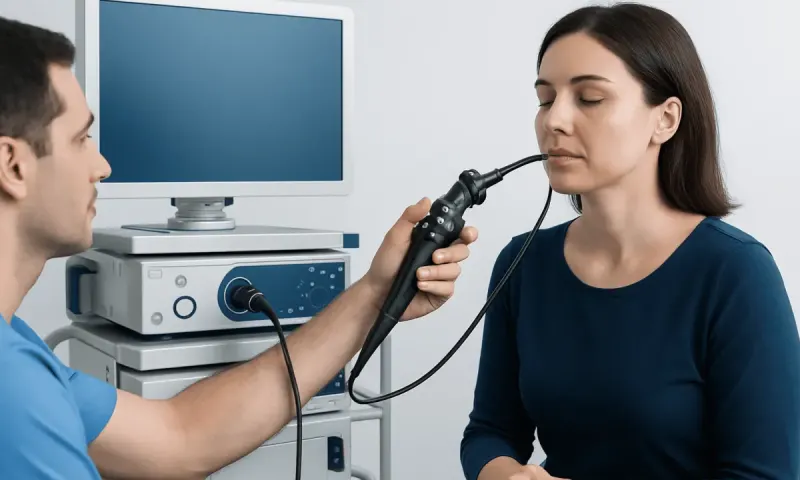
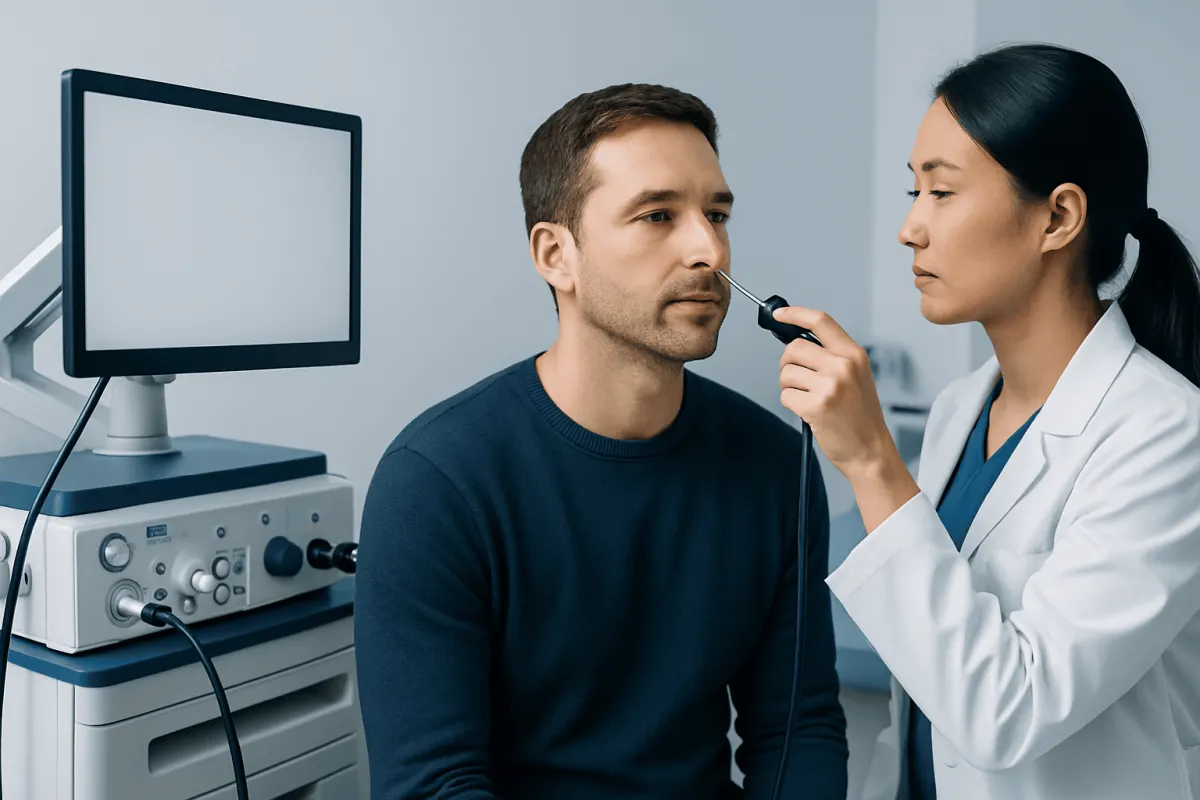
A nasal examination can identify swelling, excess mucus, polyps, signs of infection or structural issues such as a deviated septum. When symptoms are persistent, difficult to explain or one-sided, an ear, nose and throat specialist may perform nasal endoscopy. Imaging is not routinely needed but may be considered when chronic sinus disease or another structural cause is suspected.
Doctors may also distinguish non-allergic rhinitis from sinusitis, common colds, medication-related congestion and cerebrospinal fluid leakage, which is rare but can cause persistent watery drainage from one side of the nose after injury or surgery.
Treatment Options and Symptom Control
Treatment is individualized because the most effective approach depends on which symptom is most bothersome and what triggers it. Avoiding or reducing known irritants is often a useful first step. For example, fragrance-free household products, smoke avoidance and covering the nose in cold air may reduce symptoms for some people.
Saline nasal sprays or rinses can help clear mucus, moisturize the nasal lining and reduce exposure to irritants. If using a rinse bottle or neti pot, sterile, distilled or previously boiled and cooled water should be used to reduce the risk of infection. Devices should be cleaned and dried as instructed.
Prescription or over-the-counter nasal medicines may be recommended by a clinician. Nasal corticosteroid sprays can reduce inflammation and congestion, while nasal antihistamine sprays may improve symptoms even when an allergy is not present. Ipratropium nasal spray may be helpful when watery nasal drainage is the main concern. The right option depends on medical history, symptoms and other medicines.
Oral decongestants and topical decongestant sprays are not appropriate for everyone. Decongestant nasal sprays should generally be limited to short-term use because they can cause rebound congestion. A clinician can advise on ENT assessment and treatment when symptoms persist despite self-care or when a structural nasal issue may be contributing.
Prevention and Self-care Strategies
Non-allergic rhinitis cannot always be prevented, but practical changes can reduce flare-ups. Keeping a simple symptom diary for several weeks may help reveal associations with weather, foods, work exposures, perfumes, smoke, alcohol or medication use. This can make trigger avoidance more specific and realistic.
Maintaining comfortable indoor humidity, avoiding direct exposure to smoke and strong fumes, and ventilating rooms during cleaning or painting may be useful. People who react to cold air may benefit from a scarf or face covering outdoors. Those with meal-related symptoms may choose to reduce foods that consistently provoke nasal drainage, particularly very hot or spicy dishes.
Good nasal spray technique matters. The head should be kept slightly forward, with the spray directed outward toward the ear on the same side rather than toward the nasal septum. This may improve delivery and reduce irritation or nosebleeds. A pharmacist or clinician can demonstrate the technique if needed.
Regular follow-up is useful when treatment is not providing relief, symptoms change or medication side effects develop. Treatment plans may need adjustment over time, particularly if symptoms are seasonal, related to work exposures or mixed with allergic rhinitis.
When to Seek Medical Care
Medical assessment is advisable when nasal symptoms last for several weeks, disturb sleep, interfere with work or daily activities, or do not improve with reasonable self-care. A clinician can clarify whether symptoms are due to non-allergic rhinitis, allergies, sinus disease, medication effects or a structural nasal concern.
Prompt assessment is important for persistent symptoms affecting only one side of the nose, recurrent nosebleeds, facial swelling, severe facial pain, fever, loss of smell that does not improve, or thick discharge lasting more than expected with a simple cold. Clear watery drainage from one nostril after a significant head injury or nasal surgery also needs urgent medical advice.
People with asthma or other respiratory disease should seek care if nasal symptoms are accompanied by wheezing, shortness of breath or worsening asthma control. Acıbadem Health Point’s multidisciplinary specialists and JCI-accredited hospitals can assess and treat nasal conditions for international patients, with care tailored to the individual diagnosis.
Frequently asked questions
01Is non-allergic rhinitis the same as a nasal allergy?
No. Both conditions can cause congestion and a runny nose, but allergic rhinitis is driven by an immune response to allergens such as pollen or dust mites. Non-allergic rhinitis is usually triggered by irritants, weather changes, foods, medicines or nasal sensitivity rather than an allergy.
02Can non-allergic rhinitis go away on its own?
Symptoms may improve when a temporary trigger is removed, such as a medication or irritant exposure. However, some people have recurring or persistent symptoms. Identifying triggers and using appropriate nasal treatments can often provide good symptom control.
03Do antihistamines work for non-allergic rhinitis?
Oral antihistamines may be less helpful for non-allergic rhinitis than for allergy-related symptoms. Some antihistamine nasal sprays can still relieve congestion and runny nose through local effects in the nose. A clinician can recommend the most suitable treatment based on the symptom pattern.
04Why does my nose run when I eat spicy food?
This can be a form of non-allergic rhinitis called gustatory rhinitis. Hot, spicy foods and sometimes hot drinks can stimulate nasal nerves and cause clear watery discharge during or soon after a meal. Avoiding personal food triggers or using a prescribed nasal spray may help.
05Can using decongestant nasal spray make congestion worse?
Yes. Using topical decongestant sprays for longer than recommended can cause rebound congestion, where the nose becomes more blocked when the medicine wears off. It is best to use these products only for short periods and seek clinical advice if congestion continues.
06When should a child with a chronic runny nose see a doctor?
A child should be assessed if symptoms are persistent, affect sleep or school, occur with breathing difficulties, or are associated with repeated sinus or ear problems. One-sided foul-smelling discharge may indicate a foreign object in the nose and should be checked promptly. A healthcare professional can also assess for allergies, enlarged adenoids or other causes.
This article is for general information only and is not a substitute for professional medical advice. Please consult a qualified doctor about your individual situation.
Explore treatments in Turkey — costs, top hospitals & a free quote
JCI-accredited · board-certified surgeons · reply within 24h
Add us as a Preferred Source to see more of our trusted health content across Google Search, AI Overviews and Discover.