

Nipple Pain: Causes, Relief and When to Worry
- 8 min read
- Published November 26, 2026
Key Takeaways
- Nipple pain is often caused by friction, hormonal shifts, breastfeeding, or skin irritation.
- The pattern of pain — both sides or one side, constant or linked to a cycle — can help narrow the cause.
- Home care can ease many mild cases, including gentle cleansing, supportive clothing, and avoiding irritants.
- Medical review is important if pain is severe, persistent, associated with discharge, a lump, redness, or skin changes.
- A doctor can determine whether the symptom is due to infection, a hormonal issue, dermatitis, or another breast condition.
Nipple pain is a common symptom with many possible causes, from simple friction and hormonal changes to skin irritation or infection. Most cases improve with gentle self-care, but persistent or one-sided pain should be assessed by a doctor.
Overview
Nipple pain is a symptom, not a diagnosis. It can feel sharp, burning, tender, itchy, or raw, and it may involve one nipple or both. In many people, the cause is simple and short-lived, such as rubbing from clothing, exercise, breastfeeding, or a temporary hormonal change.
The key is to notice the pattern. Pain that appears only during a menstrual cycle, after a long run, or when a new soap has been used usually points toward a manageable trigger. Pain that is persistent, worsening, or linked with discharge, a lump, or a skin change deserves a medical review.
For international patients deciding whether to travel for care, nipple pain is often evaluated in the same way whether the concern is local irritation or a breast problem that needs imaging or specialist input. A good assessment starts with history, a careful examination, and, when needed, targeted tests rather than guesswork.
Symptoms
Nipple pain can present in different ways. Some people describe soreness when clothing touches the area, while others notice burning, throbbing, itching, or a cracked, stinging sensation. The skin may look normal, or it may appear dry, flaky, red, swollen, or darker than usual.
Doctors often ask whether the discomfort is related to a menstrual cycle, pregnancy, breastfeeding, sports, or a recent change in detergents, skincare products, or bras. They also consider whether the pain is in the nipple itself or deeper in the breast tissue, since that distinction can suggest different causes.
- Common patterns: tenderness with touch, rubbing, or movement
- Skin-related clues: dryness, cracking, itching, flaking, rash
- Breast-related clues: a lump, fullness, swelling, or localized breast pain
- Infectious clues: warmth, redness, discharge, fever, or increasing pain
New nipple inversion, bloody discharge, or persistent one-sided symptoms are not typical and should be assessed promptly.
Causes & Risk Factors

There are several common reasons for nipple pain. Friction from a bra, sportswear, or repetitive exercise is one of the simplest explanations, especially if the skin is chafed or raw. Hormonal shifts before periods, during pregnancy, or around menopause can also make the nipples more sensitive.
Breastfeeding brings its own set of causes. A poor latch, engorgement, cracked skin, thrush, or mastitis can all lead to pain. Outside breastfeeding, skin conditions such as eczema, contact dermatitis, psoriasis, or allergic reactions to soaps, lotions, laundry products, and adhesive dressings may irritate the area.
Less commonly, pain may be related to infection, injury, cysts, or an underlying breast condition. Nipple pain alone is not usually a sign of cancer, but a new, persistent, one-sided change — especially when paired with a lump, skin thickening, or discharge — should not be ignored.
Factors that can increase the chance of nipple pain include tight or abrasive clothing, long-distance running or other high-friction exercise, breastfeeding challenges, sensitive skin, and repeated exposure to irritants. People with a history of eczema or allergies may be more prone to skin-related symptoms.
Diagnosis
Diagnosis begins with a conversation. A doctor will usually ask when the pain started, what it feels like, whether it is constant or cyclical, and whether anything makes it better or worse. They may also ask about pregnancy, breastfeeding, recent exercise, medications, skin products, or any trauma to the area.
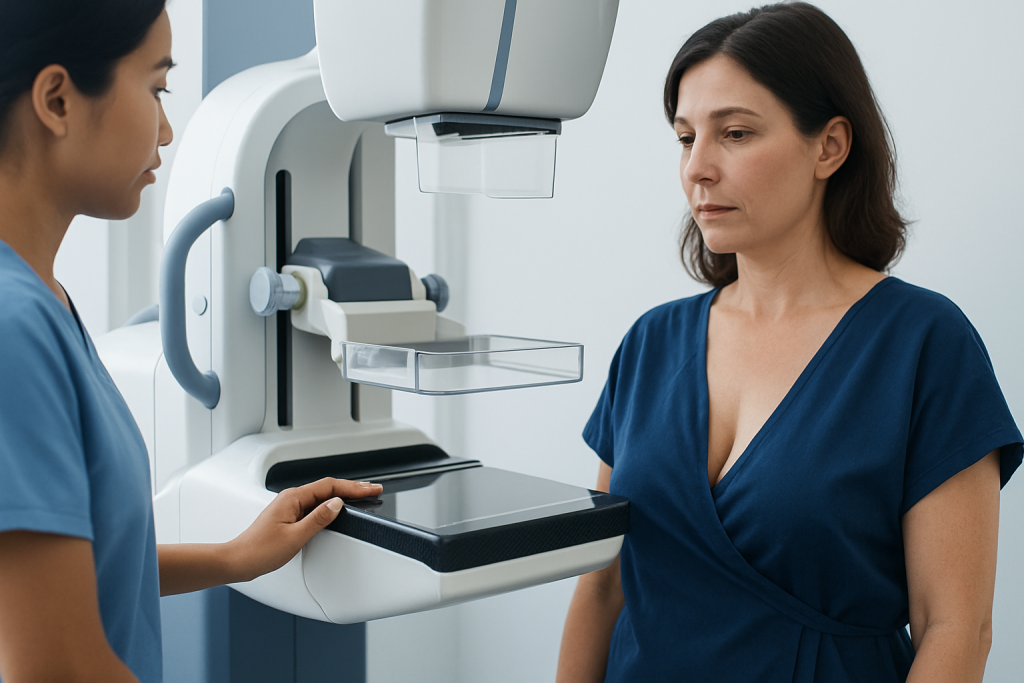
A physical examination helps determine whether the source is the nipple skin, the surrounding breast tissue, or both. If the skin looks inflamed, a clinician may consider dermatitis or infection. If there is a lump, discharge, or a deeper breast symptom, imaging such as an ultrasound or mammogram may be recommended depending on age and clinical findings.
Laboratory tests are not always needed, but they may be used when infection, hormonal imbalance, or another systemic issue is suspected. For patients traveling from abroad, it is helpful to bring prior breast imaging, medication lists, and records of previous procedures so the evaluation can move more smoothly and avoid repeating tests unnecessarily.
Treatment Options
Treatment depends on the cause. For friction-related nipple pain, simple changes often help: switching to a better-fitting bra, using soft fabrics, reducing rubbing during exercise, and keeping the skin clean and dry. A protective barrier such as plain petroleum jelly may be useful for chafing, while harsh scrubs and fragranced products should be avoided.
If a skin condition is responsible, treatment may include a doctor-recommended moisturiser or topical medication. For breastfeeding-related pain, correcting latch and positioning is often central, and a lactation specialist can be valuable. If infection is suspected, treatment may involve prescription medicine chosen by a clinician after examination.
When pain is linked to hormonal changes, reassurance and watchful waiting are sometimes enough, especially if symptoms are mild and follow a predictable cycle. If a lump, discharge, or suspicious skin change is present, treatment targets the underlying breast problem rather than the pain itself.
In any setting, it is best to avoid self-treating with multiple creams at once, since this can blur the diagnosis and sometimes worsen irritation. A stepwise approach guided by a doctor is usually the safest and most effective path.
Prevention & Self-care
Prevention focuses on reducing irritation and noticing changes early. People who exercise can reduce friction by wearing supportive, well-fitted clothing and moisture-wicking fabrics. Those with sensitive skin may benefit from fragrance-free cleansers and laundry products, plus fewer products applied directly to the nipple area.
General self-care can be simple and effective. Gentle washing, careful drying after bathing or breastfeeding, and avoiding picking at cracked skin can help the area heal. If the pain is associated with the menstrual cycle, keeping a symptom diary may help a doctor confirm a hormonal pattern.
- Choose soft, non-irritating fabrics.
- Use fragrance-free skin and laundry products.
- Change out of sweaty clothing promptly.
- Address breastfeeding technique early if feeding is painful.
- Track timing, triggers, and associated symptoms.
For people arranging care across countries, practical self-care also means preparing for the appointment: bringing photos of skin changes, noting dates of symptoms, and listing anything already tried. Those details can make remote planning and in-person assessment much clearer.
When to See a Doctor
Medical review is a good idea if nipple pain lasts more than a short time, keeps returning, or interferes with daily life. It is especially important to seek care if the pain is one-sided, unexplained, or appears without an obvious cause such as friction or breastfeeding.
Prompt evaluation is recommended if nipple pain comes with a lump, nipple discharge, bleeding, new inversion, a persistent rash, swelling, warmth, fever, or skin that looks thickened or dimpled. These findings do not always mean something serious, but they do need a clinician’s assessment to rule out treatable conditions.
Anyone who is pregnant, breastfeeding, immunocompromised, or has a history of breast disease should be examined sooner rather than later if symptoms change. If symptoms are significant, Acibadem Health Point’s multidisciplinary specialists and JCI-accredited hospitals can diagnose and treat nipple pain-related breast concerns for international patients in a coordinated setting.
Living With the Symptom While Awaiting Care
While waiting for an appointment, the goal is comfort without masking important clues. Gentle clothing, limited friction, and simple skin care are usually enough for mild discomfort. If the area is cracked or irritated, avoiding new products until a clinician has seen it can prevent further inflammation.
It is also helpful to observe whether the symptom evolves. A changing rash, increasing redness, discharge, or a new lump should be reported sooner, rather than waiting for the next routine visit. For many patients, especially those coordinating care from another country, a short written timeline of symptoms can make consultation more efficient and less stressful.
Frequently asked questions
01Is nipple pain usually serious?
Most nipple pain is caused by something common, such as friction, skin irritation, breastfeeding issues, or hormonal changes. It is usually not serious, but persistent or one-sided pain should be checked by a doctor.
02Can hormonal changes cause nipple pain?
Yes. Many people notice nipple tenderness before a menstrual period, during pregnancy, or around menopause. Hormone-related pain often follows a repeating pattern, which can help a clinician identify it.
03What helps sore nipples from friction?
Reducing rubbing is the main step. Supportive clothing, softer fabrics, and avoiding repeated irritation often help, and a doctor can advise if the skin is cracked or inflamed.
04When should nipple pain be checked urgently?
It should be assessed sooner if it comes with a lump, bloody discharge, fever, redness, a new rash that does not improve, or a new change in nipple shape. These signs deserve medical evaluation even if the pain itself is not severe.
05Can breastfeeding cause nipple pain?
Yes, and it is very common early on. Poor latch, engorgement, and skin irritation are frequent reasons, and lactation support can make a big difference.
06Does nipple pain always mean a breast problem?
No. The pain may come from the nipple skin itself rather than the deeper breast tissue. A clinical exam helps determine the source and whether any imaging or treatment is needed.
This article is for general information only and is not a substitute for professional medical advice. Please consult a qualified doctor about your individual situation.
Explore treatments in Turkey — costs, top hospitals & a free quote
JCI-accredited · board-certified surgeons · reply within 24h
Add us as a Preferred Source to see more of our trusted health content across Google Search, AI Overviews and Discover.



How can we help you today?
Meet an Acibadem specialist by secure video, before you travel.
Book a video visit