Night Sweats and Alcohol: Understanding the Link
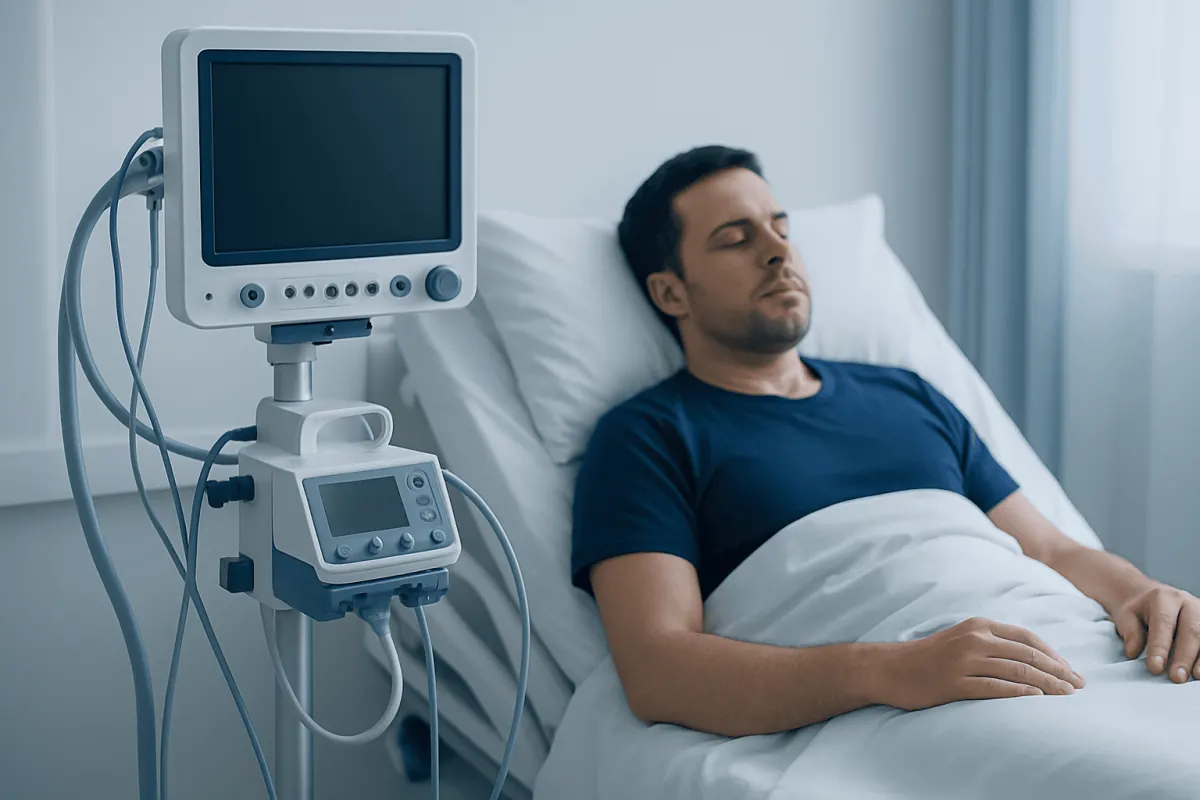
Night sweats and alcohol may be connected: drinking can widen blood vessels, affect the body’s temperature regulation, disturb sleep, and trigger sweating as alcohol is processed. However, recurrent or drenching night sweats should not automatically be attributed to alcohol, especially when they continue after reducing or avoiding it.
Overview: can alcohol cause night sweats?
Yes. Night sweats and alcohol can be related because alcohol affects the nervous system, blood vessels, sleep cycles, and the body’s ability to regulate temperature. Some people notice mild sweating after an evening drink, while others wake with damp sleepwear or bedding after heavier alcohol use. The pattern may occur on the same night as drinking or in the early hours of the morning as blood alcohol levels fall.
Alcohol is not the only possible explanation for sweating at night. A warm room, heavy bedding, fever, menopause, anxiety, certain medicines, low blood sugar, sleep disorders, and infections can all contribute. When night sweats are frequent, drenching, unexplained, or present despite avoiding alcohol, a healthcare professional can help identify the cause.
It is useful to distinguish occasional warmth or perspiration from true night sweats. True night sweats generally soak clothing or bedding and occur despite a comfortably cool sleeping environment. This distinction can help clinicians decide whether further evaluation is needed.
How alcohol may lead to sweating at night
Alcohol can temporarily widen blood vessels near the skin. This may create a feeling of warmth and flushing, even though it does not truly warm the body. As the body then tries to maintain a stable internal temperature, sweating may occur. This effect can be more noticeable in a warm bedroom or when alcohol is combined with exercise, hot foods, or heavy bedding.
Alcohol also changes normal sleep architecture. It may make a person feel sleepy initially, but it often fragments sleep later in the night and reduces restorative rapid eye movement (REM) sleep. Waking more often may make sweating easier to notice, while the physiological stress of disrupted sleep may contribute to perspiration in some people.
As alcohol is metabolized, its effects on the brain and nervous system change. A rebound increase in nervous-system activity can lead to restlessness, a faster heartbeat, vivid dreams, sweating, or anxiety during the second half of the night. Dehydration and poor sleep after drinking can make these symptoms feel more uncomfortable, although dehydration itself does not fully explain night sweats.
People respond differently. Factors such as the amount and timing of alcohol, body size, other medicines, liver health, hormonal status, and individual sensitivity can influence whether alcohol-related sweating occurs.
Patterns that may point to alcohol as a contributor

A temporal pattern is often the most helpful clue. Sweating is more likely to be alcohol-related when it happens after drinking, is more pronounced after larger amounts, and improves during alcohol-free periods. Symptoms may also be more likely when alcohol is consumed close to bedtime, especially alongside a large meal or in a warm sleeping environment.
Some people experience facial flushing, warmth, palpitations, headache, nausea, or poor sleep together with sweating. Facial flushing after alcohol can occur when the body processes alcohol less efficiently, including in people with inherited differences in alcohol metabolism. Repeated flushing should be discussed with a clinician, particularly if alcohol causes significant discomfort.
A simple record can be useful. For one to two weeks, a person may note the time and type of drink, approximate amount, evening meals, bedtime, room temperature, medicines, menstrual or menopausal symptoms where relevant, and any overnight sweating. This information can help a doctor assess whether alcohol is likely to be one factor among others.
- Limit or avoid alcohol for a trial period if it is safe to do so.
- Keep the bedroom cool and use breathable sleepwear and bedding.
- Choose water or non-alcoholic drinks in the evening to support hydration.
- Avoid using alcohol as a sleep aid, as it commonly worsens sleep quality later in the night.
Alcohol withdrawal and night sweats
Night sweats can occur when a person who drinks heavily or regularly cuts down suddenly or stops. This can be a sign of alcohol withdrawal, a potentially serious condition caused by the nervous system adapting to reduced alcohol exposure. Along with sweating, withdrawal may involve tremor, anxiety, irritability, nausea, vomiting, poor sleep, a fast pulse, or elevated blood pressure.
Withdrawal symptoms can begin within hours after the last drink and may worsen over the following days. Severe withdrawal can include confusion, hallucinations, fever, seizures, or delirium. These symptoms require emergency medical attention. A person who has previously experienced withdrawal, seizures, hallucinations, or very heavy regular alcohol use should seek medical advice before trying to stop abruptly.
Withdrawal is treatable, and care can be planned to reduce risks. Medical teams may assess alcohol use, other health conditions, medicines, nutrition, and support needs before recommending the safest approach. Alcohol addiction treatment can include medically supervised withdrawal care, counseling, and longer-term relapse-prevention support tailored to the individual.
Other possible causes of night sweats
Because night sweats are a symptom rather than a diagnosis, it is important not to assume alcohol is always responsible. Viral and bacterial infections can cause fever and sweating. Hormonal changes, including perimenopause and menopause, are common causes of nighttime hot flashes and sweating. Thyroid conditions, diabetes-related low blood sugar, gastroesophageal reflux, anxiety, and obstructive sleep apnea may also play a role.
Several medicines can contribute to sweating, including some antidepressants, hormone therapies, fever-reducing medicines, diabetes medicines, and certain pain medicines. A person should not stop a prescribed medicine without discussing it with the prescribing clinician. Reviewing all prescription medicines, over-the-counter products, and supplements is an important part of evaluation.
Less commonly, persistent night sweats may be associated with inflammatory conditions or cancers of the blood and lymphatic system. These conditions are not the usual cause of an isolated episode after drinking, but a medical review is appropriate if sweating is ongoing or accompanied by warning signs such as fever, unexplained weight loss, unusual fatigue, enlarged lymph nodes, or persistent cough.
Sleep quality matters as well. Alcohol can worsen snoring and breathing pauses in susceptible people, and disrupted breathing can be associated with nighttime sweating. Anyone with loud snoring, witnessed pauses in breathing, morning headaches, or marked daytime sleepiness may benefit from assessment for sleep apnea.
Assessment and treatment options
A clinician will usually begin by asking about the timing, duration, and severity of night sweats, alcohol intake, sleep habits, recent illnesses, travel, weight changes, mood symptoms, and medicines. They may ask whether the sweating soaks bedding, whether fever is present, and whether symptoms occur only after alcohol. A physical examination and targeted blood tests may be recommended depending on the history.
Treatment focuses on the underlying cause. If alcohol appears to be a trigger, reducing intake, avoiding alcohol near bedtime, and improving sleep conditions may help. If a medicine, hormone change, infection, or sleep disorder is contributing, treatment is directed toward that issue. There is no single treatment suitable for all night sweats.
For people who find it difficult to reduce alcohol use, professional support is appropriate and confidential. Behavioral therapies, peer support, and medically guided treatment can be considered based on individual needs. A clinician can also help determine whether a gradual reduction or supervised withdrawal is safer than stopping without support.
Acıbadem Health Point’s multidisciplinary specialists and JCI-accredited hospitals assess symptoms such as persistent night sweats and provide coordinated care for international patients when evaluation or alcohol-related support is needed.
When to seek medical care
Medical advice is recommended when night sweats happen repeatedly, are drenching, interrupt sleep, or continue for several weeks despite avoiding alcohol and keeping the sleeping environment cool. A prompt appointment is also sensible when sweats occur with fever, unexplained weight loss, persistent tiredness, swollen lymph nodes, ongoing pain, cough, diarrhea, or other new symptoms.
Urgent medical care is needed for possible severe alcohol withdrawal. Warning signs include confusion, hallucinations, seizures, severe shaking, a high fever, severe vomiting, chest pain, trouble breathing, or a very fast or irregular heartbeat. A person should not drive themselves to emergency care if they are unwell or intoxicated.
Anyone who drinks heavily every day, has had alcohol withdrawal before, or has significant medical or mental health conditions should speak with a healthcare professional before abruptly stopping alcohol. With appropriate medical guidance, alcohol reduction and withdrawal can be managed more safely.
Frequently asked questions
01Why do I get night sweats after drinking alcohol?
Alcohol can affect blood vessels, the nervous system, temperature regulation, and sleep quality. Sweating may occur as alcohol is processed and its sedating effects wear off during the night. The effect is often more noticeable after heavier drinking or drinking close to bedtime.
02Are night sweats after alcohol a sign of withdrawal?
They can be, especially in someone who drinks heavily or regularly and develops sweating after reducing or stopping alcohol. Withdrawal may also cause shaking, anxiety, nausea, insomnia, or a rapid heartbeat. Severe symptoms such as confusion, hallucinations, or seizures require urgent medical care.
03How long can alcohol-related night sweats last?
For occasional drinking, sweating may settle as alcohol leaves the body and normal sleep resumes, often by the next day. The duration varies with the amount consumed, individual metabolism, and other health factors. Sweating that continues during alcohol-free periods should be discussed with a clinician.
04Can one glass of wine cause night sweats?
Yes, some people are sensitive to even small amounts of alcohol, particularly if they also experience flushing or disrupted sleep. However, a single episode does not confirm that alcohol is the cause. Tracking symptoms in relation to alcohol intake can help clarify the pattern.
05Should a person stop drinking if alcohol causes night sweats?
Reducing or avoiding alcohol may help determine whether it is contributing to the symptom. However, a person who drinks heavily or daily should seek medical advice before stopping suddenly because withdrawal can be dangerous. A healthcare professional can recommend the safest plan.
06When are night sweats concerning?
They should be assessed when they are frequent, drenching, unexplained, or accompanied by fever, weight loss, persistent fatigue, enlarged lymph nodes, or other concerning symptoms. Evaluation is also important when sweating occurs without alcohol exposure. Many causes are manageable, but identifying the cause is the key step.
This article is for general information only and is not a substitute for professional medical advice. Please consult a qualified doctor about your individual situation.
Explore treatments in Turkey — costs, top hospitals & a free quote
JCI-accredited · board-certified surgeons · reply within 24h
Add us as a Preferred Source to see more of our trusted health content across Google Search, AI Overviews and Discover.