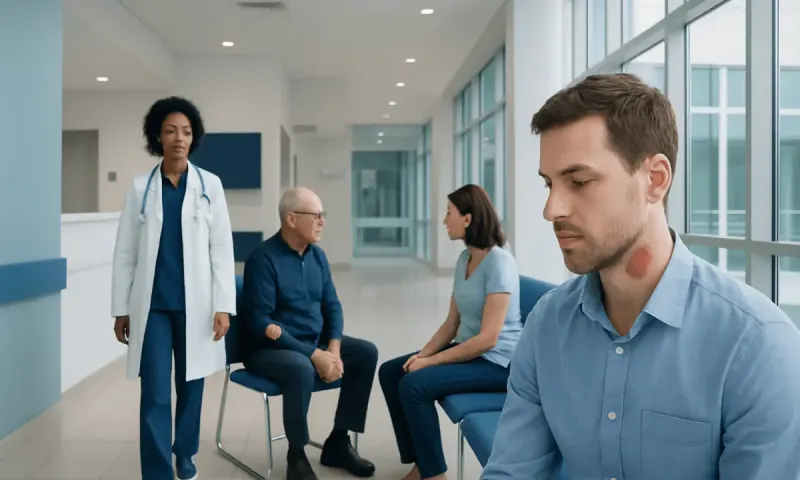
Herpes Treatment Today and What New Research May Bring

You’ve probably typed “herpes cure” into a search bar at some point and come away more confused than when you started. Here’s the honest answer: as of 2026, there is no approved treatment that completely removes herpes simplex virus from the body.
What researchers are working on is real, though — longer-lasting antiviral medicines, immune-based approaches and possible gene-targeted therapies. And in the meantime, the medicines we already have do a lot. Used properly, current antivirals can safely shorten outbreaks, reduce how often they come back, and lower the likelihood of passing the virus to a partner.
New herpes treatment: what is available now?
A new herpes treatment may refer to medicines in research, newer ways of delivering established antivirals, or updated treatment plans designed around a person’s outbreak pattern and health needs. As of 2026, there is no approved medication that cures herpes simplex virus type 1 (HSV-1) or type 2 (HSV-2) by fully clearing it from the body. However, current prescription antiviral treatment is effective for many people and can meaningfully improve comfort, healing time and control of recurrent symptoms.
HSV can remain inactive in nerve cells after the first infection and reactivate from time to time. This is why treatment commonly aims to stop viral multiplication during an outbreak or to suppress it over the longer term. A clinician can discuss genital herpes treatment options based on whether symptoms are new, occasional, frequent, severe or causing emotional distress.
Be sceptical of online promises of a fast “cure,” unregulated injections, supplements or home procedures. Any treatment worth your time should be backed by solid clinical evidence, approved by the health authorities where it is used, and prescribed or supervised by a qualified healthcare professional.
How new and established herpes treatments work
Established antiviral medicines work by interfering with the virus’s ability to copy its genetic material. When started early in an outbreak, they can shorten the duration of lesions and reduce pain or discomfort. For people with recurring genital herpes, clinicians may prescribe episodic treatment to keep available for the first signs of an outbreak, or suppressive treatment taken regularly to reduce recurrence frequency.
Research into new herpes treatment approaches includes long-acting antiviral formulations, medicines that act at different points in the viral life cycle, therapeutic vaccines intended to strengthen the immune response, and gene-targeted strategies. Some approaches have shown promising findings in laboratory or early clinical research, but promise at this stage does not establish safety, lasting effectiveness or availability for routine care.
Here is the hurdle researchers keep running into. HSV can go latent — it sits quietly in nerve cells without making new virus. A true cure would have to safely wipe out or permanently switch off that sleeping virus without damaging the tissue around it. That is a hard problem, and work on it continues.
Candidacy and the treatment process

People who have a first suspected herpes outbreak, recurrent sores, a positive test without clear symptoms, or concerns about transmission may benefit from a medical consultation. Treatment decisions consider the site of infection, frequency and severity of episodes, whether the person is pregnant or immunocompromised, other medicines they take and their preferences. A clinician may also check for other sexually transmitted infections when genital herpes is suspected.
There is usually no invasive procedure for routine herpes care. The treatment process typically begins with a clinical history and examination. A swab from a fresh blister or sore can be tested to identify HSV and determine the type; blood tests may sometimes help clarify past exposure, although they do not reliably show the location or timing of infection.
After diagnosis or a strong clinical suspicion, the clinician discusses whether episodic or daily suppressive antiviral treatment is more appropriate. They will explain when to start medicine, how to manage symptoms, how to reduce transmission risk and when follow-up is needed. Participation in a clinical trial may be an option for some individuals, but it should never replace established care without careful discussion of potential benefits, uncertainties and safety monitoring.
- Episodic treatment: started as early as possible when warning symptoms or lesions develop.
- Suppressive treatment: taken regularly when outbreaks are frequent, troublesome or when reducing transmission risk is a priority.
- Supportive care: may include gentle skin care, pain relief recommended by a clinician and avoiding irritation of active sores.
Expected results, recovery timeline, benefits and risks
With established antiviral treatment, many people notice that outbreaks heal sooner and occur less often. The response varies: some people have rare recurrences without daily medication, while others find suppressive therapy particularly helpful. Treatment can lower the risk of passing genital HSV to partners, but it does not make transmission impossible because viral shedding can occur when no sores are visible.
A first episode may be more prolonged or uncomfortable than later episodes, and it can take several weeks for symptoms to settle. Recurrent outbreaks often heal more quickly, especially when treatment begins during early warning sensations such as tingling, itching or burning. A clinician can review the plan if episodes remain frequent, healing is delayed or medication side effects occur.
Antiviral medicines are generally well tolerated when appropriately prescribed, although side effects may include headache, nausea or digestive upset. Rarely, people may need extra monitoring because of kidney disease, dehydration, other medical conditions or interacting medicines. Experimental treatments can have less certain risks and should only be accessed through regulated clinical research or approved specialist care.
How far away is a cure for herpes in 2026?
In 2026, herpes is not considered curable with an approved medication. Research is advancing in several directions, including therapeutic vaccines, novel antiviral drugs and gene-targeted methods, but no approach has yet demonstrated that it can reliably and safely remove latent HSV from the body in routine clinical use.
Nobody can honestly give you a date. Research has to move through careful laboratory work and several stages of clinical trials to pin down dose, safety, effectiveness and long-term outcomes. People considering a trial should discuss it with an infectious disease, sexual health or dermatology clinician and confirm that the study is formally registered and ethically supervised.
Is it true that 90% of people have herpes?
It is not accurate to say that 90% of all people have herpes in every country or age group. HSV-1 is very common worldwide and is often acquired in childhood through nonsexual contact, usually causing oral herpes. HSV-2, which is more often associated with genital herpes, is less common than HSV-1 and is mainly transmitted through sexual contact.
How common it is depends on where you live, your age, your sex and whether testing is available to you. Plenty of people with HSV never notice symptoms, or do not recognize them for what they are, so infections often go undiagnosed. A test result should be interpreted with a clinician, particularly because it is important to understand what type of HSV was detected and what a blood test can and cannot tell someone.
How close are we to cure for herpes, and how close are we to healing herpes?
Research has brought scientists closer to understanding how HSV persists and how the immune system responds to it, but a cure remains uncertain rather than imminent. New treatments may reach clinical practice before a cure does, particularly medicines that provide more convenient dosing, better suppression or fewer recurrences. Such treatments could be valuable even if they do not eliminate the virus.
“Healing herpes” can mean two different things. Individual sores can heal, and antiviral treatment may speed this process; however, healing visible lesions does not mean the virus has left the body. People can still live well with HSV by using a tailored treatment plan, recognizing early symptoms, communicating with partners and attending follow-up care when needed.
If you would like this looked at properly, our specialists at Acıbadem Health Point, working across JCI-accredited hospitals, can assess herpes-related symptoms, arrange testing and build a treatment plan around you as an international patient.
When to seek medical care
Medical care is advisable for a first episode of painful blisters or sores around the mouth, genitals or anus, especially if there is fever, swollen glands, difficulty passing urine or significant discomfort. Early assessment can help confirm the cause and allow antiviral treatment to be started promptly when appropriate. New genital sores can have several possible causes, so self-diagnosis is not recommended.
Urgent assessment is important for eye pain, eye redness, sensitivity to light, blurred vision or a rash near the eye, as HSV infection of the eye can threaten vision if not treated. Pregnant people who have genital sores, a possible new HSV infection or a partner with herpes should contact their obstetric care team promptly. Anyone with a weakened immune system, severe symptoms, widespread lesions or symptoms that are not improving should also seek timely medical advice.
To reduce the chance of transmission, people should avoid oral, vaginal or anal sexual contact when sores or warning symptoms are present. Condoms and dental dams can reduce risk, though they do not cover all potentially affected skin. Open, nonjudgmental discussions with partners and a clinician can support informed choices about testing, prevention and treatment.
Frequently asked questions
01What is the newest treatment for herpes?
Research is evaluating new antiviral compounds, long-acting formulations, therapeutic vaccines and gene-targeted approaches. These are not the same as an approved cure, and availability varies by country and clinical trial status. Current prescription antivirals remain the standard evidence-based treatment.
02Can antiviral treatment prevent herpes transmission completely?
No. Daily suppressive antiviral treatment can reduce the chance of genital herpes transmission, but it cannot eliminate it completely. Avoiding sex during outbreaks or warning symptoms and using barrier methods provide additional protection.
03Can herpes sores heal without treatment?
Yes, herpes sores often heal without antiviral medicine, particularly recurrent sores. However, prescription antiviral treatment can shorten an outbreak and relieve symptoms for many people. A first episode or severe symptoms should be assessed by a clinician.
04Are herpes vaccines available now?
There is no broadly approved vaccine that prevents or cures HSV-1 or HSV-2 infection in routine clinical practice. Several vaccine approaches are being studied. Participation in a clinical trial should be discussed with a qualified healthcare professional.
05Should everyone with herpes take daily medication?
Not necessarily. Daily suppressive treatment may be useful for frequent or distressing outbreaks, to help reduce transmission risk, or in selected medical circumstances. People with infrequent, mild episodes may instead use treatment only when symptoms begin.
06Can a blood test tell when herpes was acquired?
Usually, no. HSV blood tests can sometimes show whether a person has antibodies to HSV-1 or HSV-2, but they generally cannot determine when infection occurred or where it is located. A swab test from an active lesion is often more helpful for diagnosing a current outbreak.
This article is for general information only and is not a substitute for professional medical advice. Please consult a qualified doctor about your individual situation.
Explore treatments in Turkey — costs, top hospitals & a free quote
JCI-accredited · board-certified surgeons · reply within 24h
Add us as a Preferred Source to see more of our trusted health content across Google Search, AI Overviews and Discover.