Neuropsychiatrist vs Neurologist vs Psychiatrist: Which Specialist Do You Need?

Neuropsychiatry, neurology, and psychiatry can overlap, so it is common to feel unsure about which specialist to see. The best choice depends on the person’s main symptoms, whether there may be an underlying brain or nerve condition, and whether emotional, behavioral, or cognitive changes are also present.
Overview: How These Specialists Differ
People often use the terms neurologist, psychiatrist, and neuropsychiatrist interchangeably, but they are not the same. Each specialist has medical training and may evaluate symptoms that affect thinking, emotions, and daily functioning, yet their main focus is different. Understanding that difference can help patients reach the right care more quickly and avoid unnecessary worry.
A neurologist diagnoses and treats disorders of the nervous system. This includes conditions involving the brain, spinal cord, peripheral nerves, and muscles. Common examples include epilepsy, stroke, migraine, multiple sclerosis, Parkinson’s disease, neuropathy, and movement disorders. When symptoms suggest a structural, electrical, or degenerative problem in the nervous system, a neurologist is often the first specialist involved.
A psychiatrist is a medical doctor who diagnoses and treats mental health conditions. These may include depression, anxiety disorders, obsessive-compulsive disorder, bipolar disorder, post-traumatic stress disorder, schizophrenia, sleep-related emotional symptoms, and substance-related psychiatric conditions. Psychiatrists assess mood, thought patterns, behavior, and emotional wellbeing, and they commonly provide medication management together with psychotherapy referrals or coordinated care.
A neuropsychiatrist works where neurology and psychiatry overlap. This specialist evaluates changes in behavior, mood, personality, thinking, or cognition that may be linked to a brain-based condition. Examples include psychiatric symptoms after head injury, cognitive and behavioral changes in dementia, mood changes in epilepsy, or emotional symptoms related to neurological disease. In many cases, a neuropsychiatrist helps connect brain function with mental and behavioral symptoms in a more integrated way.
What a Neurologist Treats
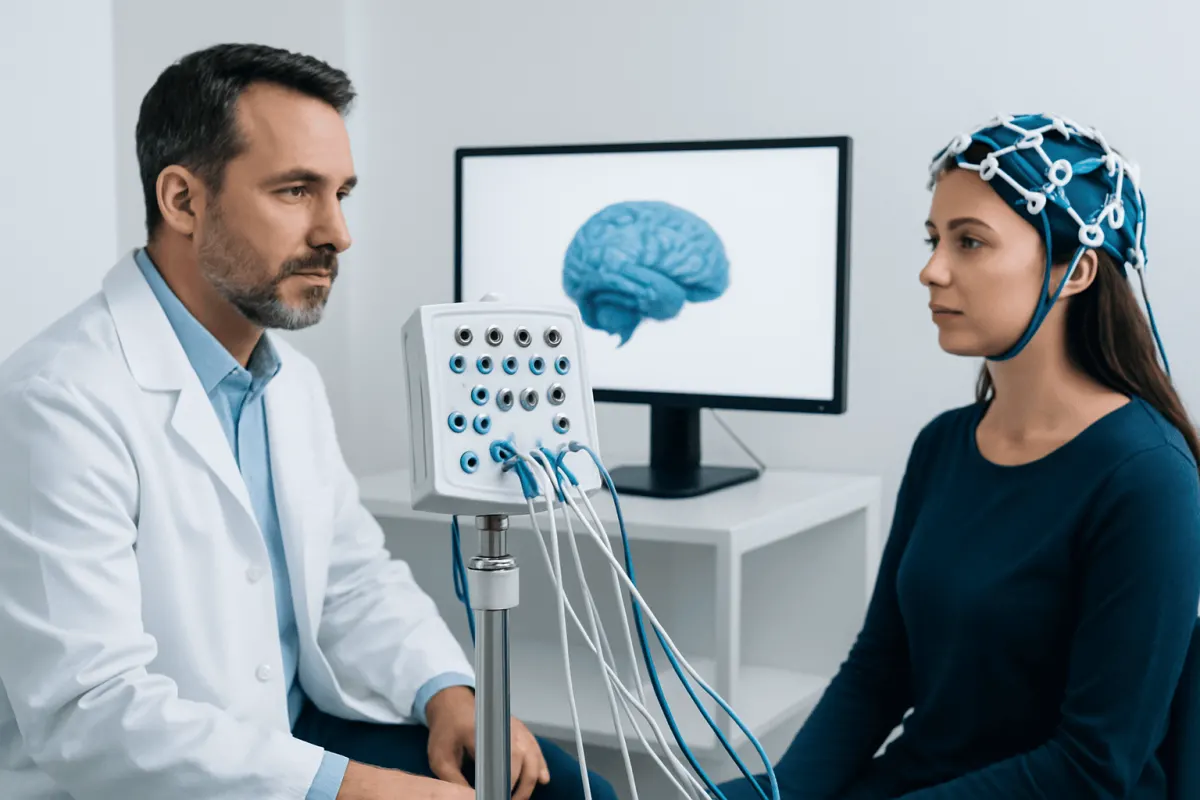
A neurologist is usually the right specialist when symptoms clearly suggest a nervous system disorder. These symptoms may include recurring headaches, seizures, weakness, numbness, tremor, dizziness, balance problems, visual disturbances related to nerve pathways, memory decline, or sudden changes such as facial drooping or difficulty speaking. Neurologists use the neurological exam to assess strength, reflexes, sensation, coordination, and other functions of the brain and nerves.
Neurologists often order tests such as MRI, CT, EEG, EMG, nerve conduction studies, sleep studies, or blood work to help identify the cause of symptoms. Their role is especially important when there is concern about stroke, epilepsy, migraine, neuropathy, multiple sclerosis, Parkinsonism, or Alzheimer’s disease. Some neurological conditions can also affect mood and thinking, which is why referral to a neuropsychiatrist or psychiatrist may sometimes be helpful.
Treatment in neurology depends on the diagnosis. It may include medications, rehabilitation, lifestyle measures, monitoring, or procedures. For some patients, care may involve advanced services such as deep brain stimulation for selected movement disorders or other specialized neurological therapies. Even when emotional symptoms are present, a neurologist remains important if there is evidence that the brain or nerves are directly involved.
What a Psychiatrist Treats

A psychiatrist is generally the best starting point when symptoms are mainly emotional, behavioral, or related to thought patterns without obvious neurological signs. Common reasons to see a psychiatrist include persistent sadness, anxiety, panic attacks, intrusive thoughts, mood swings, insomnia linked to mental stress, hallucinations, delusions, or difficulty functioning due to mental health symptoms. Psychiatrists are also trained to consider how medical illnesses, medications, and substance use can affect mental state.
Psychiatric assessment usually includes a detailed conversation about symptoms, stressors, personal history, sleep, relationships, substance use, and safety concerns. Psychiatrists may diagnose conditions such as major depressive disorder, generalized anxiety disorder, bipolar disorder, psychotic disorders, attention-related disorders, or trauma-related conditions. They may recommend medication, psychotherapy, lifestyle changes, or coordinated treatment with psychologists, therapists, and primary care doctors.
Although psychiatrists focus on mental health, they also help identify when symptoms may not be purely psychiatric. For example, sudden personality change, confusion, seizures, unusual memory loss, or mental symptoms that begin after a neurological event may suggest the need for neurological or neuropsychiatric evaluation. This is one reason specialist care is often collaborative rather than separate.
What a Neuropsychiatrist Treats
A neuropsychiatrist specializes in symptoms that sit between neurology and psychiatry. This may include changes in memory, attention, judgment, motivation, personality, mood, or behavior that seem related to how the brain is functioning. Neuropsychiatrists are especially helpful when symptoms are complex, when standard psychiatric treatment has not fully explained the problem, or when a known neurological condition is affecting mental health.
Examples include depression after stroke, anxiety or behavioral changes in epilepsy, apathy or agitation in dementia, emotional changes after traumatic brain injury, psychosis associated with neurological disease, or cognitive symptoms linked to autoimmune or degenerative disorders. A neuropsychiatrist may also help evaluate unexplained episodes involving confusion, dissociation, behavioral changes, or cognitive decline. In some settings, they work closely with teams involved in epilepsy surgery assessment or rehabilitation after acquired brain injury.
Evaluation may include a detailed review of neurological history, psychiatric symptoms, medications, imaging, EEG findings, and formal cognitive testing. Some patients may also be referred for brain check-up services or neuropsychological assessment to better understand attention, memory, language, and executive function. The goal is not simply to label symptoms, but to understand whether they are driven by brain disease, psychiatric illness, or a combination of both.
Because neuropsychiatry bridges two fields, it can be especially valuable for patients and families who feel that symptoms do not fit neatly into one category. It may bring clarity in situations where there are both medical and emotional changes, such as a person who becomes depressed after a stroke or develops behavioral changes with early dementia.
Which Symptoms Point to Which Specialist?
Choosing a specialist often begins with the person’s main symptoms. A neurologist may be most appropriate when symptoms include seizures, recurrent severe headaches, tremor, muscle weakness, numbness, balance problems, blackouts, sudden speech difficulty, or clear memory decline. These symptoms can suggest a disorder of the brain, spinal cord, nerves, or muscles and may require neurological testing.
A psychiatrist may be the best first step when the main problem is low mood, anxiety, panic, racing thoughts, hallucinations, compulsive behavior, severe stress, or changes in sleep and appetite linked to emotional health. These symptoms are common and treatable, and early psychiatric care can make a meaningful difference. If there are no focal neurological signs, psychiatry is often the most direct route.
A neuropsychiatrist may be especially useful when symptoms combine both brain-related and mental health features. Examples include memory loss with personality change, mood changes after a concussion, unusual behavior with seizures, confusion that comes and goes, psychosis starting later in life, or emotional symptoms in a person with Parkinson’s disease or dementia. These mixed presentations are often where neuropsychiatry adds the most value.
- See a neurologist for nerve, movement, seizure, stroke-like, or structural brain symptoms.
- See a psychiatrist for primary mood, anxiety, thought, or behavioral symptoms.
- See a neuropsychiatrist for overlap: brain disease plus mood, behavior, or cognitive changes.
- If unsure, a primary care doctor can help guide the first referral.
How Diagnosis and Team Care Usually Work
These specialists do not work in competition with one another. In many cases, the best care comes from collaboration. A person with epilepsy and depression may need both a neurologist and a psychiatrist. Someone with dementia-related agitation may benefit from both a neurologist and a neuropsychiatrist. A patient with panic-like episodes that turn out to be seizures may move from psychiatric assessment to neurological testing.
Diagnosis begins with a careful history and physical or mental state examination. Depending on symptoms, a clinician may order brain imaging, EEG, laboratory tests, sleep studies, or cognitive testing. This helps distinguish between psychiatric illness, neurological disease, medication effects, metabolic problems, sleep disorders, and other causes of behavioral or cognitive change.
Sometimes there is no single perfect first specialist, and that is normal. Primary care physicians, internists, pediatricians, and emergency doctors frequently direct patients toward the right service. If the first specialist believes another field is better suited, referral is part of good care, not a sign that anything has gone wrong. The most important step is to seek assessment rather than delay because of uncertainty.
Preparing for an Appointment and Supporting Self-care
Before the appointment, it can help to write down symptoms, when they started, how often they happen, and what makes them better or worse. Patients should bring a medication list, prior test results if available, and a short summary of personal and family history. If the concern involves memory or behavior, having a family member or trusted companion at the visit may provide helpful observations.
People should note whether symptoms are linked to stress, sleep loss, alcohol or substance use, recent infection, head injury, or a major medical event. It is also useful to describe the impact on work, school, relationships, driving, and day-to-day tasks. This practical information often helps the specialist determine whether symptoms are more psychiatric, neurological, or neuropsychiatric in nature.
Self-care is supportive but does not replace diagnosis. Regular sleep, balanced meals, physical activity as appropriate, reduced alcohol intake, stress management, and following treatment plans can all help overall brain and mental health. Patients should avoid stopping prescribed psychiatric or neurological medication suddenly unless a doctor advises it.
For individuals who need comprehensive evaluation, multidisciplinary centers may coordinate neurology, psychiatry, imaging, rehabilitation, and cognitive assessment in one pathway. Acıbadem Health Point’s multidisciplinary specialists and JCI-accredited hospitals evaluate and treat neurological and neuropsychiatric conditions for international patients when coordinated care is needed.
When to Seek Urgent Medical Attention
Some symptoms should not wait for a routine specialist appointment. Emergency evaluation is needed for sudden weakness on one side, trouble speaking, facial drooping, sudden severe headache, new seizure, loss of consciousness, severe confusion, or sudden major behavior change. These can be signs of stroke, seizure activity, infection, intoxication, or other urgent neurological or medical problems.
Immediate help is also important if a person has suicidal thoughts, self-harm behavior, extreme agitation, psychosis with safety concerns, or cannot care for basic needs. In these situations, emergency psychiatric and medical assessment may both be necessary. Family members should trust sudden changes in a person’s usual mental state and seek help promptly.
Even when symptoms are not an emergency, it is wise to arrange medical review if they are persistent, worsening, or interfering with daily life. Early assessment often leads to earlier treatment, clearer answers, and better support for both patients and families.
Frequently asked questions
01What is the main difference between a neurologist and a psychiatrist?
A neurologist focuses on disorders of the brain, spinal cord, nerves, and muscles. A psychiatrist focuses on mental health conditions affecting mood, behavior, thinking, and emotional wellbeing. Both are medical doctors, but their training and daily practice emphasize different kinds of symptoms.
02What does a neuropsychiatrist do that is different?
A neuropsychiatrist evaluates symptoms that involve both brain function and mental or behavioral changes. This may include memory problems, personality changes, mood changes after brain injury, or psychiatric symptoms in neurological disease. The role is especially helpful when symptoms do not fit neatly into neurology or psychiatry alone.
03Should a person with anxiety or depression see a neurologist?
Usually, anxiety or depression is best assessed first by a psychiatrist, primary care doctor, or mental health professional. A neurologist may become involved if there are additional symptoms such as seizures, weakness, numbness, persistent cognitive changes, or other signs of nervous system disease. The decision depends on the full symptom pattern.
04Who should evaluate memory loss?
Memory loss may be evaluated by a neurologist, neuropsychiatrist, geriatric specialist, or sometimes a psychiatrist, depending on the situation. If memory changes are accompanied by confusion, personality change, difficulty with daily tasks, or other neurological symptoms, neurological or neuropsychiatric assessment is often appropriate. A primary care doctor can help guide the referral.
05Can one person need more than one of these specialists?
Yes. Many conditions affect both brain function and mental health, so shared care is common. For example, a person with epilepsy, Parkinson’s disease, dementia, stroke, or traumatic brain injury may also need support for depression, anxiety, sleep problems, or behavior changes.
06How can a person decide which specialist to book first?
The simplest approach is to consider the main symptoms. Neurological signs such as seizures, weakness, tremor, numbness, or sudden speech problems point more toward neurology, while primary mood or thought symptoms point more toward psychiatry. If symptoms overlap, a neuropsychiatrist or a referral through a primary care doctor is often a practical starting point.
This article is for general information only and is not a substitute for professional medical advice. Please consult a qualified doctor about your individual situation.
Joint and spine care in Turkey — expert assessment & treatment
JCI-accredited · board-certified surgeons · reply within 24h
Add us as a Preferred Source to see more of our trusted health content across Google Search, AI Overviews and Discover.