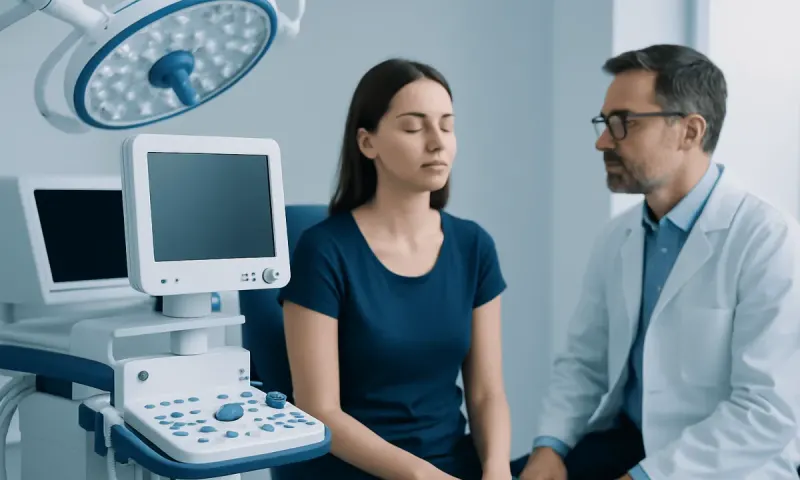
Neurophysiological Symptoms: When Numbness, Twitching, or Blackouts Need Testing

Neurophysiological symptoms can include numbness, tingling, muscle twitching, weakness, dizziness, or brief blackouts. Many causes are treatable, but symptoms that are sudden, repeated, or disruptive should be assessed to find the cause and guide care.
Overview
Neurophysiological symptoms are changes in sensation, movement, awareness, or body control that may suggest a problem affecting the nervous system. Common examples include numbness, tingling, burning sensations, muscle twitching, weakness, tremor, dizziness, fainting, and blackout episodes. These symptoms can arise from the brain, spinal cord, peripheral nerves, muscles, or the communication pathways between them.
Not every symptom points to a serious neurological disease. A hand may “fall asleep” after pressure on a nerve, eyelid twitching may happen with fatigue or stress, and brief lightheadedness may follow dehydration. Even so, symptoms that are new, recurrent, worsening, one-sided, or interfering with daily life deserve proper assessment.
Neurophysiology focuses on how the nervous system functions. When symptoms are difficult to explain by examination alone, neurophysiological testing can help show whether nerves, muscles, or the brain’s electrical activity are involved. This can be especially useful when symptoms come and go, occur during sleep, or are hard to capture in a routine clinic visit.
Common Symptoms and What They May Feel Like
Numbness and tingling may feel like pins and needles, reduced sensation, burning, or a “dead” limb. Some people notice these sensations only in the fingers or toes, while others feel them in a larger area such as one side of the face, an arm, or both feet. The pattern matters because it can help doctors determine whether the cause is local, such as a compressed nerve, or more widespread, such as peripheral neuropathy.
Muscle twitching can appear as small flickers under the skin, eyelid fluttering, calf twitching, or brief jerks of a limb. In many cases, twitching is linked to tiredness, stress, caffeine, or exercise. However, twitching accompanied by weakness, muscle wasting, cramping, numbness, or coordination problems may require closer evaluation.
Blackouts are brief episodes of lost awareness, collapse, or memory gaps. Some blackouts are caused by fainting due to blood pressure or heart rhythm changes, while others may be related to seizures or other neurological conditions. Warning signs may include dizziness, palpitations, sweating, unusual smells, staring spells, confusion afterward, or involuntary movements.
- Other symptoms that may appear alongside these problems include weakness, balance difficulty, tremor, speech changes, vision changes, pain, headaches, and bowel or bladder changes.
- Keeping a simple symptom diary can help identify patterns, triggers, duration, and associated symptoms.
Possible Causes and Risk Factors

There are many possible causes of neurophysiological symptoms. Numbness or tingling may occur with nerve compression, repetitive strain, spinal problems, vitamin deficiencies, diabetes, infections, autoimmune conditions, migraine, or circulation problems. Muscle twitching may be benign, but it can also be related to electrolyte imbalance, thyroid disorders, medication effects, neuropathy, or muscle and nerve conditions.
Blackouts may be caused by fainting, low blood sugar, dehydration, medication side effects, abnormal heart rhythms, or neurological events such as seizures. A blackout does not always mean epilepsy, and not every seizure causes dramatic convulsions. Some people have brief staring episodes, unusual sensations, or short periods of confusion. In this context, doctors may consider conditions such as epilepsy among several possibilities.
Risk factors depend on the symptom and the underlying cause. They can include diabetes, high blood pressure, smoking, heavy alcohol use, poor sleep, recent infection, head injury, autoimmune disease, family history of neurological conditions, and long-term pressure on nerves from posture or repetitive activity. Older age can increase risk for some causes, but these symptoms can occur at any age.
Sometimes symptoms have more than one contributing factor. For example, a person may have mild carpal tunnel syndrome, low vitamin B12, and poor sleep, all of which can make tingling or weakness more noticeable. A careful evaluation aims to find the main cause and any factors that may be worsening it.
When Testing Is Usually Recommended
Testing is often recommended when symptoms are sudden, recurrent, unexplained, progressive, or affecting work, sleep, mobility, or safety. Examples include numbness that spreads or affects one side of the body, twitching with weakness, repeated blackouts, episodes of lost awareness, or symptoms that continue despite rest and simple self-care. Testing may also be advised if there are abnormal findings on the neurological examination.
Doctors are especially cautious when symptoms suggest an urgent problem. Sudden weakness, facial drooping, trouble speaking, severe headache, new confusion, vision loss, chest pain, shortness of breath, or prolonged loss of consciousness need prompt medical attention. In some cases, symptoms can reflect a stroke or a transient ischemic attack, and evaluation for stroke may be necessary without delay.
The purpose of testing is not simply to confirm that symptoms are present, but to identify where the problem is coming from. For example, tingling in the hand may come from the wrist, neck, or brain. A blackout may be due to fainting, a heart issue, or abnormal electrical activity in the brain. The right tests depend on the symptom pattern and the person’s medical history.
How Doctors Diagnose Neurophysiological Symptoms
Diagnosis usually starts with a detailed medical history and neurological examination. The doctor will ask when symptoms began, how long they last, whether they are triggered by sleep loss, stress, exercise, posture, or standing up, and whether there are associated features such as pain, weakness, headaches, palpitations, or confusion. Information from a family member or witness can be especially helpful for blackouts or spells of altered awareness.
Blood tests may be used to look for common medical causes, such as vitamin deficiencies, thyroid problems, diabetes, infection, inflammation, or electrolyte imbalance. Depending on the situation, the doctor may also request imaging such as MRI or CT to assess the brain or spine, particularly if there are focal symptoms or concerns about structural causes.
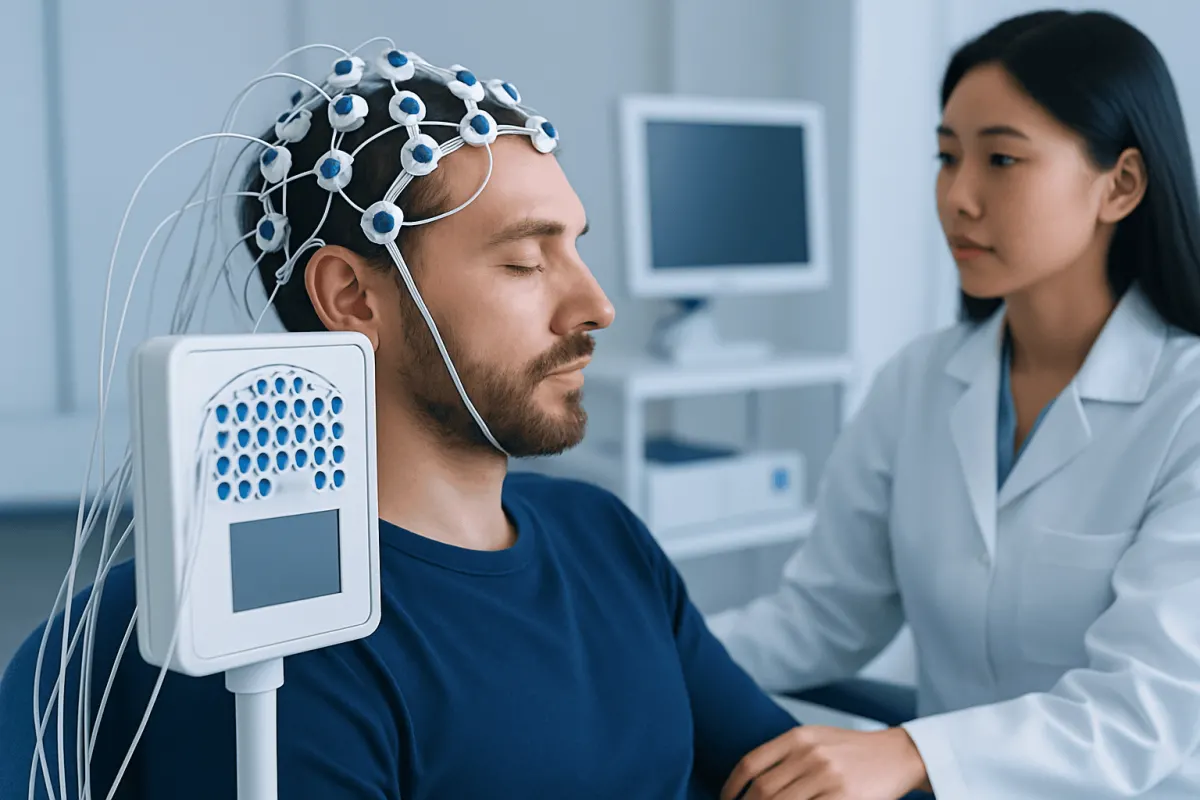
Neurophysiological tests help evaluate how the nervous system is working. An electroencephalogram can record the brain’s electrical activity and may be useful when seizure-like episodes or unexplained blackouts are suspected; this may be arranged as an EEG test. Electromyography and nerve conduction studies can assess muscles and peripheral nerves when numbness, weakness, or twitching are present; these are commonly requested as EMG and nerve studies. In selected cases, doctors may also consider sleep studies, autonomic testing, or cardiac monitoring.
Sometimes the results point to a straightforward cause, while in other cases diagnosis takes more than one step. A normal test can still be useful because it helps narrow the possibilities and may prevent unnecessary treatments. If symptoms continue, follow-up evaluation is often an important part of the diagnostic process.
Treatment Options
Treatment depends on the underlying cause rather than the symptom alone. If testing shows a compressed nerve, treatment may include activity changes, splinting, physical therapy, or referral for further care. If the problem is related to migraine, vitamin deficiency, diabetes, thyroid disease, or medication side effects, treatment focuses on correcting or controlling that issue.
When blackouts are due to fainting, the approach may include hydration, trigger avoidance, medication review, and management of blood pressure or heart rhythm problems. If seizures are diagnosed, a neurologist may recommend anti-seizure treatment, safety advice, and follow-up monitoring. When symptoms reflect a broader neurological condition, care may involve medications, rehabilitation, and coordination among neurology, cardiology, endocrinology, or other specialties.
Some people benefit from rehabilitation to improve strength, balance, gait, hand function, or confidence with daily activities. This may include physical therapy and rehabilitation as part of recovery or symptom management. For structural problems affecting the spine or brain, referral for further specialist treatment may sometimes be needed, though this is not necessary in many cases.
For international patients who need comprehensive evaluation, Acıbadem Health Point’s multidisciplinary specialists and JCI-accredited hospitals diagnose and treat neurophysiological conditions using coordinated neurological testing and follow-up care.
Self-care, Prevention, and When to See a Doctor
Simple self-care may reduce some symptoms, especially when they are linked to fatigue, posture, or dehydration. Helpful steps can include regular sleep, good hydration, balanced meals, limiting excess caffeine and alcohol, taking breaks from repetitive hand movements, and maintaining healthy blood sugar if diabetes is present. A doctor may also advise reviewing medications and checking for vitamin deficiencies when appropriate.
Prevention is not always possible, but managing long-term health conditions can lower risk. Good control of diabetes, blood pressure, and thyroid disease may reduce nerve-related symptoms. Protective measures such as ergonomic work habits, regular exercise, and avoiding tobacco can also support nerve and vascular health.
A person should arrange medical review if symptoms are recurrent, unexplained, progressive, or affecting function. This includes repeated numbness, new weakness, frequent twitching with other neurological symptoms, falls, memory gaps, or blackouts. Urgent care is important for sudden one-sided weakness, trouble speaking, severe headache, chest pain, prolonged confusion, seizure activity, or any loss of consciousness with injury.
Early assessment can be reassuring as well as practical. Many causes of neurophysiological symptoms are manageable, and testing can help rule out serious conditions while guiding the right treatment plan.
Frequently asked questions
01Are numbness and tingling always a sign of a neurological disease?
No. Numbness and tingling can happen for simple reasons such as pressure on a nerve, poor posture, or temporary irritation. However, if symptoms are repeated, prolonged, spreading, or linked to weakness or other neurological changes, medical assessment is important.
02Is muscle twitching usually serious?
Often it is not. Twitching can be related to fatigue, stress, caffeine, or recent exercise. It should be evaluated more carefully if it comes with weakness, muscle loss, cramping, numbness, or changes in walking or coordination.
03What is the difference between a blackout and fainting?
Fainting is a temporary loss of consciousness, often linked to a drop in blood pressure, dehydration, or standing for too long. A blackout is a broader term that may include fainting, seizures, or brief episodes of lost awareness and memory. The cause is not always obvious without a medical history and sometimes testing.
04Why might a doctor order an EEG or EMG?
An EEG helps assess the brain’s electrical activity and may be useful when seizures or unexplained episodes of lost awareness are suspected. An EMG and nerve conduction studies help evaluate nerves and muscles when there is numbness, weakness, twitching, or suspected nerve compression.
05Can stress cause neurophysiological symptoms?
Stress can contribute to symptoms such as twitching, dizziness, hyperventilation-related tingling, poor sleep, and increased awareness of normal body sensations. Even so, symptoms should not automatically be blamed on stress, especially if they are new, severe, or persistent.
06When should someone seek urgent help?
Urgent help is needed for sudden weakness, facial drooping, trouble speaking, seizure activity, chest pain, severe headache, shortness of breath, or loss of consciousness. Prompt evaluation is also important after a blackout that caused injury or was followed by prolonged confusion.
This article is for general information only and is not a substitute for professional medical advice. Please consult a qualified doctor about your individual situation.
Joint and spine care in Turkey — expert assessment & treatment
JCI-accredited · board-certified surgeons · reply within 24h
Add us as a Preferred Source to see more of our trusted health content across Google Search, AI Overviews and Discover.