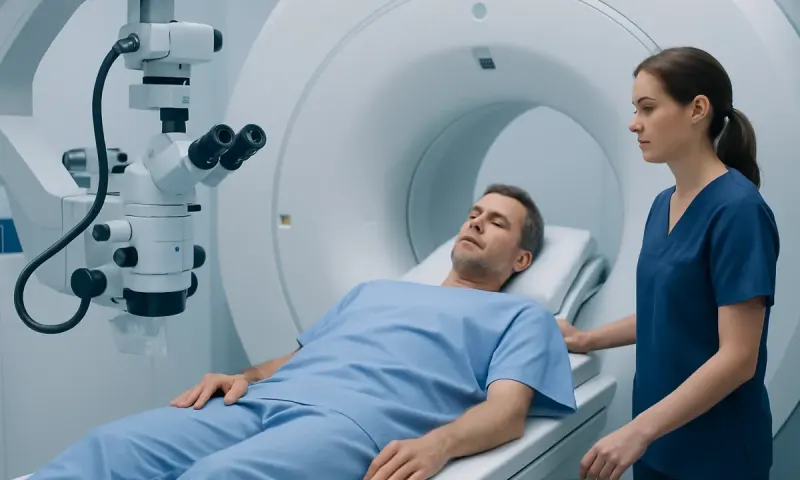
Neurological Surgery Explained: Common Types and How They Work

Neurological surgery, also called neurosurgery, includes operations on the brain, spine, and peripheral nerves. These procedures are used to diagnose, relieve pressure, remove abnormal tissue, restore function, or improve symptoms when other treatments are not enough.
Overview: What neurological surgery means
Neurological surgery is a medical specialty focused on treating conditions that affect the brain, spinal cord, spine, and peripheral nerves. Although the term often brings to mind brain surgery, it also includes many operations for spinal disorders, nerve compression, traumatic injuries, tumors, vascular problems, and some movement disorders. Neurosurgeons work closely with neurologists, neuroradiologists, anesthesiologists, rehabilitation specialists, and intensive care teams to plan care safely.
These procedures may be performed to remove a tumor, repair a blood vessel abnormality, relieve pressure on the brain or spinal cord, stabilize the spine, reduce pain caused by nerve compression, or place devices that help control symptoms. In some cases, surgery is urgent, such as after severe head trauma or bleeding in the brain. In others, it is planned after medicines, physical therapy, or other non-surgical treatments have been tried.
Modern neurological surgery often uses highly detailed imaging, surgical microscopes, neuronavigation, endoscopy, and monitoring of nerve function during the procedure. This allows treatment to be more precise while helping protect healthy tissue. The goal is not only to treat the underlying problem, but also to preserve movement, speech, memory, sensation, and quality of life as much as possible.
Common types of neurological surgery
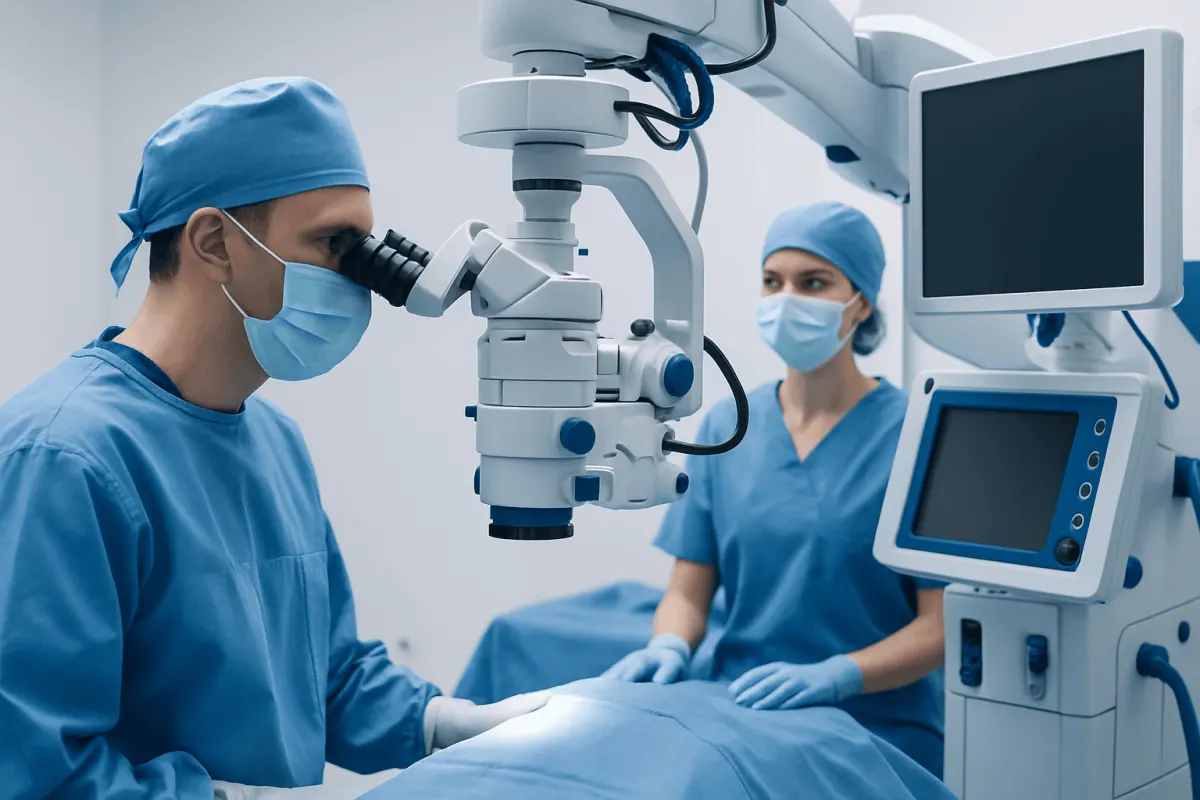
There are several broad categories of neurological surgery. Brain procedures may include craniotomy, in which a temporary opening is made in the skull to reach the brain, and minimally invasive endoscopic surgery performed through small openings or natural pathways. These operations may be used for brain tumors, bleeding, infection, hydrocephalus, epilepsy, or certain structural problems. Some patients needing treatment for a brain tumor may undergo brain tumor surgery as part of a wider care plan.
Spinal procedures are among the most common forms of neurosurgery. They may be done to remove pressure from spinal nerves or the spinal cord, treat herniated discs, stabilize unstable vertebrae, or correct spinal narrowing. Depending on the problem, surgeons may recommend decompression, discectomy, laminectomy, or spinal fusion surgery. Other procedures focus on the peripheral nerves, such as surgery for carpal tunnel syndrome, ulnar nerve entrapment, or nerve injuries.
Some neurological surgeries treat blood vessel disorders. Examples include clipping of a brain aneurysm, surgery for certain vascular malformations, or procedures performed alongside endovascular techniques. Functional neurosurgery is another area, involving operations that aim to improve symptoms rather than remove abnormal tissue. These may include deep brain stimulation for selected movement disorders, pain syndromes, or epilepsy. In carefully chosen cases, image-guided Gamma Knife radiosurgery may treat abnormalities without a traditional incision.
- Brain surgery: tumors, bleeding, hydrocephalus, epilepsy, trauma
- Spine surgery: disc problems, spinal stenosis, instability, fractures
- Peripheral nerve surgery: compression, injury, pain
- Vascular neurosurgery: aneurysms, malformations, hemorrhage
- Functional neurosurgery: movement disorders, selected pain or seizure conditions
Which conditions may need neurosurgery

Neurosurgery may be considered for many conditions, but surgery is not always the first treatment. Common reasons include tumors of the brain or spine, severe back or neck problems causing nerve compression, bleeding inside the skull, head injury, hydrocephalus, and spinal instability. Surgery may also be used when symptoms are progressing, when there is a risk of permanent nerve damage, or when a diagnosis requires tissue sampling.
Examples include brain tumors, which may require surgery to remove as much abnormal tissue as safely possible or to obtain a biopsy. Another common reason is herniated disc, especially when pain, weakness, or numbness does not improve with conservative treatment. Patients with brain aneurysm may need neurosurgical or related vascular treatment depending on the aneurysm’s size, shape, location, and whether bleeding has occurred.
Other conditions that may involve neurosurgical care include trigeminal neuralgia, spinal cord compression, congenital abnormalities, Chiari malformation, some infections, and refractory epilepsy. In children, neurosurgery may help treat hydrocephalus, certain tumors, birth-related structural problems, or severe trauma. Each case is assessed individually, balancing likely benefits with possible risks and alternative options.
How doctors decide if surgery is needed
Deciding on neurological surgery usually begins with a detailed medical history and neurological examination. The doctor asks about symptoms such as headaches, seizures, weakness, balance problems, numbness, changes in vision, speech difficulty, memory issues, or bowel and bladder changes. The timing of symptoms and whether they are worsening can be especially important in deciding how urgent treatment may be.
Imaging tests are central to diagnosis and surgical planning. Depending on the problem, doctors may use MRI, CT, angiography, spinal imaging, or nerve studies. These tests help show the exact location of the abnormality, whether nearby structures are affected, and whether urgent intervention is needed. Blood tests and heart or lung assessments may also be done to make sure the patient is fit for anesthesia and surgery.
Doctors also consider whether non-surgical treatment may be reasonable first. For example, medicines, physical therapy, injections, or careful monitoring may be appropriate for some spinal conditions or small, slow-growing lesions. If surgery is recommended, the team typically explains the expected benefits, possible complications, alternatives, and likely recovery time so the patient can make an informed decision.
How neurological surgery is performed
The exact technique depends on the condition being treated. In open brain surgery, a section of the skull may be temporarily removed to access the affected area, then replaced at the end of the operation. In spinal surgery, the surgeon may approach the spine from the back, front, or side to relieve pressure, remove damaged tissue, or stabilize bones. Peripheral nerve surgery may involve freeing a compressed nerve, repairing a damaged nerve, or removing a mass affecting it.
Many procedures now use microsurgical techniques and advanced tools that improve precision. Surgical microscopes allow detailed work on delicate structures. Neuronavigation systems act like a surgical map based on preoperative imaging. Intraoperative monitoring may track brain, spinal cord, or nerve function during surgery, which can help reduce the risk of injury to important pathways.
Some procedures are minimally invasive, using smaller incisions, tubes, endoscopes, or targeted radiation rather than traditional open surgery. These approaches may reduce tissue disruption and shorten recovery for selected patients, but they are not suitable for every problem. The safest method depends on the size, location, and complexity of the condition, as well as the patient’s general health and treatment goals.
Risks, recovery, and rehabilitation
All surgery carries some risk, and neurological surgery has additional considerations because it involves sensitive structures that control movement, sensation, thinking, and vital functions. Possible complications vary by procedure but may include bleeding, infection, blood clots, fluid leakage, seizures, swelling, pain, or new neurological symptoms. However, the exact risk level differs greatly between a relatively routine spinal decompression and a complex brain operation, so individualized discussion with the surgical team is important.
Recovery can range from a short stay and rapid return to daily activities to a longer hospital admission followed by structured rehabilitation. After surgery, doctors monitor pain, wound healing, strength, balance, sensation, speech, and cognitive function as needed. Some patients need physical therapy, occupational therapy, or speech therapy to rebuild strength and independence. Others may recover with rest, gradual activity, and follow-up visits alone.
Rehabilitation is often an important part of the treatment journey rather than a sign that surgery was unsuccessful. The nervous system can take time to heal, and improvement may happen gradually over weeks or months. Clear instructions about movement, lifting, driving, medications, wound care, and warning signs help support a safer recovery at home.
Preparing for surgery and supporting long-term health
Preparation often begins before the day of surgery. Patients may be asked to stop smoking, review their medications, manage blood pressure or blood sugar carefully, and avoid certain drugs that increase bleeding risk if advised by their doctor. Understanding the planned procedure, arranging help at home, and preparing for time away from work or usual duties can make recovery less stressful.
Long-term self-care depends on the underlying condition. After spine surgery, posture, ergonomics, graded exercise, and weight management may help protect the back and neck. After surgery for a vascular condition, controlling blood pressure and avoiding tobacco may be especially important. People with seizure disorders, tumors, or implanted devices usually need ongoing follow-up imaging or specialist care.
Near the end of treatment planning, some patients choose care at international centers with coordinated neurosurgical, neurological, imaging, and rehabilitation services. Acıbadem Health Point’s multidisciplinary specialists and JCI-accredited hospitals diagnose and treat neurological conditions for international patients, with care plans tailored to the individual’s diagnosis and recovery needs.
When to seek urgent medical care
Some neurological symptoms need immediate medical attention because rapid treatment can protect brain or spinal cord function. Emergency care is important for sudden weakness on one side, trouble speaking, severe head injury, loss of consciousness, seizure without recovery, sudden severe headache unlike usual headaches, sudden vision loss, or new confusion. These symptoms may be caused by stroke, bleeding, trauma, or other serious neurological emergencies.
Urgent evaluation is also needed for severe back or neck pain with new weakness, numbness in the saddle area, or loss of bladder or bowel control. These symptoms can suggest significant spinal cord or nerve compression. Fever with severe headache, neck stiffness, or neurological changes should also be assessed promptly.
After neurological surgery, patients should contact their medical team quickly if they develop worsening headache, new weakness, increasing drowsiness, repeated vomiting, a seizure, fever, wound redness, fluid leakage from the incision, chest pain, or shortness of breath. Early communication can help problems be addressed before they become more serious.
Frequently asked questions
01What is the difference between neurology and neurological surgery?
Neurology focuses on diagnosing and treating nervous system disorders mainly with medicines, monitoring, and non-surgical therapies. Neurological surgery, or neurosurgery, involves operations and procedural treatments for conditions affecting the brain, spine, and nerves. The two specialties often work closely together.
02Is neurological surgery always brain surgery?
No. A large part of neurosurgical practice involves the spine and peripheral nerves, not just the brain. Common procedures include surgery for herniated discs, spinal stenosis, nerve compression, and spinal instability.
03Are all neurosurgical procedures major operations?
No, the complexity varies widely. Some procedures are extensive and require longer hospital stays, while others are minimally invasive or use targeted techniques with shorter recovery times. The type of surgery depends on the condition and the patient's needs.
04How long does recovery take after neurological surgery?
Recovery depends on the area treated, the reason for surgery, the technique used, and the patient's overall health. Some people recover in days to weeks, while others need months of healing and rehabilitation. The surgeon can usually give a more accurate estimate based on the planned procedure.
05What tests are usually done before neurological surgery?
Doctors commonly use imaging such as MRI or CT scans, along with a neurological examination and routine blood tests. Some patients also need angiography, heart evaluation, or nerve studies depending on the condition. These tests help confirm the diagnosis and guide surgical planning.
06Can neurological surgery cure the problem completely?
Sometimes surgery can remove or correct the main cause of symptoms, but not every condition can be completely cured. In some cases, the goal is to reduce pressure, prevent worsening, improve function, or relieve pain. The expected outcome depends on the diagnosis, severity, and timing of treatment.
This article is for general information only and is not a substitute for professional medical advice. Please consult a qualified doctor about your individual situation.
Joint and spine care in Turkey — expert assessment & treatment
JCI-accredited · board-certified surgeons · reply within 24h
Add us as a Preferred Source to see more of our trusted health content across Google Search, AI Overviews and Discover.