Neurological Problems After Infection: Warning Signs
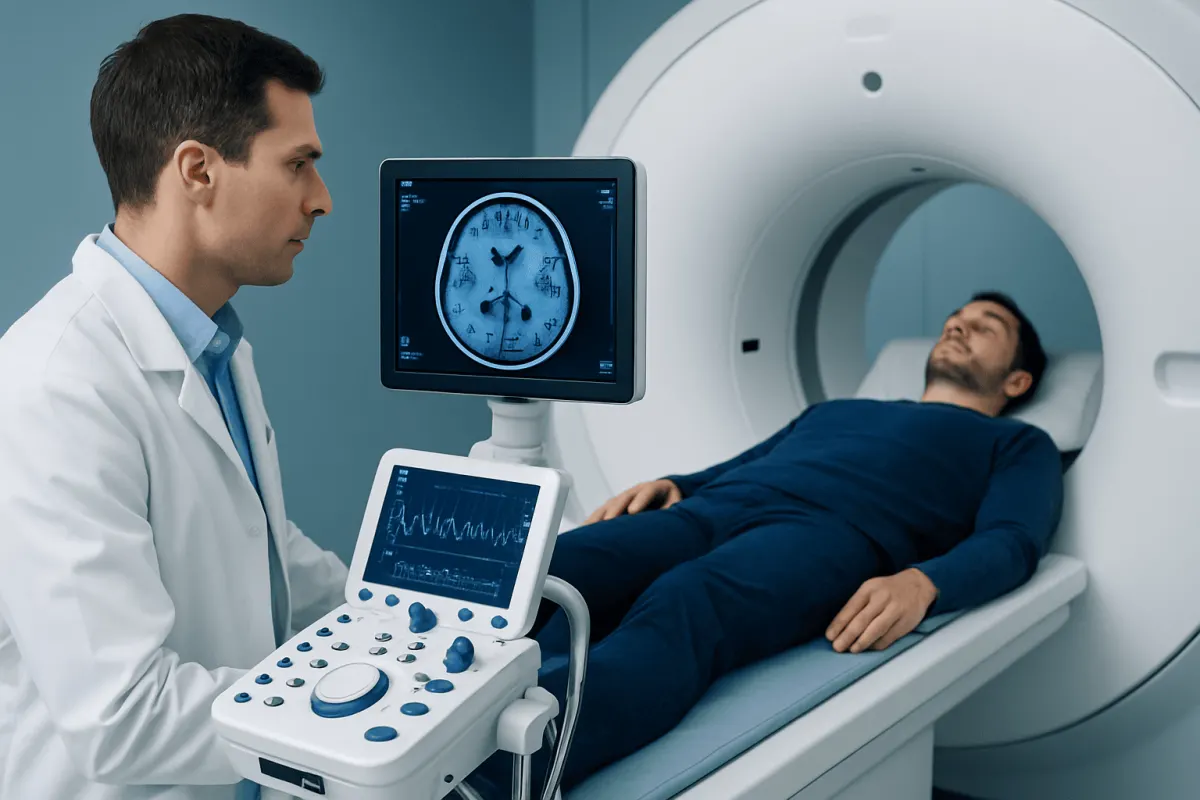
Neurological symptoms can occasionally develop during an infection or after the initial illness has improved. Prompt medical assessment helps identify whether symptoms are related to infection, immune inflammation, another neurological condition, or a separate health concern.
Overview: Neurological Problems After an Infection
Neurological problems after infection are symptoms affecting the brain, spinal cord, nerves, or muscles that occur during an infection or in the days, weeks, or occasionally longer after it. Many infections resolve without neurological effects. However, some bacteria, viruses, fungi, parasites, and other organisms can affect the nervous system directly, while an infection can also trigger an inflammatory immune response that affects nervous tissue.
Symptoms may be mild and temporary, such as headache, fatigue, reduced concentration, or altered sleep. Other symptoms, including confusion, seizures, neck stiffness, new weakness, trouble speaking, severe imbalance, or changes in consciousness, can indicate a potentially serious condition and should be assessed without delay.
A neuroinfectious disease specialist is a physician with expertise in conditions at the overlap of neurology and infectious diseases. They may be involved when symptoms are persistent, unusual, severe, difficult to diagnose, or possibly related to infections of the brain, spinal cord, meninges, or peripheral nerves.
Symptoms That May Need Medical Assessment
Post-infectious neurological symptoms vary depending on the part of the nervous system involved. A person may develop headaches, dizziness, numbness, tingling, burning pain, muscle weakness, tremor, difficulty walking, vision changes, memory concerns, slowed thinking, mood changes, or unusual sensitivity to light or sound. These symptoms can have many possible causes, so they should not automatically be assumed to result from a recent infection.
Warning signs that need urgent assessment include a sudden or very severe headache, fever with severe headache or a stiff neck, new confusion, drowsiness, fainting, seizures, difficulty speaking, facial drooping, loss of vision, new one-sided weakness, rapidly progressing weakness, or trouble breathing or swallowing. Emergency services should be contacted for sudden symptoms suggestive of stroke, severe infection, or impaired consciousness.
Children, older adults, people with weakened immune systems, and people taking immune-suppressing medicines may have less typical symptoms. For example, an older adult may mainly appear confused or unusually sleepy, while a young child may be irritable, feed poorly, or be difficult to wake. These changes warrant timely medical advice.
- Symptoms that worsen rather than gradually improve should be reviewed.
- New symptoms after travel, an insect or tick bite, animal exposure, or an unexplained rash are important to report.
- It is helpful to note when the infection started, when neurological symptoms began, and whether they are changing over time.
Why Infections Can Affect the Nervous System
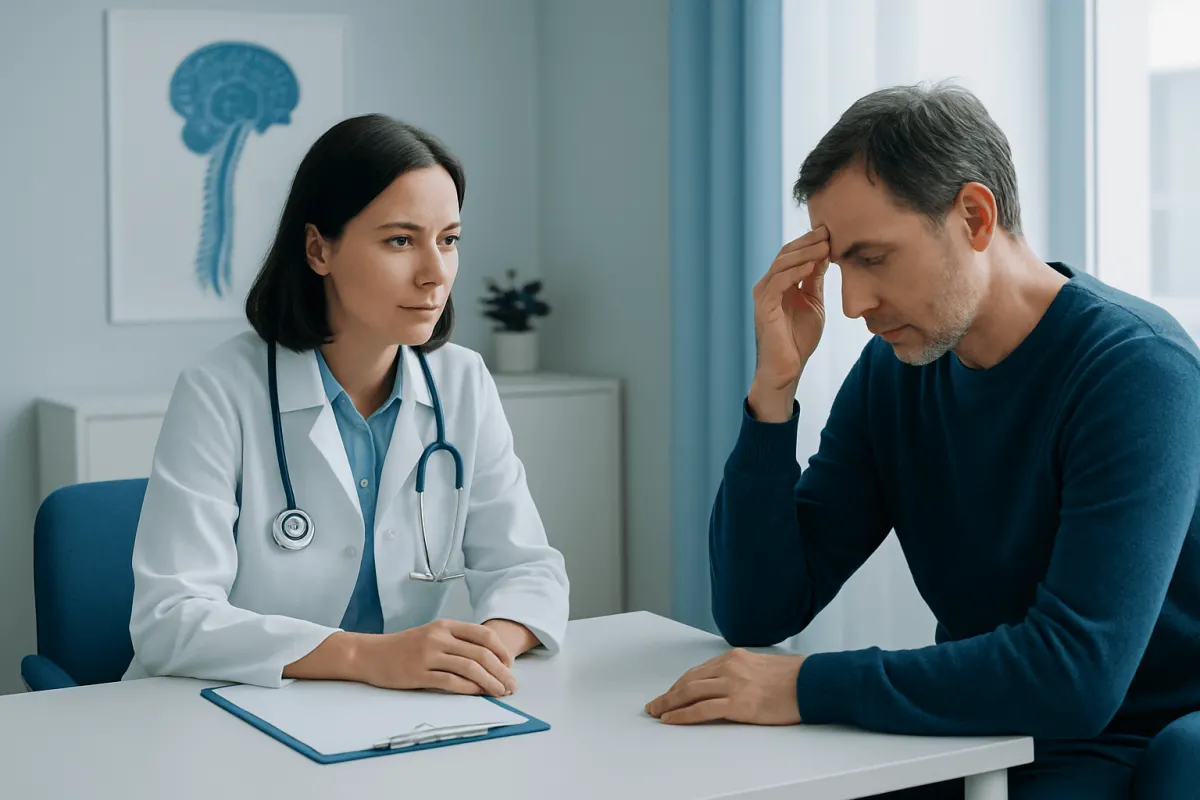
Infections may affect the nervous system in several ways. In some cases, an organism directly infects the brain or its surrounding layers, called the meninges. Conditions such as meningitis and encephalitis can develop from a range of infectious causes and need prompt evaluation because early treatment may be important.
In other cases, the body’s immune response remains active after an infection and mistakenly causes inflammation in nerves or other neurological tissues. This may contribute to symptoms such as weakness, altered sensation, poor balance, or changes in thinking. The timing, pattern of symptoms, examination findings, and test results help clinicians distinguish immune-related conditions from an ongoing infection.
Not every neurological symptom following an illness is caused by that illness. Dehydration, poor sleep, medication effects, migraine, metabolic problems, anxiety, stroke, autoimmune conditions, and unrelated nerve disorders can also produce symptoms. A careful evaluation aims to identify the most likely explanation rather than relying on timing alone.
Risk Factors and Important History
Anyone can develop neurological complications from an infection, but certain circumstances may raise concern. These include a weakened immune system, cancer treatment, organ transplantation, uncontrolled diabetes, HIV infection, long-term steroid use, recent neurosurgery, an implanted neurological device, or exposure to organisms through travel, food, water, animals, ticks, mosquitoes, or close contact with an infected person.
A clinician will ask about the recent illness, including fever, respiratory symptoms, diarrhea, rash, vomiting, or urinary symptoms. They may also ask about vaccination history, recent travel, occupational exposures, recreational water exposure, new medicines, substance use, and prior neurological conditions. This information can guide the choice of tests and treatment.
People should bring a current medication list and, when possible, records of recent laboratory tests, scans, hospital admissions, and infection results. A family member or caregiver may be especially helpful if the person has memory changes, confusion, or difficulty describing the timing of symptoms.
How a Neuroinfectious Disease Evaluation Works
An evaluation usually starts with a detailed history and neurological examination. The clinician may assess alertness, speech, memory, eye movements, strength, coordination, sensation, reflexes, balance, and walking. They also look for signs of systemic illness, rash, joint swelling, breathing problems, or dehydration.
Testing is selected according to the symptoms and suspected cause. It may include blood tests for inflammation, infection, metabolic changes, or immune conditions. Imaging such as MRI or CT can assess the brain or spinal cord. An electroencephalogram, or EEG, may be used if seizures or altered awareness are suspected, while nerve conduction studies can help evaluate some nerve and muscle symptoms.
In selected cases, clinicians recommend a lumbar puncture, sometimes called a spinal tap, to examine cerebrospinal fluid. This fluid surrounds the brain and spinal cord and can provide evidence of infection, inflammation, bleeding, or immune activity. The procedure is not needed for everyone, and the medical team discusses its purpose, possible risks, and what to expect.
Diagnosis can take time when symptoms are complex. Specialists may work with neurologists, infectious disease physicians, neuroradiologists, immunologists, rehabilitation professionals, and other clinicians to interpret findings and develop an appropriate care plan.
Treatment and Recovery
Treatment depends on the cause, severity, and affected part of the nervous system. A confirmed or strongly suspected infection may require targeted antimicrobial medicine, such as an antiviral, antibiotic, antifungal, or antiparasitic treatment. When an immune-related inflammatory process is identified, clinicians may consider immune-modifying treatment after carefully evaluating whether active infection is present.
Supportive care is also important. It may include fluids, pain relief, fever management, seizure treatment, treatment for nausea or sleep problems, and monitoring in hospital when symptoms are severe. Rehabilitation can support recovery from weakness, balance problems, speech difficulties, cognitive changes, or fatigue. Physical therapy, occupational therapy, speech and language therapy, and neuropsychological support may each have a role.
Recovery differs considerably from person to person. Some symptoms improve within days or weeks, while others require a longer period of rehabilitation and follow-up. Regular review helps the team monitor improvement, adjust treatment, manage symptoms, and identify complications or alternative diagnoses.
Acıbadem Health Point’s multidisciplinary specialists and JCI-accredited hospitals evaluate and treat neuroinfectious conditions for international patients, with care plans guided by individual clinical findings.
Self-Care, Prevention, and Follow-Up
People recovering from an infection-related neurological problem should follow their clinician’s advice about rest, activity, medicines, and follow-up testing. It can be useful to increase activity gradually, especially after significant fatigue, dizziness, weakness, or cognitive symptoms. Pushing through severe symptoms may make recovery harder, while prolonged inactivity can also reduce strength and confidence; a clinician or rehabilitation professional can help find an appropriate balance.
Simple practical measures may support recovery: maintaining regular sleep, drinking enough fluids when medically appropriate, eating regular balanced meals, avoiding alcohol and recreational drugs, and asking a clinician before starting supplements or non-prescribed treatments. Keeping a brief symptom diary can help document triggers, improvements, relapses, and the effect of treatment.
Prevention includes recommended vaccinations, hand hygiene, safe food and water practices, mosquito and tick bite prevention where relevant, and prompt treatment of significant infections. People with weakened immune systems should discuss individualized infection prevention and vaccine recommendations with their healthcare team.
Follow-up is especially important if symptoms return, new symptoms appear, or recovery plateaus. A doctor may repeat examinations, order additional tests, or involve other specialists to ensure that ongoing symptoms are addressed appropriately.
When to See a Doctor or Specialist
A person should arrange a medical review for persistent or new neurological symptoms after an infection, particularly if symptoms interfere with work, school, sleep, mobility, memory, or daily activities. A primary care clinician or neurologist can often begin the assessment and refer to a neuroinfectious disease specialist when there is concern about a nervous system infection, unusual exposure, immune-related complication, or unclear diagnosis.
Urgent or emergency assessment is needed for sudden weakness or numbness, trouble speaking, severe or rapidly worsening headache, stiff neck with fever, repeated vomiting with headache, seizures, severe confusion, loss of consciousness, new vision loss, difficulty walking, or rapidly worsening weakness. These symptoms can have several causes, including time-sensitive conditions, and should not be monitored at home.
It is reasonable to seek a second opinion or specialist review when symptoms persist despite initial treatment, test results are difficult to interpret, or there are recurring episodes. Clear communication between the person, family, and care team can help ensure that relevant infection history and changes in symptoms are considered.
Frequently asked questions
01Can an infection cause neurological symptoms after the fever has gone?
Yes. Some symptoms can appear or continue after the initial infection improves. This may occur because of ongoing inflammation, an immune response, recovery-related effects, or another condition that happened around the same time. A clinician can assess the timing and pattern of symptoms to determine whether they are likely connected.
02What is a neuroinfectious disease specialist?
A neuroinfectious disease specialist has expertise in infections and inflammatory conditions involving the brain, spinal cord, nerves, and related tissues. They may work alongside neurologists, infectious disease physicians, radiologists, and rehabilitation professionals. Referral is often helpful when symptoms are complex, severe, persistent, or difficult to explain.
03Which neurological symptoms after infection are an emergency?
Emergency symptoms include seizures, loss of consciousness, severe confusion, sudden weakness, trouble speaking, a severe or rapidly worsening headache, fever with stiff neck, new vision loss, or trouble breathing or swallowing. These symptoms require urgent medical evaluation because they may reflect a serious neurological or systemic condition.
04Will I need a spinal tap for neurological symptoms after an infection?
Not everyone needs a lumbar puncture, also called a spinal tap. It may be recommended when clinicians need to examine cerebrospinal fluid for evidence of infection, inflammation, or other conditions affecting the brain and spinal cord. The decision depends on symptoms, examination findings, imaging, and the suspected diagnosis.
05How long do post-infectious neurological symptoms last?
The duration depends on the cause, the severity of illness, the person’s overall health, and whether there is nerve or brain inflammation. Some people improve relatively quickly, while others recover gradually over weeks or months. Ongoing symptoms should be reviewed so treatment, rehabilitation, and support can be adjusted.
06Can neurological complications after infection be prevented?
Risk can often be reduced through recommended vaccinations, hand hygiene, safer food and water practices, and protection against insect or tick bites when appropriate. People with medical conditions or medicines that affect immunity may need personalized prevention advice. Even with prevention measures, new concerning neurological symptoms should be assessed promptly.
This article is for general information only and is not a substitute for professional medical advice. Please consult a qualified doctor about your individual situation.
Joint and spine care in Turkey — expert assessment & treatment
JCI-accredited · board-certified surgeons · reply within 24h
Add us as a Preferred Source to see more of our trusted health content across Google Search, AI Overviews and Discover.