Neuroinfectious Disease Testing: MRI, Spinal Tap, and Blood Work Explained

Neuroinfectious disease testing helps doctors diagnose infections that affect the brain, spinal cord, meninges, or nerves. It often combines imaging, spinal fluid analysis, and blood work to identify the cause and guide safe, timely treatment.
Overview: What Neuroinfectious Disease Testing Means
Neuroinfectious disease testing refers to the medical evaluation used when doctors suspect an infection involving the nervous system. This may include the brain, spinal cord, the protective lining around them called the meninges, or the peripheral nerves. Examples include meningitis, encephalitis, myelitis, nerve infections, and localized infections such as a brain abscess.
Because the nervous system is delicate and symptoms can overlap with many other neurological conditions, diagnosis usually does not rely on a single test. Instead, doctors combine the person’s symptoms, medical history, physical and neurological examination, and targeted tests such as MRI, spinal tap, and blood work. These tests help answer different questions: whether there is inflammation, where it is located, and which germ may be responsible.
Neuroinfectious disease testing is also important because infections can sometimes mimic noninfectious conditions such as autoimmune disorders, tumors, vascular disease, or metabolic problems. For example, fever and headache may suggest infection, but confusion, weakness, seizures, or speech problems can also overlap with conditions such as stroke. Careful testing helps doctors distinguish among these possibilities and start the most appropriate treatment.
When Doctors Suspect a Nervous System Infection
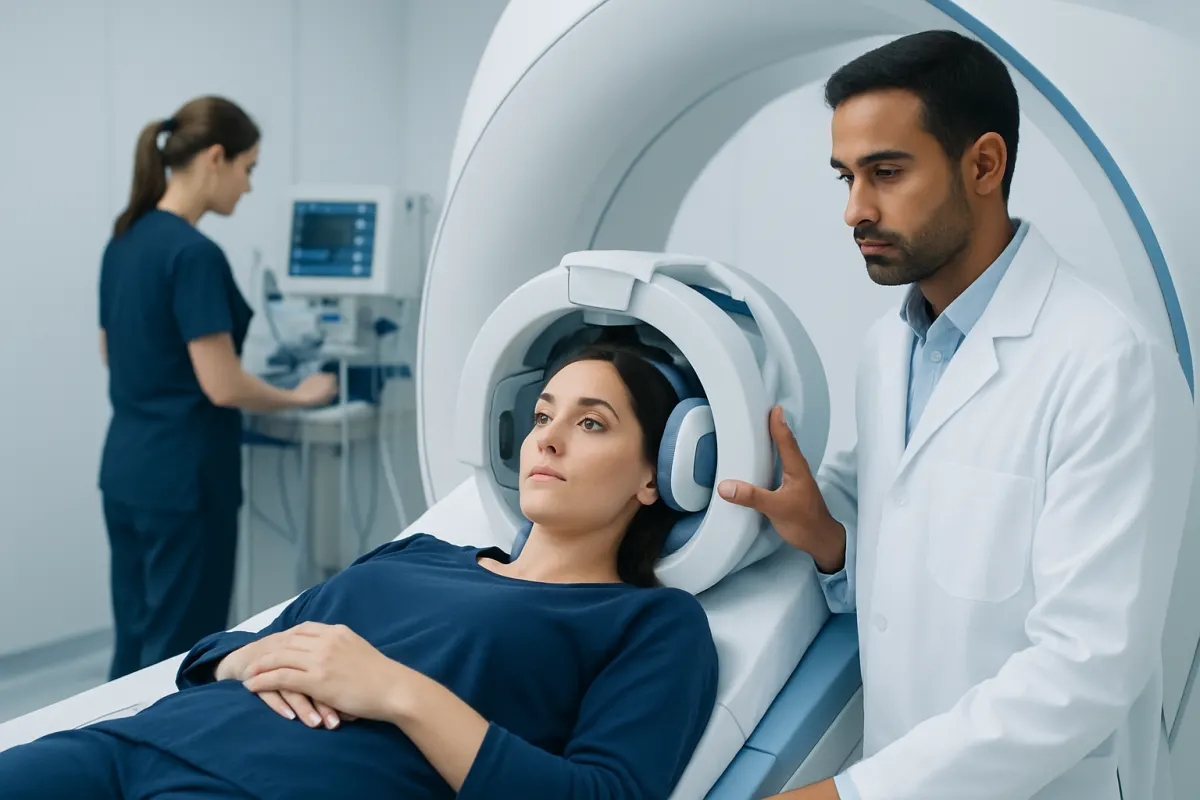
Doctors may consider neuroinfectious disease testing when symptoms suggest inflammation or infection affecting the nervous system. Common warning signs include fever, severe headache, neck stiffness, confusion, sleepiness, seizures, sensitivity to light, new weakness, numbness, balance problems, or changes in behavior. In infants, older adults, and people with weakened immune systems, symptoms can be less typical and may include poor feeding, lethargy, falls, or a decline in alertness.
The pattern of symptoms can give clues about which part of the nervous system may be involved. Meningitis often causes headache, fever, and neck stiffness. Encephalitis may cause confusion, memory changes, personality changes, or seizures. Infection in the spinal cord can cause back pain, weakness, sensory loss, or bladder problems. Infections affecting peripheral nerves may lead to pain, tingling, or weakness and sometimes need to be distinguished from disorders such as Guillain-Barre syndrome.
History also matters. Doctors usually ask about recent travel, insect or tick bites, animal exposure, sick contacts, immune-suppressing medicines, HIV status, recent surgery, dental infection, sinus infection, pregnancy, or chronic illnesses. These details help narrow the list of possible bacteria, viruses, fungi, or parasites and guide the choice of tests.
MRI: What Brain and Spine Imaging Can Show
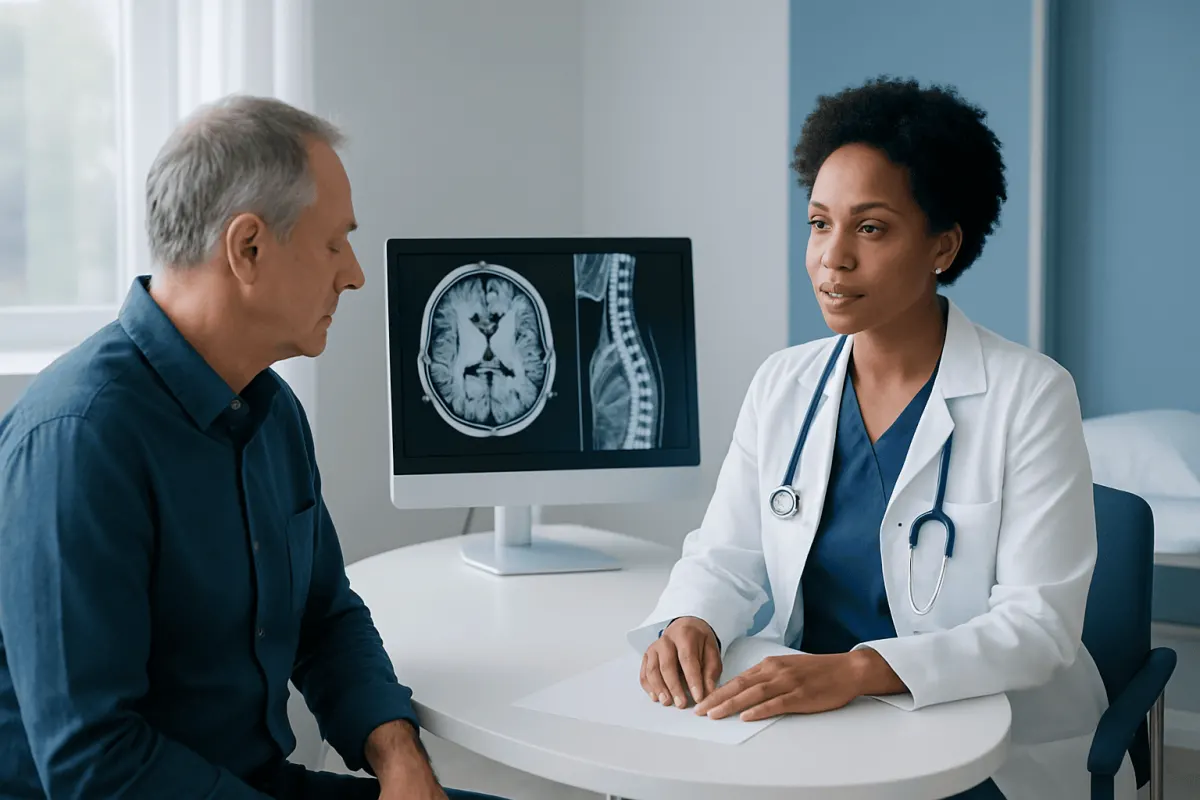
MRI is one of the most useful imaging tests in neuroinfectious disease evaluation. It creates detailed pictures of the brain and spinal cord using magnetic fields rather than radiation. In many cases, MRI can show swelling, inflammation, fluid collections, tissue damage, abscesses, or involvement of specific brain regions that may suggest certain infections. MRI is especially helpful when symptoms point to encephalitis, myelitis, complications of meningitis, or a focal infection.
Doctors may order MRI of the brain, MRI of the spine, or both, depending on symptoms. Sometimes contrast dye is used to better highlight areas of inflammation or breakdown of the blood-brain barrier. In some situations, CT scanning may be done first because it is faster or more available, especially in emergencies. However, MRI generally provides more detailed information about soft tissue and is often preferred once the person is stable enough for the test.
Imaging is also important for safety. Before a spinal tap, doctors may request brain imaging if there are signs of increased pressure in the skull, severe altered mental status, focal neurological deficits, recent seizures, or concern for a mass lesion. This helps reduce the risk of complications. Advanced imaging is often coordinated through specialists in neuroradiology and, when needed, the broader care of neuroinfectious diseases.
MRI can strongly support a diagnosis, but it usually does not identify the exact germ by itself. A normal MRI also does not completely rule out infection, especially early in the illness. For that reason, MRI findings are interpreted together with spinal fluid results, blood tests, and the clinical picture.
Spinal Tap: Why Cerebrospinal Fluid Is So Important
A spinal tap, also called a lumbar puncture, is a key test when doctors suspect infection of the brain, meninges, or spinal cord. During the procedure, a clinician inserts a thin needle into the lower back to collect cerebrospinal fluid, often shortened to CSF. This fluid surrounds the brain and spinal cord, so it can contain important evidence of infection or inflammation.
CSF testing can show the number and type of white blood cells, protein level, glucose level, opening pressure, and other markers that help distinguish bacterial, viral, fungal, tuberculous, or parasitic infection. The sample may also be tested with culture, Gram stain, polymerase chain reaction (PCR), antigen tests, antibody studies, and sometimes more specialized molecular methods. These can help identify a specific virus or bacterium and guide treatment decisions.
Many patients worry that a spinal tap will be very painful or dangerous. In practice, the procedure is usually brief and done with local numbing medicine. Some people feel pressure in the back, and a headache can occur afterward, but serious complications are uncommon when the procedure is performed carefully and the patient is properly assessed beforehand. Doctors review medicines, bleeding risks, and the need for imaging before the test.
A normal or only mildly abnormal spinal fluid result does not always exclude disease, especially very early in the course of infection or in people with reduced immune responses. Sometimes repeat testing is needed if symptoms evolve. In complex cases, neurologists and neuroimmunology specialists may also consider whether inflammation is caused by an autoimmune condition rather than an infection.
Blood Work and Other Laboratory Tests
Blood tests are another important part of neuroinfectious disease testing. They cannot replace a spinal tap in many cases, but they provide essential supporting information. Routine blood work may include a complete blood count, inflammatory markers, electrolytes, kidney and liver function tests, and blood cultures. These results help doctors assess how ill the person is, look for signs of systemic infection, and choose safe medications.
Targeted blood tests may be used to look for specific infections based on the history and region of exposure. Depending on the situation, doctors may order tests for viral antibodies, bacterial serology, fungal markers, HIV, tuberculosis screening, or tick-borne illnesses. Blood cultures are especially useful when bacterial infection is suspected and may identify an organism circulating in the bloodstream.
Other samples may also be important. Doctors sometimes test nasal, throat, respiratory, urine, stool, or skin specimens if these could reveal the source of infection. If a patient has a rash, pneumonia, sinus disease, or another obvious site of infection, finding the organism there can support the neurological diagnosis. In selected cases, electroencephalography, nerve studies, or eye examination may add useful information.
Laboratory testing is not only about confirming infection. It also helps doctors rule out conditions that can look similar, such as autoimmune encephalitis, medication effects, severe migraine, metabolic disturbances, or structural disease. This broad approach is one reason neuroinfectious disease diagnosis can take more than one step.
How Doctors Combine Results to Reach a Diagnosis
Making the diagnosis often involves putting several pieces together rather than waiting for one definitive answer. A person’s age, immune status, travel history, symptom timing, examination findings, MRI pattern, CSF profile, and blood test results all shape the diagnostic picture. For example, acute fever and altered mental status with abnormal temporal lobe findings on MRI may lead doctors to suspect viral encephalitis, while severe headache, neck stiffness, and a CSF pattern of high white cells may point more strongly toward meningitis.
Some test results return quickly, while others take longer. Basic blood work, initial imaging, and preliminary spinal fluid measurements may be available the same day. Culture results may take several days, and some antibody or specialized molecular tests can take longer. Because delays can be risky in serious infections, doctors often begin treatment before every result is back if the suspicion is high.
There are also situations where test results remain uncertain. Prior antibiotic use may reduce the chance of growing bacteria in culture. Early disease may produce subtle changes. People with weakened immune systems may have atypical findings. In those cases, doctors may repeat imaging, perform additional CSF studies, or broaden the search for unusual organisms. In specialized centers, care may involve infectious disease experts, neurologists, microbiology laboratories, and imaging teams working together.
Treatment, Monitoring, and Follow-Up
Treatment depends on the suspected or confirmed cause. If bacterial meningitis or encephalitis is a concern, doctors may start antibiotics urgently, sometimes along with antiviral treatment if herpes virus is possible. Fungal, tuberculous, and parasitic infections require different medicines. Supportive care can include fluids, fever control, pain relief, seizure management, breathing support, or intensive monitoring when needed.
The results of MRI, spinal tap, and blood work help doctors tailor treatment. A confirmed organism allows therapy to be narrowed to the most appropriate medication. If tests suggest that symptoms are due to a noninfectious inflammatory condition instead, treatment may shift in another direction. Follow-up testing may be used to monitor complications such as hydrocephalus, persistent inflammation, abscess formation, or blood vessel involvement.
Recovery varies widely. Some people improve quickly with treatment, while others need rehabilitation for memory problems, weakness, fatigue, balance issues, or headaches afterward. Follow-up with neurology, infectious disease, or rehabilitation specialists may be advised. Patients with persistent visual symptoms, nerve deficits, or cognitive changes may need additional evaluation in areas such as neuroophthalmology or neuropsychological assessment.
Near the end of the care pathway, some patients seek coordinated evaluation at tertiary centers. Acıbadem Health Point’s multidisciplinary specialists and JCI-accredited hospitals diagnose and treat complex neurological infections for international patients when advanced testing and follow-up are needed.
When to Seek Urgent Medical Care
Possible nervous system infections should be evaluated promptly because they can progress quickly. Urgent medical care is important for fever with severe headache, neck stiffness, confusion, fainting, seizures, sudden weakness, trouble speaking, persistent vomiting, or a major change in behavior or alertness. Infants, older adults, pregnant people, and anyone with a weakened immune system should be assessed early, even if symptoms seem less dramatic.
It is also important to seek care if a person has had a recent head infection, neurosurgery, a shunt, cancer treatment, organ transplant, or medicines that suppress the immune system and then develops new neurological symptoms. These factors can raise the risk of unusual or severe infections. Fast evaluation helps doctors decide whether imaging, spinal fluid testing, and early treatment are needed.
Patients should not delay care out of fear of tests such as MRI or spinal tap. These procedures are standard tools used to answer urgent questions and protect brain and nerve health. A qualified doctor can explain why each test is recommended, what it may show, and how the results will guide the next steps.
Frequently asked questions
01What is neuroinfectious disease testing used for?
It is used to diagnose infections that affect the brain, spinal cord, meninges, or peripheral nerves. Doctors use it when symptoms such as fever, headache, confusion, seizures, or new weakness suggest a possible nervous system infection.
02Why are MRI, spinal tap, and blood tests all needed?
Each test answers a different question. MRI shows where inflammation or damage may be located, a spinal tap studies the fluid around the brain and spinal cord, and blood tests look for infection in the body and help guide safe treatment.
03Is a spinal tap safe?
For most patients, a spinal tap is a routine and generally safe procedure when done by trained clinicians. Doctors first review bleeding risks, medications, and whether brain imaging is needed to make the procedure as safe as possible.
04Can MRI alone diagnose a brain infection?
MRI can show patterns that strongly suggest infection, but it usually cannot identify the exact cause by itself. Doctors typically need spinal fluid testing, blood work, and clinical information to confirm the diagnosis.
05How long do results take?
Some results, such as basic blood tests, brain imaging, and initial spinal fluid measurements, may be available the same day. More specific tests, including cultures and certain molecular or antibody studies, can take several days or longer.
06Will treatment start before all test results are back?
Often yes, especially if doctors suspect a serious bacterial or viral infection. Early treatment can be very important, so medicines may be started based on the most likely diagnosis while confirmatory results are still pending.
This article is for general information only and is not a substitute for professional medical advice. Please consult a qualified doctor about your individual situation.
Joint and spine care in Turkey — expert assessment & treatment
JCI-accredited · board-certified surgeons · reply within 24h
Add us as a Preferred Source to see more of our trusted health content across Google Search, AI Overviews and Discover.