Neurobion: Uses, Dosage and Side Effects

Key Takeaways
- Neurobion is typically associated with B vitamins such as B1, B6, and B12.
- It may be considered when a clinician suspects a vitamin B deficiency or certain nerve-related symptoms.
- B vitamin products are not a substitute for diagnosing the cause of numbness, tingling, or weakness.
- The safest use depends on the person’s medical history, other medicines, and confirmed nutritional needs.
- Persistent neurologic symptoms deserve medical evaluation rather than self-treatment.
Neurobion is commonly used as a vitamin B complex product, often discussed in relation to nerve health and vitamin deficiency. A doctor can help determine whether it is appropriate, safe, and truly needed for an individual’s symptoms and overall health.
Overview
Neurobion is a name many people recognize from discussions about vitamin supplements, nerve support, and deficiency treatment. In general use, it refers to a B vitamin product, usually centered on vitamins B1, B6, and B12, which are important for energy metabolism, blood cell formation, and nervous system function.
People often come across Neurobion when they are looking for help with tingling, numbness, tiredness, or a known vitamin deficiency. It is important to understand that these symptoms can have many causes, and a B vitamin product does not explain them on its own. A careful medical assessment helps determine whether the symptoms are related to low vitamin levels, nerve irritation, diabetes, spine problems, medication effects, or another condition.
For international patients, this kind of evaluation can be especially useful when symptoms have already been present for some time and care has been fragmented across different countries. A doctor can review prior tests, current medicines, and dietary patterns to decide whether a B vitamin supplement or injection is suitable, or whether a different approach is needed first.
Symptoms and Common Reasons People Ask About Neurobion
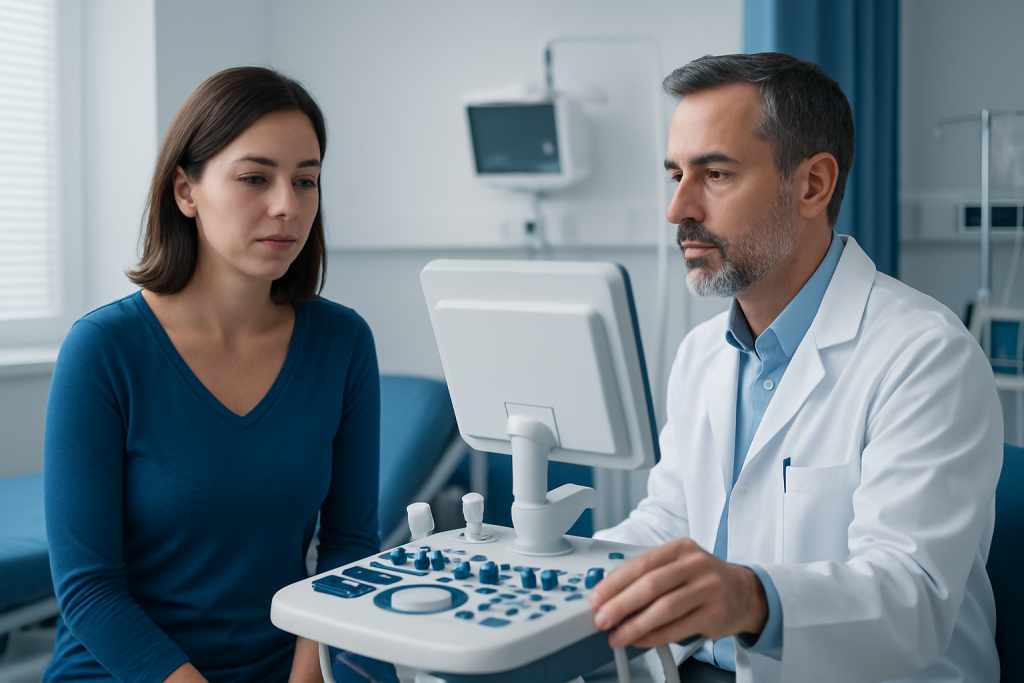
People usually ask about Neurobion because of symptoms that feel “nerve-like” or because a blood test has suggested a nutritional problem. Common complaints include numbness, tingling, burning sensations in the hands or feet, or a vague sense of weakness. Some people also seek it out for fatigue, poor diet, or recovery after an illness when vitamin intake may have been reduced.
These symptoms are not specific to vitamin deficiency. Similar complaints may appear with diabetes, thyroid disease, alcohol-related nerve injury, autoimmune disorders, pressure on a nerve, or certain medicines. That is why a symptom check alone is not enough to decide whether a B vitamin product is appropriate.
- Tingling or “pins and needles” in the limbs
- Numbness or reduced sensation
- Burning or discomfort in the feet or hands
- Fatigue linked to poor intake or deficiency
- Concerns about nerve health raised by a clinician
A clinician will usually try to connect the symptom pattern with the person’s history, examination findings, and laboratory results before recommending any supplement. That approach is more reliable than using Neurobion as a general remedy for unexplained discomfort.
Causes and Risk Factors

Neurobion is usually discussed in the context of B vitamin deficiency or a higher need for those vitamins. Deficiency can occur when the diet is limited, when absorption is reduced, or when the body’s requirements are increased. Vitamin B12 deficiency, for example, can appear in people with certain stomach or intestinal conditions, after some surgeries, or with long-term use of specific medicines that reduce absorption.
Some people are more likely to have low B vitamin levels because of lifestyle or medical factors. Older adults, people with restrictive diets, heavy alcohol use, gastrointestinal disease, and some people with chronic medical conditions may be at higher risk. Neuropathic symptoms may also prompt a clinician to check B vitamin levels even when no clear deficiency has been diagnosed yet.
It is also worth noting that not every symptom requires vitamin therapy. In some cases, taking supplements without a diagnosis can delay proper treatment. Vitamin B6, in particular, should be used thoughtfully because excessive intake over time can itself contribute to nerve symptoms.
Diagnosis
A doctor usually begins by asking when the symptoms started, where they are felt, how severe they are, and whether they are getting better or worse. The history may include diet, digestive problems, surgeries, alcohol use, diabetes, kidney disease, and medicines that could influence vitamin levels or nerve function.
Blood tests may be ordered to look for vitamin deficiencies, anemia, blood sugar abnormalities, thyroid problems, inflammation, or other causes of neurologic symptoms. Depending on the situation, a clinician may also recommend a neurological examination, nerve studies, or imaging if symptoms suggest a structural problem rather than a nutritional one.
For an international patient, bringing previous lab reports, medication lists, and scan results can save time and make the evaluation more precise. This is especially helpful when care has been started abroad and the next step depends on confirming whether the problem is truly a deficiency, an ongoing nerve condition, or both.
Treatment Options
When a doctor recommends Neurobion or another B vitamin preparation, the goal is usually to correct a confirmed deficiency or support recovery when a deficiency is strongly suspected. The form of treatment may be oral tablets or, in some situations, injections. The choice depends on the underlying cause, the severity of the deficiency, and whether the person can absorb nutrients normally.
Treatment is not limited to the supplement itself. If the deficiency is caused by a medical condition, that condition also needs attention. For example, a digestive absorption issue, an untreated chronic disease, or a medication effect may need separate management so the vitamin level does not drop again.
People should avoid assuming that “more is better.” The right plan is individualized, especially because B vitamins are not all handled the same way by the body. A clinician may advise follow-up testing, adjustment of diet, or a switch in medicines if the underlying cause is persistent.
- Correcting a documented vitamin deficiency
- Addressing the cause of poor absorption or low intake
- Monitoring symptoms and, when needed, repeating blood tests
- Reviewing other medicines that may affect B vitamin status
Prevention and Self-care
The most reliable way to support nerve and vitamin health is through balanced nutrition and sensible medical follow-up. A varied diet that includes protein sources, dairy or fortified alternatives, legumes, leafy greens, whole grains, eggs, fish, and other nutrient-dense foods can help reduce the chance of deficiency. People following vegetarian or vegan diets may need particular attention to B12 intake.
If someone has already been told they are at risk for deficiency, keeping scheduled follow-up appointments matters. This is especially true for people traveling for care, because treatment plans may need coordination between the home country and the treating team. Written instructions, repeat lab checks, and a clear plan for continuing or adjusting supplements can make recovery smoother.
Self-care should also include caution with over-the-counter vitamins. Supplements are often viewed as harmless, but they can still be misused or taken for the wrong reason. A brief discussion with a doctor or pharmacist can help confirm the correct product, the expected duration, and whether any interactions or contraindications apply.
When to See a Doctor
Medical advice is a good idea if numbness, tingling, burning pain, or weakness persists, spreads, or interferes with daily activities. These symptoms can reflect a vitamin issue, but they can also signal diabetes, nerve compression, circulation problems, or other conditions that should not be overlooked.
It is also wise to seek evaluation before starting Neurobion if there is a history of liver disease, kidney disease, pregnancy, breastfeeding, allergy to supplements, or use of multiple medicines. A clinician can help decide whether the benefits are likely to outweigh any risk and whether a blood test should come first.
Acibadem Health Point’s multidisciplinary specialists and JCI-accredited hospitals diagnose and treat this condition for international patients, with coordinated care that can include laboratory evaluation, neurology input, and follow-up planning. That kind of structured approach is often the safest way to address symptoms that may look simple at first but have more than one possible cause.
Living With Symptoms While Awaiting Assessment
Waiting for a diagnosis can be frustrating, especially when symptoms are uncomfortable but not clearly urgent. Keeping a symptom diary can help: note when tingling or numbness occurs, what makes it better or worse, and whether it affects sleep, walking, or hand use. This information can be surprisingly helpful during the consultation.
People should also avoid self-labeling the problem as a vitamin deficiency before testing is done. If symptoms are related to another condition, the sooner that condition is identified, the easier it is to treat appropriately. A balanced, steady approach usually leads to better outcomes than trying multiple supplements at random.
For patients arranging care from abroad, having all results in one place can reduce delays. A short summary of symptoms, prior treatments, and current medicines helps the treating team decide whether Neurobion is reasonable, unnecessary, or only one part of a broader plan.
Frequently asked questions
01What is Neurobion used for?
Neurobion is generally associated with B vitamins, especially B1, B6, and B12. It is commonly discussed for vitamin deficiency and nerve-related symptoms, but a doctor should confirm whether it is appropriate for a specific person.
02Can Neurobion help with numbness or tingling?
It may help if those symptoms are related to a vitamin B deficiency. However, numbness and tingling can also come from diabetes, nerve compression, or other causes, so evaluation is important.
03Is Neurobion safe for everyone?
Not necessarily. Safety depends on the person’s health history, other medicines, and the reason for use, and excessive vitamin B6 can be harmful if taken improperly over time.
04Do you need a blood test before taking it?
A blood test is often helpful when deficiency is suspected, especially if symptoms are persistent or unexplained. A clinician can decide whether testing should come first or whether treatment is reasonable based on the full picture.
05Can Neurobion replace a balanced diet?
No. Supplements can help correct a deficiency, but they do not replace regular nutrition or address the underlying cause of poor intake or absorption. A varied diet remains an important part of prevention.
06When should someone seek medical advice urgently?
Urgent evaluation is sensible if there is sudden weakness, trouble walking, severe pain, facial drooping, confusion, or rapidly worsening symptoms. Those signs may point to a problem that needs prompt attention rather than routine vitamin treatment.
This article is for general information only and is not a substitute for professional medical advice. Please consult a qualified doctor about your individual situation.
Medical weight-loss options in Turkey — costs & eligibility
JCI-accredited · board-certified surgeons · reply within 24h
Add us as a Preferred Source to see more of our trusted health content across Google Search, AI Overviews and Discover.