Neuro IR for Stroke, Aneurysm, and AVM: Which Patients May Benefit?

Neuro interventional radiology, often called Neuro IR, uses image-guided, minimally invasive techniques to diagnose and treat certain blood vessel problems in the brain and spine. It may benefit selected patients with stroke, brain aneurysm, or arteriovenous malformation (AVM), depending on the condition’s type, size, location, timing, and overall health.
Overview: What Neuro IR Means
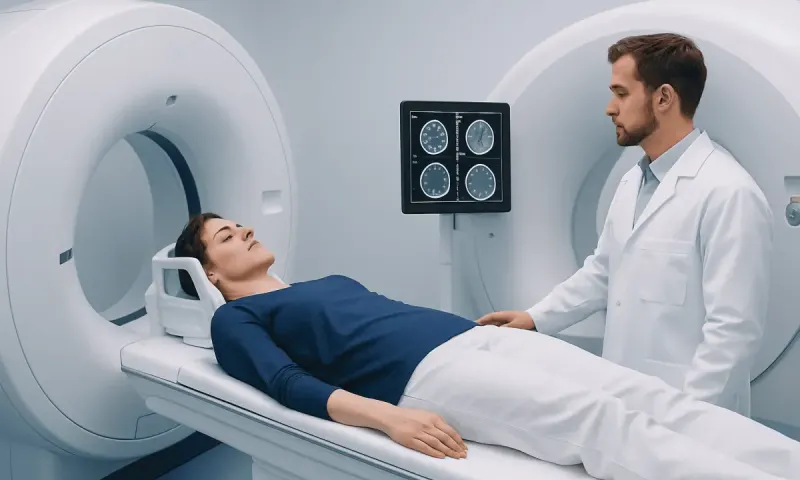
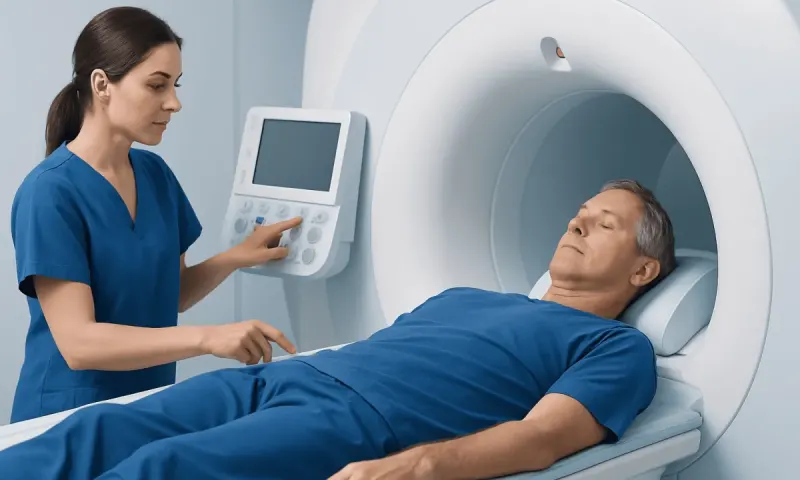
Neuro interventional radiology is a subspecialty that diagnoses and treats disorders of the blood vessels in the brain, head, neck, and spine using imaging guidance. Instead of making a large surgical opening, the specialist usually inserts a thin tube called a catheter through an artery, often in the wrist or groin, and carefully guides it to the area that needs treatment.
This approach can be used in emergencies and in planned procedures. Common reasons for Neuro IR include some types of stroke, brain aneurysm, and arteriovenous malformation, or AVM. The exact technique depends on the problem. Treatments may include clot removal, delivery of tiny coils or liquid materials to block abnormal blood flow, or placement of devices such as stents.
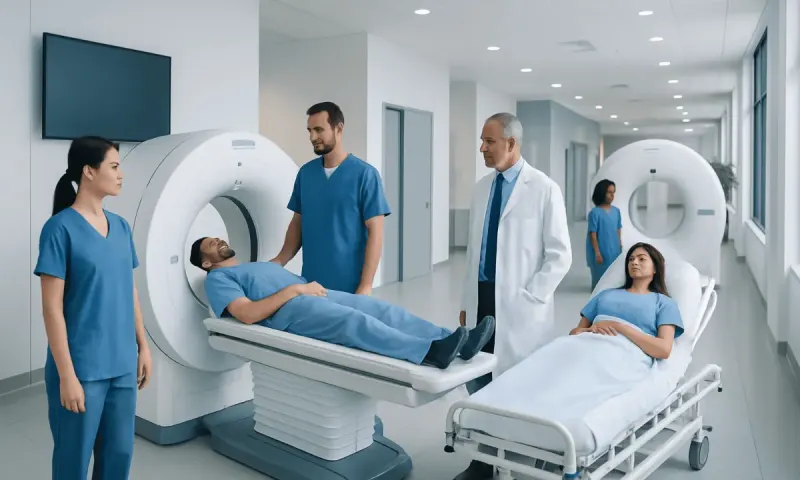
Because these conditions can affect blood flow to delicate brain tissue, treatment planning is highly individualized. A person may be evaluated by interventional neuroradiology, neurology, neurosurgery, stroke medicine, and critical care specialists together. The goal is to choose the safest and most effective option based on the person’s symptoms, scans, and overall health.
Which Patients May Benefit
Patients may benefit from Neuro IR when a condition involves blood vessels that can be reached and treated from inside the circulation. The main groups are people with ischemic stroke caused by a blocked large brain artery, people with a brain aneurysm that has ruptured or is considered at meaningful risk of rupture, and people with an AVM that has bled, causes symptoms, or has features that make treatment worth considering.
Not every patient with these diagnoses needs or qualifies for an interventional procedure. Doctors consider many factors, including the timing of symptoms, the size and location of the abnormality, the pattern of blood flow, age, other medical conditions, and the balance between likely benefit and possible complications. In some cases, medication, observation, rehabilitation, open surgery, or radiosurgery may be more appropriate than a catheter-based procedure.
Neuro IR can be especially valuable when rapid treatment may preserve brain function or prevent rebleeding. However, patient selection is one of the most important parts of care. The best candidates are identified through urgent imaging and specialist review rather than by symptoms alone.
Neuro IR for Stroke

In stroke care, Neuro IR is most often used for ischemic stroke caused by a clot blocking a major artery in the brain. In selected patients, the specialist may perform mechanical thrombectomy, a procedure that removes the clot through a catheter. This can restore blood flow and may improve the chance of recovery when used in the right clinical setting. It is different from treatment for bleeding stroke, which requires a separate evaluation.
Patients who may benefit usually have sudden stroke symptoms such as one-sided weakness, facial drooping, trouble speaking, vision loss, severe imbalance, or confusion, along with brain imaging showing a treatable vessel blockage. Time matters, but doctors also look beyond the clock. Modern stroke imaging helps estimate how much brain tissue is already injured and how much may still be saved.
Treatment often involves a combination of emergency assessment, brain scans, vessel imaging, and close neurological monitoring. Some people may receive clot-dissolving medication if they arrive within the appropriate timeframe and have no contraindications, while others may proceed to stroke treatment with thrombectomy if a large vessel blockage is found. When stroke is due to bleeding rather than clotting, Neuro IR may still play a role in selected cases, especially if an aneurysm or vascular malformation is involved.
- Most likely candidates: people with imaging-confirmed large vessel occlusion and potentially salvageable brain tissue
- Less likely candidates: people with very small-vessel strokes, extensive irreversible brain injury, or major reasons the procedure would be unsafe
- Urgency: emergency evaluation is essential, even if symptoms seem to improve
Neuro IR for Brain Aneurysm
A brain aneurysm is a weak, bulging area in a blood vessel wall. Some aneurysms cause no symptoms and are found by chance. Others rupture and lead to bleeding around the brain, which is a medical emergency. Neuro IR may help by sealing the aneurysm from inside the vessel, often with coils, stent-assisted techniques, flow-diverting devices, or other endovascular methods, depending on the aneurysm’s shape and location.
Patients who may benefit include those with a ruptured aneurysm needing urgent protection against rebleeding and selected patients with an unruptured aneurysm whose features suggest a meaningful future risk. Doctors look at aneurysm size, location, neck shape, growth over time, family history, smoking, blood pressure, age, and prior bleeding. These details help determine whether treatment is safer than observation.
Endovascular treatment is not the right choice for every aneurysm. Some aneurysms are better managed with monitoring and risk-factor control, while others are more suitable for neurosurgical clipping. A specialist team reviews imaging carefully before recommending brain aneurysm management or a specific aneurysm treatment approach. The aim is to reduce the risk of rupture or rebleeding while preserving normal blood flow to the brain.
Neuro IR for AVM
An arteriovenous malformation, or AVM, is an abnormal tangle of arteries and veins that disrupts normal blood flow. AVMs can occur in the brain or spinal cord. Some are discovered after bleeding, seizures, headaches, or neurological symptoms, while others are found incidentally. Neuro IR can play an important role by reducing blood flow within the AVM through embolization, which means blocking selected vessels with special materials delivered through a catheter.
Patients who may benefit from Neuro IR include those with an AVM that has bled, causes symptoms, or has anatomical features that make treatment reasonable. Embolization may be used as the main treatment in some cases, but it is also commonly used before surgery or radiosurgery to reduce the size of the lesion or lower blood flow. The exact strategy depends on the AVM’s size, location, venous drainage, and bleeding history.
Because AVMs vary greatly, treatment decisions can be complex. In some people, observation may be safer than intervention, especially if the AVM has not bled and is in a high-risk location. In others, a staged plan that includes arteriovenous malformation evaluation and AVM treatment may offer the best balance of benefit and risk. Shared decision-making is especially important, since there may be more than one reasonable option.
How Doctors Decide: Diagnosis and Patient Selection
Diagnosis begins with a careful medical history, neurological examination, and imaging tests. Depending on the suspected problem, doctors may use CT, CT angiography, MRI, MR angiography, ultrasound, or catheter angiography. These tests show whether there is a blocked artery, bleeding, an aneurysm, or an AVM, and help define the anatomy in detail.
Patient selection is based on more than the diagnosis itself. Specialists assess how severe the symptoms are, whether brain tissue can still be saved, whether there is active bleeding, and whether the person can safely undergo the procedure and the medications that may be needed afterward. For example, some stent-based treatments require blood-thinning medicines, which may not be suitable in every situation.
Many hospitals use a multidisciplinary model for these decisions. Neurologists, interventional neuroradiologists, neurosurgeons, anesthesiologists, and intensive care teams work together to compare endovascular therapy with other options. This team-based approach helps match the treatment to the person rather than treating every case the same way.
In complex situations, a second opinion can also be helpful, especially for unruptured aneurysms or unbled AVMs. The best plan is the one that balances the expected long-term benefit with short-term safety and the patient’s own goals and preferences.
Treatment, Recovery, and Possible Risks
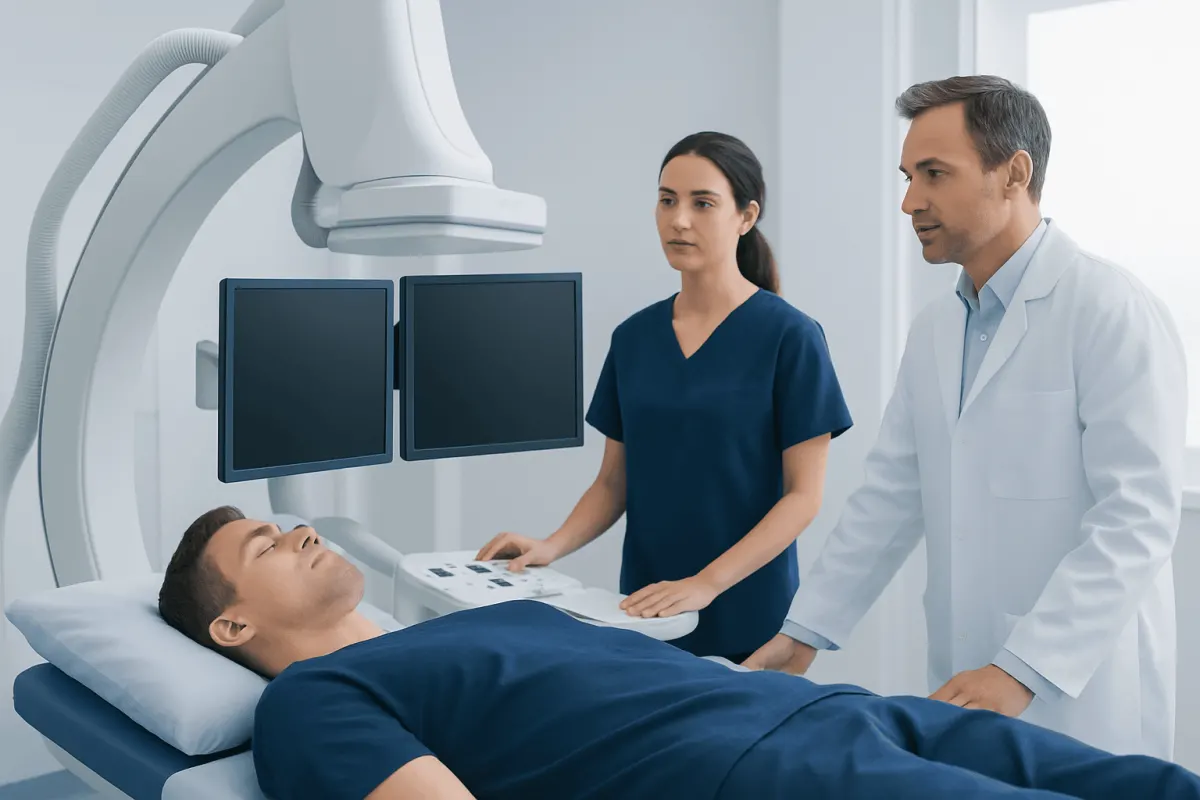
Most Neuro IR procedures are performed in a specialized angiography suite under sedation or general anesthesia, depending on the situation. The specialist guides the catheter through the blood vessels using live X-ray imaging and performs the planned treatment. Afterward, the patient is monitored closely for neurological changes, blood pressure control, and access-site bleeding. Some patients go home within a short time, while others, especially those treated for stroke or bleeding, need intensive care and longer hospitalization.
Recovery depends on the underlying condition. A person treated for stroke may need rehabilitation for speech, movement, or daily activities. Someone treated for an aneurysm or AVM may need follow-up imaging to confirm that the abnormal vessel is fully closed and remains stable over time. More than one procedure is sometimes needed, particularly for complex aneurysms or larger AVMs.
Although these procedures are minimally invasive, they are not risk-free. Potential complications can include bleeding, vessel injury, stroke, contrast reactions, infection, or recurrence of the treated problem. The care team explains the expected benefits, alternatives, and possible risks before treatment whenever circumstances allow.
Near the end of recovery planning, patients may also be advised about long-term control of blood pressure, smoking cessation, cholesterol management, and follow-up appointments. At centers such as Acıbadem Health Point, multidisciplinary specialists in JCI-accredited hospitals evaluate and treat international patients who need advanced endovascular brain and vascular care.
Prevention, Self-care, and When to Seek Urgent Help
Not all strokes, aneurysms, or AVMs can be prevented, but some risk factors can be reduced. Controlling high blood pressure, avoiding tobacco, limiting excess alcohol, staying physically active, and managing diabetes and cholesterol all support vascular health. People with a strong family history of aneurysm or stroke should discuss their personal risk with a qualified doctor.
After treatment, self-care focuses on medication adherence, keeping follow-up imaging appointments, and watching for warning signs. Patients should ask when they can return to work, exercise, travel, and driving, since recommendations differ by diagnosis and procedure. Emotional recovery also matters. Anxiety after a neurological event is common, and support from rehabilitation teams, counselors, and family can help.
Urgent medical attention is needed for any sudden stroke symptoms, a sudden severe headache unlike usual headaches, seizure, new confusion, fainting, weakness, vision loss, or difficulty speaking. Even if symptoms improve, emergency evaluation is important. Fast assessment can be lifesaving and may expand the Neuromodulation" class="ahp-ilk">treatment options available.
Frequently asked questions
01What is Neuro IR in simple terms?
Neuro IR is a medical specialty that treats certain brain and spinal blood vessel problems from inside the blood vessels using tiny tubes and imaging guidance. It is designed to be less invasive than open surgery in selected cases.
02Is every stroke treated with a Neuro IR procedure?
No. Neuro IR is mainly used for selected ischemic strokes caused by a blockage in a large artery, and some bleeding-related conditions linked to abnormal blood vessels. Many strokes are treated with medication, supportive care, and rehabilitation instead.
03Can an unruptured brain aneurysm always be treated with coils or a stent?
Not always. Some unruptured aneurysms are best monitored over time, while others are better treated with endovascular therapy or surgery. The decision depends on the aneurysm’s size, shape, location, growth, and the patient’s individual risk factors.
04Does every AVM need treatment?
No. Some AVMs are observed rather than treated, especially if they have not bled and treatment risk may be high. Specialists weigh the lifetime bleeding risk against the risks of embolization, surgery, or radiosurgery before making a recommendation.
05Are Neuro IR procedures safer than open brain surgery?
They are often less invasive, which can mean a different recovery experience and, in some cases, lower procedural burden. However, they still carry important risks, and they are not automatically safer for every patient or every condition.
06How quickly should someone with stroke symptoms get help?
Immediately. Sudden weakness, facial drooping, speech difficulty, vision changes, or loss of balance should be treated as an emergency. Early hospital care can make a major difference in eligibility for treatment and long-term recovery.
This article is for general information only and is not a substitute for professional medical advice. Please consult a qualified doctor about your individual situation.
Joint and spine care in Turkey — expert assessment & treatment
JCI-accredited · board-certified surgeons · reply within 24h
Add us as a Preferred Source to see more of our trusted health content across Google Search, AI Overviews and Discover.