Neoadjuvant Vs Adjuvant Therapy: Before or After Surgery?
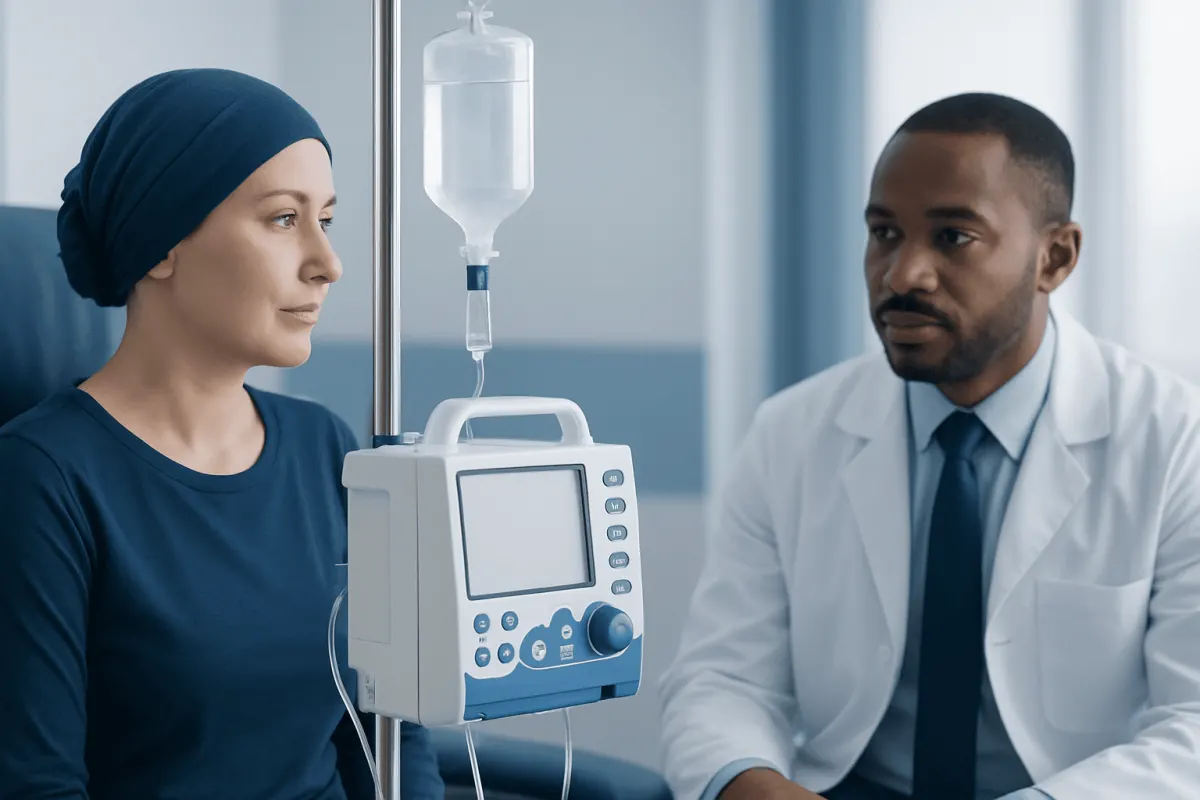
Neoadjuvant therapy is cancer treatment given before the main treatment, usually surgery, while adjuvant therapy is given afterward to reduce the chance of cancer returning. The most appropriate approach depends on the cancer type, stage, tumor biology, treatment goals and a person’s overall health.
Neoadjuvant vs Adjuvant Therapy: A Side-by-Side Comparison
Neoadjuvant and adjuvant therapies use many of the same cancer treatments, but they are given at different points in a treatment plan. Neoadjuvant therapy is delivered before the main local treatment, most often surgery. Adjuvant therapy is delivered after surgery or another definitive local treatment.
The terms describe treatment timing rather than a particular medicine. Depending on the cancer, a person may receive chemotherapy, radiation therapy, hormone therapy, targeted medicines or immunotherapy before surgery, after surgery, or both. The plan is based on the expected benefits and possible side effects for that individual.
| Feature | Neoadjuvant therapy | Adjuvant therapy |
|---|---|---|
| When it is given | Before surgery or another main local treatment | After surgery or another main local treatment |
| Main purpose | To shrink or control the tumor and assess treatment response | To lower the risk of recurrence from microscopic remaining cells |
| Potential surgical effect | May make surgery easier or allow less extensive surgery | Usually does not change the surgery already performed |
| Information gained | Shows how the visible tumor responds to treatment | Pathology from surgery helps guide the treatment choice |
| Common settings | Some breast, rectal, esophageal, stomach, bladder and lung cancers | Many cancers after complete surgical removal |
Neither sequence is automatically better. For some early cancers, surgery first is the clearest and safest route. For other cancers, treating the tumor before surgery can improve the chance of complete removal or help tailor the next steps.
How Clinicians Tell Neoadjuvant and Adjuvant Treatment Apart
Clinicians first determine whether a cancer appears localized, locally advanced or metastatic. They combine physical examination findings with imaging, biopsy results, laboratory tests and, when appropriate, molecular or genetic testing of the tumor. This information helps estimate whether surgery should be the first step or whether systemic treatment should come first.
Neoadjuvant treatment is considered when a tumor is large relative to the surrounding organ, involves nearby lymph nodes, has biological features that respond well to drug treatment, or may be difficult to remove completely at first. It may also be chosen when reducing the tumor size could preserve more normal tissue, such as supporting breast-conserving surgery rather than mastectomy.
Adjuvant treatment is considered after surgery when there is a meaningful possibility that tiny, undetectable cancer cells could remain elsewhere in the body. The surgery specimen provides detailed pathology information, including tumor size, lymph node involvement, margins, grade and biological markers. These findings help the oncology team weigh the likely benefit of additional treatment.
Planning is usually done by a multidisciplinary team that may include surgeons, medical oncologists, radiation oncologists, radiologists, pathologists and specialist nurses. A patient’s preferences, daily functioning, other health conditions, fertility goals and ability to tolerate treatment are important parts of the decision.
When to Use Neoadjuvant vs Adjuvant?

Neoadjuvant therapy is generally used when treating cancer before surgery offers a practical or medical advantage. For example, it may shrink a tumor that would otherwise require more extensive surgery, treat cancer in nearby lymph nodes early, or show whether a treatment is working while the tumor can still be measured.
Adjuvant therapy is generally used after surgery when the tumor has been removed but there remains a risk of recurrence. It is common in cancers where surgery is feasible at diagnosis and where evidence shows that postoperative systemic treatment, radiation therapy or hormone therapy can reduce the chance of the cancer returning.
Some treatment plans include both approaches. A person may receive preoperative therapy, have surgery, and then receive additional treatment based on the surgical pathology and the degree of response. In certain cancers, treatment after surgery is changed or intensified if cancer remains in the removed tissue.
The best sequence cannot be decided from tumor size alone. Cancer subtype matters greatly. For example, hormone receptor status, HER2 status and other biomarkers can influence treatment choices in breast cancer, while tumor location and stage have major roles in gastrointestinal and pelvic cancers.
Which Breast Cancer Gets Neoadjuvant Chemotherapy?
Neoadjuvant chemotherapy is commonly considered for breast cancers that are larger, involve lymph nodes, or have subtypes likely to respond strongly to chemotherapy. This often includes triple-negative breast cancer and HER2-positive breast cancer, particularly when the cancer is stage II or stage III. In some cases, immunotherapy or HER2-targeted therapy is added to chemotherapy, depending on the cancer subtype and treatment guidelines.
For these subtypes, treatment before surgery may shrink the breast tumor and affected lymph nodes. It can sometimes make breast-conserving surgery possible and provides information about whether cancer remains after treatment. This response can help guide treatment following surgery.
Neoadjuvant chemotherapy is not routinely needed for every breast cancer. Many small, early-stage, hormone receptor-positive and HER2-negative cancers can be treated with surgery first. Some people with hormone receptor-positive breast cancer may receive neoadjuvant endocrine therapy instead of chemotherapy, especially when that is more suitable for the tumor biology or the person’s health.
Breast imaging, core biopsy results and lymph node assessment are reviewed before treatment begins. A breast cancer team can explain whether chemotherapy before surgery, surgery first, or another approach best fits the individual diagnosis.
How Soon After Neoadjuvant Chemo Do Most Get Surgery?
After neoadjuvant chemotherapy, surgery is often planned once the scheduled treatment course is complete and the body has had time to recover. In many cases, this is within several weeks, but the exact timing varies according to the cancer type, medicines used, blood count recovery, healing needs and the availability of surgical planning.
Before surgery, the team commonly repeats imaging or clinical assessment to evaluate the tumor’s response and confirm the surgical approach. Blood tests may also be used to check recovery from chemotherapy. A delay may be appropriate if a person has an infection, low blood counts, significant side effects or another condition that needs attention first.
Not every person receives the same number of treatment cycles or follows the same schedule. For some cancers, radiation therapy, targeted treatment or immunotherapy may be part of preoperative care, and this can affect the interval before surgery. The treating team should provide a clear timeline and explain the reason for any changes.
People should contact their oncology team promptly if they develop fever, chills, shortness of breath, uncontrolled vomiting, unusual bleeding or other concerning symptoms during or after chemotherapy. These symptoms may need assessment before the next treatment or surgery.
Why Do Oncologists Push Chemo?
Oncologists recommend chemotherapy when evidence suggests it can improve cancer control, reduce the risk of recurrence, make surgery more effective, relieve symptoms or extend life in advanced cancer. The recommendation is not intended to pressure a person into treatment; it reflects an effort to balance the expected benefit against possible harms for a specific diagnosis.
Chemotherapy works by damaging or stopping the growth of rapidly dividing cells. Because some healthy cells also divide quickly, treatment can cause side effects such as fatigue, nausea, hair loss, mouth sores, infection risk, numbness or changes in blood counts. Side effects differ widely by medicine and are often manageable with monitoring and supportive care.
Before recommending chemotherapy, the oncology team considers pathology results, cancer stage, biomarkers, expected sensitivity to treatment, age, overall health and personal priorities. In some situations, tests that evaluate tumor genes may help estimate whether chemotherapy is likely to add benefit, particularly for certain early breast cancers.
Patients are entitled to understand the purpose of every recommended treatment. Helpful questions include what benefit is expected, what alternatives exist, whether treatment can be given before or after surgery, which side effects are most likely, and what support is available. A second opinion may also be appropriate when treatment decisions are complex.
What to Do for Each Treatment Pathway
For a neoadjuvant pathway, people can prepare by attending baseline assessments, discussing fertility preservation before treatment if relevant, arranging support for appointments and reporting side effects early. Follow-up examinations and imaging are important because they help the team assess response and plan surgery safely.
For an adjuvant pathway, recovery from surgery is an important first step. The team reviews final pathology and discusses whether chemotherapy, radiation therapy, endocrine therapy, targeted treatment, immunotherapy or observation is recommended. For some patients, radiation therapy is used after surgery to reduce the risk of local recurrence.
Nutrition, hydration, gentle activity as advised, sleep and emotional support can help people manage treatment. However, supplements, herbal products and restrictive diets should be discussed with the cancer team first because some can interact with treatment or affect blood clotting and recovery.
Acıbadem Health Point’s multidisciplinary specialists and JCI-accredited hospitals diagnose and treat cancer for international patients, coordinating surgical, medical and radiation oncology care when appropriate. A written treatment plan can help patients understand the sequence of care, expected monitoring and whom to contact between visits.
When to Seek Medical Care
Anyone with a new lump, unexplained bleeding, persistent change in bowel or bladder habits, ongoing difficulty swallowing, unexplained weight loss, a changing skin lesion or another persistent symptom should arrange a medical assessment. Many symptoms have causes other than cancer, but early evaluation allows appropriate testing and reassurance.
People already diagnosed with cancer should contact their treatment team if they have questions about the proposed sequence of therapy, if side effects interfere with eating, drinking or daily activities, or if they are considering stopping treatment. Timely communication can allow supportive treatment or safe adjustments to the plan.
Urgent medical advice is needed for fever during chemotherapy, severe shortness of breath, chest pain, confusion, sudden weakness, uncontrolled bleeding, severe diarrhea or vomiting, or signs of an allergic reaction. Patients should follow the emergency instructions provided by their own oncology service, as infection risk and other urgent concerns can vary by treatment.
Regular follow-up after cancer treatment remains important. Surveillance visits are designed to monitor recovery, manage lasting effects and investigate symptoms that might need further evaluation.
Frequently asked questions
01What is the main difference between neoadjuvant and adjuvant therapy?
The main difference is timing. Neoadjuvant therapy is given before the main local treatment, usually surgery, while adjuvant therapy is given afterward. Both may use chemotherapy, radiation, hormone therapy, targeted therapy or immunotherapy.
02Is neoadjuvant therapy more effective than adjuvant therapy?
Neither approach is universally more effective. The best sequence depends on the cancer type, stage, location, biomarkers and treatment goal. In some cancers, preoperative therapy offers advantages such as tumor shrinkage or a clearer measure of treatment response.
03Can a person have surgery after neoadjuvant chemotherapy?
Yes. Surgery is often the planned next step after neoadjuvant chemotherapy, once treatment is complete and the person has recovered sufficiently. The surgical plan may be adjusted according to how the tumor responded.
04Does neoadjuvant chemotherapy mean the cancer is advanced?
Not necessarily. It is often used for locally advanced cancers, but it can also be used for some earlier-stage cancers with tumor types that respond well to preoperative treatment. Its use reflects treatment strategy rather than a single cancer stage.
05Can adjuvant therapy be recommended if no cancer is found after surgery?
Yes. Adjuvant treatment may still be recommended because imaging and pathology cannot always detect microscopic cancer cells elsewhere in the body. The decision is based on the estimated recurrence risk and the expected benefit of treatment.
06Can treatment change after neoadjuvant therapy?
Yes. The amount of cancer remaining at surgery, along with pathology results, may influence postoperative treatment. A strong response may support one plan, while residual disease may lead the team to recommend a different or additional therapy.
This article is for general information only and is not a substitute for professional medical advice. Please consult a qualified doctor about your individual situation.
Persistent digestive symptoms? Get evaluated in Turkey
JCI-accredited · board-certified surgeons · reply within 24h
Add us as a Preferred Source to see more of our trusted health content across Google Search, AI Overviews and Discover.