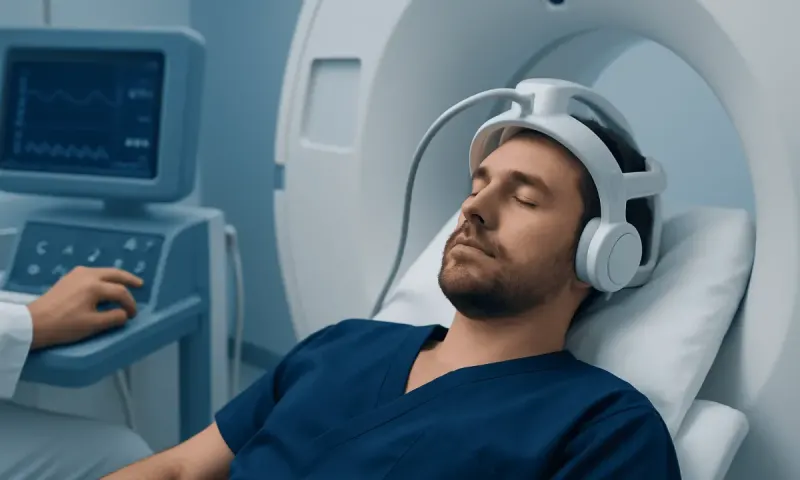
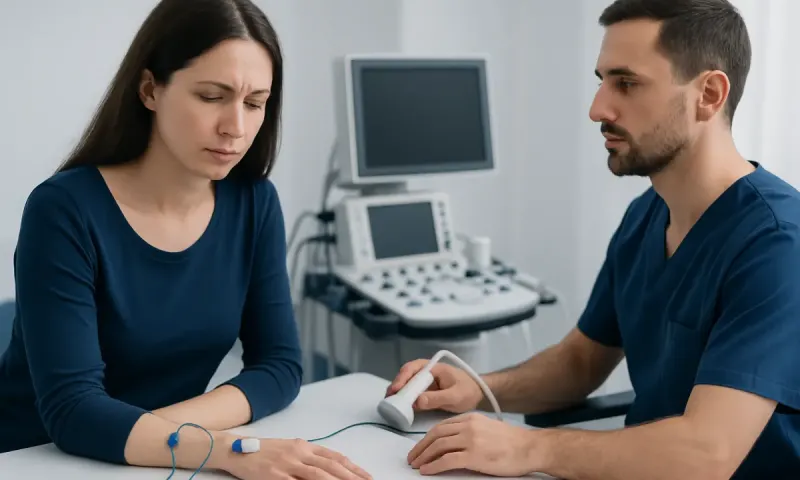
NCV Test: Measuring Nerve Signal Speed and Strength
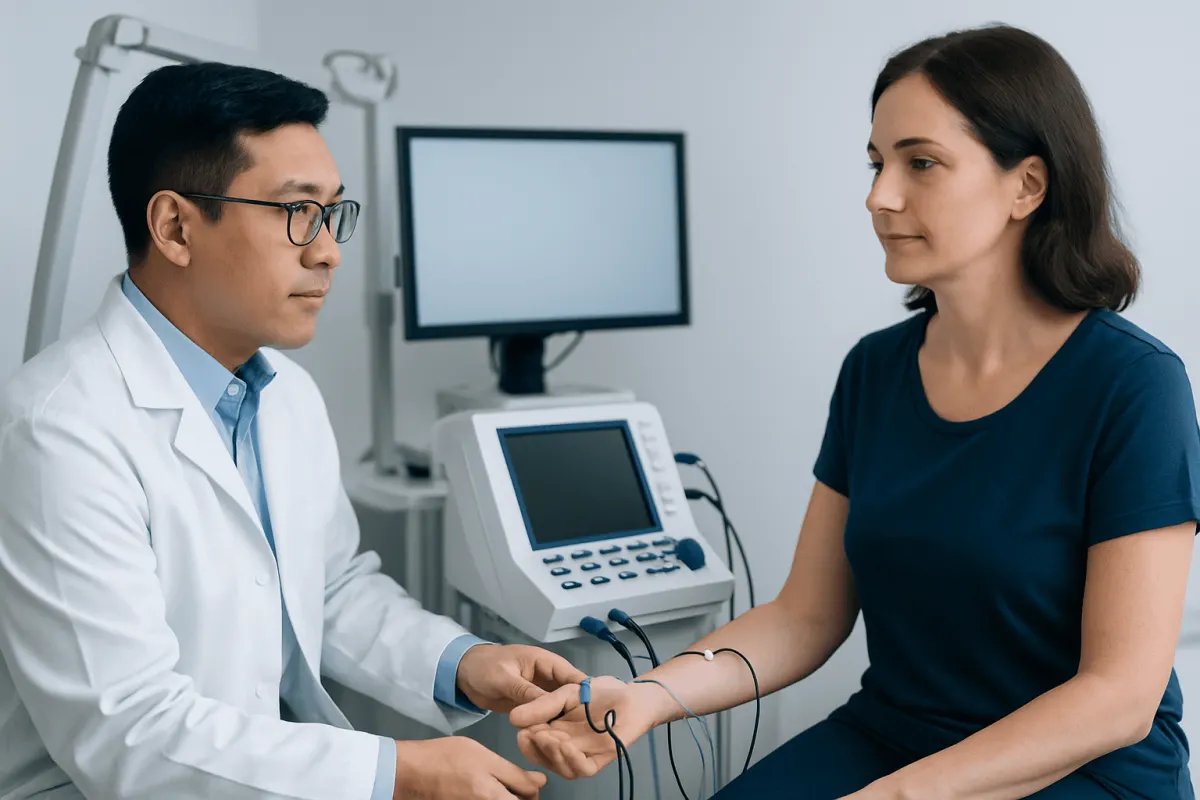
An NCV test, also called a nerve conduction study, measures the speed and strength of electrical signals moving through peripheral nerves. It can help clinicians investigate symptoms such as tingling, numbness, pain, weakness, or muscle cramps and identify whether a nerve may be compressed, injured, or affected by disease.
What Is an NCV Test?
An NCV test is a nerve conduction velocity test. It measures how fast and how effectively an electrical impulse travels through a peripheral nerve, which is a nerve outside the brain and spinal cord. The examination is usually part of a nerve conduction study and may be requested when a person has persistent numbness, tingling, burning pain, weakness, reduced sensation, or unexplained muscle symptoms.
Nerves carry messages between the brain, spinal cord, muscles and skin. When a nerve is compressed, inflamed, injured or affected by a medical condition, these messages may travel more slowly or with reduced strength. An NCV test can provide objective information about this nerve function and help guide the next steps in diagnosis and care.
The test is usually performed by a trained Neurology: Which Specialist Handles Your Symptoms?" class="ahp-ilk">neurophysiology professional, neurologist, or technician under medical supervision. It is not an imaging test and does not show the physical appearance of a nerve. Instead, it records its electrical performance.
Why an NCV Test May Be Recommended
A clinician may recommend an NCV test when symptoms suggest a problem involving peripheral nerves, nerve roots, or the connection between nerves and muscles. Symptoms may occur in one area, such as the hand or foot, or affect both sides of the body. The pattern of symptoms, including whether they are intermittent or progressive, helps determine which nerves should be tested.
Common reasons for testing include possible nerve compression, such as carpal tunnel syndrome; symptoms related to a neck or lower-back nerve root problem; nerve injury after trauma; and suspected peripheral neuropathy. Peripheral neuropathy can occur for several reasons, including diabetes, vitamin deficiencies, certain medications, alcohol exposure, autoimmune disorders, kidney disease and inherited conditions.
NCV testing may also help distinguish between a nerve disorder and a muscle disorder. For example, weakness may arise from a problem in a muscle, a peripheral nerve, a nerve root, the spinal cord, or the brain. The test results are one part of the clinical picture and are not interpreted in isolation.
How the NCV Test Is Performed
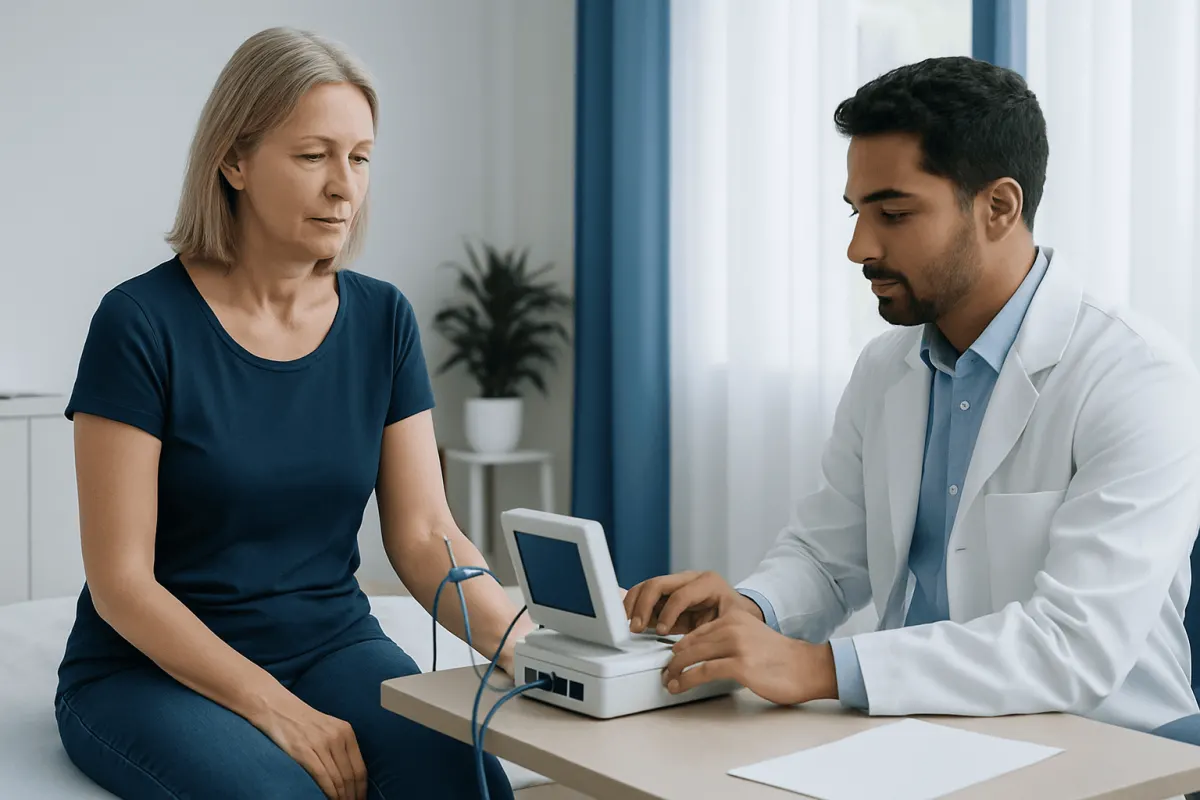
During an NCV test, the skin over selected nerves is cleaned and small recording electrodes are placed on the skin. A stimulating electrode delivers brief electrical pulses at one or more points along the nerve. The recording electrodes detect the nerve or muscle response to each pulse.
The electrical stimulation may feel like a quick tapping, tingling, or mild shock sensation. Most people find it uncomfortable but tolerable, and the stimulation lasts only a moment. The clinician may test nerves in the arms, hands, legs, feet, or face, depending on the symptoms being investigated.
Measurements may include the speed at which a signal travels, called conduction velocity, and the size and timing of the response. Testing may assess sensory nerves, which carry information such as touch and temperature toward the brain, as well as motor nerves, which carry signals from the nervous system to muscles.
The examination length varies according to the number of nerves being assessed, but many appointments take between 30 minutes and an hour. If electromyography is also needed, the visit can take longer.
NCV Test and EMG: What Is the Difference?
An NCV test and electromyography, known as EMG, are frequently performed together because they evaluate different parts of the neuromuscular system. NCV testing uses surface electrodes to examine how electrical signals travel through nerves. EMG evaluates the electrical activity within muscles, often using a fine needle electrode placed into selected muscles.
NCV findings can suggest whether a nerve is conducting signals normally, slowly, or with a reduced response. EMG can show whether a muscle has signs of altered nerve supply, irritation, or a primary muscle problem. Together, the tests can help a clinician localize the likely source of symptoms more accurately.
Not every person needs both tests. The clinician will select the examination components based on the medical question, symptoms and physical examination. If a needle EMG is planned, the healthcare team should explain what to expect beforehand, including the possibility of short-lived soreness or minor bruising at needle sites.
Preparing for an NCV Test
Most people can eat, drink and take their usual medicines before an NCV test unless their clinician gives different instructions. It is helpful to wear loose, comfortable clothing that allows easy access to the arms or legs. Lotions, oils and creams should be avoided on the day of the test because they can make it harder for electrodes to adhere to the skin.
Before the appointment, patients should tell the testing team about implanted medical devices, such as a pacemaker or defibrillator, as well as bleeding disorders, use of blood-thinning medicines, pregnancy, skin infections, or significant swelling. These factors do not always prevent testing, but they may affect how the procedure is planned, especially if needle EMG is being considered.
Cold hands and feet can slow nerve signals and influence measurements. The team may warm the limb before testing if needed. Bringing previous test reports, a medication list and details about symptom onset can also help the clinician interpret the results in context.
Understanding NCV Test Results
NCV results are compared with expected values that account for factors such as age, height, body temperature and the nerve being tested. A slower-than-expected signal, a delayed response, or a smaller response may indicate that a nerve is not functioning normally. However, an abnormal result does not by itself establish a specific diagnosis.
For example, a focal slowing pattern across the wrist may support carpal tunnel syndrome, while abnormalities affecting multiple nerves in the hands and feet may be consistent with peripheral neuropathy. A clinician may also use the pattern of results to assess whether changes are more likely related to the nerve covering, called myelin, or the nerve fibers themselves, called axons.
Normal results can be reassuring, but they do not exclude every possible cause of symptoms. Some conditions affect small sensory nerve fibers that routine nerve conduction studies may not measure well. Depending on the findings, a clinician may recommend blood tests, imaging, repeat testing, specialist review, or further assessment of related concerns such as diabetes.
Safety, Limitations and Aftercare
NCV testing is generally considered safe. The electrical pulses are controlled and brief, and surface electrodes do not break the skin. Most people can return to normal activities immediately afterward. There may be temporary redness where electrodes were placed, but this usually settles quickly.
The test has limitations. It does not directly identify every cause of pain, and it may be normal early in some nerve conditions. Results may also be influenced by skin temperature, swelling, technical factors and the location of the nerve problem. This is why a thorough history and neurological examination remain important.
When a test identifies a treatable cause, management may include addressing an underlying health condition, adjusting activities that compress or strain a nerve, physical therapy, splinting, pain management, or other targeted care. For nerve compression conditions, treatment decisions depend on symptom severity, examination findings and the overall test result rather than a single measurement alone.
When to Seek Medical Care
A person should arrange a medical assessment for persistent or worsening numbness, tingling, burning pain, weakness, frequent dropping of objects, unexplained balance problems, or changes in sensation that interfere with daily activities. Prompt assessment is particularly important when symptoms develop after an injury or occur with neck or back pain that spreads into an arm or leg.
Urgent medical care is needed for sudden weakness on one side of the body, facial drooping, trouble speaking, sudden severe headache, loss of bladder or bowel control, or rapidly progressing weakness. These symptoms can have causes that require immediate evaluation and should not wait for outpatient nerve testing.
Acıbadem Health Point’s multidisciplinary specialists and JCI-accredited hospitals assess nerve and muscle symptoms for international patients, using clinical examination and appropriate diagnostic testing. A qualified clinician can determine whether an NCV test, EMG, imaging, laboratory testing, or another assessment is most suitable.
Frequently asked questions
01Is an NCV test painful?
An NCV test involves brief electrical pulses that can feel like tapping, tingling or a quick mild shock. The sensation can be uncomfortable, but it is usually short-lived and tolerable. The healthcare professional can explain each step and adjust the process when possible.
02How long does an NCV test take?
Many NCV tests take about 30 to 60 minutes, depending on how many nerves need to be assessed. The appointment may take longer if electromyography is performed at the same visit. Patients can usually leave soon after testing is complete.
03Can I eat before an NCV test?
In most cases, a person can eat and drink normally before an NCV test. They should follow any individual instructions given by their healthcare team. Avoiding creams, oils and lotions on the skin on the test day is commonly advised.
04What can an abnormal NCV test show?
An abnormal result may show that a nerve signal is slower, delayed or weaker than expected. This can occur with nerve compression, injury, peripheral neuropathy or certain disorders affecting the nerve covering or nerve fibers. A clinician interprets the result alongside symptoms, examination findings and other tests.
05Can an NCV test diagnose carpal tunnel syndrome?
NCV testing can provide useful evidence for carpal tunnel syndrome by checking how the median nerve conducts signals across the wrist. It can also help assess severity and rule out some other nerve problems. Diagnosis still includes the person’s symptoms and clinical examination.
06What should I do after an NCV test?
Most people can return to usual activities immediately after an NCV test. If EMG was also performed, there may be mild muscle soreness or small bruises for a short time. The clinician who ordered the test should discuss the meaning of the results and any recommended next steps.
This article is for general information only and is not a substitute for professional medical advice. Please consult a qualified doctor about your individual situation.
Joint and spine care in Turkey — expert assessment & treatment
JCI-accredited · board-certified surgeons · reply within 24h
Add us as a Preferred Source to see more of our trusted health content across Google Search, AI Overviews and Discover.