Natural Treatment Hay Fever: Options, Effectiveness and Recovery

Key Takeaways
- Natural approaches can ease hay fever symptoms, but they do not replace medical care when symptoms are persistent or severe.
- Reducing pollen exposure is usually the most effective non-drug step.
- Saline rinses, indoor air strategies, and simple self-care may improve comfort.
- Some supplements and herbal remedies have limited evidence and may not be suitable for everyone.
- A clinician can confirm whether symptoms are truly hay fever and rule out asthma, sinus disease, or other conditions.
Natural treatment for hay fever can help reduce exposure to triggers, calm symptoms, and support daily comfort, especially when symptoms are mild to moderate. It works best as part of a practical plan that includes diagnosis, avoidance strategies, and medical advice when symptoms do not improve.
Overview
Natural treatment for hay fever usually means practical, non-prescription steps that reduce allergen exposure and support the body while symptoms settle. For many people, the most useful “natural” approach is not a single remedy, but a combination of prevention, environmental control, and gentle symptom relief.
Hay fever, also called allergic rhinitis, happens when the immune system reacts to pollen, dust, mold, or other triggers. The result may be sneezing, nasal congestion, runny nose, itchy eyes, and a tired, foggy feeling that can affect sleep and concentration. When symptoms are clearly linked to a season or environment, natural measures can make a meaningful difference, especially for people who travel, work outdoors, or are trying to manage symptoms while away from home.
It is important to be realistic about what natural care can do. These measures may reduce discomfort and limit flare-ups, but they do not cure the allergy itself. If symptoms are frequent, severe, or interfering with daily life, medical evaluation helps confirm the cause and guide the safest treatment plan.
Symptoms
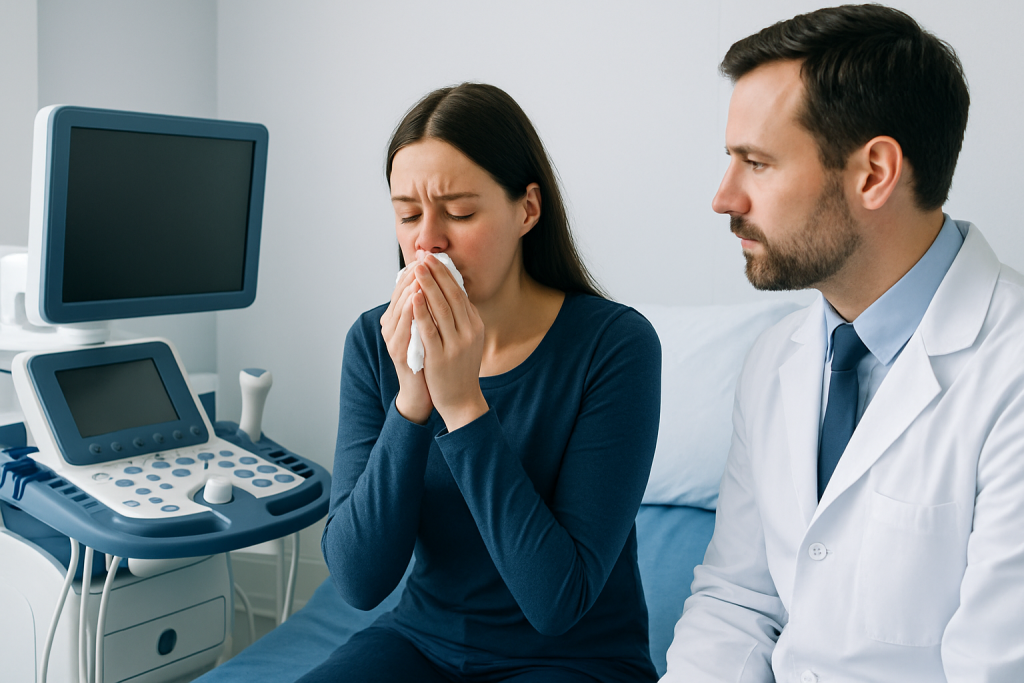
Hay fever often looks simple at first: a person sneezes more than usual, rubs the nose, and feels as though a cold is starting. Unlike a viral cold, however, hay fever symptoms often last as long as the trigger is present and may return at the same time each year.
Common symptoms include repeated sneezing, clear runny discharge, blocked nose, itching in the nose or throat, watery eyes, and coughing caused by postnasal drip. Some people also notice poor sleep, reduced focus, or a sense of pressure in the face, although facial pain or thick discolored mucus can suggest something other than uncomplicated allergies.
Natural strategies are most helpful when symptoms are recognized early. For example, if a person knows pollen is high in the morning or after windy weather, exposure can be reduced before symptoms build up. Tracking patterns can also help distinguish hay fever from a cold, irritant exposure, or another respiratory condition.
Causes & Risk Factors

Hay fever is triggered by an allergic response to airborne particles. The most common triggers are tree, grass, and weed pollen, but some people react to indoor allergens such as dust mites, pet dander, or mold spores. Symptoms occur when the immune system mistakenly treats these particles as a threat and releases inflammatory chemicals.
Several factors can make hay fever more likely or more noticeable. A family history of allergies, asthma, or eczema can increase risk. Living in a region with long pollen seasons, spending more time outdoors, or being exposed to indoor dampness and poor ventilation can also worsen symptoms.
For international patients, travel itself can be a trigger because pollen types vary by country and season. A person may feel better in one climate and worse in another, which can make symptoms confusing without a proper evaluation. A clinician can help identify whether the problem is seasonal allergy, perennial allergy, or a different condition altogether.
Diagnosis
Before relying on natural treatment for hay fever, it helps to know that the symptoms are truly allergy-related. Diagnosis usually begins with a careful history: when the symptoms started, what seems to trigger them, whether they happen in specific places, and whether there are eye symptoms, asthma, or skin allergies as well.
A doctor may also examine the nose, throat, and ears to look for swelling, irritation, or signs of another cause such as infection or structural blockage. In some cases, allergy testing may be recommended, including skin prick testing or blood tests that measure allergic sensitivity to specific triggers.
Testing can be especially useful when symptoms are long-lasting, when the trigger is not obvious, or when a person is planning travel, relocation, or a more tailored prevention strategy. Clear diagnosis helps avoid unnecessary remedies and makes natural care more focused and effective.
Treatment Options
Natural treatment for hay fever works best when the goal is to reduce contact with the trigger. For pollen-related symptoms, keeping windows closed on high-pollen days, showering after outdoor time, changing clothes after coming indoors, and drying laundry inside can reduce the amount of pollen that reaches the nose and eyes.
Saline nasal rinses or sprays are among the most commonly recommended non-drug options. They can help wash away pollen, thin mucus, and ease congestion. Using sterile, distilled, or previously boiled water is important for safety when preparing nasal irrigation.
Other supportive measures may include using HEPA filtration where appropriate, vacuuming with a filter designed to trap fine particles, and controlling indoor humidity to discourage mold growth. Some people also find cool compresses helpful for itchy eyes, while sleeping with the head slightly elevated may ease nighttime nasal blockage.
Herbal products, supplements, and foods are often promoted for allergies, but evidence is uneven. Butterbur, quercetin, probiotics, and local honey are frequently discussed online, yet their benefits are not reliably proven for everyone, and some products may cause side effects or interact with other medicines. A qualified clinician should review any supplement use, especially for children, pregnant people, or those with liver disease, asthma, or other chronic conditions.
When symptoms are moderate or persistent, medical treatments may still be needed alongside natural care. Non-sedating antihistamines, steroid nasal sprays, and allergy immunotherapy are established options that a doctor may recommend depending on symptom pattern and test results. Natural steps often remain useful even when prescription treatment is started, because fewer triggers usually means better control overall.
Prevention & Self-care
Prevention is often where natural treatment has the most value. People who know they have seasonal allergies can use pollen forecasts to plan outdoor time, keep car vents filtered, and avoid opening windows during peak exposure. Simple timing changes, such as exercising later in the day or after rain, may also reduce symptoms.
Daily self-care can make flare-ups easier to manage. Drinking enough fluids may help keep mucus less thick, and good sleep supports overall resilience. If eyes are irritated, contact lenses may need to be limited on high-pollen days, and glasses can sometimes reduce direct exposure to airborne pollen.
- Rinse the nose after outdoor exposure if advised by a clinician.
- Wash bedding regularly to reduce dust-mite exposure.
- Keep pets out of bedrooms if pet dander is a trigger.
- Check mold-prone areas such as bathrooms, basements, and air conditioners.
- Track symptoms alongside weather, travel, and indoor environments.
For people managing symptoms while traveling abroad, packing familiar supplies, checking local pollen patterns, and arranging follow-up care in advance can prevent avoidable discomfort. A practical plan is often easier to maintain than a long list of remedies, especially when routines change across time zones and climates.
When to See a Doctor
Natural measures are reasonable for mild, familiar hay fever, but medical review is advisable when symptoms persist, interfere with sleep, or do not respond to basic prevention. A clinician should also be consulted if the diagnosis is uncertain, because asthma, sinusitis, medication side effects, and other conditions can resemble allergies.
Prompt assessment is particularly important if there is wheezing, shortness of breath, recurrent nosebleeds, significant facial pain, fever, or symptoms that affect daily functioning. These signs do not automatically mean something serious, but they do suggest the need for a more careful look.
International patients sometimes prefer to organize care during a planned visit, especially if symptoms have been difficult to explain or manage at home. Acibadem Health Point’s multidisciplinary specialists and JCI-accredited hospitals diagnose and treat hay fever for international patients in a coordinated way, which can be helpful when symptoms overlap with other ENT or respiratory concerns.
Once symptoms are better understood, a doctor can help decide how much natural care is enough and when to add evidence-based treatment. That balance often gives the most reliable relief with the least disruption.
Frequently asked questions
01What is the best natural treatment for hay fever?
The most effective natural approach is usually reducing exposure to the trigger, especially pollen, dust, or mold. Saline nasal rinses and indoor air measures can also help ease symptoms. The best plan often combines several simple steps rather than relying on one remedy.
02Can hay fever go away without medicine?
Mild symptoms may improve when the trigger is removed or exposure drops, such as after pollen season ends. However, if symptoms keep returning each year, the allergy usually remains and may need ongoing management. A doctor can help decide whether non-drug care is enough.
03Does local honey help with hay fever?
Local honey is a popular home remedy, but evidence that it improves hay fever is limited. It may be safe for many adults in small amounts, but it should not be seen as a reliable treatment. People with food allergies or other medical conditions should ask a clinician before trying supplements or alternative products.
04Are saline rinses safe for everyday use?
They are generally considered safe when prepared and used correctly. It is important to use sterile, distilled, or previously boiled water for nasal irrigation. If symptoms worsen, a clinician should be consulted.
05How can someone tell the difference between a cold and hay fever?
Hay fever often causes itching, repeated sneezing, clear runny nose, and symptoms that return with exposure to a specific trigger or season. Colds more often include sore throat, body aches, and fever, and they usually improve within days to a couple of weeks. If the pattern is unclear, a medical evaluation can help.
06When should prescription treatment be considered?
Prescription treatment may be appropriate if symptoms are frequent, severe, or affecting sleep, work, or school. It may also be needed if natural measures do not give enough relief. A clinician can recommend the safest option based on the person’s symptoms and health history.
This article is for general information only and is not a substitute for professional medical advice. Please consult a qualified doctor about your individual situation.
Explore treatments in Turkey — costs, top hospitals & a free quote
JCI-accredited · board-certified surgeons · reply within 24h
Add us as a Preferred Source to see more of our trusted health content across Google Search, AI Overviews and Discover.