Narcolepsy and Driving: Safety, Treatment Control, and Medical Advice

Driving with narcolepsy requires individualized medical assessment, good treatment control, and practical safety planning. Many people can reduce risk by recognizing sleepiness early, following prescribed treatment, using planned naps, and complying with local driving regulations.
Overview
Narcolepsy is a chronic neurological sleep disorder that affects the brain’s ability to regulate sleep and wakefulness. The main concern for driving is excessive daytime sleepiness, which can appear even after a person has spent enough time in bed. Some people also have sudden muscle weakness triggered by emotions, called cataplexy, as well as sleep paralysis, vivid dream-like experiences, and disrupted nighttime sleep.
Narcolepsy and driving is not a simple yes-or-no issue. Safety depends on how severe the symptoms are, whether treatment is working, the type and duration of driving, the person’s ability to recognize warning signs, and local legal requirements. A person with well-controlled symptoms may have a different level of risk than someone who is newly diagnosed, untreated, or still very sleepy during the day.
The goal of medical care is to help the person stay awake and function safely, while also protecting passengers, other road users, and the patient. Decisions about driving should be made with a qualified doctor, ideally a sleep medicine or neurology specialist, and should be reviewed over time because symptoms and treatment response can change.
How Narcolepsy Can Affect Driving
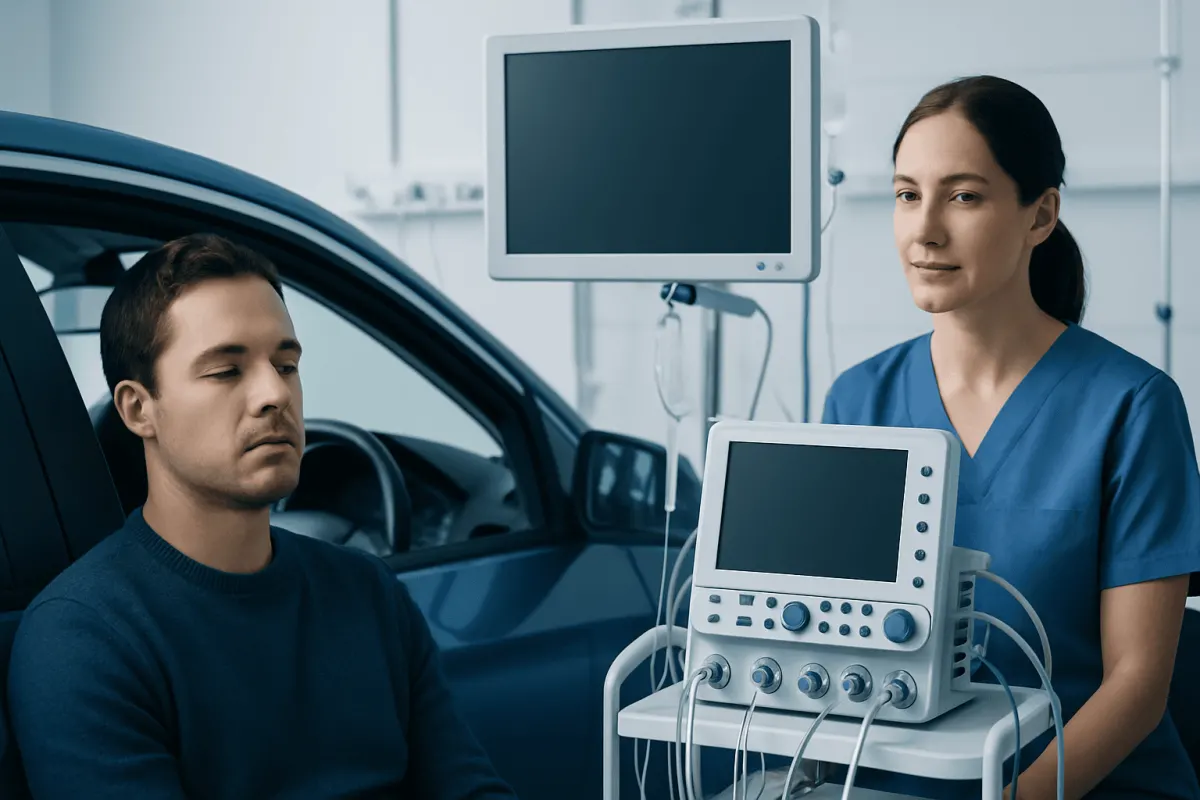
Driving requires sustained attention, quick reaction time, visual scanning, decision-making, and the ability to respond to unexpected events. Narcolepsy may interfere with these skills when sleepiness builds up or when a sudden sleep episode occurs. Some people notice clear warning signs, such as heavy eyelids or frequent yawning, while others may underestimate how sleepy they are.
Cataplexy can also matter for driving. In cataplexy, laughter, surprise, anger, or other emotions may briefly cause weakness in the face, neck, arms, or legs while consciousness is preserved. Severe or poorly controlled cataplexy could make safe vehicle control difficult, especially if it affects the arms, head position, or posture.
Other factors can add to the risk, including poor nighttime sleep, shift work, alcohol, sedating medicines, untreated sleep apnea, depression, anxiety, or long monotonous road conditions. Driving late at night, immediately after a heavy meal, or for long distances without breaks may be particularly challenging for people with daytime sleepiness.
- Common warning signs include drifting within a lane, missing exits, repeated yawning, difficulty keeping the eyes open, and not remembering the last few minutes of the journey.
- If any of these occur, the safest response is to stop in a secure place, avoid continuing while sleepy, and use a planned rest strategy only if it has been agreed with the treating doctor.
Diagnosis and Assessing Fitness to Drive

Diagnosis usually begins with a detailed history of sleep patterns, daytime sleepiness, cataplexy-like symptoms, medications, work schedules, and other medical conditions. Doctors may ask about near-misses, drowsy driving episodes, commuting distance, and whether the person drives for work. This information helps assess real-life risk, not just the diagnosis itself.
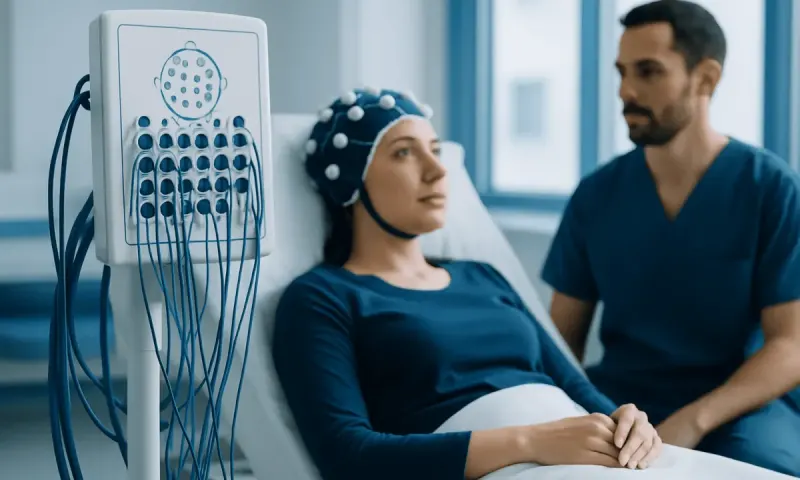
Sleep testing is often needed. Overnight polysomnography records sleep stages, breathing, oxygen levels, movements, and heart rhythm. A multiple sleep latency test the following day measures how quickly a person falls asleep during scheduled nap opportunities and whether rapid eye movement sleep appears unusually early. These tests help distinguish narcolepsy from other causes of sleepiness.
In some situations, a doctor may use additional assessment, such as a maintenance of wakefulness test, to evaluate the ability to stay awake in a quiet setting. This test does not perfectly predict driving safety, but it can provide useful objective information. Specialist services in neurological sleep medicine and neurophysiology testing may support diagnosis and monitoring when narcolepsy or another sleep-wake disorder is suspected.
Treatment Control and Driving Safety
Treatment control means that symptoms are stable enough for daily activities, including driving decisions, to be considered with medical guidance. It usually combines lifestyle planning and medication. The right plan varies from person to person and should be tailored to symptom pattern, work or school demands, other health conditions, and possible medicine side effects.
Behavioral strategies often include a consistent sleep schedule, enough nighttime sleep, short scheduled naps, careful planning of long journeys, and avoiding alcohol or sedating substances before driving. Some people benefit from scheduling important drives during their most alert times of day. Short, predictable routes may be safer than long, monotonous, or night-time drives.
Medicines may be prescribed to improve wakefulness, reduce cataplexy, or improve night-time sleep, depending on the type of narcolepsy and the person’s medical profile. Patients should take medicines exactly as prescribed and discuss side effects such as palpitations, anxiety, dizziness, nausea, or insomnia. Driving should be avoided during medication changes if sleepiness, side effects, or uncertainty about alertness is present.
Follow-up is important because good control is not a one-time decision. A clinician may ask about daytime function, sleep logs, naps, missed doses, side effects, cataplexy frequency, and any drowsy driving events. Dedicated narcolepsy care can help patients and families understand the condition and adapt the treatment plan over time.
Practical Self-Care Before and During Driving
People with narcolepsy are encouraged to build a personal driving safety routine. Before driving, they should consider whether they slept enough, took prescribed medication as directed, feel fully alert, and have a plan for breaks. If the answer to any of these questions is no, postponing the trip or arranging another transport option may be safer.
For longer journeys, planning is especially important. A patient may discuss with their doctor whether scheduled naps before or during travel are appropriate, how often breaks should occur, and whether they should share driving with another licensed adult. The safest plan is individualized; what works for one person may not be enough for another.
- Avoid driving after a night of poor sleep or during the usual sleepiest time of day.
- Do not rely on loud music, open windows, or caffeine alone to overcome sleepiness.
- Stop driving immediately if drowsiness, blurred attention, lane drifting, or repeated yawning occurs.
- Keep medical follow-up appointments and report changes in sleepiness, cataplexy, or medication effects.
- Consider alternative transport for very long trips, night driving, or periods of unstable symptoms.
Family members or close friends can help by noticing changes the patient may not recognize. Supportive feedback about sleepiness, near-misses, or unusual behavior behind the wheel should be discussed with the treating doctor rather than ignored.
Legal and Occupational Considerations
Driving regulations for narcolepsy differ between countries and sometimes between regions within the same country. Some licensing authorities require medical disclosure, periodic review, or evidence that symptoms are adequately controlled. The rules may be stricter for commercial drivers, professional drivers, or people who operate heavy vehicles.
A doctor can provide medical information and advice, but the licensing authority usually makes the formal decision about whether a person may drive and under what conditions. Patients should be honest with healthcare professionals and licensing bodies. This protects safety and may also be important for insurance and employment requirements.
People who drive for work should discuss duties, shift schedules, long-distance routes, and safety-sensitive tasks with their doctor. Workplace adjustments may include more regular schedules, planned breaks, avoiding night shifts, or moving away from driving-intensive responsibilities. These conversations should be practical and confidential, with the aim of maintaining function while reducing risk.
When to See a Doctor
A person should seek medical advice promptly if they experience sudden or worsening daytime sleepiness, fall asleep unintentionally, have episodes of muscle weakness with emotions, or feel unsafe while driving. Medical review is also important after any drowsy driving incident, near-miss, collision, or new difficulty staying awake during routine activities.
Patients already diagnosed with narcolepsy should contact their doctor if treatment seems less effective, if they miss doses frequently, if side effects occur, or if work and driving demands change. A review may also be needed before applying for or renewing a driving license, returning to driving after symptom instability, or starting a job that involves driving.
Specialist care can bring together neurology, sleep medicine, psychiatry when needed, and diagnostic testing. Acıbadem Health Point’s multidisciplinary specialists and JCI-accredited hospitals evaluate and treat sleep-related neurological conditions for international patients, including through services related to neuropsychiatry support when mood, attention, or coping concerns accompany narcolepsy.
Frequently asked questions
01Can a person with narcolepsy drive?
Some people with narcolepsy may be able to drive if their symptoms are well controlled and local licensing rules allow it. The decision should be individualized and made with a qualified doctor, taking into account sleepiness, cataplexy, treatment response, and any history of drowsy driving.
02What makes driving risky for someone with narcolepsy?
The main concern is excessive daytime sleepiness, which can reduce attention and reaction time or lead to unintended sleep. Cataplexy, sedating medicines, poor night sleep, alcohol, long monotonous roads, and untreated sleep apnea can also increase risk.
03Is it safe to drive after taking narcolepsy medication?
Medication can improve wakefulness for many patients, but safety depends on how well it works and whether side effects occur. A person should follow the prescribing doctor's advice and avoid driving during medication changes if they feel sleepy, dizzy, unwell, or unsure of their alertness.
04Can a short nap make driving safe?
A planned short nap may help some people with narcolepsy, but it is not a universal solution and should not be used to push through unsafe sleepiness. Patients should discuss nap timing and travel planning with their doctor, especially before long journeys.
05Should narcolepsy be reported to the driving authority?
Reporting requirements vary by country and region. Many places require people with medical conditions that may affect driving to inform the licensing authority, so patients should check local rules and ask their doctor for guidance.
06What should someone do if they feel sleepy while driving?
They should stop driving as soon as it is safe to do so and park in a secure location. Continuing to drive while sleepy is not advisable; the person should rest, arrange alternative transport, or contact someone for help if needed.
This article is for general information only and is not a substitute for professional medical advice. Please consult a qualified doctor about your individual situation.
Explore treatments in Turkey — costs, top hospitals & a free quote
JCI-accredited · board-certified surgeons · reply within 24h
Add us as a Preferred Source to see more of our trusted health content across Google Search, AI Overviews and Discover.