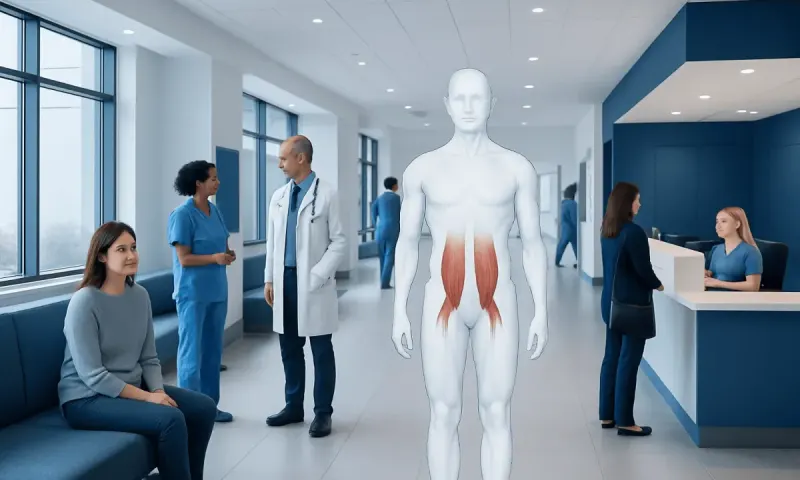
Recognizing an Abdominal Muscle Strain and What Helps It Heal

You reach for a heavy box, twist to set it down, and something in your belly pulls sharply. Or maybe you spent a week fighting a cough, and now the front of your abdomen aches every time you laugh.
That’s usually a strained abdominal muscle: overstretched or torn muscle fibers in the abdominal wall. The pain tends to sit in one spot and gets worse with movement, coughing, laughing, or exercise. The good news is that most mild cases settle down with rest and a gradual return to your usual activity.
Overview: what “muscle strain belly” usually means
Muscle strain belly is a common way patients describe pain caused by a strained abdominal muscle. In most cases, it means one or more muscles in the abdominal wall have been overstretched or partly torn during exercise, lifting, sudden twisting, coughing, or other forceful movement. The pain is typically felt in the front or side of the abdomen rather than deep inside the digestive tract.
Why does this distinction matter? Because abdominal pain can come from many different body systems. A muscle strain usually causes pain that is easier to pinpoint with one finger and tends to worsen when the person tightens the abdominal muscles, changes position, coughs, laughs, or exercises. By contrast, pain from organs inside the abdomen may be more constant, deeper, or associated with symptoms such as fever, nausea, bowel changes, or urinary symptoms.
Most abdominal muscle strains are not dangerous and improve with time, activity modification, and simple supportive care. But not every sore belly muscle is a strain. Hernias, digestive disorders, urinary conditions, and gynecologic causes can feel much the same, so if your symptoms are persistent, severe, or simply odd, have a qualified clinician take a look.
Symptoms and how a belly muscle strain feels
The main symptom of a muscle strain belly is localized pain in the abdominal wall. Some people describe it as a pull, stitch, cramp, twinge, or tearing sensation that began during a specific movement. Others notice soreness the next day after exercise, heavy lifting, intense coughing, or repetitive activity.
The pain often becomes more noticeable when the abdominal muscles are engaged. Getting out of bed, standing up from a chair, rolling over, bending, reaching, twisting, sneezing, laughing, or doing sit-ups may reproduce the discomfort. The area may also feel tender to touch, tight, or mildly swollen.
Depending on the severity of the strain, symptoms can include:
- Sharp pain at the time of injury
- Aching or stiffness afterward
- Muscle spasm or a sense of tightness
- Bruising in some moderate strains
- Pain with coughing, deep breathing, or straining
- Reduced ability to exercise or lift normally
A true strain does not usually cause fever, persistent vomiting, severe abdominal bloating, or fainting. It also does not usually create a new visible bulge in the groin or belly button area. When those features are present, doctors may consider other conditions such as a hernia or an internal abdominal problem.
Causes, common triggers, and risk factors
The abdominal wall is made up of several muscles that help support posture, protect internal organs, and assist with breathing and movement. These muscles can strain when they are loaded beyond their usual capacity or when they contract suddenly. Athletes may develop a strain during sprinting, tennis, rowing, football, or core training, but non-athletes can also develop one while lifting boxes, reaching awkwardly, or even after repeated coughing.
Common triggers include doing too much too soon, poor warm-up, fatigue, weak core muscles, or movements that combine extension and twisting. A strain can also happen when a person returns to activity after a break and the tissues are no longer conditioned for that level of effort. Repetitive overuse sometimes causes smaller microtears that build up into a more noticeable injury.
Risk factors include:
- Sudden increases in exercise intensity or volume
- Heavy lifting with poor body mechanics
- Sports that involve rotation or explosive movement
- Previous abdominal or groin strain
- Persistent coughing or sneezing
- Poor flexibility, weak trunk muscles, or muscle imbalance
- Not allowing enough recovery between workouts
Pain in this region has plenty of possible sources, so your doctor may also look at muscle and tendon problems around the pelvis and groin, including sportsman’s groin. That’s especially true when the symptoms started with sport and sit low in the abdomen or groin.
How doctors diagnose muscle strain belly
Diagnosis begins with the story of how the pain started. A doctor will usually ask whether there was a clear injury, which movements make the pain worse, and whether there are other symptoms such as nausea, bowel changes, fever, urinary discomfort, or a visible swelling. This history helps separate likely abdominal wall pain from pain that may be coming from the digestive, urinary, or reproductive organs.
The physical examination often focuses on tenderness, swelling, bruising, and pain with muscle contraction. A patient may be asked to gently tense the abdominal muscles by lifting the head or legs while lying down. Pain that increases when the abdominal wall is tightened can support the diagnosis of a muscle strain, although it is not the only possible explanation.
Imaging is not always needed for a mild, straightforward strain. However, ultrasound, X-ray, or cross-sectional imaging may be used when symptoms are severe, recovery is delayed, trauma occurred, or the doctor needs to rule out another diagnosis. In selected cases, MRI imaging can help assess soft tissue injury, while ultrasonography may help identify a muscle tear, fluid collection, or hernia.
Diagnosis isn’t only about confirming a strain. It’s also about catching anything that needs a different treatment. That’s why guessing on your own isn’t always reliable, particularly when the pain is intense, persistent, or comes with symptoms elsewhere in the body.
Treatment options and expected recovery
Most cases of muscle strain belly are treated conservatively. Early care usually focuses on relative rest, meaning the person reduces painful activities without becoming completely inactive for long periods. Short-term use of ice in the first day or two may help some people with pain or swelling, and later gentle heat may feel soothing once the acute phase has passed.
As symptoms settle, gradual movement is important. Prolonged bed rest can increase stiffness and delay return to normal activity. Gentle walking, comfortable stretching, and a stepwise return to daily tasks are often advised, provided they do not significantly increase pain. Over-the-counter pain relief may be appropriate for some adults, but it should be used according to label directions and with medical advice when needed, especially for people with stomach, kidney, bleeding, or heart concerns.
For moderate strains, a clinician may recommend a structured recovery plan that includes posture work, mobility exercises, and progressive core strengthening. When symptoms are limiting or recurrent, physical therapy and rehabilitation can help improve movement patterns and reduce the chance of reinjury.
Recovery time varies. Mild strains may improve in days to a few weeks, while more significant tears can take longer. Returning too quickly to heavy lifting, intense abdominal exercise, or sport can cause symptoms to flare again. A safe return usually means daily activities are comfortable, tenderness is improving, and the person can move, cough, and brace the abdomen without significant pain.
Self-care at home and prevention
Home care is often effective when symptoms are mild and clearly linked to muscle overuse or a brief injury. Rest from painful movements, avoid heavy lifting for a short period, and reintroduce activity gradually rather than all at once. Supporting the abdomen with a pillow during coughing or sneezing may make movement more comfortable in the early stage.
Simple prevention strategies can reduce future strains. A warm-up before exercise helps prepare muscles for loading, while regular conditioning supports better control of the trunk and pelvis. Building strength slowly is usually safer than rapidly increasing repetitions, resistance, or training frequency.
Helpful habits include:
- Warm up before sports or core workouts
- Use proper lifting technique and avoid twisting under load
- Increase training intensity gradually
- Allow recovery between hard sessions
- Maintain flexibility and balanced core strength
- Address chronic cough, constipation, or other causes of repeated straining
If the pain keeps coming back, it’s worth getting checked for contributing problems such as biomechanical issues, deconditioning, or a diagnosis that was missed. Sometimes what looks like a muscle strain turns out to be another abdominal wall or groin condition.
When to seek medical care
Medical assessment is advisable if pain is severe, starts after a fall or direct blow, or does not improve as expected within several days to a few weeks. A clinician should also assess a new lump or bulge in the abdomen or groin, because that may suggest a hernia rather than a simple strain.
Urgent medical care is important if belly pain is accompanied by fever, persistent vomiting, fainting, chest pain, shortness of breath, blood in stool or urine, inability to pass stool or gas, or marked abdominal swelling. These features are not typical of an uncomplicated muscle strain and may point to a more serious condition.
People who are pregnant, older adults, and those with significant medical conditions may benefit from earlier evaluation because abdominal pain can be harder to interpret in these situations. If you’re not sure whether your pain is muscular, ask a professional rather than assuming it’s a strain.
For international patients who need further evaluation, Acıbadem Health Point’s multidisciplinary specialists and JCI-accredited hospitals diagnose and treat abdominal wall, musculoskeletal, and related conditions with individualized care plans.
Frequently asked questions
01Can a muscle strain belly feel like stomach pain?
Yes. Patients often describe abdominal wall pain as “stomach pain,” even though the problem is in the muscle rather than the digestive organs. A strain is more likely when pain is localized and worsens with movement, coughing, or tightening the abdomen.
02How long does a pulled stomach muscle take to heal?
Recovery depends on how severe the strain is. Mild strains may improve within days to a few weeks, while more significant tears can take several weeks or longer. Symptoms that are not steadily improving should be reviewed by a doctor.
03Is exercise safe with a belly muscle strain?
Light movement is often helpful, but painful activities should be reduced. High-intensity exercise, heavy lifting, and abdominal workouts usually need to be paused until pain improves. A gradual return is generally safer than restarting full activity at once.
04What is the difference between a muscle strain belly and a hernia?
A muscle strain is an injury to the abdominal wall muscle fibers, while a hernia happens when tissue pushes through a weak spot in the abdominal wall. A hernia may cause a noticeable bulge and discomfort with straining, though not every hernia is painful. Because the symptoms can overlap, a medical exam may be needed.
05Should ice or heat be used for abdominal muscle strain?
Many clinicians suggest ice during the first day or two after a fresh injury to help with pain and swelling. Later, gentle heat may feel more comfortable for stiffness or muscle tightness. Either approach should be used carefully and stopped if it worsens symptoms.
06When is belly pain unlikely to be just a muscle strain?
Pain is less likely to be a simple strain when it is associated with fever, repeated vomiting, a hard swollen abdomen, trouble passing stool or gas, a new bulge, or symptoms unrelated to movement. Severe pain after trauma or pain that wakes a person from sleep repeatedly also deserves medical assessment.
This article is for general information only and is not a substitute for professional medical advice. Please consult a qualified doctor about your individual situation.
Persistent digestive symptoms? Get evaluated in Turkey
JCI-accredited · board-certified surgeons · reply within 24h
Add us as a Preferred Source to see more of our trusted health content across Google Search, AI Overviews and Discover.