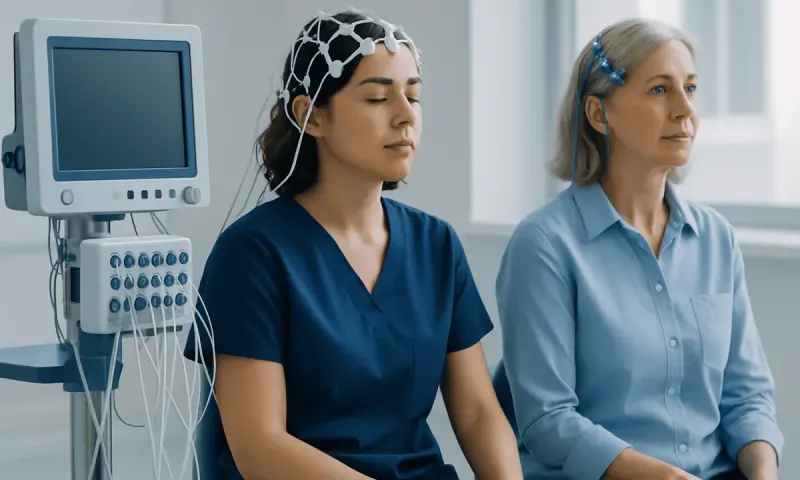
Multiple Sclerosis and Mononeuropathy: Key Differences
Multiple sclerosis mononeuropathy is not usually a single formal diagnosis. It commonly refers to focal numbness, pain, weakness, or tingling in a person with multiple sclerosis (MS), where clinicians must determine whether symptoms arise from MS in the central nervous system or from a separate peripheral nerve problem.
Overview: What Does Multiple Sclerosis Mononeuropathy Mean?
Multiple sclerosis mononeuropathy is a phrase sometimes used when a person with multiple sclerosis (MS) develops symptoms that seem limited to one nerve, such as tingling in part of a hand, weakness lifting one foot, facial numbness, or burning pain along a limb. It is important to know that MS and mononeuropathy involve different parts of the nervous system. MS is an immune-mediated condition affecting myelin in the brain, spinal cord, and optic nerves, collectively called the central nervous system.
Mononeuropathy means dysfunction of one peripheral nerve, which is a nerve outside the brain and spinal cord. A compressed median nerve at the wrist (carpal tunnel syndrome), ulnar nerve irritation at the elbow, or peroneal nerve compression near the knee are examples. These conditions can occur in anyone, including people who have MS, and their symptoms may resemble an MS relapse.
For this reason, a new localized nerve symptom should be assessed rather than assumed to be caused by MS. The distinction matters because the investigations, treatment choices, and expected recovery can differ. A neurologist can consider the symptom pattern alongside the person’s MS history, examination findings, and test results.
How Symptoms May Differ
MS symptoms arise from lesions in the central nervous system. They may include blurred or reduced vision, imbalance, limb stiffness, widespread sensory changes, fatigue, bladder changes, or weakness. Symptoms can develop over hours to days and may involve several functions at once, depending on the affected area of the brain or spinal cord. However, MS can also cause symptoms that feel localized, which is why clinical assessment is essential.
Peripheral mononeuropathy more often follows the territory of a particular nerve. For example, median nerve compression may cause nighttime tingling or numbness in the thumb, index, middle, and part of the ring finger. Ulnar nerve problems can affect the little finger and part of the ring finger. A peroneal nerve problem may cause weakness when lifting the front of the foot, sometimes called foot drop.
Symptoms of either condition can include numbness, pins and needles, pain, weakness, clumsiness, or altered sensation. Features such as symptoms related to posture, repeated pressure on a limb, or a highly specific distribution can suggest peripheral nerve involvement. Still, symptoms alone cannot reliably establish the cause, particularly in a person with known MS.
- Symptoms that worsen with wrist, elbow, neck, or leg positioning may point toward nerve compression.
- New visual symptoms, significant balance difficulty, or bladder changes may suggest central nervous system involvement.
- Fever, infection, overheating, and severe fatigue can temporarily worsen existing MS symptoms without representing a new relapse.
Why Focal Nerve Symptoms Can Occur

There are several possible explanations for focal neurological symptoms in someone with MS. One is an MS relapse: new inflammation or demyelination in the brain or spinal cord can affect pathways that control sensation or movement. A relapse is generally defined as new or worsening neurological symptoms lasting at least 24 hours, without fever or infection, and occurring after a period of stability.
A second possibility is a separate peripheral nerve condition. Common causes include nerve compression, repetitive movements, prolonged leaning on an elbow, injury, diabetes, thyroid disease, vitamin deficiencies, alcohol-related nerve damage, some medications, and inflammatory or autoimmune disorders. Peripheral nerve disorders are not automatically caused by MS, although a person can have both conditions.
Occasionally, symptoms may instead come from a nerve root in the spine, such as cervical or lumbar radiculopathy. Disc changes, arthritis, or narrowing around spinal nerves can produce pain, sensory changes, or weakness in a limb. Careful evaluation can help distinguish a nerve root problem from mononeuropathy or an MS-related lesion.
Understanding the broader condition can also be helpful. Multiple sclerosis has variable patterns and symptoms, so care plans are individualized according to disease activity, current concerns, and the person’s daily functioning.
Diagnosis: Separating MS Activity From Mononeuropathy
Diagnosis starts with a detailed history and neurological examination. The clinician may ask when symptoms began, whether they developed suddenly or gradually, whether they fluctuate with position or activity, and whether there has been recent illness, injury, medication change, or exposure to pressure on the affected area. They will assess strength, reflexes, coordination, walking, sensation, and signs that help localize the problem to the central or peripheral nervous system.
MRI of the brain and spinal cord may be appropriate if an MS relapse or another central cause is suspected. MRI can show new or active lesions, but results are interpreted in the context of symptoms and examination findings. Not every new symptom requires immediate MRI, and not every MRI change explains a person’s current symptoms.
Nerve conduction studies and electromyography (EMG) may be recommended when peripheral nerve dysfunction is likely. These tests evaluate how well electrical signals travel through nerves and how muscles respond. They can help identify nerve compression, estimate severity, and distinguish mononeuropathy from some nerve root or generalized peripheral nerve conditions.
Blood tests may be used selectively to investigate contributing conditions, such as glucose abnormalities, thyroid disease, vitamin deficiency, inflammation, or infection. A prompt and accurate diagnosis helps avoid unnecessary treatment and supports the most appropriate plan for recovery and long-term symptom management.
Modern Treatment Approaches
Treatment is guided by the cause, severity, and impact of symptoms. If evaluation suggests an MS relapse that is significantly affecting function, a neurologist may discuss corticosteroid treatment to shorten the duration of the relapse. Steroids are not appropriate for every symptom change and do not replace long-term MS disease-modifying treatment when that is indicated.
Long-term management of relapsing forms of MS may include disease-modifying therapies that reduce inflammatory disease activity. The choice depends on the MS type, prior activity, imaging results, other health conditions, pregnancy plans where relevant, and personal preferences. Regular follow-up helps clinicians review treatment effectiveness and safety.
For a peripheral mononeuropathy, care may include reducing pressure or repetitive strain, splinting when appropriate, ergonomic adjustments, physical or occupational therapy, and treatment of contributing health conditions. Medicines for neuropathic pain may be considered by a clinician when pain is persistent or disruptive. Severe or progressive nerve compression may require referral to a specialist for additional options.
Rehabilitation can be valuable whether symptoms are caused by MS, peripheral nerve injury, or both. Physical therapy and rehabilitation can support mobility, strength, balance, fatigue management, and safe return to daily activities. A personalized program should avoid overexertion while encouraging consistent, achievable activity.
Outlook, Prevention, and Everyday Self-Care
The outlook depends on the underlying cause. Many pressure-related mononeuropathies improve when the source of compression is addressed early, although nerve recovery can take weeks or months. Recovery from an MS relapse also varies. Some people recover fully, while others have symptoms that improve gradually or leave a degree of persistent change.
Although MS cannot currently be prevented, people can work with their healthcare team to reduce avoidable contributors to symptom worsening. Taking prescribed medications as directed, attending follow-up appointments, managing infections promptly, protecting sleep, avoiding smoking, and maintaining regular movement within personal limits can support overall health. Heat sensitivity may temporarily intensify symptoms for some people with MS, so cooling strategies can be useful.
To lower the risk of pressure-related nerve problems, it may help to avoid prolonged leaning on elbows, repeated wrist bending, tight straps, or sitting with pressure behind the knee. Workstation adjustments, regular movement breaks, and attention to posture can be practical measures. Diabetes, thyroid conditions, nutritional concerns, and alcohol use should be discussed with a clinician because they can affect nerve health.
Emotional wellbeing also matters. New neurological symptoms can be unsettling, especially for someone living with MS. Clear communication with the care team, reliable information, and appropriate support from family, rehabilitation professionals, or counseling services can help people make informed decisions and maintain daily independence.
When to Seek Medical Care
New numbness, weakness, pain, vision changes, or coordination difficulty should be reported to a healthcare professional, particularly if symptoms last more than 24 hours, are getting worse, or interfere with walking, work, sleep, or self-care. Contacting the MS care team promptly can help determine whether symptoms could represent a relapse, infection-related worsening, medication effect, peripheral nerve disorder, or another condition.
Urgent medical assessment is needed for sudden one-sided weakness or numbness, facial drooping, difficulty speaking, a sudden severe headache, new confusion, chest pain, fainting, or sudden major loss of vision. These symptoms may have causes other than MS and should not be managed by waiting for a routine appointment.
A person with severe pain, rapidly progressing weakness, loss of bladder or bowel control, or new difficulty breathing should also seek urgent care. Clinicians can assess for conditions requiring prompt treatment, including spinal cord compression, serious infection, or stroke.
Acıbadem Health Point’s multidisciplinary specialists and JCI-accredited hospitals assess and treat neurological conditions for international patients, coordinating neurology, imaging, neurophysiology, rehabilitation, and other services when needed.
Frequently asked questions
01Is mononeuropathy a type of multiple sclerosis?
No. Mononeuropathy is dysfunction of one peripheral nerve, while multiple sclerosis affects the central nervous system, including the brain and spinal cord. A person may have both MS and a separate mononeuropathy, so new focal symptoms should be evaluated carefully.
02Can MS cause numbness in only one hand or foot?
Yes, MS can sometimes cause localized sensory symptoms, depending on where a lesion occurs in the central nervous system. However, numbness in a specific nerve pattern may also be due to carpal tunnel syndrome, ulnar nerve compression, a spinal nerve problem, or another cause.
03How is mononeuropathy diagnosed in a person with MS?
A clinician combines the medical history with a neurological examination and may order MRI if central nervous system activity is suspected. Nerve conduction studies and EMG are often useful when a peripheral nerve condition is suspected, and blood tests may identify contributing medical conditions.
04Does a new nerve symptom always mean an MS relapse?
No. Infection, fever, heat exposure, fatigue, medication effects, nerve compression, and other medical problems can cause or worsen neurological symptoms. New symptoms lasting more than 24 hours should be discussed with an MS clinician, especially when there is no clear temporary trigger.
05Can carpal tunnel syndrome occur in people with MS?
Yes. Carpal tunnel syndrome is common in the general population and can occur independently in people with MS. Symptoms often include tingling, numbness, pain, or weakness in the hand, particularly at night or with repeated wrist use.
06What treatments may help focal nerve pain or tingling?
Treatment depends on the cause. Options may include reducing pressure on a nerve, splinting, physiotherapy, management of an MS relapse when confirmed, and clinician-prescribed medicines for neuropathic pain. A tailored assessment is important because the same symptom can have different causes.
This article is for general information only and is not a substitute for professional medical advice. Please consult a qualified doctor about your individual situation.
Joint and spine care in Turkey — expert assessment & treatment
JCI-accredited · board-certified surgeons · reply within 24h
Add us as a Preferred Source to see more of our trusted health content across Google Search, AI Overviews and Discover.