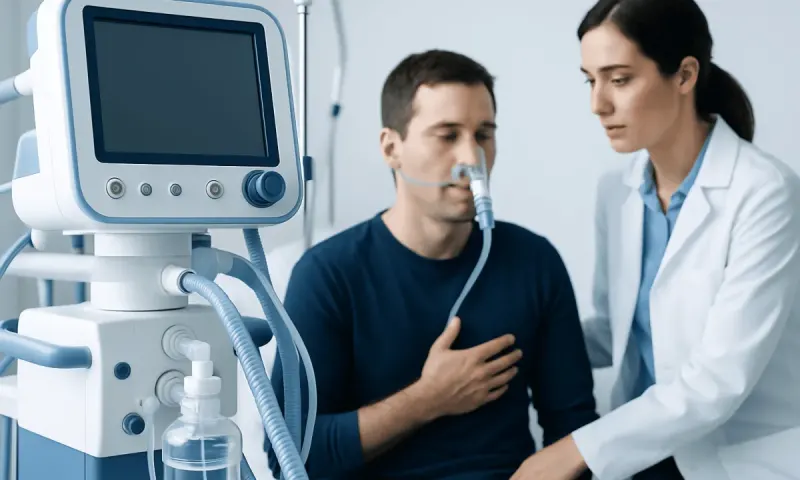
Multifocal Pneumonia: Infection in Multiple Lung Areas
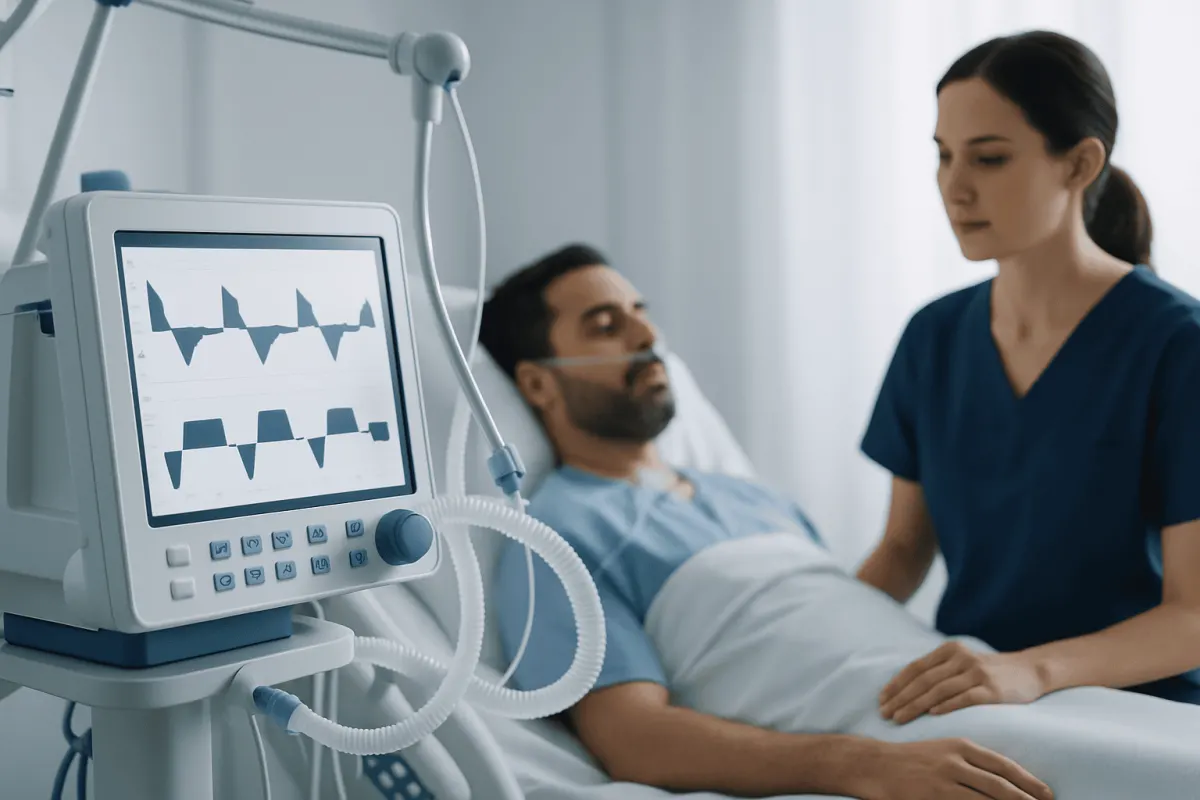
Multifocal pneumonia is pneumonia seen in two or more areas of one or both lungs. It can range from mild to serious, depending on the cause, the extent of lung involvement, and a person’s age and overall health, so prompt medical evaluation is important.
Overview: What Is Multifocal Pneumonia?
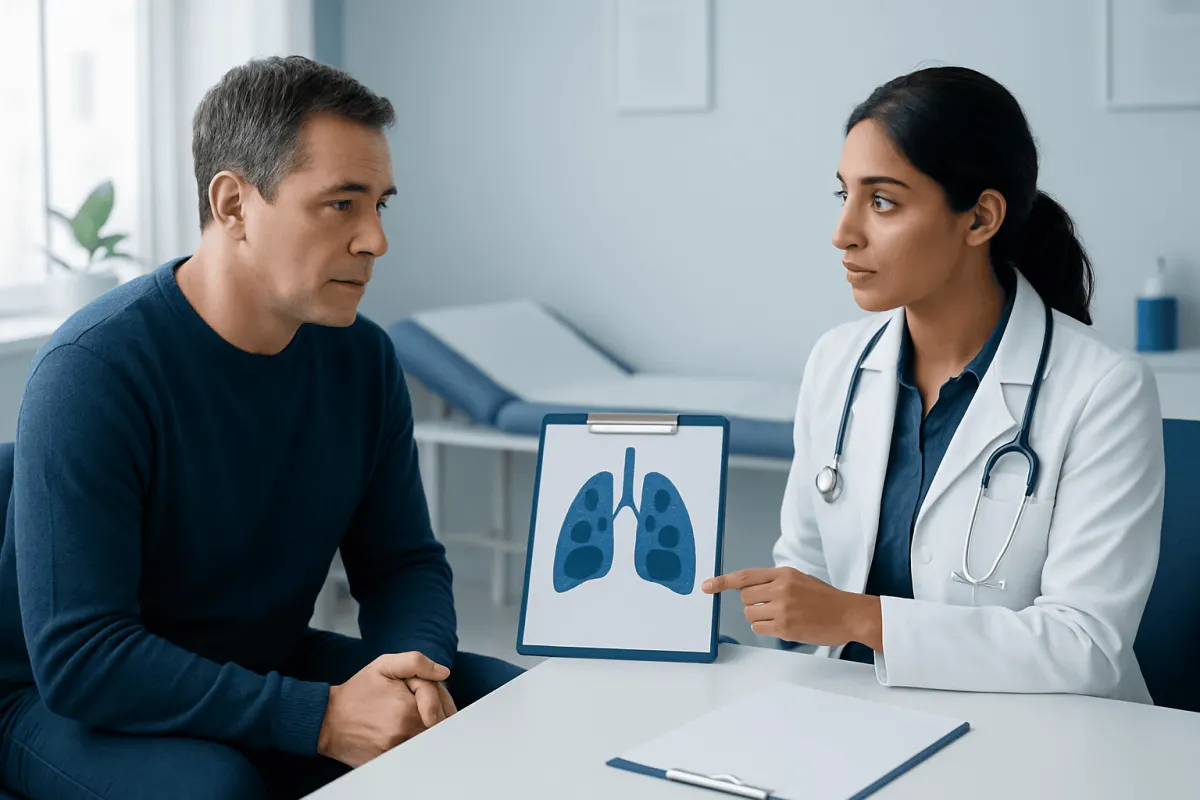
Multifocal pneumonia is an infection and inflammation affecting more than one area, or lobe, of the lungs. Imaging such as a chest X-ray or CT scan may show patches of inflammation in several locations. These patches are often called infiltrates or consolidations. They can occur in one lung or in both lungs.
Pneumonia develops when tiny air sacs in the lungs, called alveoli, become inflamed and may fill with fluid, mucus, or pus. This can reduce the amount of oxygen that passes from the lungs into the bloodstream. The term “multifocal” describes the distribution of changes in the lungs; it does not by itself identify the cause or determine how severe the illness will be.
Some people recover with care at home, while others need treatment in hospital. Severity depends on breathing and oxygen levels, the infectious cause, how quickly symptoms progress, and health factors such as age, pregnancy, immune suppression, heart disease, lung disease, diabetes, or kidney disease. A clinician can assess these factors and recommend the safest setting for care.
Symptoms and Possible Warning Signs
Symptoms may begin suddenly or develop over several days. Cough is common and may produce mucus, although some people have a dry cough. Fever, chills, fatigue, sweating, body aches, reduced appetite, headache, and feeling generally unwell can also occur. Viral infections may cause sore throat, runny nose, or wheezing before or alongside chest symptoms.
Because more than one part of the lungs is affected, multifocal pneumonia can cause breathlessness with activity or even at rest. Other symptoms can include fast breathing, chest discomfort that worsens with deep breaths or coughing, and a rapid heartbeat. Older adults may have less obvious fever and may instead develop new weakness, reduced alertness, or confusion.
Urgent assessment is needed for severe or worsening shortness of breath, persistent chest pain, blue or grey lips or face, confusion, fainting, inability to keep fluids down, or signs of dehydration. Parents and caregivers should seek prompt medical advice for infants and children with labored breathing, poor feeding, unusual sleepiness, or a blue colour around the lips.
- New or worsening difficulty breathing
- High fever or fever that does not improve as expected
- Confusion, severe drowsiness, or a marked decline in general condition
- Low oxygen levels if measured with a home pulse oximeter
Causes and Risk Factors
Multifocal pneumonia can be caused by bacteria, viruses, and, less commonly, fungi. Common bacterial causes include Streptococcus pneumoniae and other bacteria that may be acquired in the community or in healthcare settings. Respiratory viruses, including influenza and SARS-CoV-2, can also cause pneumonia or make a bacterial infection more likely. The likely cause may vary according to a person’s age, recent illnesses, travel, exposures, and immune status.
Aspiration pneumonia is another possible cause. It occurs when food, liquid, saliva, or stomach contents enter the airways and lungs rather than being swallowed safely. Aspiration risk is higher in people with swallowing difficulties, reduced consciousness, certain neurological conditions, heavy alcohol use, or repeated vomiting.
Anyone can develop pneumonia, but the chance of serious illness is higher for infants, adults aged 65 and over, pregnant people, and those with chronic lung or heart conditions. Smoking, vaping, poor nutrition, weakened immunity, uncontrolled diabetes, kidney or liver disease, and recent hospitalization can increase risk. Having risk factors does not mean a person will develop severe pneumonia, but it supports early assessment when symptoms arise.
How Multifocal Pneumonia Is Diagnosed
A doctor will ask about symptoms, their timing, recent respiratory illnesses, medication use, medical conditions, travel, and possible exposures. They will listen to the lungs and assess breathing rate, heart rate, temperature, blood pressure, hydration, and oxygen level. Crackles, reduced breath sounds, or increased work of breathing may be found, but examination alone cannot reliably show how many areas of the lungs are involved.
A chest X-ray is commonly used to confirm pneumonia and identify whether changes occur in several parts of the lungs. A CT scan may be considered when the diagnosis is uncertain, complications are suspected, or more detailed imaging is needed. Imaging findings must be interpreted together with symptoms and examination because noninfectious lung conditions can sometimes resemble pneumonia.
Depending on the situation, tests may include blood tests, a sample of mucus from the lungs, viral testing from a nasal or throat swab, and blood cultures for people who are significantly unwell. These investigations can help identify the cause, assess inflammation and organ function, and guide treatment. In hospital, repeat oxygen measurements and follow-up imaging may be used to monitor recovery or investigate persistent symptoms.
Treatment Options and Supportive Care
Treatment is based on the suspected cause, severity, and a person’s individual health needs. When bacterial pneumonia is likely, clinicians may prescribe antibiotics. The choice may be adjusted if test results identify a particular organism or if symptoms do not improve as expected. Antibiotics do not treat viral pneumonia, although they may be used if a bacterial infection is suspected at the same time.
Supportive care is important for all forms of pneumonia. It may include rest, adequate fluids when safe for the individual, fever or pain relief recommended by a clinician or pharmacist, and avoiding smoking and alcohol. People should take prescribed medicines exactly as directed and should not share, save, or stop antibiotics early without discussing this with their healthcare professional.
Hospital care may be needed when oxygen levels are low, breathing is difficult, dehydration is present, complications are suspected, or there are significant underlying health conditions. Treatment in hospital can include oxygen therapy, intravenous fluids or medicines, monitoring, respiratory support, and treatment of the underlying infection. Recovery can take weeks, and tiredness or cough may continue after the infection itself has improved.
At Acıbadem Health Point, multidisciplinary specialists and JCI-accredited hospitals assess and treat pneumonia and related respiratory complications for international patients when hospital-based care is appropriate.
Prevention and Self-Care During Recovery
Vaccination is one of the most effective ways to reduce the risk of some causes of pneumonia. Recommended vaccines may include influenza, pneumococcal, COVID-19, and other routine vaccines based on age, medical history, local guidance, and travel plans. A doctor can advise which vaccines are suitable for an individual.
Everyday measures also help lower the spread of respiratory infections. These include regular handwashing, covering coughs and sneezes, improving ventilation in shared spaces, and staying away from others when acutely unwell where possible. Avoiding smoking and secondhand smoke supports lung health and may reduce the risk of respiratory infections and complications.
During recovery, people should pace activity and gradually return to normal routines as breathing and energy improve. Drinking enough fluids, eating regular nourishing meals, and attending follow-up appointments can support recovery. Those with chronic conditions should continue their usual care plan unless a clinician advises otherwise. A follow-up chest X-ray may be recommended for selected people, particularly when symptoms persist or risk factors are present.
When to See a Doctor
Anyone with a cough, fever, chest discomfort, or breathlessness that is persistent, worsening, or affecting daily activity should contact a healthcare professional. Early review is especially important for older adults, young children, pregnant people, people with weakened immune systems, and those living with chronic heart, lung, kidney, or metabolic conditions.
Emergency care is appropriate for severe breathing difficulty, a blue or grey colour of the lips or face, severe chest pain, new confusion, fainting, coughing up significant amounts of blood, or inability to remain awake. These symptoms can indicate that the body is not receiving enough oxygen or that the infection or another condition needs urgent treatment.
People who have started treatment should seek medical advice if symptoms worsen, fever continues, breathing becomes more difficult, new confusion develops, or they cannot take prescribed medication or fluids. Improvement may be gradual, but a clinician should reassess symptoms that are not moving in the expected direction.
Frequently asked questions
01Is multifocal pneumonia more serious than regular pneumonia?
Multifocal pneumonia means that more than one area of the lungs is affected. It may be more likely to affect breathing than a small, localized infection, but severity varies widely. A clinician assesses oxygen levels, symptoms, imaging, medical history, and the cause to determine the level of care needed.
02Can multifocal pneumonia be treated at home?
Some people with mild, stable pneumonia can be treated at home with prescribed medication and supportive care. Others need hospital treatment because of low oxygen, significant breathing difficulty, dehydration, complications, or health conditions that increase risk. The decision should be made by a qualified healthcare professional.
03Is multifocal pneumonia contagious?
The pneumonia itself describes inflammation in the lungs, while contagiousness depends on the cause. Viral and some bacterial respiratory infections can spread from person to person, especially through respiratory droplets and close contact. Good hand hygiene, cough etiquette, ventilation, and following medical advice can help reduce transmission.
04How long does it take to recover from multifocal pneumonia?
Fever and acute symptoms may begin improving within days after appropriate treatment, but cough, reduced stamina, and tiredness can last for several weeks. Recovery time depends on the cause, severity, age, and underlying health conditions. Follow-up is important if symptoms do not improve or return after initial improvement.
05Can a chest X-ray show multifocal pneumonia?
Yes. A chest X-ray can often show areas of inflammation in more than one part of the lungs and is commonly used to support the diagnosis. In some situations, a CT scan provides more detailed information, particularly if complications or another lung condition are being considered.
06What complications can multifocal pneumonia cause?
Potential complications include low blood oxygen, fluid around the lungs, worsening of existing heart or lung disease, and, in severe cases, bloodstream infection or respiratory failure. Most people do not develop these complications, especially with timely assessment and treatment. However, worsening breathing, confusion, chest pain, or marked weakness should be evaluated urgently.
This article is for general information only and is not a substitute for professional medical advice. Please consult a qualified doctor about your individual situation.
Heart care in Turkey — expert evaluation and treatment
JCI-accredited · board-certified surgeons · reply within 24h
Add us as a Preferred Source to see more of our trusted health content across Google Search, AI Overviews and Discover.