Most Painful Places to Get a Tattoo: Causes, Relief and When to Worry

Key Takeaways
- Tattoo pain is usually strongest over bone, near joints, and in areas with thinner skin or denser nerves.
- Pain experience varies by person, design size, needle time, stress level, sleep, and hydration.
- Simple preparation steps can make a session easier: rest well, eat beforehand, hydrate, and avoid alcohol.
- Aftercare matters as much as placement, because irritated skin can become infected or heal poorly.
- Normal soreness should gradually improve; worsening redness, warmth, pus, or fever needs medical attention.
The most painful places to get a tattoo are usually areas with thin skin, lots of nerves, little fat, or bone close to the surface, such as ribs, feet, ankles, elbows, and spine. Pain is normal during tattooing, but unusual swelling, spreading redness, fever, or drainage should be checked by a clinician.
Overview
When people ask about the most painful places to get a tattoo, the short answer is usually the areas where skin is thin, nerves are more exposed, and there is little soft tissue between the needle and bone. Ribs, feet, ankles, elbows, knees, spine, hands, and certain parts of the chest or groin are often described as more uncomfortable than fuller areas such as the upper arm or outer thigh.
That said, tattoo pain is not a fixed rule. Two people can sit through the same design and describe the experience very differently. Sensitivity, anxiety, fatigue, the length of the session, and even the steadiness of the artist’s technique can all shape how intense the pain feels.
For anyone planning a tattoo, especially someone traveling for care or combining a tattoo visit with a medical procedure abroad, it helps to think about pain in practical terms: where the skin is most vulnerable, how long the session will last, and how healing will be managed afterward. Understanding those factors makes the process feel more predictable and easier to prepare for.
Symptoms
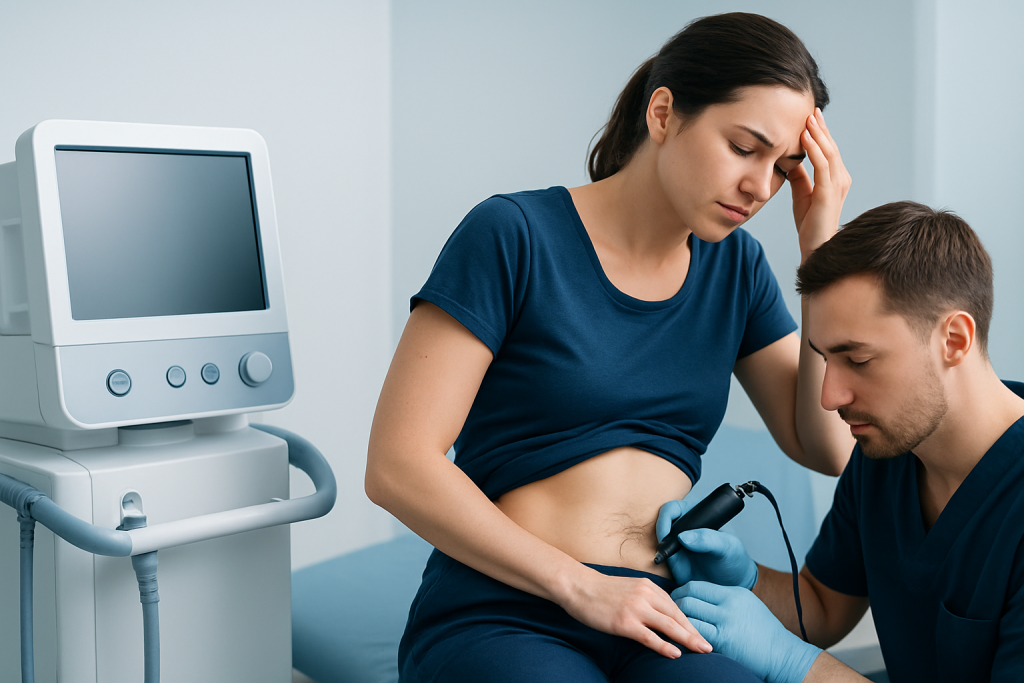
During tattooing, the expected sensation is a sharp, scratching, or burning discomfort that may rise and fall as the artist moves across different parts of the body. Areas near bone may feel more intense, and some people notice vibration, tenderness, or a stinging feeling that becomes harder to tolerate over time.
After the session, normal reactions usually include redness, mild swelling, warmth, and tenderness. The skin may feel tight or sore for a few days, then begin to itch or peel as it heals. These changes are generally part of the body’s normal repair process.
It is useful to distinguish ordinary tattoo discomfort from warning signs. Pain that steadily worsens instead of improving, redness that spreads, discharge with an unpleasant smell, or fever are not typical healing symptoms and deserve medical review.
Causes & Risk Factors

The main reason some tattoo spots hurt more is anatomy. Areas with less fat cushioning, thinner skin, or skin stretched directly over bone tend to be more sensitive because the needle’s tapping is felt more sharply. Nerve-rich zones can also create a stronger pain response.
Commonly cited painful locations include:
- Ribs and sternum
- Spine
- Elbows and knees
- Ankles, shins, and feet
- Hands, fingers, and wrists
- Groin, inner thighs, and armpits
Several personal factors can increase discomfort. Poor sleep, dehydration, skipping meals, stress, low pain tolerance, and a long session with little break time can all make a tattoo feel harder to tolerate. People with sensitive skin, recent sunburn, or an active skin condition in the area may also find the experience more uncomfortable.
Diagnosis
There is no medical test to diagnose tattoo pain, because it is a subjective experience. In practice, the question is not whether tattooing hurts, but which factors make pain more likely in a particular person and how to reduce avoidable strain.
A tattoo artist usually assesses the area, design size, and expected duration before starting. If a person has a history of fainting, anxiety, keloid scarring, bleeding problems, eczema, or allergic reactions to inks or dressings, it is sensible to discuss those issues in advance with both the artist and a doctor when needed.
For people planning tattoo work while traveling, a medical consultation can also help clarify whether a skin problem, medication, or recent procedure could affect healing. This is especially helpful when the tattoo is large, placed in a delicate area, or scheduled close to other treatments.
Treatment Options
Managing tattoo pain usually starts with simple, safe measures. Eating a light meal before the appointment, staying hydrated, sleeping well the night before, and arriving calm rather than rushed can make the body less reactive to discomfort. Taking breaks during longer sessions also helps many people cope better.
People often ask about numbing creams or gels. Some are used in tattoo studios, but not all products are appropriate for every person or every placement. A tattoo artist should be informed before anything is applied, and a clinician should be consulted if there is a history of sensitive skin, allergy, or medical skin disease.
For healing discomfort after the tattoo, general aftercare usually includes keeping the area clean, following the artist’s instructions, avoiding soaking or friction, and protecting the skin from sun exposure. If pain seems unusually strong, a doctor may need to rule out infection, allergic reaction, or another complication rather than simply treating it as routine soreness.
Prevention & Self-care
There is no way to remove tattoo pain completely, but it can often be kept more manageable with preparation. Choosing a less sensitive placement, if the design allows, is one of the most practical ways to reduce discomfort. Many people tolerate outer arm, shoulder, or outer thigh placement more easily than bone-heavy or nerve-dense sites.
Helpful steps before the appointment include:
- Eat a balanced meal beforehand
- Drink enough water through the day
- Avoid alcohol before the session
- Wear comfortable clothing that gives access to the area
- Plan a time when sleep and stress are under control
After the session, follow the studio’s aftercare instructions closely. Keep the skin clean, avoid picking or scratching, and watch for changes that are not part of normal healing. If the tattoo is being done while someone is traveling internationally, it is wise to know in advance where follow-up care would be available if the skin reacts unexpectedly.
When to See a Doctor
Medical review is sensible if tattoo pain becomes severe instead of gradually improving, or if the skin develops spreading redness, increasing warmth, swelling, pus, blistering, or a fever. These may indicate infection or another issue that should be assessed promptly.
It is also worth seeking advice if a person has a strong rash, itching beyond the tattoo line, trouble breathing, or swelling of the face or lips after ink or adhesive exposure, as these can suggest an allergic reaction. People with diabetes, immune suppression, bleeding disorders, eczema, or a history of poor wound healing should be especially attentive to changes in the skin.
For international patients, timely evaluation matters because follow-up may be more complicated once they return home. In some cases, Acibadem Health Point’s multidisciplinary specialists and JCI-accredited hospitals can help diagnose and treat tattoo-related skin complications for international patients. A qualified doctor can determine whether symptoms are part of normal healing or need treatment.
Frequently asked questions
01What are the most painful places to get a tattoo?
Ribs, spine, feet, ankles, elbows, knees, hands, fingers, and areas such as the groin or armpits are often reported as more painful. These spots usually have thinner skin, less cushioning, or more nerves close to the surface. Individual experience can still vary a lot.
02Why do tattoos hurt more in some places than others?
Pain is usually stronger where the needle is closer to bone or where there is less fat to cushion the skin. Nerve density and skin thickness also matter. Longer sessions can make the area feel more sensitive as time goes on.
03Is tattoo pain different for everyone?
Yes. Some people are more sensitive to pain, while others tolerate it well. Sleep, stress, hydration, illness, and the size of the design can all change how the session feels.
04What can help reduce tattoo pain before the appointment?
Resting well, eating beforehand, drinking water, and avoiding alcohol can make a difference. It also helps to choose a time when the person is not rushed or already exhausted. For some placements, shorter sessions may be easier than one long sitting.
05How long should tattoo soreness last?
Mild soreness, redness, and swelling often improve over a few days, while itching and peeling can continue as the skin heals. If symptoms are getting worse instead of better, or if there is pus, spreading redness, or fever, medical advice should be sought.
06Can a tattoo become infected?
Yes, though most tattoos heal without major problems when aftercare is followed carefully. Infection is more concerning if pain increases, the area becomes hot and swollen, or drainage develops. A doctor can help decide whether treatment is needed.
This article is for general information only and is not a substitute for professional medical advice. Please consult a qualified doctor about your individual situation.
Joint and spine care in Turkey — expert assessment & treatment
JCI-accredited · board-certified surgeons · reply within 24h
Add us as a Preferred Source to see more of our trusted health content across Google Search, AI Overviews and Discover.