Mitral Valve Prolapse Is Often Harmless but Needs Follow-Up

Maybe a doctor listened to your chest, paused, and mentioned a click or a murmur. Or an echo done for something else turned up two words you had never heard: mitral valve prolapse. It means the mitral valve does not close in the usual way and may bulge slightly backward into the left atrium. For many people, it causes no problems at all. Others notice palpitations or chest discomfort, or develop mitral regurgitation that needs monitoring or treatment.
Overview: what mitral valve prolapse means
Mitral valve prolapse is a structural change of the mitral valve, the valve between the heart’s left atrium and left ventricle. Instead of closing flat and firmly, one or both valve leaflets bulge slightly backward into the left atrium during the heartbeat. This can happen without any major effect on health, or it can allow a small or larger amount of blood to leak backward, a problem called mitral regurgitation.
Many people with mitral valve prolapse never know they have it because they feel well and live normally. The condition is often discovered after a doctor hears a heart murmur or click during an examination, or when an echocardiogram is done for another reason. In these cases, reassurance and periodic follow-up are often all that is needed.
What matters most is not the prolapse itself, but whether the valve is leaking, whether you have symptoms, and whether the heart’s size and pumping function are still normal. That is why we treat it as a spectrum rather than one fixed diagnosis. Your symptoms, examination findings, and imaging results guide the care you get.
How the mitral valve works and what changes in prolapse

The mitral valve opens to let oxygen-rich blood move from the left atrium into the left ventricle, then closes when the ventricle contracts to pump blood to the body. The valve leaflets, supporting cords called chordae tendineae, and nearby heart muscle work together so that blood moves in one direction.
In mitral valve prolapse, the leaflet tissue may be slightly redundant, stretchy, or shaped differently, so the leaflets billow upward during contraction. If the valve still seals well, there may be little or no leakage. If the seal is incomplete, blood can flow backward into the left atrium, which may eventually make the heart work harder.
This is why two people with the same diagnosis can have very different experiences. One needs nothing more than routine checkups; another may need medicines, or an assessment for heart valve surgery if the leak becomes significant. Watching how the valve works over time is the heart of good care.
Symptoms and possible complications

Mitral valve prolapse often causes no symptoms at all. When symptoms do occur, they may be mild and non-specific, which can make them easy to confuse with other conditions. Common complaints include a sensation of skipped beats or fluttering in the chest, brief chest discomfort, tiredness, lightheadedness, or shortness of breath, especially during exertion.
Not every symptom in a person with mitral valve prolapse is caused by the valve itself. Palpitations may come from common rhythm changes, and chest discomfort can have many causes unrelated to the heart. That is why symptoms should be discussed with a clinician rather than assumed to be harmless or, on the other hand, automatically blamed on a serious heart problem.
When prolapse leads to notable mitral regurgitation, complications become more important to watch for. These can include enlargement of the left atrium or left ventricle, atrial fibrillation, worsening shortness of breath, and, in some cases, heart failure symptoms. Rarely, problems involving the valve tissue or supporting structures can lead to sudden worsening if a chord ruptures.
- Possible symptoms: palpitations, chest discomfort, fatigue, dizziness, breathlessness
- Possible complications: mitral regurgitation, heart rhythm disturbances, heart enlargement, reduced exercise tolerance
- Less common but urgent concerns: fainting, severe shortness of breath, sudden worsening of leakage
Causes and risk factors
Mitral valve prolapse can occur for several reasons. In many people, it is related to the way the valve tissue developed and may run in families. The valve leaflets may be thicker or more flexible than usual, making them more likely to billow. In other cases, prolapse develops alongside connective tissue conditions or age-related changes in the valve.
Risk factors for more clinically important disease usually relate to how much leakage is present and whether the valve’s supporting structures are affected. A person with little or no leakage may remain stable for many years, while someone with progressive regurgitation needs closer follow-up. Doctors also pay attention to symptoms, heart rhythm changes, and whether the left ventricle begins to enlarge or weaken.
Prolapse also has to be told apart from other causes of valve disease. Symptoms or a murmur may lead to testing for other heart valve diseases, which can have different causes, risks, and treatment paths. Getting the diagnosis right means you get the right advice at the right time.
How doctors diagnose mitral valve prolapse
Diagnosis usually begins with a medical history and physical examination. A clinician may hear a mid-systolic click, a murmur, or both. These findings can suggest prolapse, but imaging is needed to confirm the diagnosis and understand whether there is mitral regurgitation.
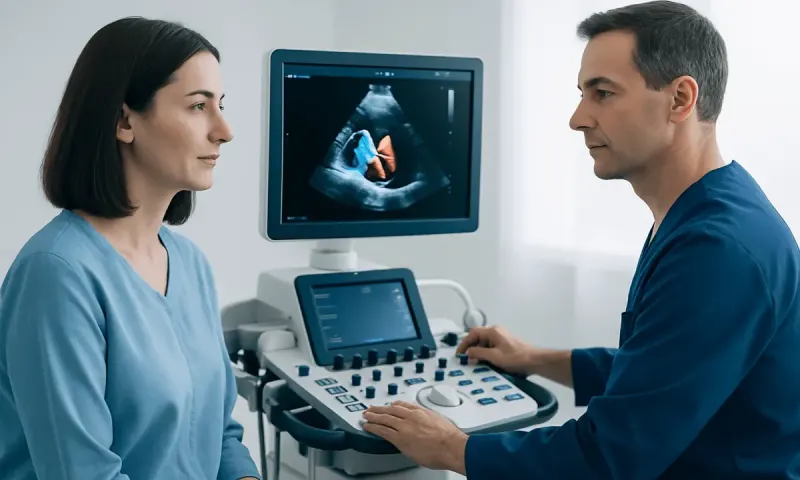
The main test is an echocardiogram, which uses ultrasound to show the valve leaflets, the direction of blood flow, and the effect on the heart chambers. This test helps determine how pronounced the prolapse is, how much blood is leaking backward, and whether the heart’s pumping function remains normal. In some cases, transesophageal echocardiography offers a clearer view if more detail is needed.
Additional tests may be recommended depending on the situation. An electrocardiogram can assess heart rhythm, a Holter monitor may record intermittent palpitations, and exercise testing can help evaluate symptoms during activity. If intervention is being considered, more detailed cardiac imaging or assessment by a heart team may be advised, including evaluation through cardiology care.
Treatment options and long-term follow-up
Treatment depends on how the condition behaves in a particular person. If there are no symptoms and no significant mitral regurgitation, the usual plan is observation with periodic checkups and repeat echocardiograms. This follow-up helps detect changes in leakage, heart size, rhythm, or valve structure before complications develop.
Medicines may be used to manage symptoms or related issues, such as palpitations, blood pressure problems, or heart rhythm disorders. Medication does not generally correct the prolapse itself, but it may improve comfort and reduce strain on the heart in selected situations. The exact treatment plan depends on the person’s overall health and the presence of any associated conditions.
If mitral regurgitation becomes severe, if symptoms interfere with daily life, or if there are signs that the heart is being affected, a procedure may be recommended. Depending on valve anatomy, this may involve mitral valve repair or replacement surgery. Repair is often preferred when feasible because it preserves the person’s own valve, but the best option is individualized after specialist assessment.
Some people benefit from having their case discussed by a multidisciplinary heart team. At Acıbadem Health Point, specialists in JCI-accredited hospitals diagnose and treat mitral valve conditions for international patients when advanced evaluation or treatment is needed.
Prevention, self-care, and living well with the condition
There is no specific way to prevent the structural tendency toward mitral valve prolapse, but heart-healthy habits support overall cardiovascular health and may help people feel better. Regular physical activity, good sleep, smoking avoidance, stress management, and control of blood pressure all contribute to better long-term heart care. Most people can remain active, but exercise advice should be individualized if there is significant leakage or troublesome symptoms.
People who notice that caffeine, alcohol, dehydration, or stress trigger palpitations may benefit from reducing those triggers. It can also help to keep track of symptoms, including how often they happen, what brings them on, and whether they occur with dizziness or breathlessness. This information can make follow-up visits more useful.
Dental and general medical care remain important, but not everyone with mitral valve prolapse needs antibiotics before dental procedures. Recommendations depend on a person’s specific heart history, especially whether they have had prior valve infection or valve replacement. It is best to ask a cardiologist or primary doctor for advice tailored to the individual case.
When to seek medical care
Anyone with new symptoms that could relate to mitral valve prolapse should arrange a medical review, especially if there is increasing shortness of breath, more frequent palpitations, reduced exercise tolerance, or new swelling in the legs. Even if symptoms seem mild, an exam and echocardiogram may be useful to check whether leakage has changed.
Urgent medical care is appropriate for chest pain that is severe or persistent, fainting, sudden marked breathlessness, or a rapid irregular heartbeat that does not settle. These symptoms are not always caused by mitral valve prolapse, but they should not be ignored. Timely evaluation helps rule out emergencies and identify the right next step.
If you already know you have it, keep your follow-up appointments. Mitral valve prolapse can stay stable for years, but changes often creep in slowly. Regular review lets us act at the right moment, instead of waiting until symptoms get worse.
Frequently asked questions
01Is mitral valve prolapse serious?
Mitral valve prolapse is often not serious and many people never develop health problems from it. It becomes more important when it causes significant mitral regurgitation, troublesome symptoms, or changes in heart rhythm or heart function.
02Can mitral valve prolapse go away on its own?
The structural change in the valve usually does not simply disappear. However, many people remain stable for years and may never need treatment beyond routine monitoring.
03What is the difference between mitral valve prolapse and mitral regurgitation?
Mitral valve prolapse describes the way the valve leaflets bulge backward during the heartbeat. Mitral regurgitation means blood leaks backward through the valve; prolapse can cause regurgitation, but not everyone with prolapse has significant leakage.
04Can a person exercise with mitral valve prolapse?
Many people with mitral valve prolapse can exercise normally, especially if they have no symptoms and little or no valve leakage. If there is severe regurgitation, fainting, or rhythm problems, a doctor should give individualized advice about activity.
05How often should follow-up be done?
Follow-up depends on symptoms and the amount of valve leakage seen on echocardiography. A doctor may recommend occasional routine visits for mild cases and closer imaging surveillance when regurgitation is moderate or severe.
06Does mitral valve prolapse always require surgery?
No. Surgery is usually considered only when leakage becomes severe, symptoms are significant, or the heart begins to show strain or reduced function. Many people never need an operation.
This article is for general information only and is not a substitute for professional medical advice. Please consult a qualified doctor about your individual situation.
Explore treatments in Turkey — costs, top hospitals & a free quote
JCI-accredited · board-certified surgeons · reply within 24h
Add us as a Preferred Source to see more of our trusted health content across Google Search, AI Overviews and Discover.