Migraine vs Tension Headache: Symptoms, Triggers, and Treatment Differences

Migraine and tension-type headache are common, but they feel and behave differently. Understanding the pattern of pain, associated symptoms and triggers helps people choose appropriate self-care and know when medical evaluation is needed.
Overview
Headache is one of the most common reasons people seek medical advice. Two of the most frequent primary headache disorders are migraine and tension-type headache. They are called primary headaches because the headache itself is the condition, rather than a symptom caused by another disease. Although both can disrupt daily life, they have different patterns, triggers and treatment approaches.
In simple terms, migraine is a neurological disorder that can involve head pain, sensitivity to light or sound, nausea, and sometimes visual or sensory warning symptoms known as aura. Tension-type headache is usually linked with a feeling of pressure or tightness around the head, scalp, neck or shoulders. A person can have both conditions, which can make the pattern less obvious without careful history-taking.
Understanding the difference between migraine vs tension headache helps patients describe symptoms accurately and avoid unnecessary worry. It also helps doctors choose the most suitable treatment, including lifestyle measures, acute medicines and preventive strategies. People with frequent, disabling or changing headaches may benefit from evaluation by a clinician experienced in headache medicine.
Symptoms: How Migraine and Tension Headache Feel Different
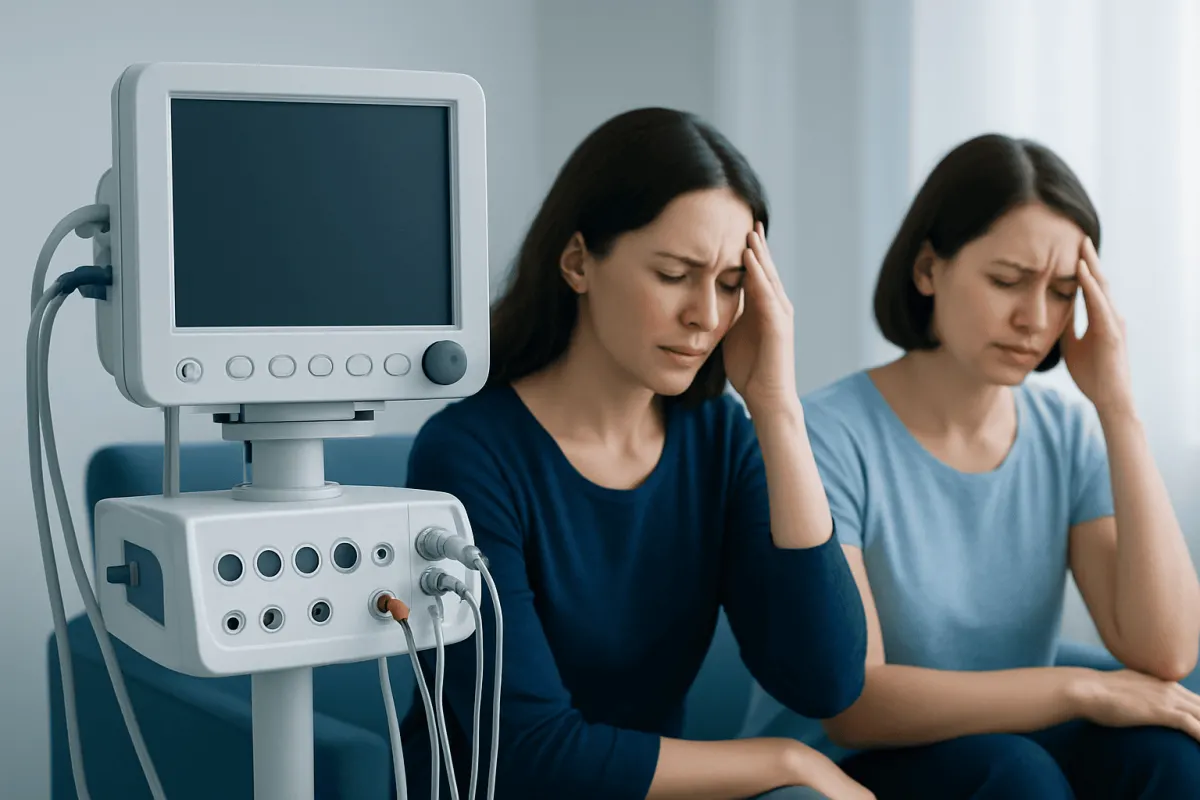
Migraine pain is often moderate to severe and may feel throbbing, pulsing or pounding. It commonly affects one side of the head, although it can involve both sides or shift from one side to the other. Many people find that routine movement, climbing stairs or bending forward worsens the pain, so they prefer to rest in a quiet, dark room.
Symptoms that support a diagnosis of migraine include nausea, vomiting, sensitivity to light, sensitivity to sound and sensitivity to smells. Some people experience aura before or during the headache. Aura may include flashing lights, zigzag lines, blind spots, tingling, numbness or speech difficulty. Aura symptoms usually develop gradually and are temporary, but new neurological symptoms should always be discussed with a doctor.
Tension-type headache typically feels like a steady pressure, tightness or squeezing sensation, often described as a band around the forehead or head. It is usually mild to moderate, affects both sides and is not typically worsened by routine physical activity. Nausea and vomiting are not typical. Light or sound sensitivity can occur, but usually not both together and not as prominently as in migraine.
The duration also differs. Migraine attacks may last several hours to a few days if untreated, while tension-type headaches can last from 30 minutes to several days. Chronic forms of either condition can occur when headache is present on many days each month, which deserves medical assessment because treatment plans often need adjustment.
Common Triggers and Risk Factors

Triggers are factors that increase the likelihood of a headache in a person who is susceptible. They do not always cause a headache on their own, and they can change over time. Keeping a headache diary can help identify patterns, but it is important not to over-restrict daily life based on a single suspected trigger.
Common migraine triggers include irregular sleep, skipped meals, dehydration, alcohol, hormonal changes, stress followed by relaxation, bright light, strong smells, weather changes and certain foods in some individuals. Migraine also has a genetic tendency, so family history is common. Other health factors, such as anxiety, depression, sleep disorders and some chronic pain conditions, can influence headache frequency and severity.
Tension-type headaches are often associated with muscle tension, stress, prolonged screen use, jaw clenching, poor posture, eye strain, fatigue and lack of sleep. They may appear during busy work periods or after long hours in one position. Neck and shoulder tightness can contribute, although tension-type headache is not simply a muscle problem; pain pathways in the nervous system also play a role.
Some triggers overlap between migraine and tension headache, especially stress, sleep disruption and dehydration. This is why the overall symptom pattern matters more than any single trigger. A doctor may also review medicines, caffeine intake, menstrual pattern, work environment and general health to understand what is maintaining the headaches.
Diagnosis: What Doctors Look For
Most migraine and tension-type headaches are diagnosed through a careful medical history and neurological examination. The doctor asks about the location, quality, severity, duration and frequency of pain, along with associated symptoms such as nausea, light sensitivity, aura, neck pain or visual changes. They also ask about medicines used, because frequent use of pain relievers can contribute to medication-overuse headache.
A headache diary is often helpful. It may record headache days, pain intensity, possible triggers, menstrual cycle timing, sleep, meals, caffeine, medicines taken and response to treatment. Over several weeks, this information can show whether the pattern is more consistent with migraine, tension-type headache or a combination.
Brain imaging, blood tests or other investigations are not always needed for typical, stable primary headaches with a normal neurological examination. However, tests may be recommended if there are warning signs, unusual symptoms, a new headache pattern, abnormal examination findings or a medical condition that raises concern. Imaging decisions are individualized and should be guided by a clinician.
Because visual symptoms can be part of migraine aura, eye-related or nerve-related conditions may sometimes need to be considered, especially if symptoms are new, prolonged or one-sided. In selected cases, assessment by specialists in neuro-ophthalmology may help distinguish migraine aura from other causes of visual disturbance.
Treatment Options: Acute Relief and Prevention
Treatment depends on the headache type, frequency, severity, other medical conditions and patient preferences. For occasional tension-type headache, rest, hydration, stretching, heat or cold packs, relaxation techniques and over-the-counter pain relievers may be enough. Pain medicines should be used as directed and not too often, because frequent use can worsen headache patterns over time.
Migraine treatment often has two parts: acute treatment to stop an attack and preventive treatment to reduce future attacks. Acute options may include non-prescription pain relievers, anti-nausea medicines or migraine-specific prescription medicines such as triptans or newer options when appropriate. The best choice depends on symptoms, cardiovascular risk, pregnancy status, other medicines and previous response.
Preventive therapy may be considered when migraine attacks are frequent, prolonged, disabling or not responding well to acute medicines. Options can include certain blood pressure medicines, antidepressants, anti-seizure medicines, botulinum toxin for chronic migraine, and therapies targeting calcitonin gene-related peptide, known as CGRP. A specialist can explain the benefits, risks and monitoring needs of migraine treatment options.
For frequent tension-type headache, prevention may focus on reducing muscle tension, improving ergonomics, addressing jaw clenching, treating sleep problems, and managing stress. Some patients may benefit from physical therapy, behavioral therapies such as cognitive behavioral therapy, or preventive prescription medicine. The goal is not only pain relief, but also fewer headache days, better function and safer medicine use.
Prevention and Self-Care
Self-care does not replace medical care, but it can reduce headache frequency and improve treatment response. A regular daily rhythm is helpful for many people with migraine or tension-type headache. This includes consistent sleep and wake times, regular meals, adequate fluids, moderate physical activity and planned breaks from screens or prolonged sitting.
Practical measures include setting up a comfortable workstation, relaxing the jaw, stretching the neck and shoulders, limiting excessive caffeine, and avoiding known personal triggers when the link is clear. During a migraine attack, resting in a dark, quiet room and treating early may improve response. During a tension-type headache, gentle movement, heat, stretching and stress reduction may be useful.
Sleep quality deserves special attention. Both too little sleep and irregular sleep can contribute to headaches, and conditions such as insomnia, sleep apnea or restless legs may worsen the pattern. When sleep symptoms are prominent, evaluation in neurological sleep medicine may be considered as part of a broader headache plan.
People should also be cautious with frequent pain reliever use. Using acute headache medicine on many days each month can lead to medication-overuse headache, where headaches become more frequent and harder to treat. Anyone who feels they need pain medicine often should speak with a doctor before making sudden changes.
When to See a Doctor
Medical evaluation is recommended when headaches are frequent, worsening, interfering with work or school, or not improving with usual measures. A doctor can confirm the likely headache type, check for secondary causes and create a treatment plan that balances effectiveness and safety. This is especially important for children, older adults, pregnant patients and people with complex medical conditions.
Prompt medical attention is important for a sudden, severe headache that reaches maximum intensity quickly, a new headache after head injury, or headache with weakness, confusion, fainting, seizure, fever, stiff neck, vision loss or persistent speech difficulty. New headaches after age 50, headaches in people with cancer or immune suppression, and headaches that are progressively changing also need timely assessment.
Patients should seek urgent care if a headache feels very different from previous headaches or is accompanied by concerning neurological symptoms. Many headaches are not dangerous, but these warning signs help doctors identify the smaller group that needs immediate investigation.
Acıbadem Health Point provides care for international patients through multidisciplinary specialists and JCI-accredited hospitals, including evaluation and treatment of migraine, tension-type headache and other neurological conditions. Patients can use a consultation to review their history, previous tests and treatment options with a qualified clinician.
Frequently asked questions
01How can someone tell migraine from a tension headache?
Migraine is more likely when the pain is moderate to severe, throbbing, worsened by activity, and associated with nausea, light sensitivity or sound sensitivity. Tension headache is more often a mild to moderate pressure or tight band sensation on both sides of the head. Because symptoms can overlap, a doctor can help confirm the diagnosis when headaches are frequent or unclear.
02Can a person have both migraine and tension-type headaches?
Yes. Some people have both conditions, and the headaches may feel different on different days. A headache diary can help separate patterns, identify triggers and show how often each type occurs. Treatment may need to address both migraine biology and tension-related factors such as posture, stress and muscle tightness.
03Are tension headaches caused only by stress?
Stress is a common contributor, but it is not the only cause. Sleep problems, prolonged screen use, jaw clenching, neck and shoulder tension, dehydration and irregular meals may also play a role. Tension-type headache involves pain pathways in the nervous system, so a comprehensive approach is often more effective than focusing on stress alone.
04What is migraine aura?
Migraine aura is a temporary neurological symptom that can occur before or during a migraine attack. It often involves visual changes such as flashing lights, zigzag lines or blind spots, but it can also include tingling, numbness or speech difficulty. New, prolonged or unusual aura-like symptoms should be assessed by a doctor to rule out other causes.
05When should headache medicine be limited?
Frequent use of pain relievers or migraine medicines can contribute to medication-overuse headache in some people. Anyone needing acute headache medicine on many days each month should speak with a doctor. A clinician may suggest a safer plan, preventive therapy or a gradual change depending on the medicines involved.
06Can lifestyle changes prevent migraine or tension headaches?
Lifestyle changes can reduce headache frequency for many people, although they may not eliminate headaches completely. Regular sleep, hydration, meals, exercise, posture breaks and stress management are useful foundations. People with frequent or disabling headaches may also need prescription treatment or specialist care.
This article is for general information only and is not a substitute for professional medical advice. Please consult a qualified doctor about your individual situation.
Hair transplant in Turkey — costs, graft counts & a free assessment
JCI-accredited · board-certified surgeons · reply within 24h
Add us as a Preferred Source to see more of our trusted health content across Google Search, AI Overviews and Discover.