Migraine vs Sinus Headache: How Specialists Tell the Difference

Migraine and sinus headache can both cause pressure around the forehead, cheeks, eyes, or nose, so they are commonly confused. Specialists tell them apart by looking at the full symptom pattern, nasal findings, triggers, duration, response to treatment, and whether signs of sinus inflammation are truly present.
Overview: Why Migraine and Sinus Headache Are Often Confused
The phrase “sinus headache” is often used for pain or pressure felt in the forehead, cheeks, bridge of the nose, or around the eyes. However, pain in these areas does not always mean the sinuses are the cause. Migraine, tension-type headache, dental problems, eye strain, and certain nerve-related pain conditions can all be felt in the face or front of the head.
In practice, many people who believe they have recurring sinus headaches actually have migraine. This happens because migraine can produce symptoms that seem “sinus-like,” including nasal stuffiness, a runny nose, facial pressure, and tearing. These symptoms occur because migraine involves sensitive nerve pathways in the head and face, including nerves that also influence the nose and eyes.
A true sinus headache is usually linked to acute rhinosinusitis, meaning inflammation or infection of the nasal passages and sinus cavities. It is typically accompanied by nasal symptoms that are more prominent than the headache itself. Specialists compare the whole picture rather than focusing on pain location alone, because location by itself is not reliable.
Symptoms: Key Clues Specialists Look For
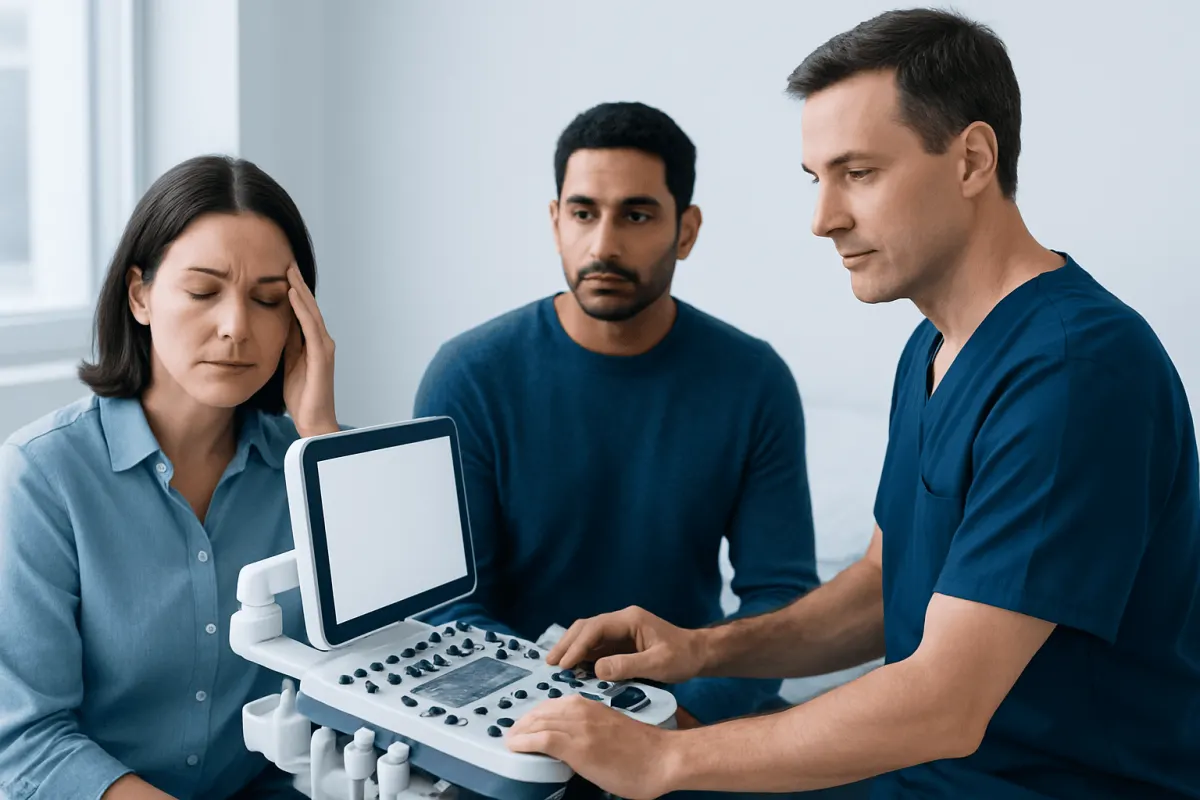
Migraine is a neurological condition that can cause moderate to severe head pain, often on one side but sometimes on both sides or in the face. The pain may throb, pulse, or intensify with routine activity such as climbing stairs. Common accompanying symptoms include nausea, vomiting, sensitivity to light, sensitivity to sound, and a need to rest in a dark or quiet room.
Sinus-related headache is more likely when facial pain occurs together with signs of sinus inflammation. These may include thick yellow or green nasal discharge, reduced sense of smell, blocked nose, fever, tiredness, and pain or pressure that worsens when bending forward. The upper teeth may ache, especially when the maxillary sinuses in the cheeks are inflamed.
Specialists also ask about timing. A migraine attack often lasts several hours to a few days and may recur in a recognizable pattern. Sinusitis-related pain often develops after a cold, allergy flare, or upper respiratory infection and tends to improve as the nasal illness improves. If “sinus headaches” occur repeatedly without fever or purulent nasal discharge, migraine becomes more likely.
- More suggestive of migraine: nausea, light sensitivity, sound sensitivity, throbbing pain, worsening with movement, menstrual or stress-related triggers, and previous similar attacks.
- More suggestive of sinusitis: thick discolored nasal mucus, fever, reduced smell, prominent nasal blockage, facial tenderness with infection symptoms, and symptoms lasting beyond a typical cold.
Causes and Risk Factors: Different Conditions, Overlapping Pain Pathways

Migraine is not simply a bad headache. It is a complex neurological disorder involving brain networks, blood vessel signaling, and pain-sensitive nerves of the head and face. Some people inherit a tendency to migraine, and attacks may be triggered by sleep disruption, stress, hormonal changes, skipped meals, dehydration, alcohol, certain foods, bright light, strong smells, weather shifts, or neck tension.
Sinus headache, in the strict medical sense, occurs when inflamed sinus tissues contribute to facial pain. Acute viral infections are a common cause of sinus inflammation, while bacterial sinusitis is less common and is suspected when symptoms are severe, persistent, or worsen after initial improvement. Allergic rhinitis, nasal polyps, a deviated septum, and chronic inflammation can also contribute to sinus pressure, though they do not always cause headache.
The overlap happens because the trigeminal nerve carries sensation from the forehead, cheeks, nose, teeth, eyes, and parts of the scalp. When migraine activates this nerve system, the brain may interpret pain as coming from the sinuses. This is why a person can feel “sinus pressure” during a migraine even when the sinus cavities are clear.
Diagnosis: How Specialists Tell the Difference
Diagnosis begins with a detailed medical history. A specialist asks where the pain starts, how long it lasts, whether it pulses or presses, what makes it better or worse, and whether symptoms such as nausea, light sensitivity, nasal discharge, fever, or visual changes occur. A headache diary can be very helpful because it records timing, triggers, medication use, sleep, menstrual cycle, foods, and associated symptoms.
The physical examination may include checking the nose, throat, ears, eyes, jaw, neck, and neurological function. In suspected sinusitis, clinicians look for nasal inflammation, pus-like drainage, tenderness, fever, and evidence of an upper respiratory infection. In suspected migraine, the neurological examination is usually normal between attacks, but the symptom pattern is characteristic.
Imaging is not needed for most typical migraine attacks or uncomplicated sinus symptoms. A CT scan of the sinuses may be considered when sinusitis is recurrent, chronic, severe, or not responding as expected. Brain imaging may be considered when a headache is new, unusual, progressively worsening, associated with neurological signs, or accompanied by red flags. When advanced imaging is appropriate, neuroradiology evaluation can help clarify whether the concern is sinus, neurological, vascular, or another structural cause.
Specialists may also use established diagnostic criteria. Migraine is diagnosed by attack pattern and associated features, while acute rhinosinusitis is diagnosed by nasal symptoms plus clinical findings and, in selected cases, imaging. Correct classification helps avoid unnecessary antibiotics and guides more effective headache treatment.
Treatment Options: Why the Right Diagnosis Matters
Treatment for migraine focuses on stopping attacks when they occur and reducing how often they happen. Acute treatment may include appropriate pain relievers, anti-nausea medicines, migraine-specific medicines, hydration, rest, and avoiding worsening triggers during an attack. Preventive treatment may be considered when attacks are frequent, disabling, prolonged, or causing regular medication use.
Modern migraine care can include lifestyle planning, trigger management, preventive medicines, neuromodulation in selected cases, and targeted therapies chosen by a clinician. The best plan depends on age, other medical conditions, pregnancy plans, current medications, headache frequency, and previous treatment response. People should avoid frequent use of over-the-counter pain medicines unless advised by a doctor, because overuse can make headaches more frequent.
Treatment for sinusitis is different. Viral sinus inflammation often improves with supportive care such as fluids, rest, saline nasal rinses, and symptom relief. Allergic inflammation may improve with allergen avoidance and appropriate nasal allergy treatments. Antibiotics are used only when bacterial sinusitis is likely or confirmed, because antibiotics do not treat migraine and are not helpful for most viral infections.
For people with repeated facial pressure and uncertain diagnosis, a coordinated approach may involve neurology, ear-nose-throat specialists, allergy care, dentistry, and ophthalmology when needed. A headache medicine consultation can be especially useful when symptoms are frequent, mixed, or not improving with standard treatments.
Prevention and Self-Care: Practical Steps That Help
People with migraine-like attacks often benefit from regular routines. Consistent sleep, regular meals, good hydration, moderate physical activity, and stress-management strategies can reduce vulnerability to attacks. It may also help to limit alcohol, avoid known food triggers, reduce prolonged screen glare, and plan breaks during travel or demanding workdays.
A headache diary is one of the simplest tools for prevention. It can show patterns that are not obvious day to day, such as attacks after poor sleep, missed meals, menstrual changes, weather shifts, or certain medications. The diary should include headache intensity, location, duration, associated symptoms, possible triggers, and all medicines taken.
For sinus-related symptoms, self-care focuses on nasal health. Saline rinses or sprays, humidified air, avoiding smoke exposure, and managing allergies can reduce nasal irritation. People should use decongestant sprays only as directed, because overuse can worsen congestion. Anyone with chronic nasal blockage, recurrent sinus infections, or suspected allergies should discuss long-term management with a qualified clinician.
When to See a Doctor
Medical assessment is recommended when headaches are new, changing, frequent, disabling, or not responding to usual measures. It is also important to seek care if facial pain is accompanied by persistent fever, thick nasal discharge, worsening symptoms after a cold, swelling around the eye, or significant tooth or jaw pain. These features may point to sinusitis, dental disease, or another condition requiring specific treatment.
Urgent medical care is needed for a sudden, severe “worst headache,” headache with weakness or numbness, confusion, fainting, seizure, stiff neck, new vision loss, head injury, or headache during pregnancy or after childbirth. These situations are uncommon but should be evaluated promptly to rule out serious causes.
Patients who travel internationally for evaluation can benefit from bringing previous imaging, medication lists, allergy information, and a headache diary. Acıbadem Health Point’s multidisciplinary specialists and JCI-accredited hospitals diagnose and treat headache and sinus-related conditions for international patients, with care coordinated according to each person’s clinical needs.
Frequently asked questions
01Can migraine really feel like sinus pressure?
Yes. Migraine can cause pain or pressure in the forehead, cheeks, nose, and around the eyes. It can also cause nasal congestion, watery eyes, or a runny nose, which makes it feel very similar to a sinus problem.
02How can someone tell if a headache is from sinusitis?
Sinusitis is more likely when headache or facial pressure occurs with thick discolored nasal discharge, blocked nose, reduced smell, fever, or symptoms that worsen after a cold. Pain that worsens when bending forward can also occur. A clinician can confirm whether the symptoms fit sinusitis or another cause.
03Do antibiotics help sinus headaches?
Antibiotics help only when a bacterial sinus infection is likely or confirmed. They do not treat migraine and are usually not needed for viral sinus inflammation. A doctor can decide whether antibiotics are appropriate based on symptom duration, severity, examination findings, and risk factors.
04When is imaging needed for migraine vs sinus headache?
Most typical migraines and uncomplicated sinus symptoms do not require imaging. Imaging may be considered if headaches are new, unusual, progressively worsening, linked with neurological symptoms, or if sinusitis is recurrent, chronic, or not improving as expected. The choice of CT or MRI depends on the suspected cause.
05Can allergies cause sinus headache?
Allergies can cause nasal congestion, pressure, sneezing, and postnasal drip, but they do not always cause true sinus headache. Allergy symptoms can also trigger migraine in some people. Treating allergic inflammation may reduce nasal discomfort and may help clarify whether headaches are migraine-related.
06What information should a patient bring to a headache appointment?
A headache diary is very helpful, including dates, duration, pain location, associated symptoms, possible triggers, and medicines taken. Patients should also bring previous scans, medical records, a medication list, and information about allergies or other health conditions. This helps the specialist make a more accurate diagnosis.
This article is for general information only and is not a substitute for professional medical advice. Please consult a qualified doctor about your individual situation.
Persistent digestive symptoms? Get evaluated in Turkey
JCI-accredited · board-certified surgeons · reply within 24h
Add us as a Preferred Source to see more of our trusted health content across Google Search, AI Overviews and Discover.