Right-Sided Middle Back Pain: Muscle Strain or Something Else
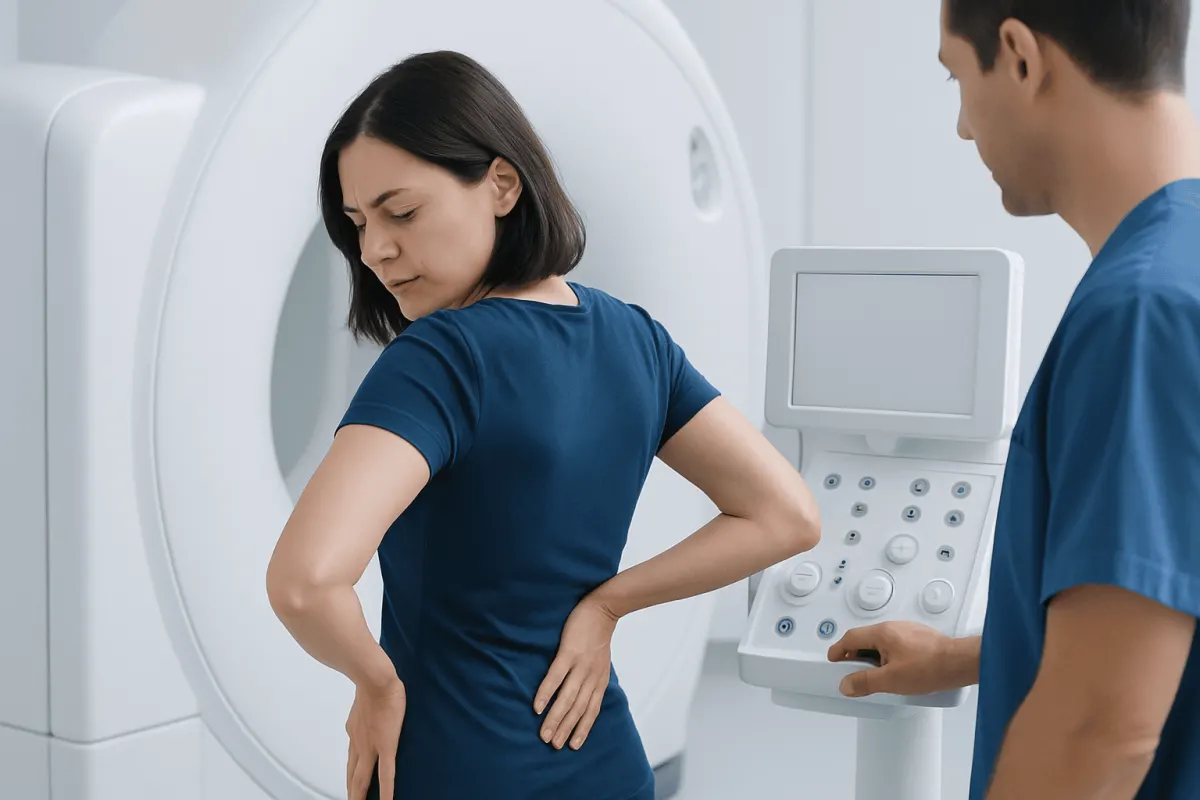
You reach for something on a high shelf, twist, and feel a catch just to the right of your spine. Or you sit up after a long day at the desk and there it is again — that dull ache between your shoulder blade and backbone.
Most of the time, pain in the middle back on the right side comes down to a muscle strain, posture, or irritation around the spine and ribs. Sometimes, though, it reflects a problem in a nearby organ. The pattern of the pain, and what else you’re feeling alongside it, is what tells a doctor whether it needs a closer look.
Overview: what pain in the middle back right side can mean
Pain in the middle back right side usually comes from muscles, joints, ligaments, or the thoracic spine, especially after poor posture, lifting, twisting, or long periods of sitting. Many episodes improve with rest, gentle movement, and time.
But the right side of the mid-back sits close to the ribs, lungs, kidney, and gallbladder, so the pain doesn’t always start in the back itself. Doctors look at exactly where the pain is, how it feels, what triggers it, and whether symptoms such as fever, cough, nausea, weakness, or urinary changes are also present.
Not all right-sided back pain is the same problem. It helps to sort it into three groups: musculoskeletal causes, nerve or spinal causes, and referred pain from internal organs. Thinking this way makes it easier to see what’s common, what’s less common, and when to get seen.
Common symptoms and pain patterns
The middle back right side may ache, feel tight, or become sharp with certain movements. Some people notice stiffness first thing in the morning, soreness after exercise, or a pulling sensation when reaching, twisting, coughing, or taking a deep breath.
Muscle-related pain often feels localized and tender to touch, and it may improve with heat, gentle stretching, or changing position. Joint or rib irritation can create pain that is more noticeable with rotation, bending, or breathing. Nerve irritation can cause burning, tingling, numbness, or pain that wraps around the chest or abdomen.
Symptoms that may point away from a simple strain include:
- Pain that is severe, constant, or worsening
- Pain after a fall, accident, or sports injury
- Fever, chills, or unexplained weight loss
- Shortness of breath, cough, or chest discomfort
- Nausea, vomiting, abdominal pain, or pain after fatty meals
- Changes in urination, blood in the urine, or flank tenderness
- Weakness, numbness, balance problems, or bowel/bladder changes
Since several body systems overlap in this region, the symptoms that come along with the pain are usually the biggest clue. That fuller picture is what tells a doctor whether the pain is likely mechanical or needs more urgent investigation.
Possible causes of right mid-back pain

The most common causes are musculoskeletal. These include muscle strain, ligament sprain, overuse from exercise or repetitive work, poor workstation ergonomics, carrying heavy bags on one side, and prolonged sitting. Postural changes can place extra stress on the thoracic spine and the muscles between the shoulder blade and spine.
Spinal and rib-related causes are also possible. These include thoracic facet joint irritation, degenerative disc changes, scoliosis, rib dysfunction, and less commonly a thoracic disc problem. In some cases, pain may relate to broader spinal conditions that need specialist assessment, such as scoliosis or a herniated disc.
Sometimes the pain is referred from a nearby organ rather than caused by the back itself. Gallbladder problems can create discomfort in the right upper abdomen, shoulder blade, or right mid-back, especially after meals. Kidney stones or kidney infection may cause pain toward the side or back with urinary symptoms, fever, or nausea. Lung conditions such as pleurisy or pneumonia can cause sharp pain that worsens with breathing or coughing.
Less common but important causes include shingles, inflammatory conditions, compression fractures, osteoporosis-related injury, or tumors. These are not the usual explanation, but they become more relevant if pain is unexplained, occurs at night, follows minimal trauma, or appears together with other warning signs.
Risk factors and triggers
Several everyday factors can make middle back right side pain more likely. These include weak core and back muscles, reduced flexibility, poor sitting posture, sudden increases in activity, repetitive twisting, and jobs that involve lifting, reaching, or long hours at a desk or behind the wheel.
Stress can also play a role. When a person is under stress, muscles around the shoulders and mid-back may tighten, adding to discomfort. Sleep position, an unsupportive mattress, and frequent use of phones or laptops in a hunched posture may contribute as well.
Age, bone health, and medical history matter too. Older adults, people with osteoporosis, those with inflammatory arthritis, and people with a history of spinal problems may have a different set of risks than a younger person with recent overuse. Smoking and low physical activity can also affect spinal and disc health over time.
Knowing your triggers is worth the effort, because it shapes both treatment and prevention. If the pain keeps showing up after certain movements, work tasks, or workouts, changing those patterns may cut down on future episodes.
How doctors diagnose the cause
Diagnosis begins with a careful history. A doctor will usually ask when the pain started, whether it began after movement or injury, where it is felt exactly, whether it spreads, and what makes it better or worse. Questions about breathing, digestion, urination, fever, weight loss, and nerve symptoms help narrow down the source.
The physical examination often includes checking posture, range of motion, muscle tenderness, rib movement, and the thoracic spine. The doctor may also assess strength, sensation, reflexes, and signs of lung or abdominal problems when the story suggests a non-musculoskeletal cause.
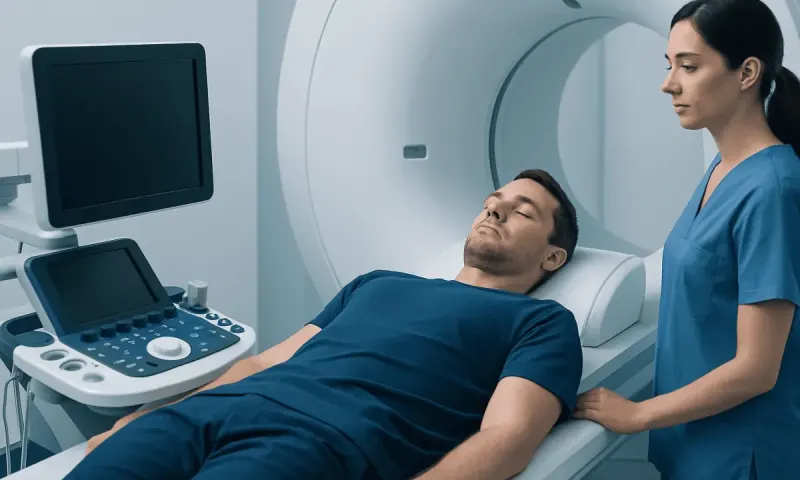
Imaging is not always needed for mild, short-lived pain without red flags. However, tests may be recommended if symptoms are persistent, severe, or concerning. Depending on the suspected cause, this could include X-rays, ultrasound, blood tests, urine tests, or advanced imaging such as MRI scanning or CT scanning.
The point isn’t to confirm you’re in pain — you already know that. It’s to work out whether the cause is mechanical, inflammatory, neurologic, or referred from another organ, because treatment differs a great deal depending on the answer.
Treatment options and practical self-care
For uncomplicated muscle or posture-related pain, treatment often starts conservatively. Relative rest, staying gently active, heat or ice, posture correction, and short-term use of doctor- or pharmacist-recommended pain relief may help. Long periods of complete bed rest are usually not advised, because gentle movement often supports recovery better.
Physical therapy can be especially helpful when pain recurs or lasts more than a brief period. A tailored program may focus on thoracic mobility, shoulder blade control, posture, flexibility, and strengthening of the core and back muscles. For some patients, a specialist may recommend physical therapy and rehabilitation to improve movement patterns and reduce strain.
If a specific structural issue is suspected, treatment depends on the diagnosis. Rib or spinal joint irritation may respond to targeted rehabilitation and activity modification. Nerve-related symptoms, significant disc disease, or persistent spine pain sometimes need review by a spine surgery team, although surgery is not the usual first step for most mid-back pain.
When pain is referred from an internal organ, treatment focuses on that underlying problem rather than the back itself. This may involve care for gallbladder disease, kidney conditions, infection, or lung disease. Near the end of the care pathway, some international patients choose centers such as Acıbadem Health Point, where multidisciplinary specialists in JCI-accredited hospitals evaluate and treat complex causes of back and referred pain.
Prevention and daily habits that may help
Prevention often centers on reducing repeated strain. Sitting with back support, keeping screens at eye level, changing position regularly, and avoiding long periods in one posture can help lower stress on the thoracic spine and surrounding muscles.
Regular exercise is also important. Gentle stretching, walking, swimming, and strength work for the core, upper back, and shoulders may improve support for the spine. Warming up before exercise and increasing intensity gradually may reduce overuse injuries.
Other helpful habits include lifting with proper technique, distributing carried weight evenly, staying hydrated, and supporting bone health through appropriate nutrition and medical advice. People who notice that stress increases muscle tension may benefit from breathing exercises, relaxation techniques, or mindfulness practices.
None of this replaces a medical check-up if you have warning signs. But in everyday cases, these habits support recovery and make repeat episodes less likely.
When to seek medical care
Medical care is advisable if pain in the middle back right side lasts more than a few weeks, keeps returning, limits normal activity, or does not improve with simple self-care. It is also reasonable to seek assessment sooner if the cause is unclear or the pain is interfering with sleep or work.
Urgent evaluation is important if the pain happens with chest pain, shortness of breath, fainting, fever, severe abdominal symptoms, significant injury, or new weakness or numbness. Immediate care is also needed for loss of bladder or bowel control, difficulty walking, or pain with signs of serious infection.
In children, older adults, pregnant patients, and people with cancer, osteoporosis, immune suppression, or known kidney or gallbladder disease, a lower threshold for medical review is sensible. A qualified doctor can decide whether this symptom is a simple mechanical issue or part of a broader condition that needs prompt treatment.
Frequently asked questions
01Is middle back right side pain usually serious?
Most cases are not serious and are related to muscle strain, posture, or minor irritation of the joints and soft tissues. However, persistent pain or pain with fever, breathing problems, neurologic symptoms, or urinary or digestive symptoms should be assessed by a doctor.
02Can poor posture cause pain in the middle back right side?
Yes. Slouching, prolonged desk work, and repetitive one-sided movements can place extra stress on the muscles and joints of the thoracic spine. Over time, this can lead to tightness, aching, and pain with movement.
03How can someone tell if the pain is from a muscle or an internal organ?
Muscle pain is often tender, linked to movement, and may improve with rest, heat, or stretching. Pain from an internal organ is more likely to come with other symptoms, such as nausea, fever, cough, shortness of breath, or changes in urination, and it may not clearly worsen with back movement.
04Should imaging always be done for right mid-back pain?
No. Imaging is often unnecessary for mild, short-term pain without warning signs. Doctors usually reserve scans and tests for persistent symptoms, trauma, neurologic findings, or concerns about infection, fracture, or disease in nearby organs.
05What helps relieve middle back right side pain at home?
Many people benefit from gentle activity, avoiding heavy strain, heat or ice, improving posture, and using simple pain relief if recommended by a healthcare professional. If symptoms are not improving, or if the pain is severe or unusual, medical advice is important.
06Can kidney or gallbladder problems cause pain in this area?
Yes. Kidney conditions can cause pain toward the side or back and may come with urinary symptoms, nausea, or fever. Gallbladder problems may cause right upper abdominal pain that can spread to the right shoulder blade or mid-back, often after eating.
This article is for general information only and is not a substitute for professional medical advice. Please consult a qualified doctor about your individual situation.
Persistent digestive symptoms? Get evaluated in Turkey
JCI-accredited · board-certified surgeons · reply within 24h
Add us as a Preferred Source to see more of our trusted health content across Google Search, AI Overviews and Discover.