The Midbrain Controls Eye Movement, Motion, and Alertness
You turn your head fast when a door slams behind you. Your pupils shrink the moment you step into sunlight. You follow a passing car with your eyes without thinking about it. A small piece of tissue at the top of your brainstem is behind all of that.
The midbrain is a small but essential part of the brainstem that helps coordinate movement, eye function, hearing, vision, and alertness. Knowing what it does can help you make sense of symptoms and recognise when it is time to be checked.
What is the midbrain?
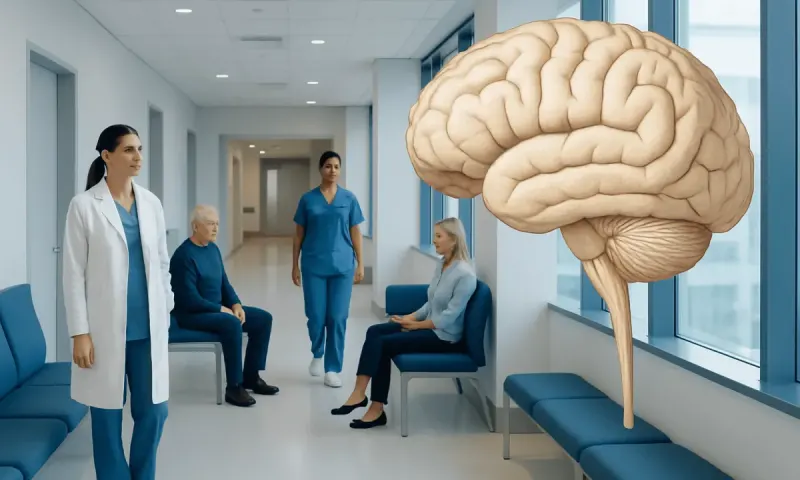
The midbrain is the uppermost part of the brainstem, sitting between the forebrain and the pons. Although it is relatively small, it has an important role in carrying signals between the brain and body and in coordinating several automatic and voluntary functions. In simple terms, the midbrain helps the nervous system process sensory information, control movement, and maintain alertness.
Most people meet the word while reading about brain anatomy, stroke, movement disorders, or an imaging report. The midbrain is not a separate “thinking center” like the cerebral cortex, but it holds pathways and nerve cell groups you rely on every day. So much is packed into this small area that even a small problem here can cause symptoms you notice right away.
Two major areas within the midbrain are often discussed. The tectum is involved in visual and auditory reflexes, while the tegmentum contains important nerve pathways and nuclei linked to movement, eye control, and arousal. The cerebral peduncles, large bundles of nerve fibers, also run through the midbrain and help transmit movement signals from the brain to the body.
What does the midbrain do?
The midbrain supports several functions at the same time. It helps direct eye movements, coordinate pupil responses to light, and process certain visual and sound-related reflexes. For example, when a person quickly turns toward a sudden sound or follows a moving object with the eyes, the midbrain helps organize those responses.
It also contributes to movement control. A structure called the substantia nigra, located in the midbrain, is involved in dopamine production and movement regulation. This is one reason the midbrain is often discussed in conditions such as Parkinson’s disease, where movement becomes slower or less coordinated over time.
The midbrain also helps keep you awake and attentive. Networks in the brainstem, including parts of the midbrain, help maintain consciousness and alertness. Depending on which area is affected, a midbrain problem may influence balance, muscle control, sensation, or level of awareness.
- Eye movement control
- Pupil reaction to light
- Processing of visual and auditory reflexes
- Movement coordination and muscle tone
- Alertness and arousal
- Transmission of signals between the brain and body
What symptoms can happen when the midbrain is affected?

Symptoms related to the midbrain vary widely because this region contains many different pathways. Some people develop visual symptoms such as double vision, difficulty moving the eyes, drooping eyelids, or enlarged pupils. Others may notice dizziness, unsteadiness, weakness, numbness, or changes in coordination.
Movement-related symptoms can also occur. These may include tremor, stiffness, slower movement, or problems with posture and balance. If the pathways that carry movement signals are involved, a person may develop weakness on one side of the body. If consciousness-related structures are affected, confusion, excessive sleepiness, or reduced responsiveness can develop.
How fast symptoms come on tells us a lot. Sudden symptoms may suggest a stroke or bleeding and should be treated as an emergency. More gradual symptoms may be caused by inflammation, pressure from a mass, demyelinating disease, or a neurodegenerative condition. Symptoms can overlap with other neurological disorders, which is why proper evaluation is important.
- Double vision or difficulty moving the eyes
- Balance problems or unsteady walking
- Weakness, numbness, or poor coordination
- Tremor, stiffness, or slower movements
- Headache with neurological changes
- Sleepiness, confusion, or altered consciousness
What causes midbrain problems?
Midbrain disorders are not a single disease. Instead, they describe conditions that affect this area of the brainstem. One possible cause is stroke, which can interrupt blood flow to the midbrain and lead to sudden neurological symptoms. Brain hemorrhage, though less common, can also injure nearby structures.
Other causes include tumors, infections, inflammation, autoimmune disease, trauma, and demyelinating disorders such as multiple sclerosis. In some patients, pressure from swelling or abnormalities in the surrounding brain can affect midbrain function. Degenerative disorders may also involve midbrain structures over time, especially those that influence movement and balance.
Risk factors depend on the underlying condition. For vascular causes, common risk factors include high blood pressure, diabetes, smoking, high cholesterol, and heart disease. For other causes, the risk profile may include immune conditions, prior neurological disease, infection exposure, or head injury. A doctor looks at the overall pattern of symptoms, medical history, and test results rather than assuming one cause from symptoms alone.
How are midbrain conditions diagnosed?
Diagnosis begins with a careful medical history and neurological examination. A clinician checks eye movements, pupils, strength, coordination, reflexes, balance, speech, and level of alertness. This examination often helps identify whether the symptoms may come from the brainstem and whether urgent treatment is needed.
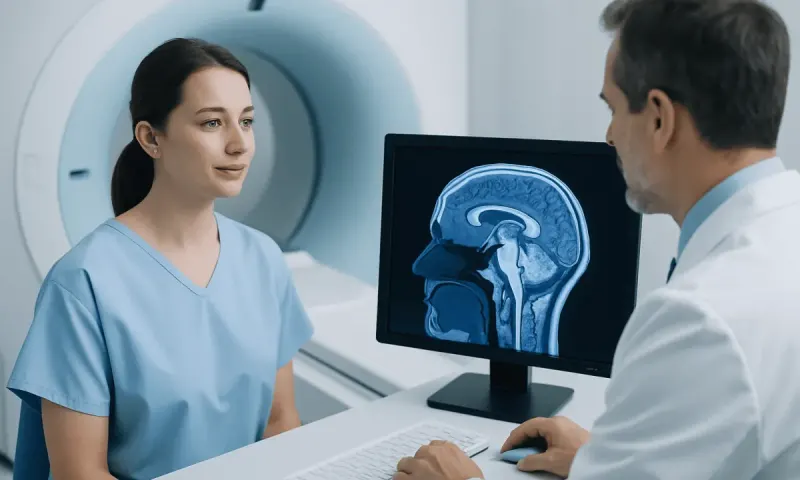
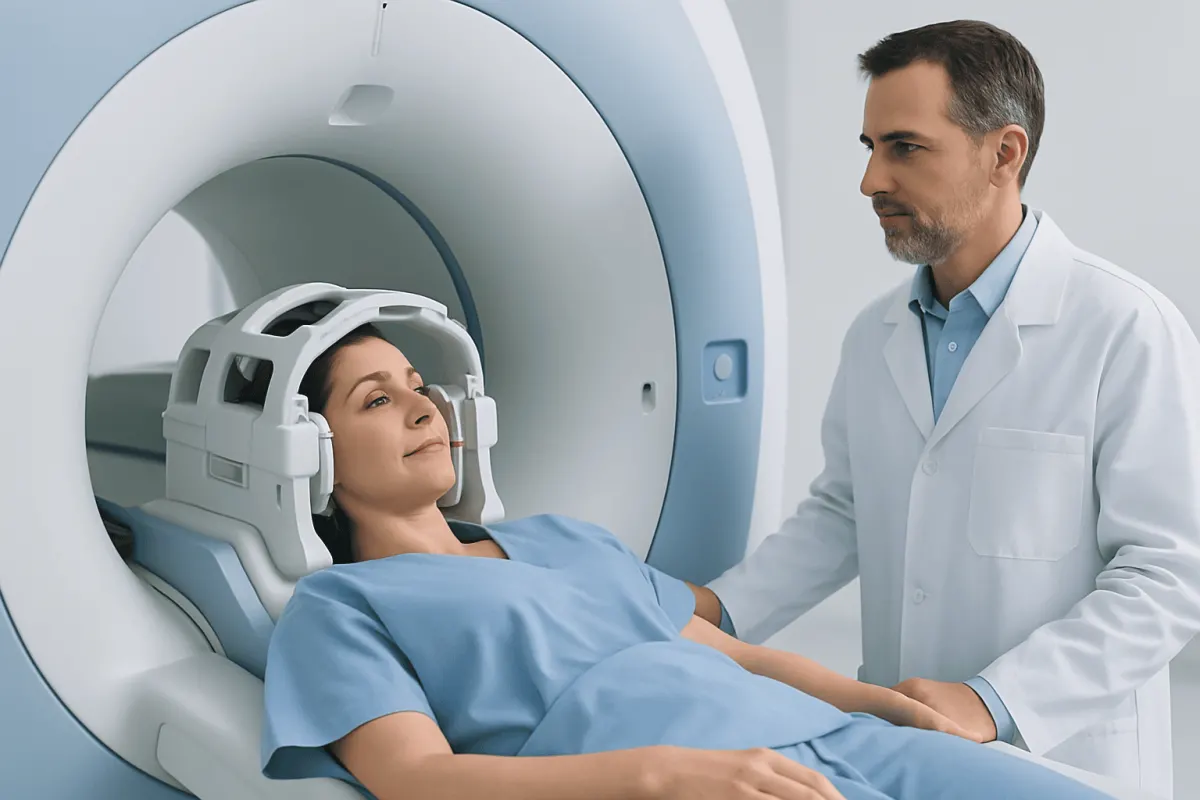
Brain imaging is usually central to diagnosis. MRI is often especially helpful because it shows the brainstem in greater detail and can detect stroke, inflammation, demyelination, tumors, and other structural changes. In emergency settings, CT may be used first to quickly identify bleeding or other urgent findings. Depending on the situation, doctors may also request blood tests, vascular imaging, hearing or vision assessments, or lumbar puncture.
If symptoms suggest a movement disorder or another chronic neurological condition, the doctor may recommend follow-up with neurology, neuroradiology, or rehabilitation specialists. In selected patients, treatment planning may involve teams experienced in brain tumor treatment or stroke treatment, depending on the cause identified.
What treatments are used for midbrain disorders?
There is no single treatment for “the midbrain” itself. What we do depends entirely on what is causing the problem. If a stroke is responsible, doctors focus on restoring or supporting blood flow when appropriate and preventing further injury. If infection or inflammation is involved, treatment may include medicines directed at the specific cause. Tumors may require observation, medication, radiation therapy, surgery, or a combination of approaches.
Supportive care is also important. Some patients need help with balance, swallowing, speech, or mobility while recovering. Physical therapy, occupational therapy, and speech therapy can all play a role in improving daily function and safety. If Neuro-Ophthalmology Exam Is Needed" class="ahp-ilk">eye movement problems cause double vision, temporary strategies or specialist input may help reduce symptoms.
Longer-term management may involve controlling vascular risk factors, treating chronic neurological disease, or monitoring with repeat imaging. In cases related to abnormal movement control, evaluation for Parkinson’s treatment or rehabilitation-based therapies may be appropriate. When the structural problem is complex, follow-up in a center that offers neurosurgery alongside multidisciplinary neurology services can make a real difference.
Prevention, recovery, and self-care
Because many different conditions can affect the midbrain, prevention is focused on reducing overall neurological risk. For stroke prevention, it is helpful to manage blood pressure, diabetes, and cholesterol, avoid smoking, stay physically active, and follow medical advice for heart and vascular conditions. Using seat belts, helmets when appropriate, and general injury prevention measures may reduce trauma-related risk.
What self-care looks like after a midbrain-related illness depends on your symptoms. You may need to be extra careful with walking, stairs, driving, or anything that demands quick eye movements until you have been assessed. Fatigue, dizziness, and balance changes should not be ignored, especially if they are new or worsening. Keeping follow-up appointments and taking prescribed medicines regularly can support recovery.
For chronic conditions, rehabilitation and lifestyle measures often work together. Sleep, hydration, nutrition, and regular movement can support general neurological health, although they do not replace medical treatment. A personalized plan is best, especially if vision, gait, speech, or coordination are affected.
When to seek medical care
Medical assessment is important for any new neurological symptom that may involve the midbrain or brainstem. Sudden double vision, facial drooping, weakness, numbness, severe dizziness, trouble walking, slurred speech, confusion, or a reduced level of consciousness should be treated as urgent warning signs. These can occur with stroke and other serious brain conditions.
Even symptoms that develop gradually deserve attention if they persist or interfere with daily life. Ongoing balance problems, tremor, changes in eye movement, repeated falls, worsening headaches, or unexplained changes in alertness should be discussed with a doctor. Early evaluation can help identify reversible causes and guide safer treatment.
If you are travelling from abroad for a neurological assessment, Acıbadem Health Point’s multidisciplinary specialists and JCI-accredited hospitals diagnose and treat brain and nervous system conditions with coordinated care. A doctor can decide whether symptoms may be related to the midbrain itself or to another neurological problem.
Frequently asked questions
01Is the midbrain part of the brain or the brainstem?
The midbrain is part of the brainstem. It is the upper section of the brainstem and connects the forebrain with lower brainstem structures. Although small, it contains important pathways and nerve centers.
02What is the main function of the midbrain?
The midbrain helps control eye movements, visual and auditory reflexes, alertness, and parts of movement coordination. It also serves as a passageway for nerve signals traveling between the brain and body. Its functions depend on which specific structures within it are involved.
03Can a midbrain problem cause dizziness or balance issues?
Yes, it can. Because the midbrain contributes to movement coordination and works closely with other brainstem and cerebellar pathways, problems in this area may cause unsteadiness, imbalance, or difficulty walking. These symptoms should be evaluated, especially if they are sudden.
04Are midbrain symptoms always serious?
Not every symptom linked to the midbrain has a dangerous cause, but neurological symptoms should not be ignored. Some causes are urgent, such as stroke or bleeding, while others develop more gradually. A medical examination is the safest way to understand the cause.
05How is a midbrain lesion found?
Doctors usually use a neurological examination and brain imaging to identify a lesion in the midbrain. MRI is often the most detailed test for this area, although CT may be used first in emergencies. Additional tests depend on the suspected cause.
06Can people recover from midbrain injury or disease?
Recovery depends on the cause, the exact location involved, and how quickly treatment begins. Some patients improve significantly with treatment and rehabilitation, while others need longer-term support. Early diagnosis usually gives the best chance to manage symptoms effectively.
This article is for general information only and is not a substitute for professional medical advice. Please consult a qualified doctor about your individual situation.
Explore treatments in Turkey — costs, top hospitals & a free quote
JCI-accredited · board-certified surgeons · reply within 24h
Add us as a Preferred Source to see more of our trusted health content across Google Search, AI Overviews and Discover.