

Microneedling: Benefits, Risks and What to Expect
- 10 min read
- Published November 28, 2026
Key Takeaways
- Microneedling creates controlled micro-injuries that can trigger collagen and elastin production.
- It is often used for texture concerns, mild lines, enlarged pores, and selected scars.
- Results develop gradually and usually depend on a series of sessions and good aftercare.
- People with active skin infections, certain inflammatory skin conditions, or poor wound healing may not be suitable candidates.
- A qualified clinician can help match the treatment plan to skin type, goals, and medical history.
Microneedling is a minimally invasive skin treatment that uses tiny needles to stimulate the skin’s natural repair process. It is commonly chosen to improve texture, fine lines, enlarged pores, and some types of scars, including acne scars.
Overview
Microneedling is a skin procedure that uses a device fitted with very fine needles to make tiny, controlled channels in the skin. These micro-injuries are designed to activate the body’s natural repair response, which can support smoother texture and a more even-looking complexion over time.
For many people, the appeal of microneedling is its balance of simplicity and purpose. It is not a dramatic procedure, and it does not aim to change facial features. Instead, it is often selected to improve the quality of the skin itself—something that can matter whether someone is preparing for a special event, managing lingering acne marks, or looking for a treatment with relatively limited downtime.
In an international-patient setting, microneedling is often discussed alongside other skin-rejuvenation options so that the plan fits travel timing, recovery expectations, and follow-up needs. A clinician will usually consider the person’s skin type, medical history, and desired outcome before recommending it.
How microneedling works
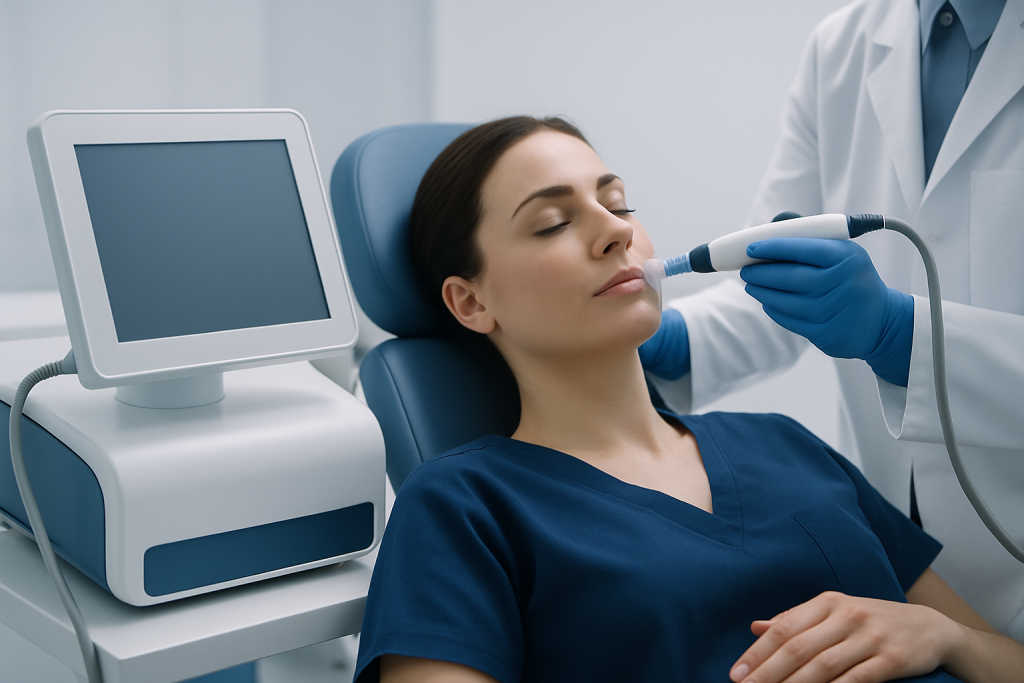
The skin is constantly renewing itself, but that process can slow down or become uneven after acne, sun exposure, aging, or inflammation. Microneedling encourages a repair response by creating microscopic punctures that the body treats as a signal to begin healing. During that process, the skin may produce more collagen and elastin, two structural proteins that help maintain firmness and resilience.
The treatment is usually performed with a pen-like device or a roller-style tool, although medical devices used in clinics are typically chosen for precision and consistency. The depth of the needles, the number of passes, and the treatment area all matter, which is one reason professional guidance is important. The approach can be adjusted for delicate areas such as the face or for broader concerns such as the neck, chest, or certain types of scars.
Sometimes microneedling is combined with other therapies, such as topical serums, platelet-rich plasma, or resurfacing treatments, depending on the person’s goals and the clinician’s judgment. These combinations are not right for everyone, and they should be planned carefully to avoid irritation or unrealistic expectations.
Common uses and who may benefit

Microneedling is used most often for concerns related to skin texture rather than for deep structural changes. It may help soften the look of fine lines, enlarged pores, mild acne scars, surgical or traumatic scars, and some forms of uneven pigmentation when that pigmentation is related to skin healing or inflammation.
People often consider it when they want a treatment that can be tailored to different skin tones and different levels of sensitivity. That said, suitability is personal. Someone with active acne, a flare of eczema, rosacea that is currently irritated, or a history of keloid scarring may need a different plan or a more cautious approach.
In practice, the best candidates are often people who have realistic expectations. Microneedling can improve appearance gradually, but it is not a substitute for managing underlying skin conditions, protecting the skin from the sun, or treating deeper scarring with the most appropriate method.
Symptoms, concerns, and treatment goals
Microneedling is not a treatment for symptoms in the medical sense, but it is usually chosen because of visible concerns that affect how skin looks and feels. These may include rough or dull texture, fine creases, visible pores, shallow acne scars, or skin that appears less firm than before.
Some people also want to address the emotional side of skin concerns. Acne scarring, for example, can affect confidence long after active breakouts have settled. In that context, the goal is often not perfection, but a calmer, smoother surface that feels easier to live with day to day.
Because the procedure is planned for cosmetic and sometimes corrective reasons, a consultation should include discussion of which changes are realistic. A clinician may explain that some issues, such as deep scars or certain pigment disorders, often need a broader treatment strategy than microneedling alone.
Causes and risk factors for skin concerns treated with microneedling
The skin concerns that lead people to microneedling usually develop from a mix of internal and external factors. Acne scars can follow inflamed breakouts, fine lines may become more noticeable with age, and texture changes can develop after sun exposure or repeated irritation. Hormonal shifts, genetics, and skin care habits can also influence how the skin heals.
Risk factors for less predictable outcomes include active inflammation, recent sunburn, use of medications that affect healing, and a tendency to form thick or raised scars. People with darker skin tones can still be candidates for treatment, but they may need a clinician with experience in treating pigment-sensitive skin to reduce the chance of post-inflammatory hyperpigmentation.
Traveling for treatment adds another practical factor: skin should be calm enough to tolerate the journey home and any follow-up visits. A plan that looks good on paper may still need adjustment if it does not fit with work, climate, air travel, or the availability of aftercare once the person returns home.
Diagnosis and treatment planning
Microneedling does not require a diagnosis in the way a disease does, but a proper assessment is still important. The clinician will usually review the skin concern, medical history, previous procedures, allergies, medications, and any tendency toward abnormal scarring or pigment changes.
During the consultation, the skin is examined to determine whether microneedling is a good match or whether another approach would be more effective. This might include asking about recent isotretinoin use, blood-thinning medicines, autoimmune disease, pregnancy, active infections, or recent cosmetic treatments that could increase sensitivity.
Planning also includes practical details: how many sessions may be needed, how much recovery time to expect, and what kind of post-procedure care is realistic for the person’s schedule. For international patients, this conversation is especially useful because it can align treatment timing with travel dates and remote follow-up.
Treatment options and what the procedure feels like
In a clinic, the skin is usually cleansed and may be numbed with a topical anesthetic before treatment begins. The device is then moved across the area in a controlled way, creating tiny channels in the skin. Most people describe the sensation as scratchy, prickly, or warm rather than sharply painful, although comfort levels vary by area and needle depth.
After treatment, the skin may look flushed and feel sensitive, similar to a mild sunburn. That reaction usually settles over the next few days, though the exact timeline depends on the intensity of the session and the person’s skin response. Some clinics may pair microneedling with soothing post-care products, while others advise a very simple routine to minimize irritation.
Results are usually gradual. People often need more than one session, spaced apart according to the treatment goal and the clinician’s recommendation. Improvement tends to build over time as the skin completes several cycles of repair.
- Common treatment goals include texture refinement, softer acne scars, and subtle rejuvenation.
- Recovery is generally shorter than with more aggressive resurfacing procedures.
- Aftercare usually focuses on calming the skin and protecting it from sun exposure.
Prevention, aftercare, and recovery tips
Good aftercare matters because microneedling works with the skin’s healing response. For the first few days, gentle cleansing, moisturization, and strict sun protection are usually emphasized. Harsh exfoliants, strong retinoids, scrubs, and fragranced products may need to be paused until the skin has settled.
It is also sensible to avoid heavy makeup, intense exercise, swimming pools, and saunas for the period recommended by the clinician, because these can increase irritation or the risk of infection. If the person is traveling soon after treatment, they should plan for comfort, cleanliness, and a realistic recovery window rather than scheduling demanding activities immediately.
Prevention is partly about protecting the results. Daily sunscreen use, consistent skin care, and managing acne early can help reduce future damage. If the treatment is being done for scars or lines, the best long-term outcome often comes from combining procedure-based care with habits that protect the skin from new injury.
When to see a doctor
A doctor or qualified skin specialist should be consulted before treatment if the person has active acne, eczema, rosacea, psoriasis, frequent cold sores, a history of keloids, or any condition that affects healing. This is also important for people taking medicines that alter bleeding, immunity, or skin turnover.
After treatment, medical advice should be sought if redness is becoming worse rather than better, pain is increasing, the area feels hot, there is pus, fever develops, or there are unusual changes in pigmentation. These are not expected responses and should be reviewed promptly.
For anyone considering treatment abroad, choosing a clinic that offers clear consultation, aftercare instructions, and follow-up support can make the experience safer and easier to manage. Acibadem Health Point’s multidisciplinary specialists and JCI-accredited hospitals diagnose and treat a wide range of skin concerns for international patients, including those considering microneedling as part of a broader plan.
Living with expectations: what results can and cannot do
Microneedling can be a useful tool, but it works best when its role is understood clearly. It may make the skin look smoother, fresher, and more refined, yet it does not erase every scar, stop aging, or replace medical treatment for underlying skin disease. The most satisfying outcomes usually come from a plan that matches the problem precisely.
It can help to think of microneedling as a gradual improvement procedure. People who do well with it are typically those who value subtle change and are willing to give the skin time to respond. That mindset is especially helpful for international patients, because it supports a treatment plan that is organized, staged, and realistic across travel boundaries.
A thoughtful consultation is the best starting point. It allows the clinician to explain whether microneedling alone is enough, whether it should be combined with another method, and how to time the treatment around work, travel, and recovery.
Frequently asked questions
01What is microneedling used for?
Microneedling is commonly used to improve skin texture, fine lines, enlarged pores, and selected scars such as acne scars. It may also be part of a broader skin-rejuvenation plan. A clinician can help determine whether it is the right choice for a specific concern.
02Is microneedling painful?
Most people find it uncomfortable rather than severely painful, especially when a numbing cream is used. Sensation depends on the treatment area, needle depth, and personal pain tolerance. The skin may feel warm or tender afterward for a short period.
03How long does recovery take after microneedling?
Recovery is usually brief, with redness and sensitivity often settling over a few days. Deeper treatments may take longer to calm down. The exact timeline depends on the device used and how the skin responds.
04How many sessions are needed?
The number of sessions varies with the concern being treated and the skin’s response. Some people notice gradual improvement after a single session, but clearer changes often build over several treatments. The clinician will usually recommend a schedule based on the treatment goal.
05Who should avoid microneedling?
People with active skin infections, uncontrolled inflammatory skin conditions, poor wound healing, or a strong tendency to form keloid scars may not be good candidates. It may also need to be postponed after certain medications or recent procedures. A medical consultation is the safest way to check suitability.
06Can microneedling be combined with other treatments?
Yes, it is sometimes combined with other therapies such as topical treatments or platelet-rich plasma, depending on the skin concern. Combination plans should be designed by a qualified clinician to reduce irritation and keep expectations realistic. Not every combination is appropriate for every person.
This article is for general information only and is not a substitute for professional medical advice. Please consult a qualified doctor about your individual situation.
Explore treatments in Turkey — costs, top hospitals & a free quote
JCI-accredited · board-certified surgeons · reply within 24h
Add us as a Preferred Source to see more of our trusted health content across Google Search, AI Overviews and Discover.



How can we help you today?
Meet an Acibadem specialist by secure video, before you travel.
Book a video visit