Mental Health Hotline: When to Call and What Support You Can Get

A mental health hotline can provide immediate, confidential support when someone is in emotional distress, worried about their safety, or unsure where to turn. These services can help people de-escalate a crisis, understand their options, and connect with ongoing care.
Overview
A mental health hotline is a telephone or text-based support service for people who are struggling emotionally, feeling overwhelmed, or facing a possible mental health crisis. It is designed to offer immediate human support, often at any time of day, without requiring an appointment. Some hotlines focus on crisis intervention, while others also provide information, referral, and emotional support for ongoing mental health concerns.
People use mental health hotlines for many reasons. Someone may be experiencing intense anxiety, hopelessness, panic, thoughts of self-harm, or distress after a traumatic event. Others may call because they are worried about a loved one, need help finding local services, or want support in the middle of a difficult moment. Reaching out does not mean a person is weak or “overreacting.” It is a practical step to get support early.
Hotlines are not all identical. Some are national crisis lines, some serve specific age groups such as children or adolescents, and others focus on issues such as substance use, domestic violence, grief, or veterans’ mental health. The main goal is to listen, help the person feel safer, and guide them toward the next appropriate step.
When to Call a Mental Health Hotline
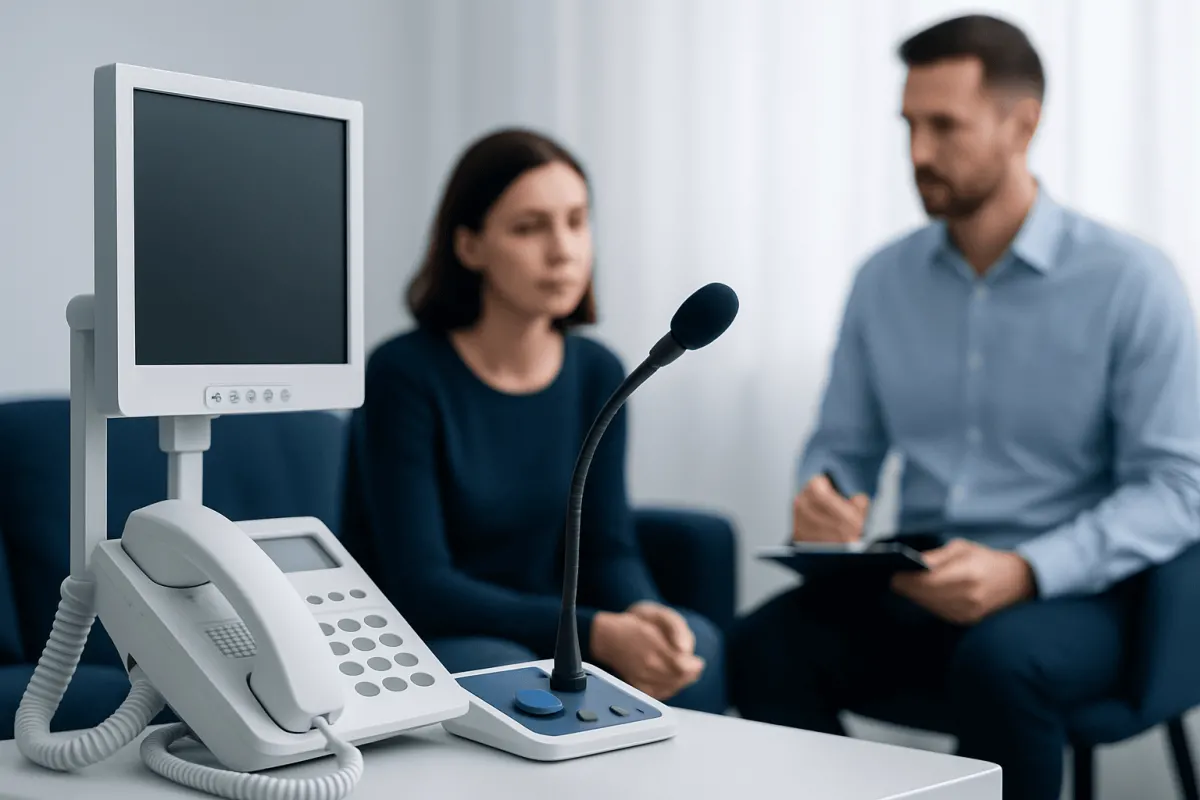
A person can call a mental health hotline whenever emotional distress feels hard to manage alone. This may include feeling persistently overwhelmed, unable to stop crying, extremely agitated, panicked, or emotionally numb. A hotline can also be helpful if someone feels frightened by their thoughts, is withdrawing from others, or feels unable to cope with daily responsibilities because of mental distress.
Calling is especially important if there are thoughts of self-harm, suicide, or harming someone else. Even if the person is unsure how serious the situation is, speaking to a trained responder can help clarify the level of risk and what to do next. A hotline can support a caller in the moment and help create a short-term safety plan.
People should also consider calling if they are worried about another person. Family members, friends, teachers, or caregivers often notice warning signs first. A hotline can help them understand how to respond calmly, what language to use, and whether emergency services or urgent in-person care may be needed.
- Thoughts of suicide or self-harm
- Severe anxiety, panic, or emotional overwhelm
- Intense sadness, hopelessness, or despair
- Distress after trauma, abuse, or loss
- Concern about a loved one’s mental state or safety
- Uncertainty about where to get mental health help
What Support a Hotline Can Provide

A mental health hotline usually begins by listening. The responder may ask what is happening, how the person is feeling, whether they are safe, and what support they need right now. The conversation is meant to reduce isolation and help the caller feel heard without judgment. In many cases, simply speaking to a calm, trained person can lower the intensity of distress.
Hotline support often includes crisis de-escalation, emotional grounding, and problem-solving. A responder may guide the caller through simple steps such as slowing breathing, moving away from means of self-harm, contacting a trusted person, or going to a safer environment. They may also help the person identify practical next steps for the next few hours or days.
Many hotlines also provide referral support. This can include information about local mental health professionals, urgent psychiatric evaluation, community clinics, emergency departments, or social services. If a person needs ongoing care for concerns such as depression or severe anxiety, a hotline may help connect them to follow-up assessment and treatment rather than replacing long-term care.
Some services can be reached by phone, text, or online chat. This can be especially helpful for people who find speaking difficult, are in a shared living space, or feel more comfortable writing. The exact options depend on the hotline and country.
What to Expect When You Call
Many people hesitate to call because they do not know what will happen. In most cases, the responder will first ask for a brief description of the problem and whether there is any immediate danger. They may ask about symptoms, thoughts of self-harm, access to dangerous items, substance use, and whether the person is alone. These questions are meant to assess safety, not to judge.
The caller does not need to have the “right words” prepared. It is enough to say something simple such as, “I do not feel safe,” “I am having thoughts of hurting myself,” or “I am overwhelmed and do not know what to do.” If the caller is supporting someone else, they can explain what they have noticed and ask for guidance.
Confidentiality practices vary by hotline and location, but many services aim to keep conversations private within legal and safety limits. If there is an immediate and serious risk to life, responders may need to involve emergency services or encourage urgent in-person care. If there is no immediate danger, the focus is often on support, coping, and planning the next step.
Sometimes a hotline call leads to a referral for outpatient mental health care, counseling, or psychiatric evaluation. This may include discussion of options such as psychiatric assessment or psychological support when ongoing treatment would be helpful.
Mental Health Hotlines and Emergency Care
A mental health hotline can be a vital first step, but it is not a substitute for emergency medical care when someone is in immediate danger. If a person has made a suicide attempt, has a weapon and intends to use it, is unable to stay safe, is severely intoxicated and at risk, or is experiencing a medical emergency, emergency services should be contacted right away. Going to the nearest emergency department may also be the safest option.
Hotlines are also not meant to replace regular therapy or psychiatric follow-up. They are best understood as immediate support and navigation during urgent emotional distress. Some people call once during a crisis; others may use a hotline while waiting for an appointment or during a difficult period between visits.
Severe mental health symptoms can sometimes involve confusion, extreme agitation, hearing or seeing things others do not, or not being able to distinguish reality clearly. In these situations, urgent professional assessment is important. Conditions such as bipolar disorder or other serious psychiatric illnesses may need structured treatment, close monitoring, and coordinated care.
How to Prepare and Use a Hotline Effectively
When possible, it can help to make the call from a quiet place where the person feels as safe as possible. Keeping a phone charger nearby, having water available, and moving away from objects that could be used for self-harm can make the conversation easier. If speaking feels difficult, writing down a few words beforehand may help: what is happening, how urgent it feels, and whether there is immediate danger.
It is useful to be honest about the level of risk. Some callers worry that if they mention suicidal thoughts they will automatically lose control over what happens next. In reality, responders usually try first to understand the situation, reduce immediate danger, and explore options collaboratively. Clear information helps them provide the right support.
After the call, the person should try to follow the agreed next steps. This may include contacting a trusted friend or family member, arranging a same-day evaluation, scheduling therapy, reducing access to harmful items, or writing down coping strategies for the next 24 hours. If symptoms continue or get worse, they should seek further medical help promptly.
For people with recurring episodes of panic, severe anxiety, or suicidal thoughts, it can help to create a personal crisis plan in advance. This may include emergency numbers, medications already prescribed, supportive contacts, warning signs, and preferred treatment settings such as mental health care services.
Prevention, Ongoing Care, and When to Seek Professional Help
Although hotlines are designed for immediate support, long-term mental health care is just as important. Ongoing treatment may involve therapy, psychiatric review, lifestyle adjustments, support groups, or a combination of approaches. Many common concerns, including anxiety, depression, trauma-related symptoms, and stress-related sleep problems, improve with professional care and early attention.
A person should arrange a medical or mental health evaluation if emotional symptoms last more than a short period, interfere with work or school, affect sleep or appetite, strain relationships, or keep returning. Warning signs such as persistent hopelessness, isolation, increasing substance use, self-harm, or major changes in behavior should not be ignored. Early assessment can help identify the cause and guide the right treatment plan.
Family and friends also play an important role. Listening calmly, taking distress seriously, and helping the person access care can make a meaningful difference. It is usually best to avoid arguments, criticism, or promises to keep suicidal thoughts secret. Supportive presence and prompt action are more helpful than trying to “solve” everything alone.
For people seeking further evaluation and treatment, Acıbadem Health Point’s multidisciplinary specialists and JCI-accredited hospitals provide mental health assessment and care for international patients. Regardless of where care is received, any immediate risk to safety should always be treated as urgent.
Frequently asked questions
01Is calling a mental health hotline only for people who are suicidal?
No. People call mental health hotlines for many reasons, including panic, severe stress, grief, trauma, hopelessness, or concern about someone else. A person does not need to be in extreme crisis to ask for support.
02Can someone call a hotline for a friend or family member?
Yes. Hotlines often support relatives, friends, teachers, and caregivers who are worried about another person. They can provide guidance on how to respond, what warning signs to watch for, and when emergency help may be needed.
03Will a hotline automatically send emergency services?
Not always. In many situations, the responder focuses on listening, assessing safety, and helping the person make a plan. Emergency services are usually considered when there is an immediate and serious risk to life or safety.
04Are mental health hotline calls confidential?
Many hotlines aim to keep conversations confidential within legal and safety limits. The exact rules can vary by service and country. If there is imminent danger, responders may need to act to protect the caller or another person.
05What if the person is too anxious to talk on the phone?
Some services also offer text or online chat support, which can be easier for people who feel overwhelmed speaking aloud. If those options are not available, a trusted person may help start the call. Even a few simple words can be enough to begin getting support.
06Should someone still see a doctor after calling a hotline?
Often, yes. A hotline can provide immediate support, but ongoing symptoms usually need follow-up with a doctor, therapist, or mental health professional. Professional evaluation is especially important if symptoms are persistent, worsening, or affecting safety and daily life.
This article is for general information only and is not a substitute for professional medical advice. Please consult a qualified doctor about your individual situation.
Explore treatments in Turkey — costs, top hospitals & a free quote
JCI-accredited · board-certified surgeons · reply within 24h
Add us as a Preferred Source to see more of our trusted health content across Google Search, AI Overviews and Discover.